Hedge funds are profiting from the surge in Venezuela's bonds, highlighting increased investor interest and potential risk in emerging markets. The article discusses the recent performance of Venezuelan debt and its impact on hedge fund strategies.

Emerging-market stocks reached a near five-year high at the start of 2026, driven by optimism around AI developments in Asia and strong performances in technology shares, with regional currencies showing mixed movements amid global economic expectations.
Three veteran traders from 'The Big Short' era, Danny Moses, Vinny Daniel, and Porter Collins, are all betting on a significant decline in the US dollar by 2026, with a focus on gold and emerging markets like China and Brazil as key investment themes, reflecting a cautious outlook for the macroeconomic landscape.
The article discusses the strong performance of emerging markets in the past year and explores potential developments and trends that could shape their trajectory in 2026.
In 2025, global stock markets reached near all-time highs driven by optimism about artificial intelligence and broader investor confidence, with Asian emerging markets borrowing at historic lows and American firms paying minimal bond premiums since the 1990s.
Legendary investor Mark Mobius warns of a potential 40% correction in AI stocks due to high valuations and excessive spending, but suggests investing in emerging markets, which have outperformed the US market this year, as a promising alternative.
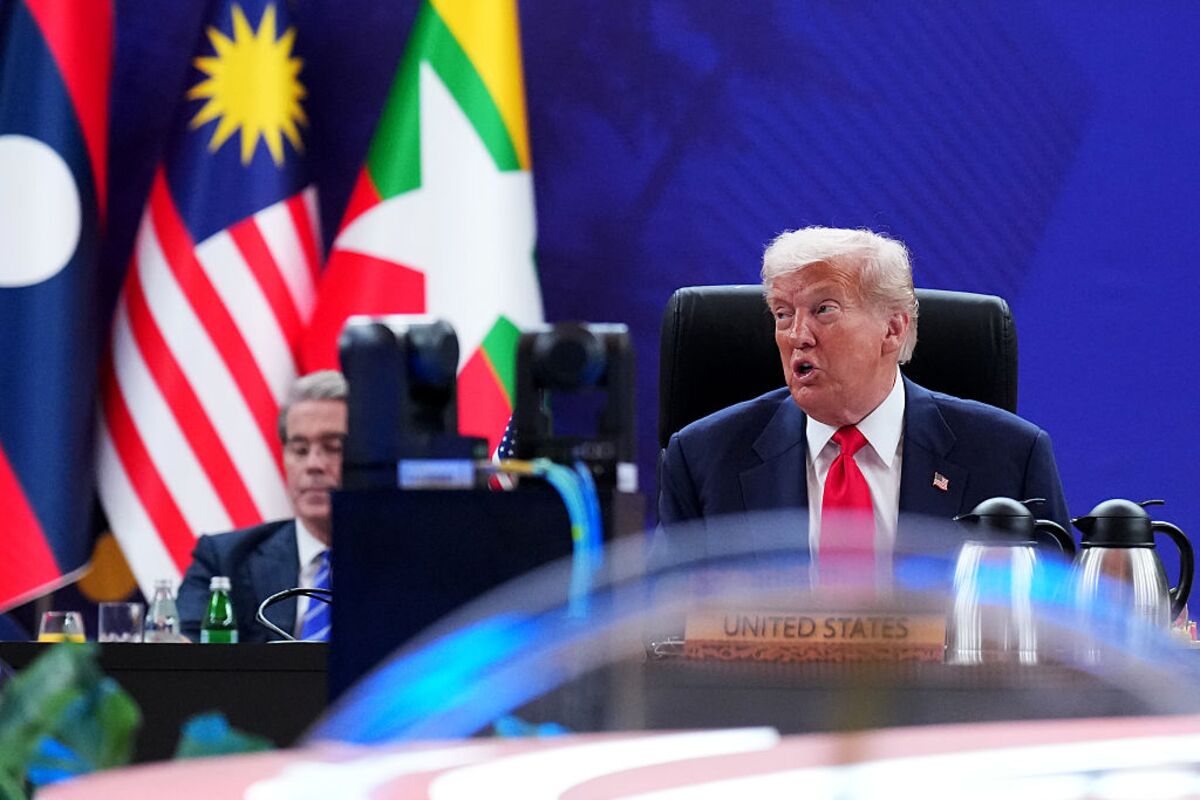
Donald Trump's visit to Southeast Asia has boosted hopes for increased US engagement and investment in the region, with new trade agreements and signs of political stabilization making ASEAN markets more attractive despite ongoing trade tensions and market liquidity concerns.
The surge in gold prices is benefiting emerging markets like Ghana, South Africa, and Uzbekistan by boosting their economies, improving credit ratings, and attracting investor confidence, while also reflecting a broader shift away from US dollar dependence amid global economic uncertainties.
Google AI Plus has expanded to 77 countries, offering enhanced AI tools across Google Workspace and other platforms, with a 50% discount for eligible users in these markets.
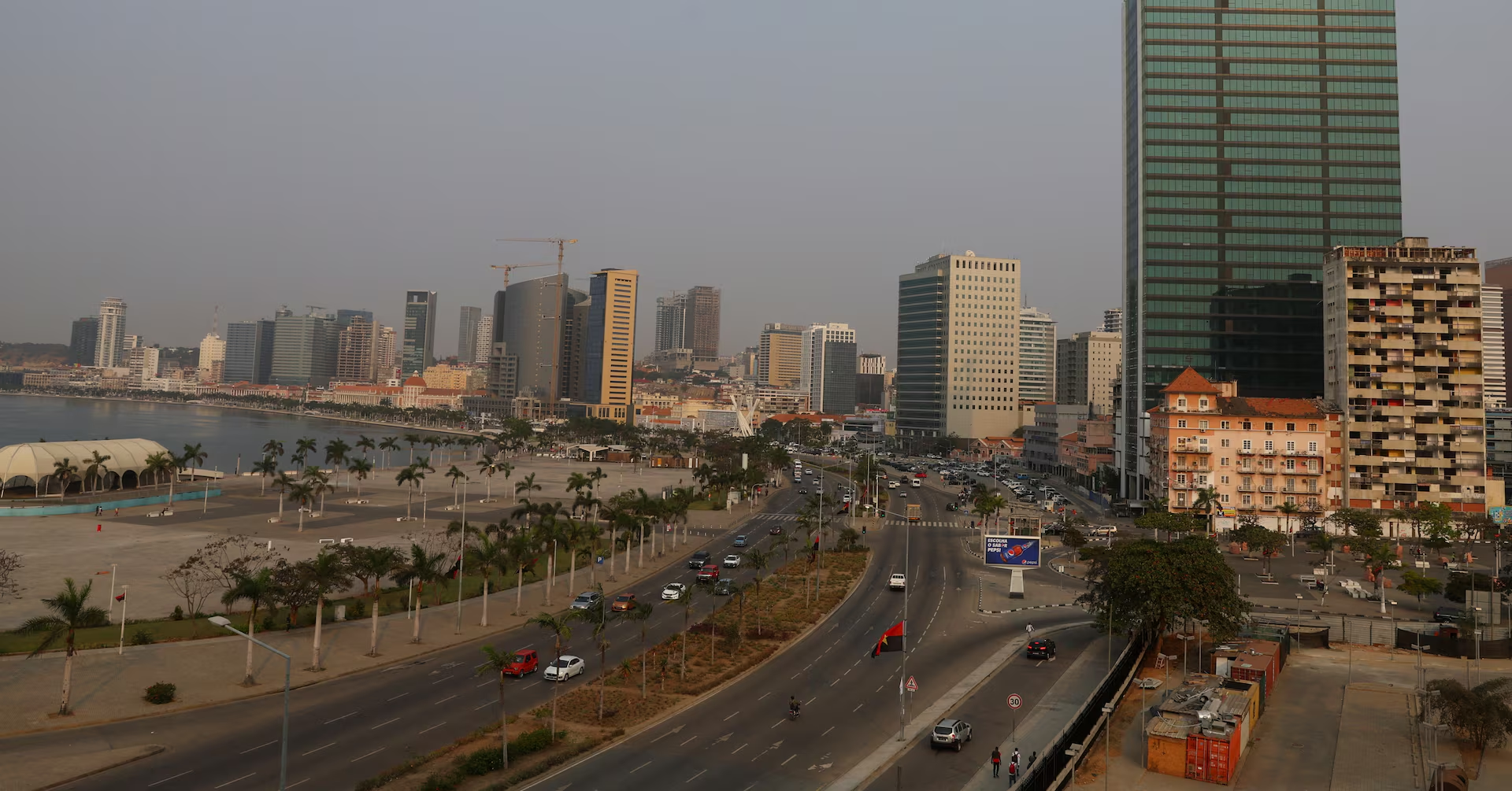
Private credit is increasingly shifting from developed Western markets to emerging markets, driven by investors seeking higher yields and the saturation of developed markets, with private lenders funding large projects like Angola's new fuel refinery and expanding their presence in sectors such as infrastructure and sovereign debt, despite concerns over risks and opacity.
Stablecoins are diverging in use and regulation between developed and emerging markets, with the U.S. focusing on regulated, yield-bearing instruments under the GENIUS Act, while in emerging markets they serve as vital tools for remittances, currency stability, and corporate treasury, highlighting their evolving role in global finance.
President Trump announced plans to impose an additional 10% tariff on countries aligning with BRICS policies, causing declines in emerging market currencies and stocks, amid ongoing trade negotiations and geopolitical tensions involving BRICS nations and the US.
The U.S.-Vietnam trade agreement, which reduces tariffs to 20% from 46%, highlights ongoing trade tensions and suggests that tariffs may increase for other countries, especially in emerging markets like Thailand and Malaysia, while complicating negotiations with the EU. The deal also introduces a 40% duty on transshipped goods, reflecting concerns over trade practices like transshipping, and indicates a potential wave of similar agreements in the near future.
BRICS, a coalition of fast-growing economies including Brazil, Russia, India, China, and others, is expanding rapidly and aims to challenge Western dominance by promoting trade, financial independence, and a multipolar world order, though internal divisions and geopolitical tensions pose challenges to its future growth.
The US dollar's recent surge has led to the largest decline in emerging market (EM) currencies in two years, with a JPMorgan index showing a 5% drop over the past two and a half months. This decline is driven by expectations of US trade tariffs and fiscal policy changes under President-elect Donald Trump, affecting currencies like the Mexican peso and China's renminbi. The sell-off has also impacted carry trades and is compounded by country-specific issues in nations like China and Brazil. Analysts note a lack of positive economic stories in EMs, contributing to the trend.