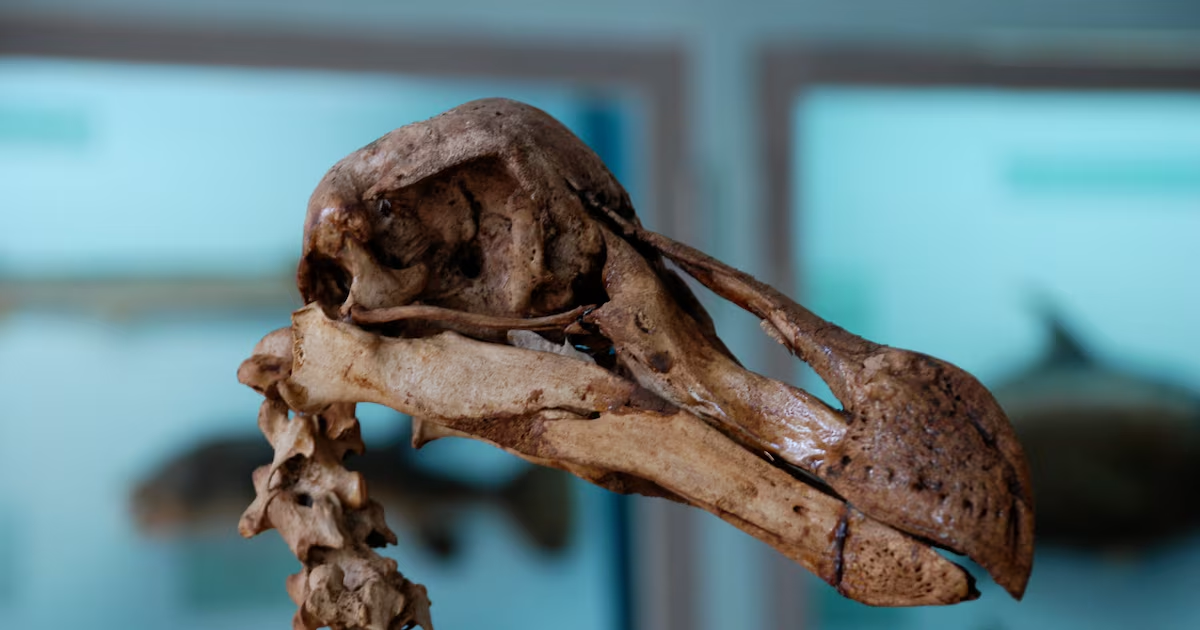
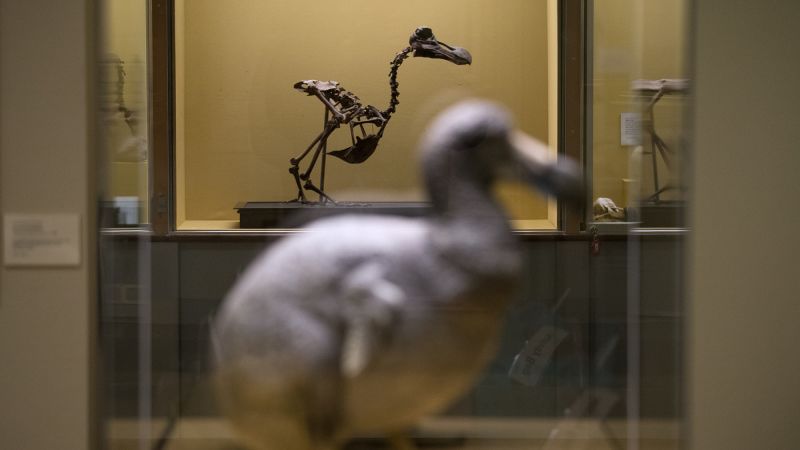
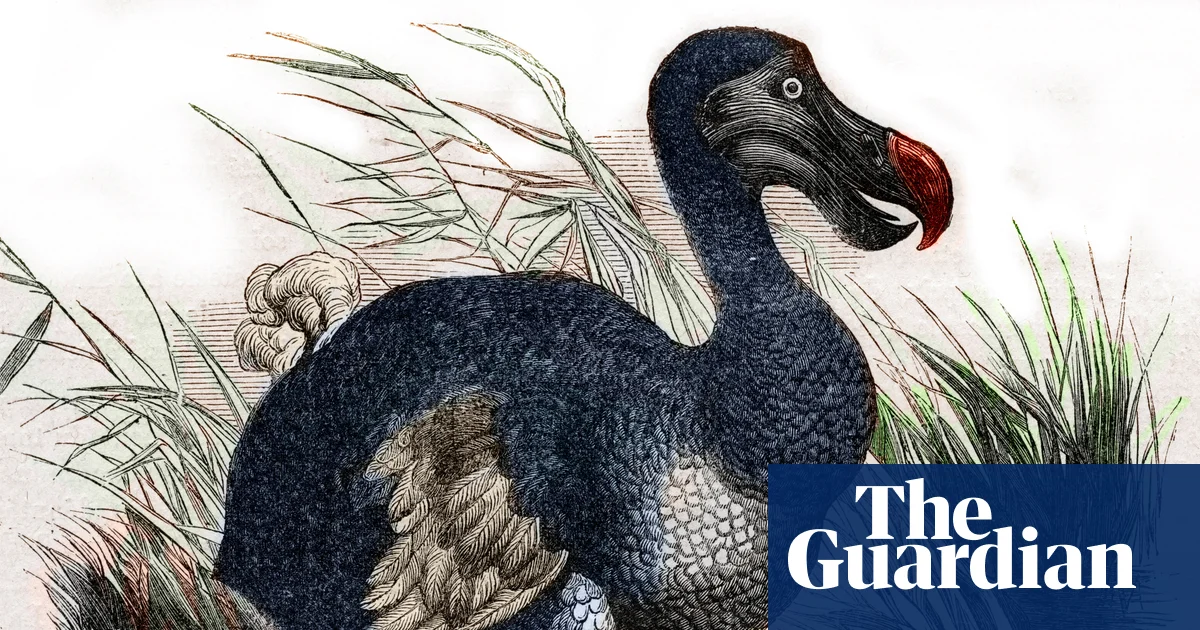
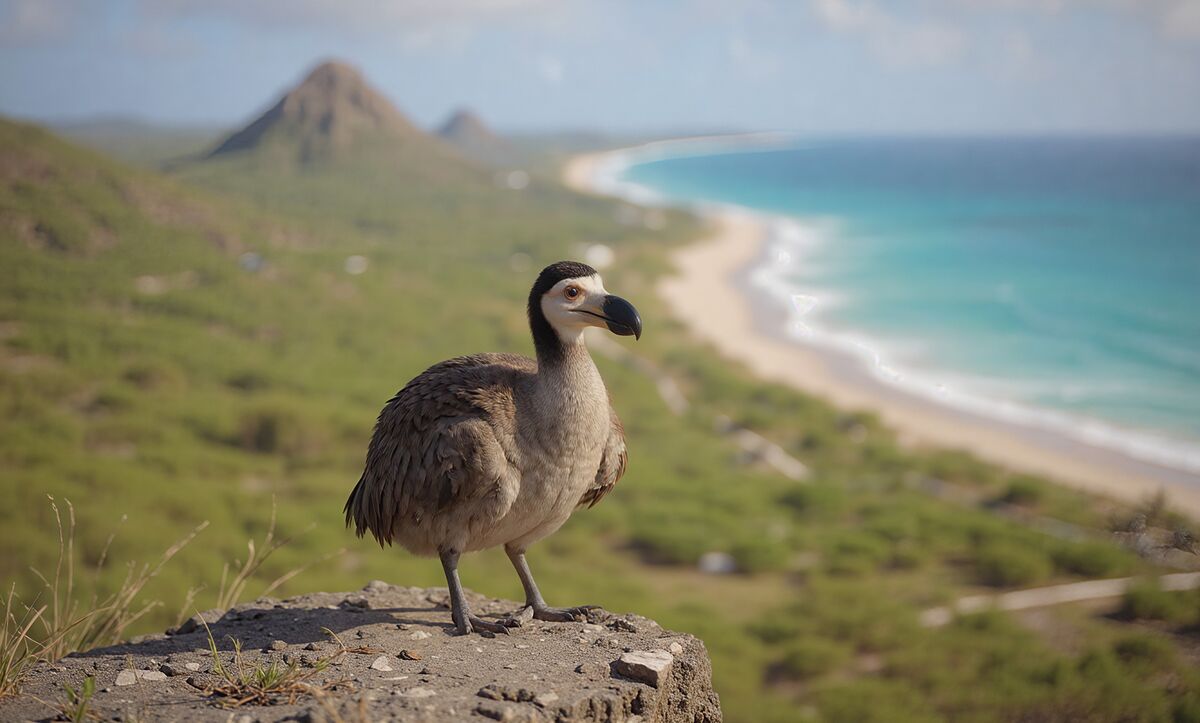
Dallas-based biotech Colossal Biosciences is making progress in de-extincting the dodo by growing primordial germ cells from pigeons, with plans to gene-edit these cells and eventually produce a dodo-like bird, highlighting advancements in avian conservation and de-extinction technology.
Colossal Biosciences has made a significant breakthrough in their effort to genetically engineer a dodo-like bird by successfully culturing primordial germ cells from pigeons, a key step towards potentially recreating the extinct species, though experts caution that true de-extinction remains scientifically complex and controversial.
Scientists at Colossal Biosciences have achieved a major breakthrough in de-extinction by successfully growing primordial germ cells from pigeons, the closest relatives of dodos, marking a pivotal step toward potentially bringing the dodo back to life within the next five to seven years using gene editing and surrogate chickens. The project aims to reintroduce the species to Mauritius, but experts caution about ecological and ethical challenges involved.
Colossal Biosciences, a biotech startup, has raised $120 million to work on resurrecting extinct animals like the dodo, with plans to achieve this within 5-7 years by growing pigeon germ cells, and has expanded its funding to over $555 million.
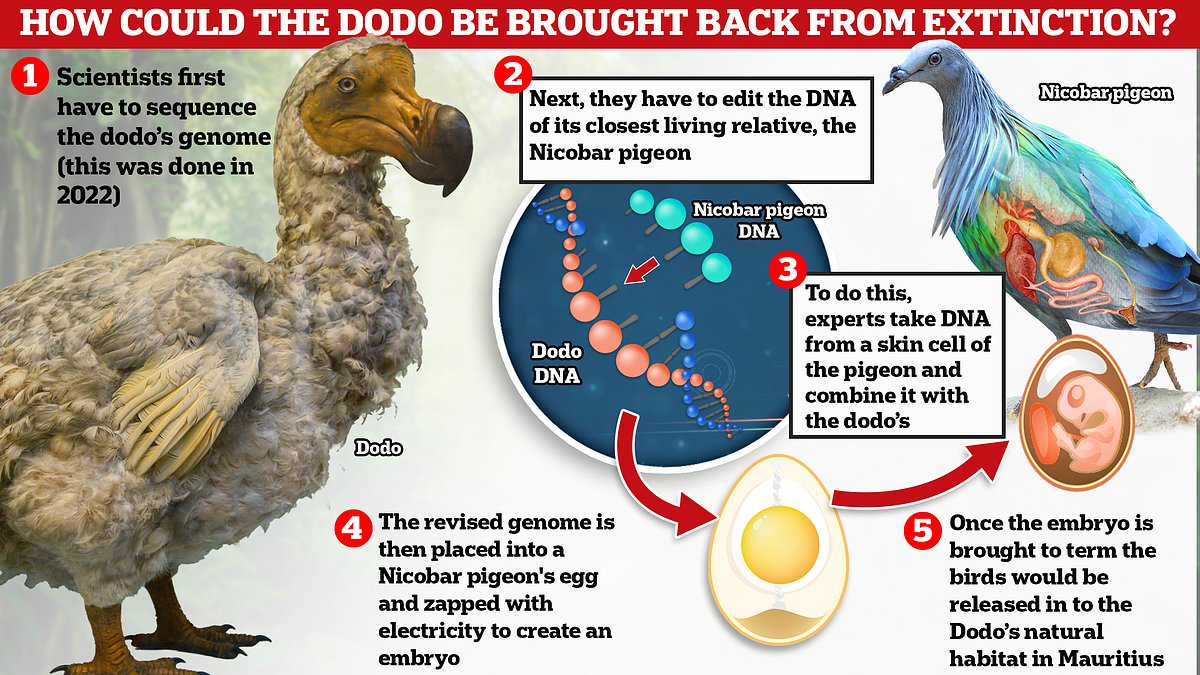
Scientists are using stem cell technology and genome editing to bring back the extinct dodo, with US startup Colossal Biosciences leading the ambitious $225 million project to "de-extinct" the species more than 350 years after it was wiped out from Mauritius. The company also aims to revive the woolly mammoth and Tasmanian tiger. By gene-editing the skin cells of the dodo's closest living relative, the Nicobar pigeon, and using a living surrogate mother, scientists hope to see the first lab-grown dodo born within this decade. The project involves collaboration with The Mauritian Wildlife Foundation to restore ecosystems and find a suitable location for the dodos once they are grown in the lab.
Colossal Biosciences, a genetic engineering and de-extinction company, has partnered with the Mauritian Wildlife Foundation to bring the dodo back from extinction. The project aims to restore the dodo's native habitats on the island of Mauritius and is led by Dr. Beth Shapiro, who was the first scientist to sequence the dodo's genome. The team is currently working with the Nicobar Pigeon to build a reference genome and developing genetically modified chickens as surrogates for the dodos. Colossal is also investigating the genetic rescue of the pink pigeon, another endangered species endemic to Mauritius.
Beth Shapiro, a leading expert on paleogenomics, is working with de-extinction companies like Colossal Biosciences and Revive and Restore to develop technologies that could resurrect extinct traits and help protect vulnerable species of birds. Shapiro's initial work mapping the dodo genome laid the groundwork to bring back a version of it from extinction, and the knowledge gained from de-extinction could help protect species under threat now. However, it is not possible to bring back an identical copy of an extinct species.