Tag

Ancient Stars

All articles tagged with #ancient stars

space-and-astronomy1 year ago

"Colossal Collision Marks Universe's Dawn: This Week in Space"

This week in space news highlights include the discovery of a colossal black hole collision in the early universe, the Negev Space Accelerator's selection of five startups for lunar projects, SpaceX's unveiling of new space suits for private astronaut spacewalks, NASA's lunar training expeditions for the Artemis program, and the identification of some of the oldest known stars on the outskirts of the Milky Way.
astronomy1 year ago

"Ancient Star Streams: Building Blocks of the Milky Way"

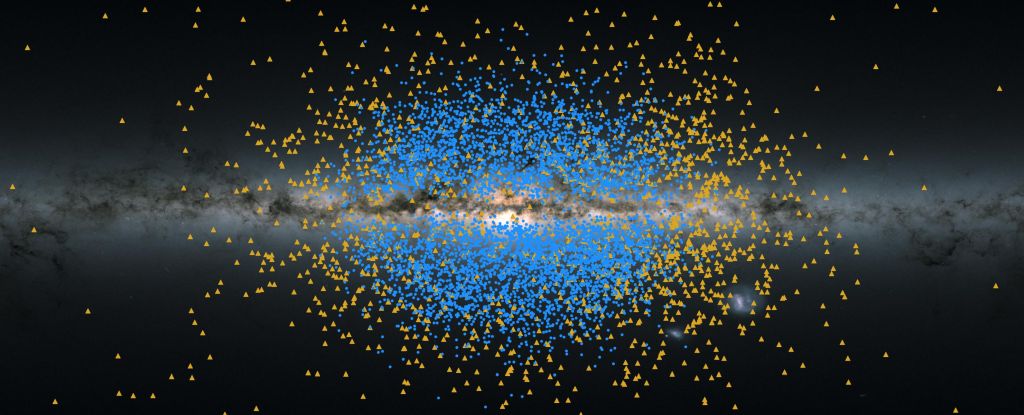
Two ancient streams of stars, named Shiva and Shakti, have been discovered near the center of the Milky Way, dating back to nearly 13 billion years ago. Identified using data from the Gaia telescope, these streams provide insight into the galaxy's early formation and growth, shedding light on its infancy and evolution. The discovery highlights the valuable role of galactic archaeology in understanding the history of the Milky Way and the significance of precise data collection in uncovering surprise elements of our cosmic history.

astronomy1 year ago

"Discovery of Ancient Star Formed in Another Galaxy"

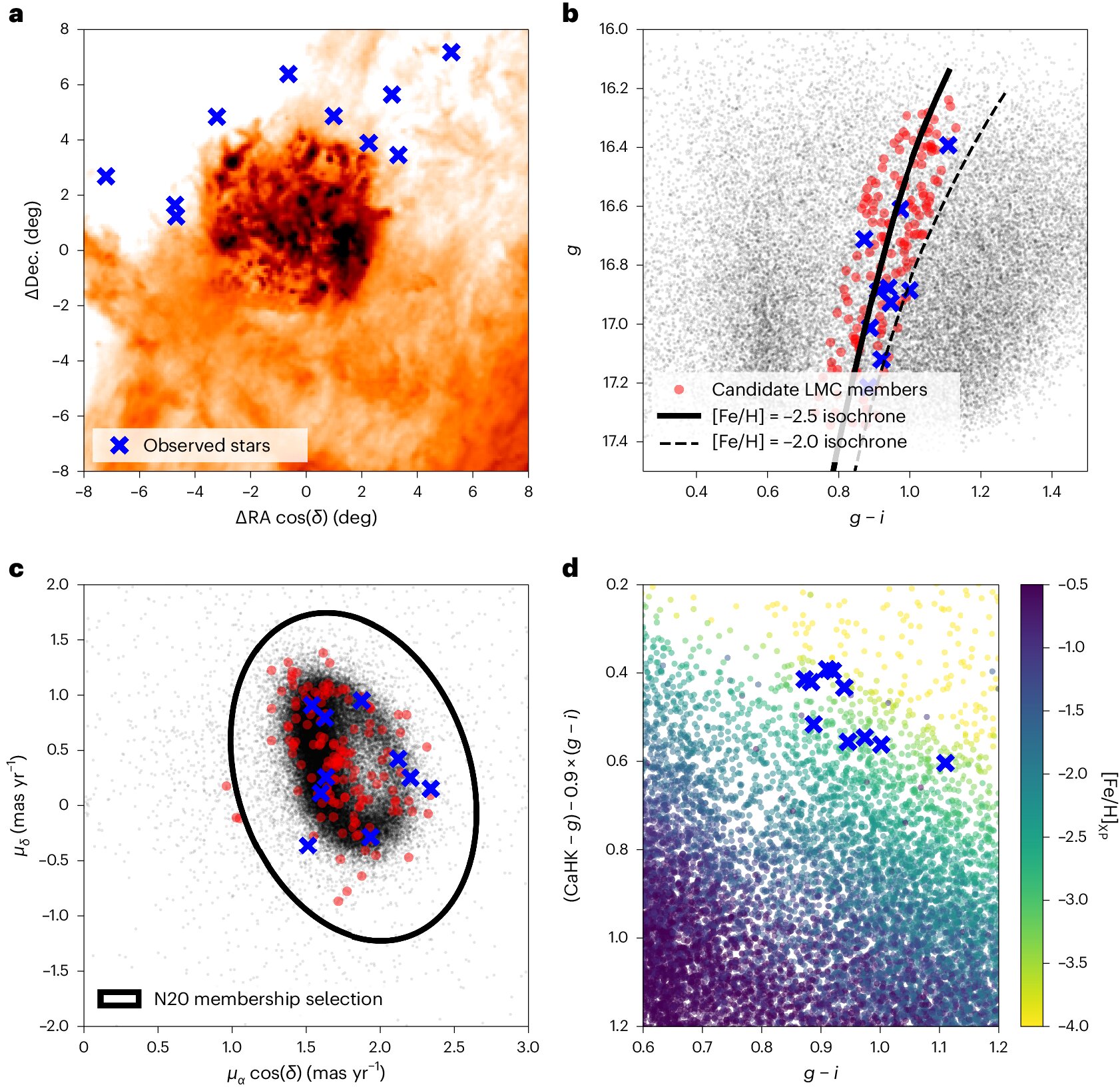
Scientists have discovered one of the most ancient stars, which formed in a different galaxy from ours, providing insight into the early element-forming process in galaxies. This star, found in the Large Magellanic Cloud, is from the second generation and has much less heavy elements than any other star seen in the cloud, suggesting differences in early element enrichment processes across different regions. The discovery opens up the field of stellar archaeology in the Large Magellanic Cloud and sheds light on how the first stars chemically enriched the universe in various environments.

astronomy2 years ago

"Unprecedented Discovery: Nuclear Fission in Stars Unveils Unearthly Elements"

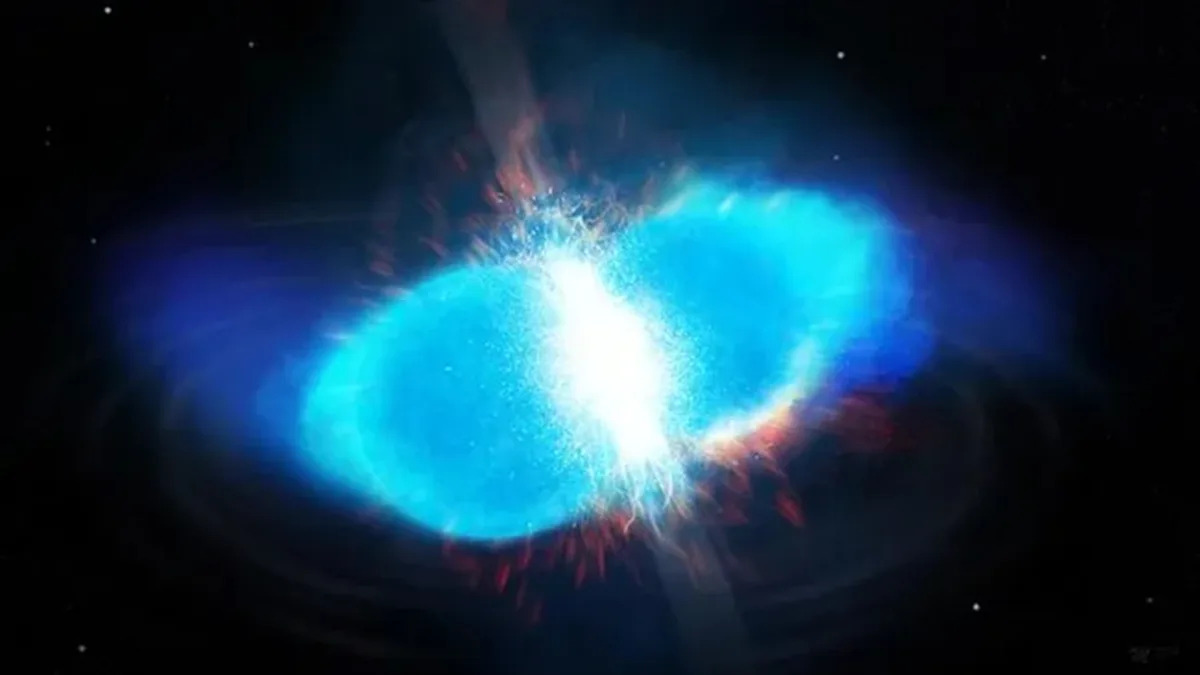
A new study provides the first compelling evidence of nuclear fission occurring in the cores of massive stars, suggesting that elements heavier than iron, including silver and gold, may be the result of this process. The research analyzed the chemical composition of 42 ancient stars in the Milky Way and found a consistent pattern indicating that nuclear fission plays a role in creating heavy elements. This finding suggests that nature may produce elements with atomic masses greater than 260 before breaking them down again. The study provides "direct evidence" of this process and reveals elements that have never been produced on Earth.

astronomy2 years ago

Stunning Hubble Images Reveal Glittering Stars and Cosmic Whirlpools

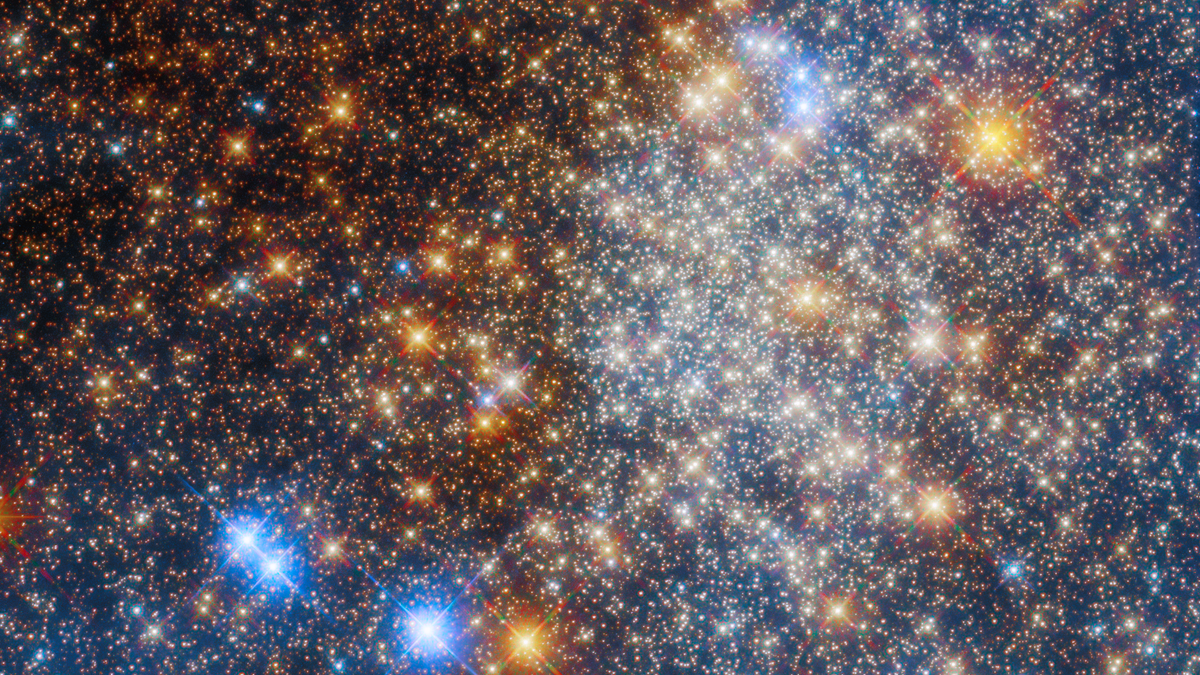
The Hubble Space Telescope has captured a stunning image of the globular cluster Terzan 12, located 15,000 light-years away in the constellation Sagittarius. The image showcases a multitude of stars shining through interstellar gas and dust, providing insights into the structure and ages of globular clusters. These ancient clusters help astronomers understand the life cycles of stars and the presence of stellar-mass black holes. Terzan 12, the 11th globular cluster discovered by Agop Terzan, offers a breathtaking view of celestial bodies in space.

astronomy2 years ago

Unveiling the Enigmatic Ancient Stars at the Core of the Milky Way

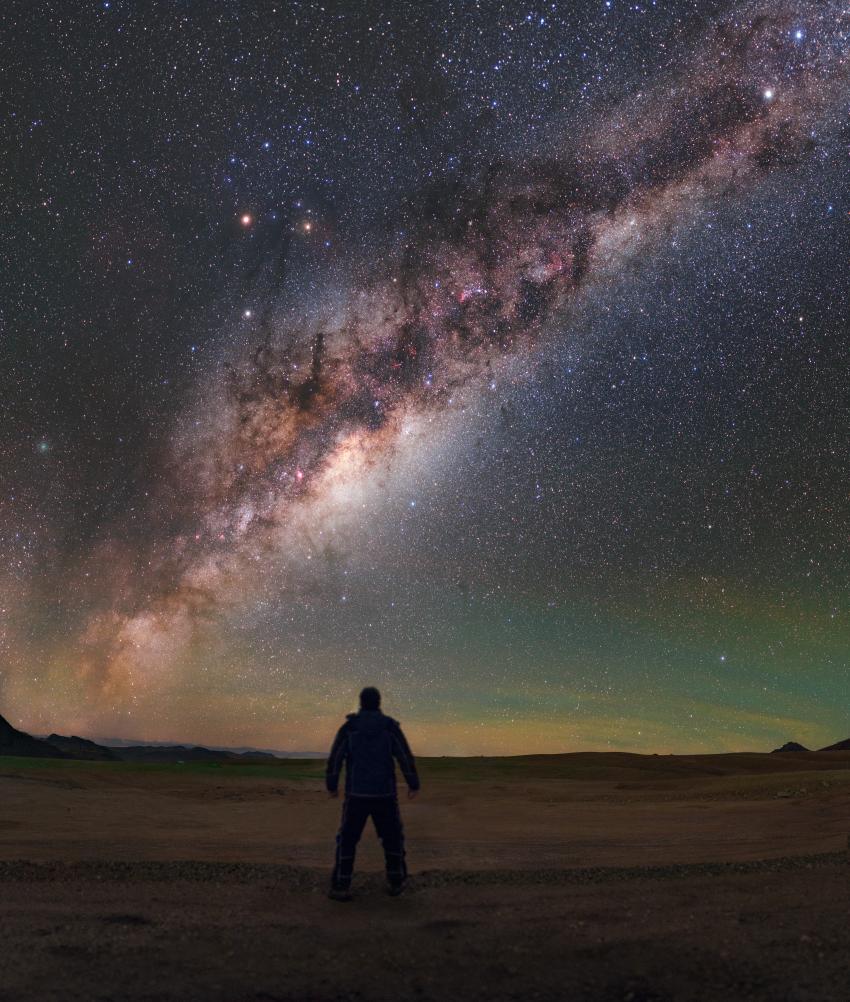
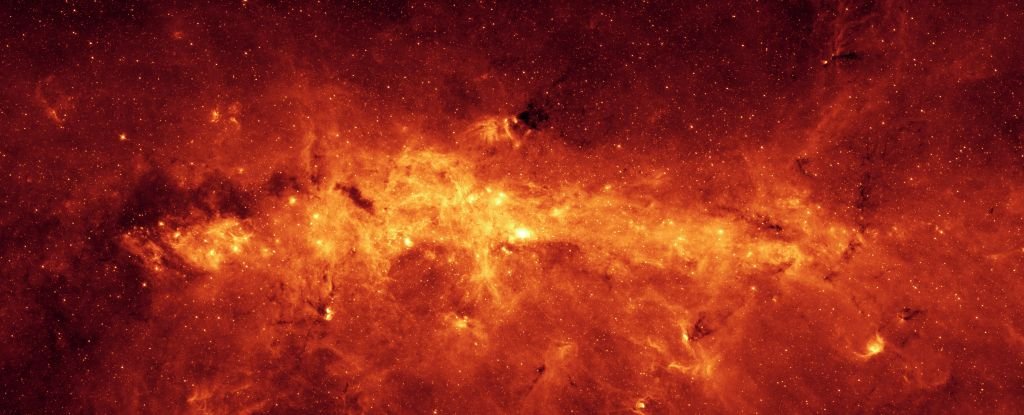
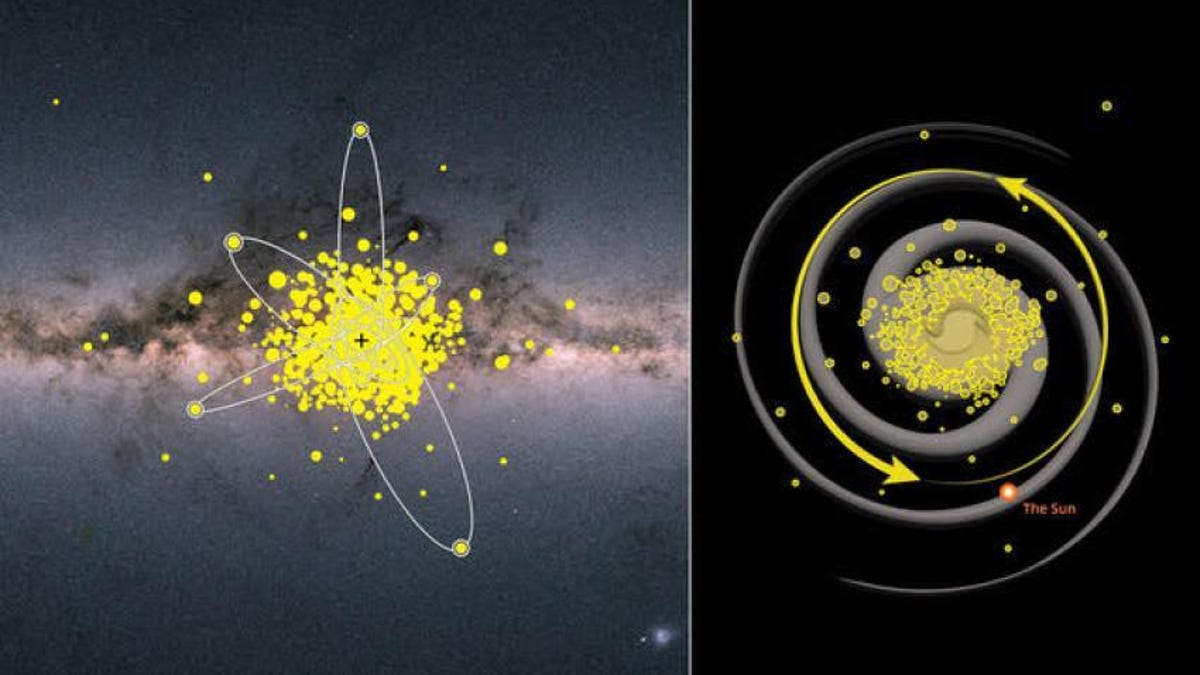
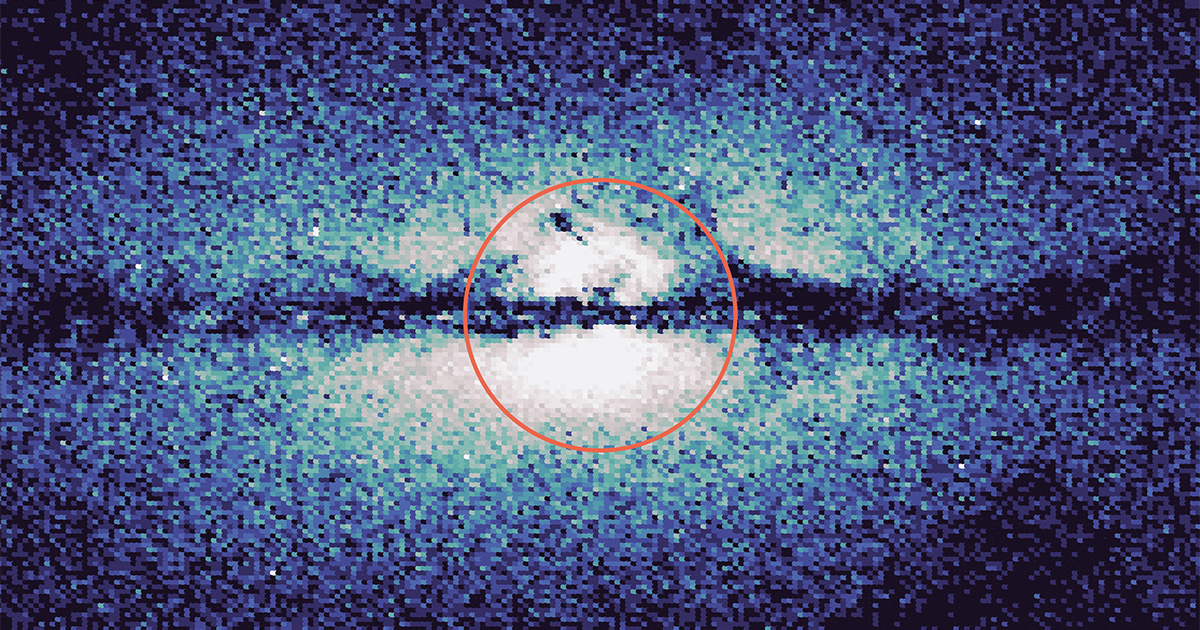
Astronomers studying the core of the Milky Way have discovered a population of very ancient stars that date back to the formation of the galaxy. These stars, part of the Pristine Inner Galaxy Survey (PIGS) project, are chemically different from younger stars in the Milky Way, consisting mostly of hydrogen and helium. The observations confirm that the PIGS survey is seeing the oldest stars in the galaxy, providing valuable insights into the early stages of cosmic history. The study also supports the hierarchical model of galaxy formation, where smaller galactic building blocks merge to form larger galaxies. Further research on these ancient stars will shed light on the formation, lives, and motions of the earliest stars in the Milky Way.

astronomy2 years ago

Ancient Stars Discovered in the Core of Our Galaxy

Ancient stars, born during the Cosmic Dawn, have been discovered in the center of the Milky Way through the Pristine Inner Galaxy Survey (PIGS). These stars, which likely formed less than a billion years after the Big Bang, have low metal content and chaotic orbits, but still orbit the galactic center. The findings provide insights into the early phases of the Milky Way and offer exciting prospects for further discoveries about the first stars in our galaxy.

astronomy2 years ago

"Unveiling Galactic Evolution: Ancient Stars Spin Near Milky Way Center"

Astronomers from the Pristine Inner Galaxy Survey (PIGS) have discovered a large group of ancient stars circling the center of the Milky Way in an orderly fashion. These metal-poor stars likely formed less than a billion years after the Big Bang and provide insights into the early Universe. The study of these stars, hampered by interstellar dust, could help unravel the evolution of our galaxy and others like it.

astronomy2 years ago

"Unveiling the Eternal Dance: Ancient Stars Persist in Milky Way's Core"

Researchers have discovered a population of ancient stars around the core of the Milky Way that are still shining after over 12.8 billion years. These stars have low metallicity, indicating that they formed a long time ago. Despite the chaotic nature of their orbits, these stars have spent most of their lives in the inner Milky Way, never straying beyond 10,000 light-years from the center. The findings challenge the notion that these stars are just passing through and provide insights into the early evolution of our galaxy.

astronomy2 years ago

"Pigs Uncover Ancient Stars at the Core of the Milky Way"

The Pristine Inner Galaxy Survey (PIGS) team has discovered a group of ancient stars in the center of the Milky Way that are slowly spinning around the galactic center. These stars, which formed less than a billion years after the Big Bang, have a pristine chemical composition and spend most of their lives near the Galactic center. The PIGS project used special imaging filters and spectroscopic observations to obtain the largest set of detailed observations for these ancient stars. The findings provide valuable insights into galaxy formation and the early Universe.

astronomy2 years ago

AI Unearths Milky Way's Birth Stars.

Astronomers have used machine learning to discover a trove of ancient stars that preceded the Milky Way, shedding light on the galaxy's formation and disk galaxies in general. The stars were found using data from the European Space Agency's Gaia space telescope, and the team used an off-the-shelf algorithm called XGBoost to extract the signals of heavier elements from the low-resolution spectra. The discovery confirms that the Milky Way was preceded by a proto-galaxy, and suggests that it didn't steal stars from other galaxies. The findings also confirm a recent theory about the timeline for the Milky Way's disk formation.