Neurologists warn against consuming improperly canned foods, large reef fish like barracuda, and undercooked pork due to risks of neurotoxins and parasites that can harm the nervous system, emphasizing food safety and awareness of endemic areas.
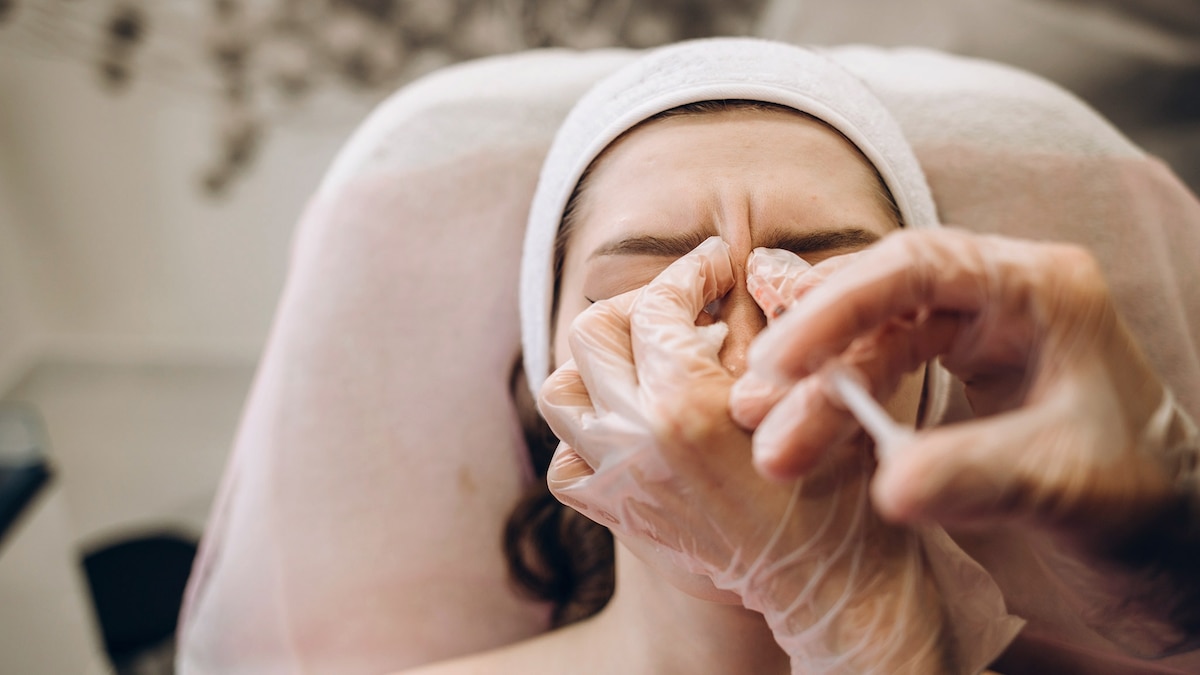
The market for non-surgical cosmetic treatments, known as "tweakments," is booming, with injections of botulinum toxin and dermal fillers being the most common procedures. However, recent research has raised concerns about the long-term effects of these injectable enhancements. Complications and complaints about botched jobs have increased, highlighting the need for improved safety standards and regulation. Issues such as infections, blocked blood vessels, tissue death, and overdone results have been reported. There are also concerns about the lack of reporting of side effects and the potential for addiction to these treatments. Experts emphasize the importance of finding reputable practitioners and doing thorough research before undergoing any cosmetic procedures.
Research suggests that botulinum toxin injections, commonly known as Botox, may have a positive impact on mood disorders such as depression and anxiety. Studies have shown that these injections can lead to significant improvements in symptoms, comparable to antidepressant medications, with fewer side effects. The injections may disrupt the connection between muscle memory and psychological state, resulting in therapeutic effects for those prone to depression or anxiety. Additionally, MRI scans have shown that botulinum toxin injections can decrease activity in the amygdala, the brain region associated with negative emotions. While some psychologists remain skeptical, proponents argue that the injections offer advantages over traditional treatments, such as fewer side effects and no interactions with other medications. However, the mood-enhancing effects are temporary and require regular injections.