Tag

Facial Expressions

All articles tagged with #facial expressions

health1 year ago

AI and Facial Analysis Revolutionize Severe Depression Diagnosis

A study has found that people with melancholia, a severe form of depression, exhibit distinct facial expressions and reduced brain activity in emotional regions, which can help differentiate it from regular depression. Unlike those with regular depression, individuals with melancholia show little to no facial emotion when watching videos, indicating a biological blunting of emotions. This discovery could aid in early diagnosis and tailored treatment, as melancholia patients often do not respond well to traditional therapies but may benefit from specific medications and treatments like electroconvulsive therapy.

technology1 year ago

"Smartglasses Utilize AI Sonar for Gaze and Facial Expression Tracking"

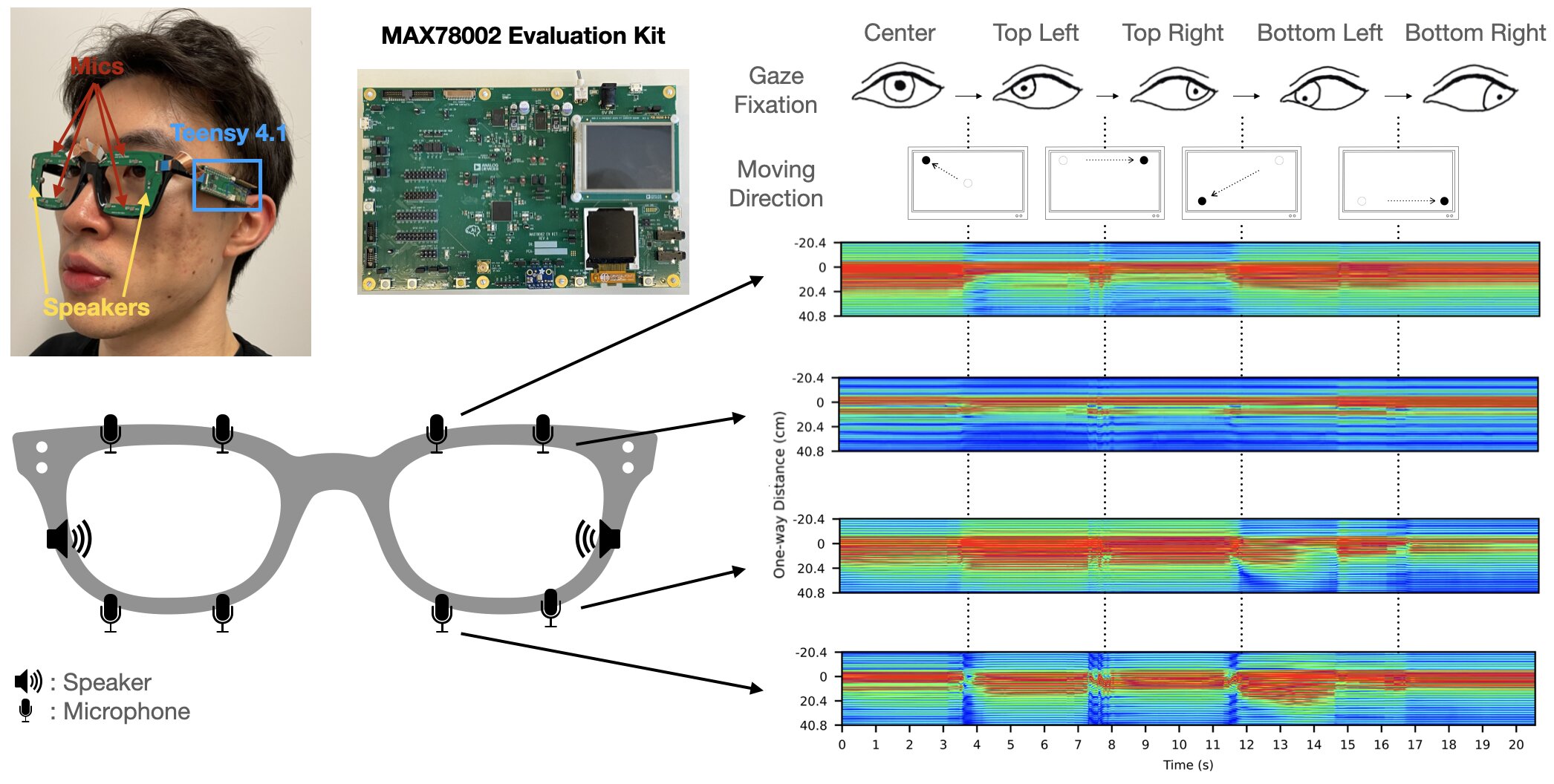
Researchers at Cornell University have developed two technologies, GazeTrak and EyeEcho, that use sonar-like sensing to track a person's gaze and facial expressions. These technologies, small enough to fit on smartglasses or VR/AR headsets, consume significantly less power than similar camera-based tools. GazeTrak is the first eye-tracking system that relies on acoustic signals, while EyeEcho continuously and accurately detects facial expressions and recreates them through an avatar in real-time. The devices have applications in VR interactions, aiding people with low vision, and potentially diagnosing or monitoring neurodegenerative diseases.

robotics1 year ago

"AI-Powered Robotic Face Anticipates and Mirrors Human Smiles in Real Time"

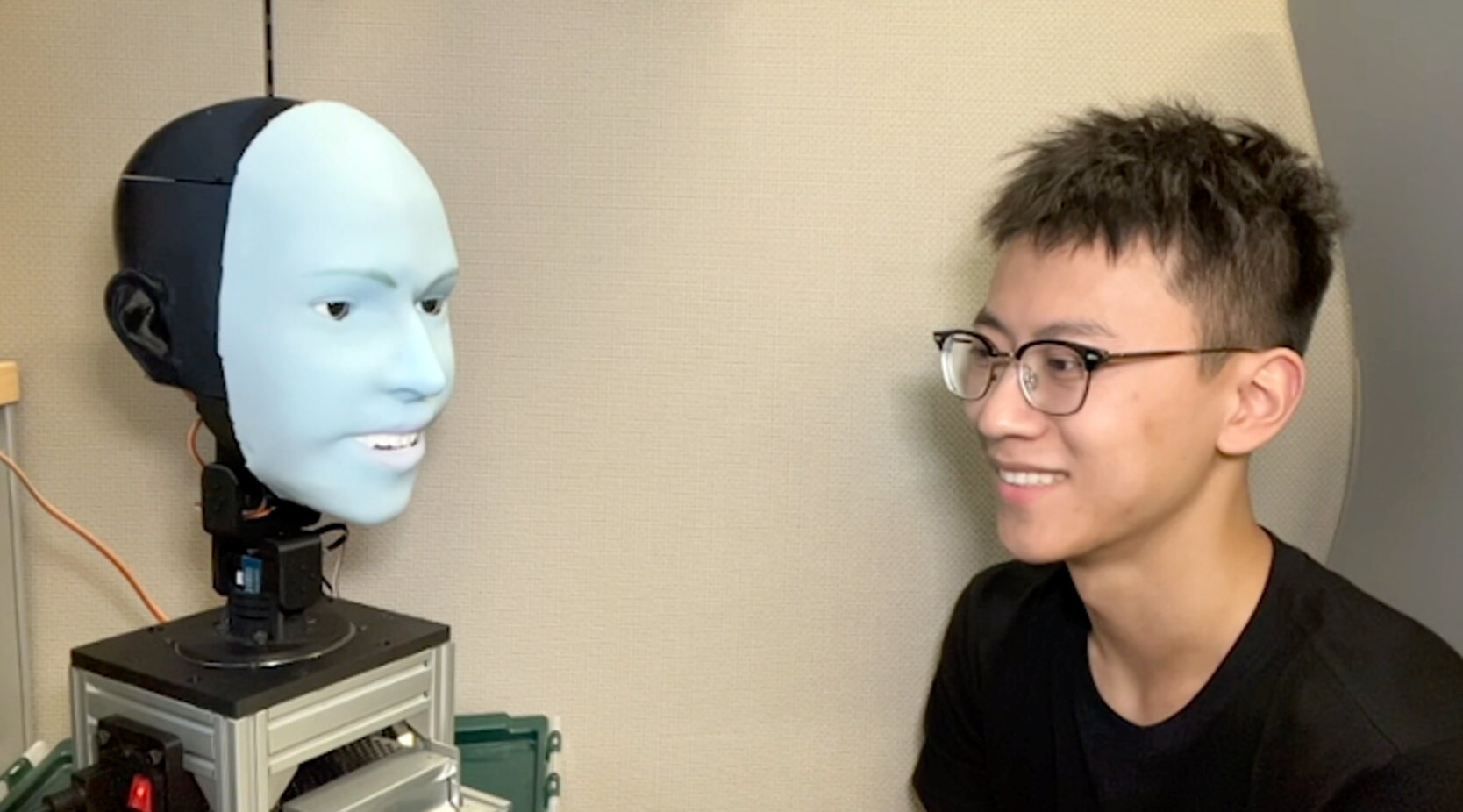
Researchers at Columbia Engineering's Creative Machines Lab have developed Emo, a robot with a human-like head that can anticipate and replicate a person's smile before it occurs, using AI and 26 actuators to create a broad range of facial expressions. The robot has learned to make eye contact and predict forthcoming smiles about 840 milliseconds before they happen, aiming to improve human-robot interaction and build trust. The team is now working on integrating verbal communication into Emo and considering ethical implications of this technology.

science-and-psychology1 year ago

"The Science of Facial Perception: Interactive Chart Decodes Your Facial Impressions"

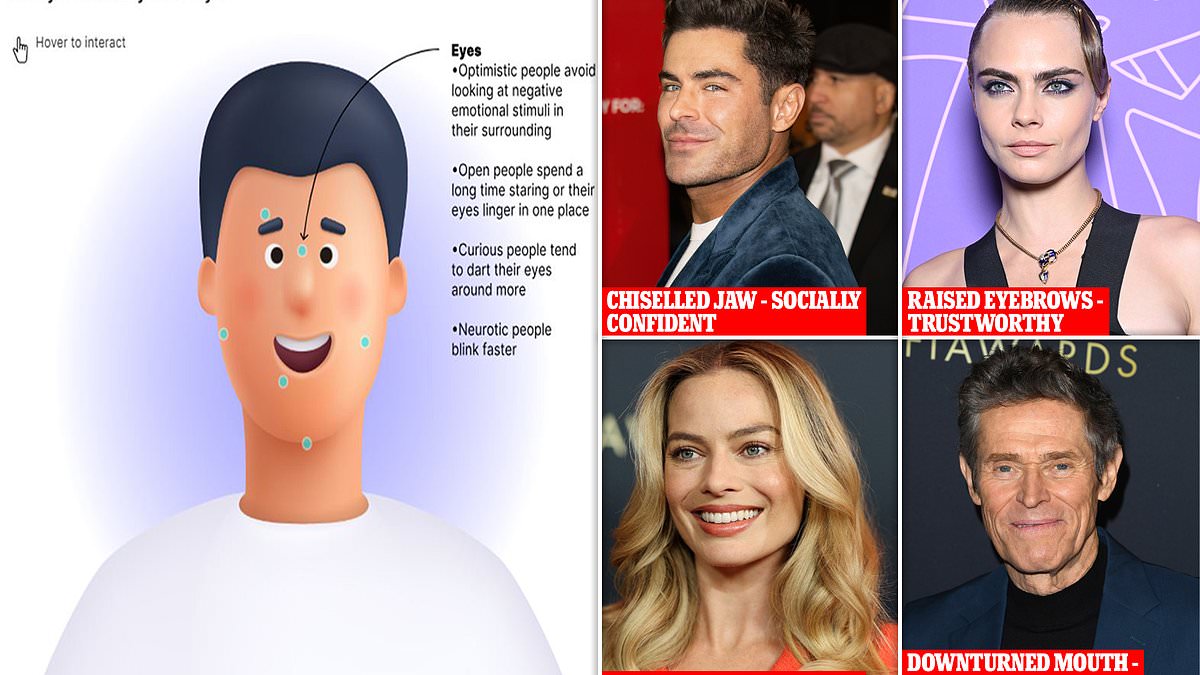
A study reveals that facial features such as eyebrows, mouth, face shape, and jawline can convey hidden details of a person's personality. Raised eyebrows are associated with trustworthiness and warmth, while down-turned mouths are perceived as cold and untrustworthy. Facial width-to-height ratio is linked to dominance and aggression, and eye movements can indicate optimism or neuroticism. These findings suggest that our faces play a significant role in shaping how we are perceived by others.

psychology2 years ago

The Impact of Emotional Context on Face Perception in Social Anxiety

A study conducted in China has found that individuals with social anxiety disorder process facial expressions differently depending on the emotional context. The research, which focused on the early stages of facial expression processing, revealed that people with social anxiety exhibit distinct patterns in event-related alpha power when exposed to negative contextual cues paired with angry facial expressions and positive contexts paired with neutral expressions. The study highlights the importance of accurate emotional interpretation in social interactions and suggests that understanding the interplay between social anxiety, language context, and facial expression processing could lead to targeted therapeutic strategies. However, the study's findings may be limited to a specific population and static facial expressions, and further research is needed to explore dynamic expressions and cross-cultural differences.

gaming2 years ago

"Baldur's Gate 3 Glitch Terrifies Players with Horrifying Mouth Bug"

Players of Baldur's Gate 3 were shocked when a glitch caused characters in the game to have horrifying facial expressions, resembling a horror movie. The glitch, which some players compared to the Mouth of Sauron from The Lord of the Rings, didn't upset players, who appreciate the game's unlimited possibilities and unexpected turns, even if they are glitches.

animal-behavior2 years ago

Decoding Cats: Understanding Their 300 Facial Expressions and Communication

Cats have nearly 300 facial expressions, with the majority being surprisingly friendly towards other cats. A study observed 53 domestic cats and identified 126 friendly and 102 unfriendly facial expressions. Cats display a range of expressions, including a "play face" that they share with humans. The study found that certain muscle movements, such as flattened ears and narrowed pupils, indicate potential aggression. Understanding these facial expressions can help owners better interpret their cat's behavior and provide appropriate care.

technology2 years ago

"Mastering Best Take on Google Pixel 8 and Pixel 8 Pro: A Guide"

Google Photos' new editing tool, Best Take, allows users to select the best facial expressions from a series of group photos and combine them into a single frame. Available on the Google Pixel 8 and Pixel 8 Pro, the tool automatically generates suggested face swaps, making it easier to capture the best moments in group shots. Best Take works with burst shots taken within a 10-second timeframe, with clearly visible faces and no obstructions. While it currently only works with human subjects, it is expected to be available on older Pixel phones in the future.

healthtech2 years ago

Cutting-Edge App Uses AI to Screen Toddlers for Autism with 88% Accuracy

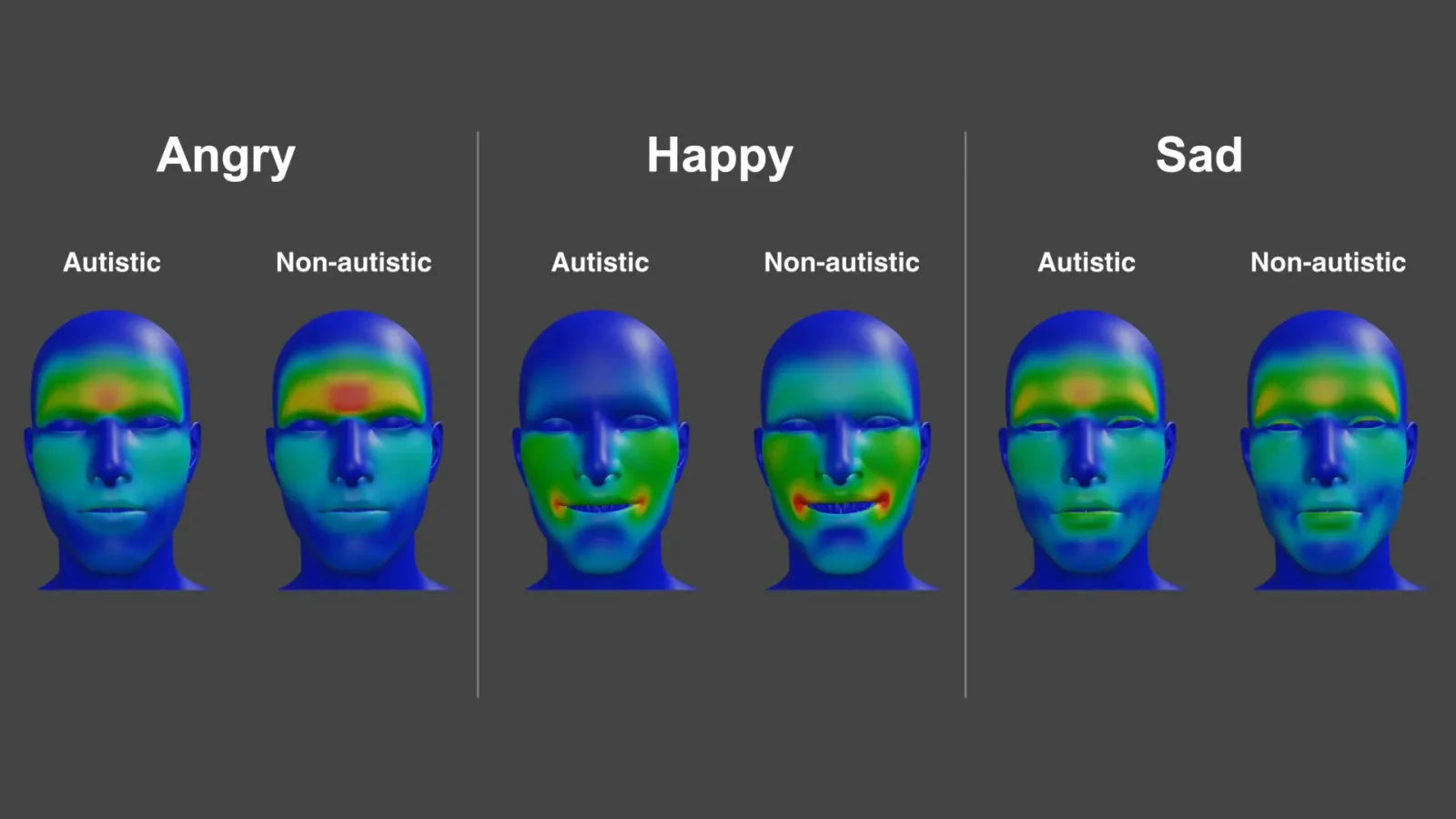
Scientists at Duke University have developed an app called SenseToKnow that can detect autism in toddlers with 88% accuracy. The app analyzes facial expressions while children watch a six-minute video, and parents who receive a "high risk" result are advised to consult a pediatrician for further assessment. The app is seen as a breakthrough in diagnosing autism, which is currently evaluated through surveys that are less effective for girls and children of color. While the app is still being researched, it has the potential to be a valuable tool for early intervention and monitoring of autism spectrum disorder.

mental-health2 years ago

The Impact of Childhood Maltreatment on Facial Emotion Interpretation in Depressed Adults

A study reveals that individuals with major depressive disorder (MDD) who have experienced childhood maltreatment have difficulty understanding and interpreting emotions in others' faces. The research highlights the challenges faced by this subgroup of people with depression and emphasizes the need for tailored interventions to address their specific needs. The findings suggest that childhood maltreatment can influence an individual's ability to decode emotions, particularly positive and negative emotions expressed through facial expressions. Healthcare professionals should recognize these additional challenges in individuals with MDD and a history of childhood maltreatment to provide better support and improve their social interactions and overall well-being.

gaming2 years ago

"Insider Insights: The Reason Behind Starfield NPCs' Lifeless Demeanor Revealed"

A developer has explained why the NPCs in the game Starfield appear to have "dead inside" expressions. According to character and tech artist Delaney King, the issue lies with the orbicularis oculi muscle not contracting properly, resulting in smiles that look fake. This muscle is responsible for creating a genuine smile, and when it doesn't contract, it gives the impression of lying or constipation. King also pointed out another issue with the NPC's eyes, where they move without the upper eyelid covering the upper eye white, making them look terrifying. The developer suggests that these issues can be improved through manual tweaks, but acknowledges the challenges of creating realistic faces in video games.

technology2 years ago

"AI's Deceptive Detection: Facial Expressions and Pulse Rates Unveiled"

Researchers from the Tokyo University of Science have developed a machine learning model to detect deception using facial expressions and pulse rates. The study involved collecting data from four male graduate students who were instructed to make deceptive statements while discussing random images. The researchers used a machine learning technique called Random Forest to build the deception detection model, achieving promising results with accuracy and F1 scores ranging from 75% to 80%. However, the study's limited dataset and small number of participants restrict the overall strength of the findings, highlighting the need for larger and more diverse datasets in future studies.