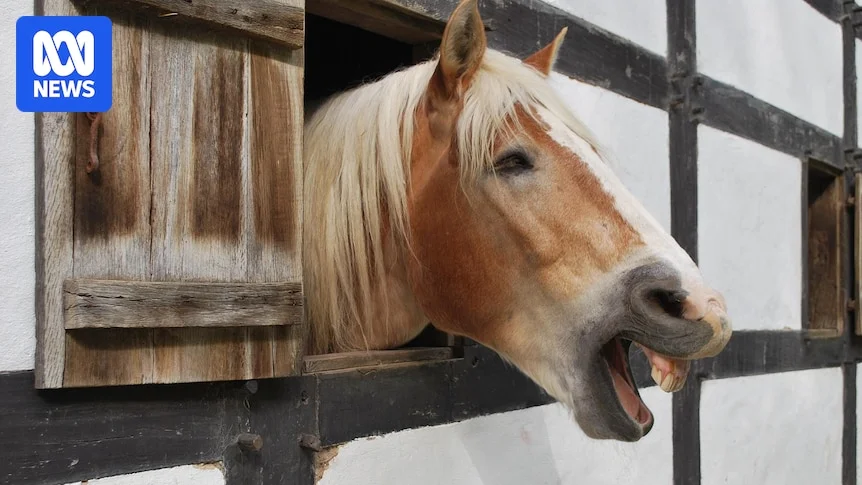
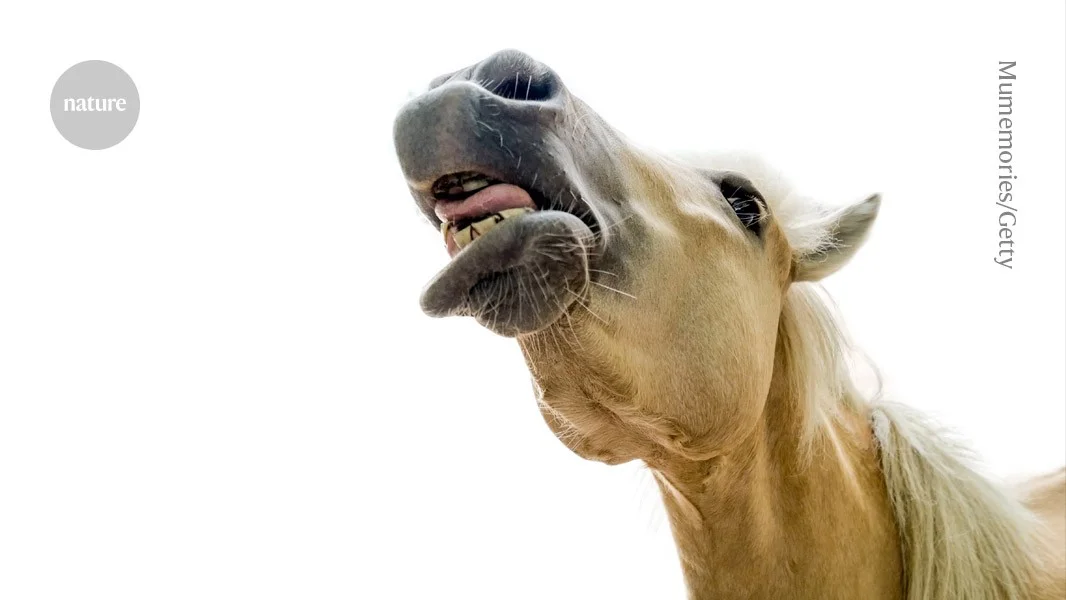
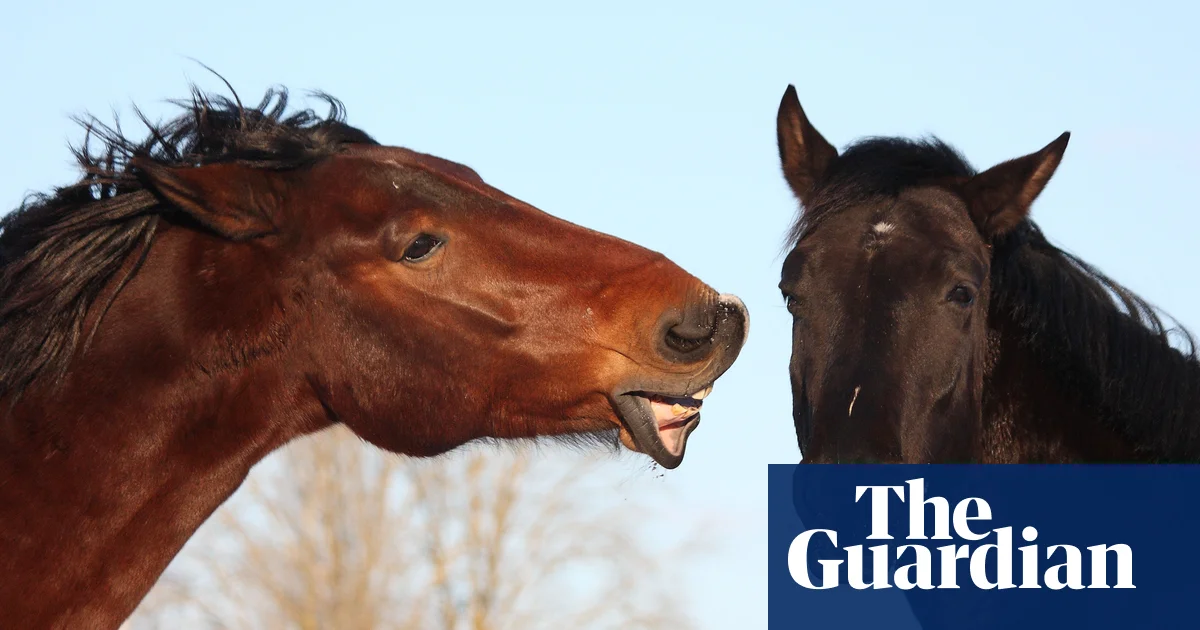
New research shows a horse’s whinny comes from two sources—low-frequency vocal cord vibrations and a whistle-like high pitch from the larynx—revealing a rare mammalian biphonation that may support different communication ranges or express emotion.
Researchers show the horse whinny is produced by two simultaneous sounds: a low-frequency vibration from the vocal folds and a high-pitched whistle created as air passes through laryngeal cartilage. This biphonation—a rare multi-tone vocalization—may convey complex social messages. Endoscopic observations and ex vivo larynx experiments (including helium tests) confirmed the mechanisms, placing horses among a small group of species capable of such vocal tricks.
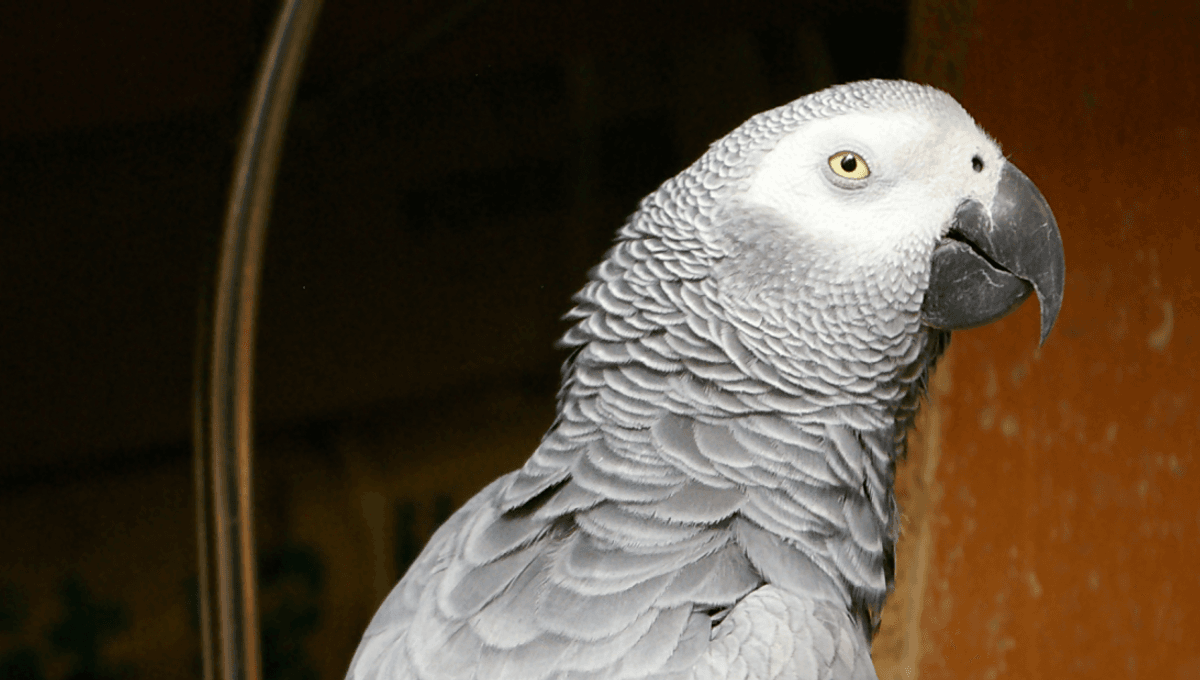
Alex the parrot, an African gray, revolutionized our understanding of animal intelligence through his ability to use words, ask questions, and demonstrate self-awareness, challenging previous beliefs about animal cognition and consciousness.
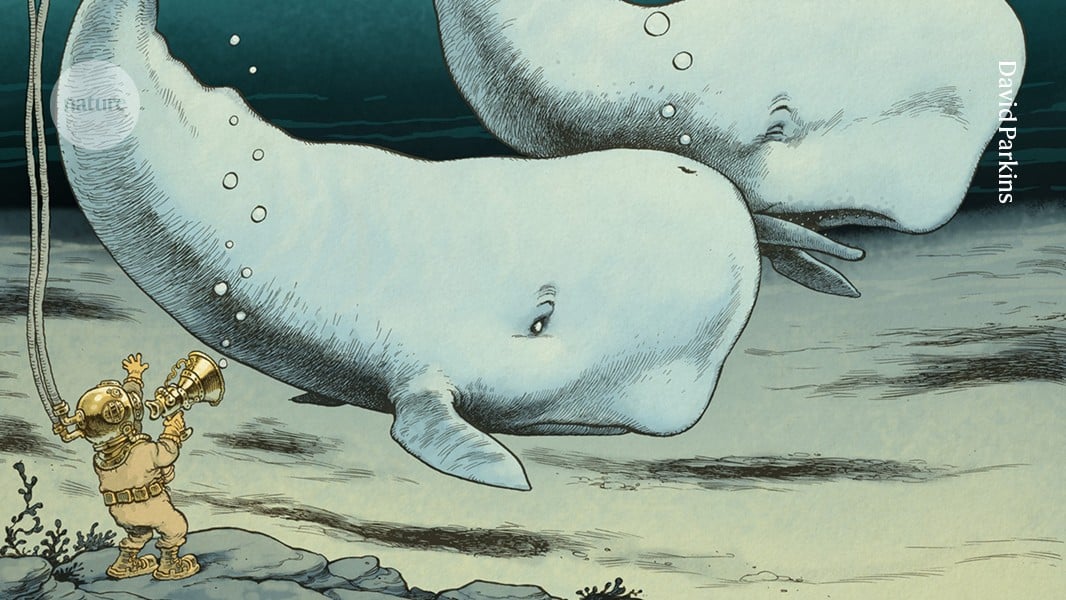
In 1984, scientists at the NMMF observed unusual human-like vocalizations from beluga whales, especially NOC, who could mimic speech by manipulating his nasal passages and melon shape, highlighting the complex vocal abilities of belugas and their unique communication methods.
Scientists are studying and recording the unusual sounds made by fish underwater, revealing that their vocalizations are more mysterious than commonly thought.
AI is being used to decode and understand animal speech, revealing complex communication patterns in species like bonobos, whales, and birds, and raising questions about whether animals can have their own languages or even talk back to humans.
Scientists are developing an 'animal internet' by creating devices like dog phones and touchscreens for parrots to enhance communication and interaction with animals.
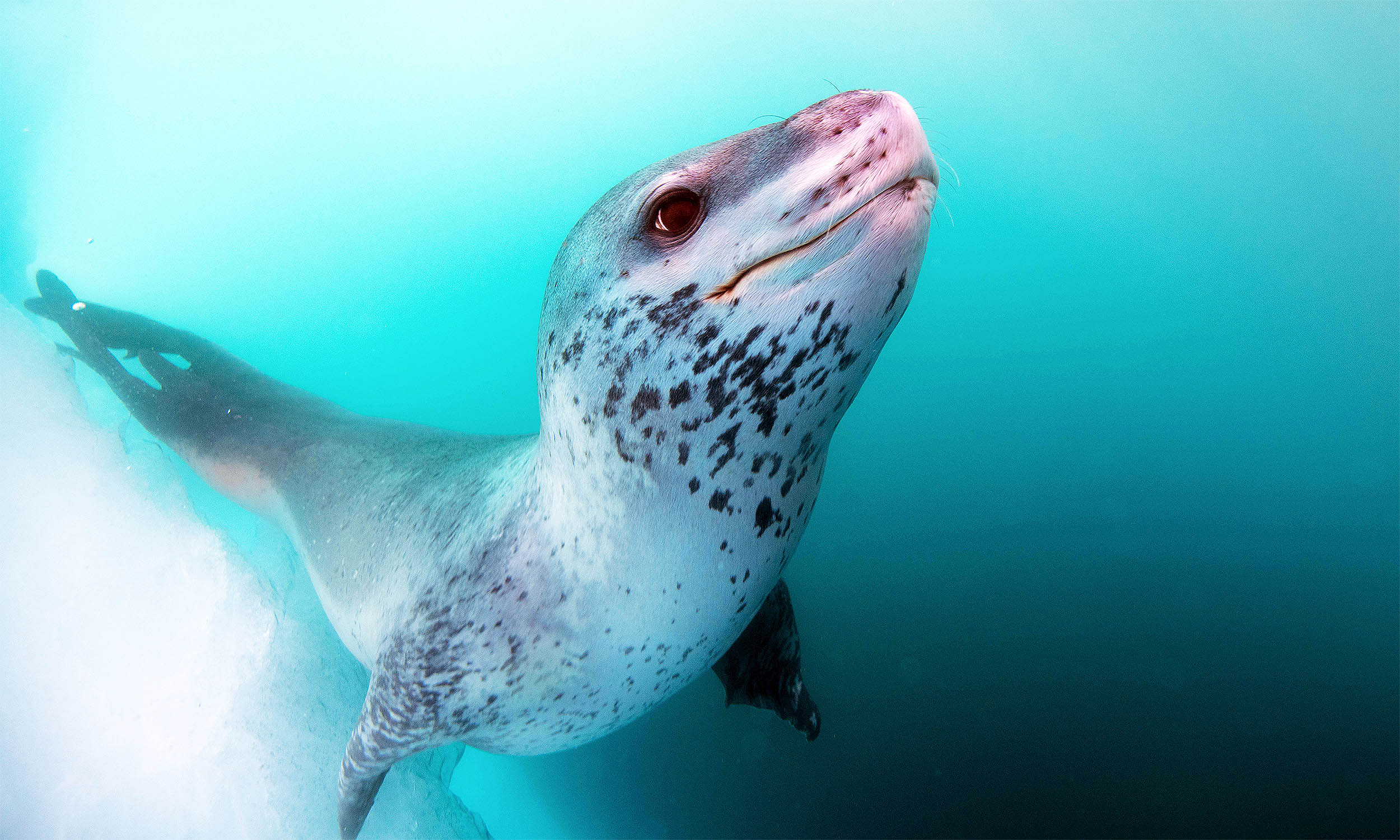
A study reveals that male leopard seals in Antarctica sing structured songs during breeding season, which resemble human nursery rhymes in their predictability and pattern, serving purposes of mate attraction and territorial signaling.
Research shows that male leopard seals in Antarctica sing underwater songs with patterns remarkably similar to human nursery rhymes, likely to facilitate communication and reproductive success, with their songs being highly predictable and structured.
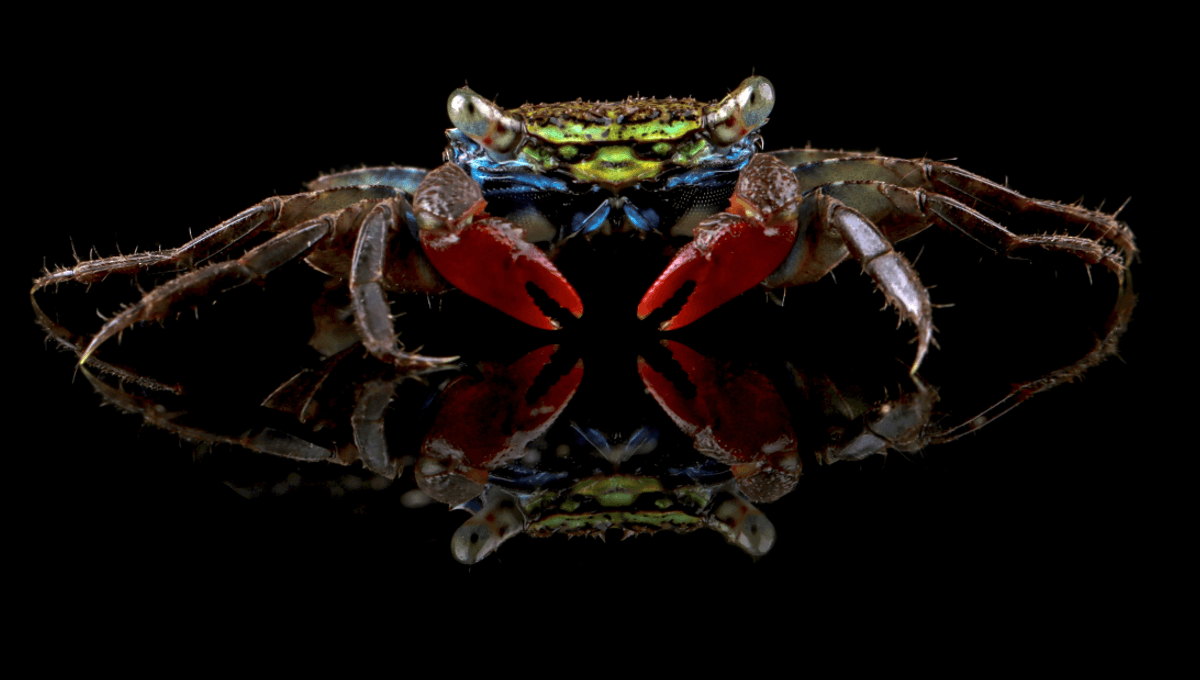
Scientists have discovered that the Parasesarma eumolpe crab in Southeast Asian mangroves emits bioluminescent light from its forehead, primarily for communication and possibly for mate selection and dominance, with the glow originating from diet-derived pigments and enhanced by specialized facial structures.
Research shows that horses use a complex range of facial expressions to communicate, with specific movements indicating different interactions such as friendliness, attention, aggression, or play, highlighting the importance of understanding these cues for animal welfare and insights into mammalian evolution.
Scientists discovered that the face-banded crab, Parasesarma eumolpe, uses its brightly colored facial bands as external light reflectors, functioning like headlamps to communicate with other crabs, a unique form of macro signaling in animals.
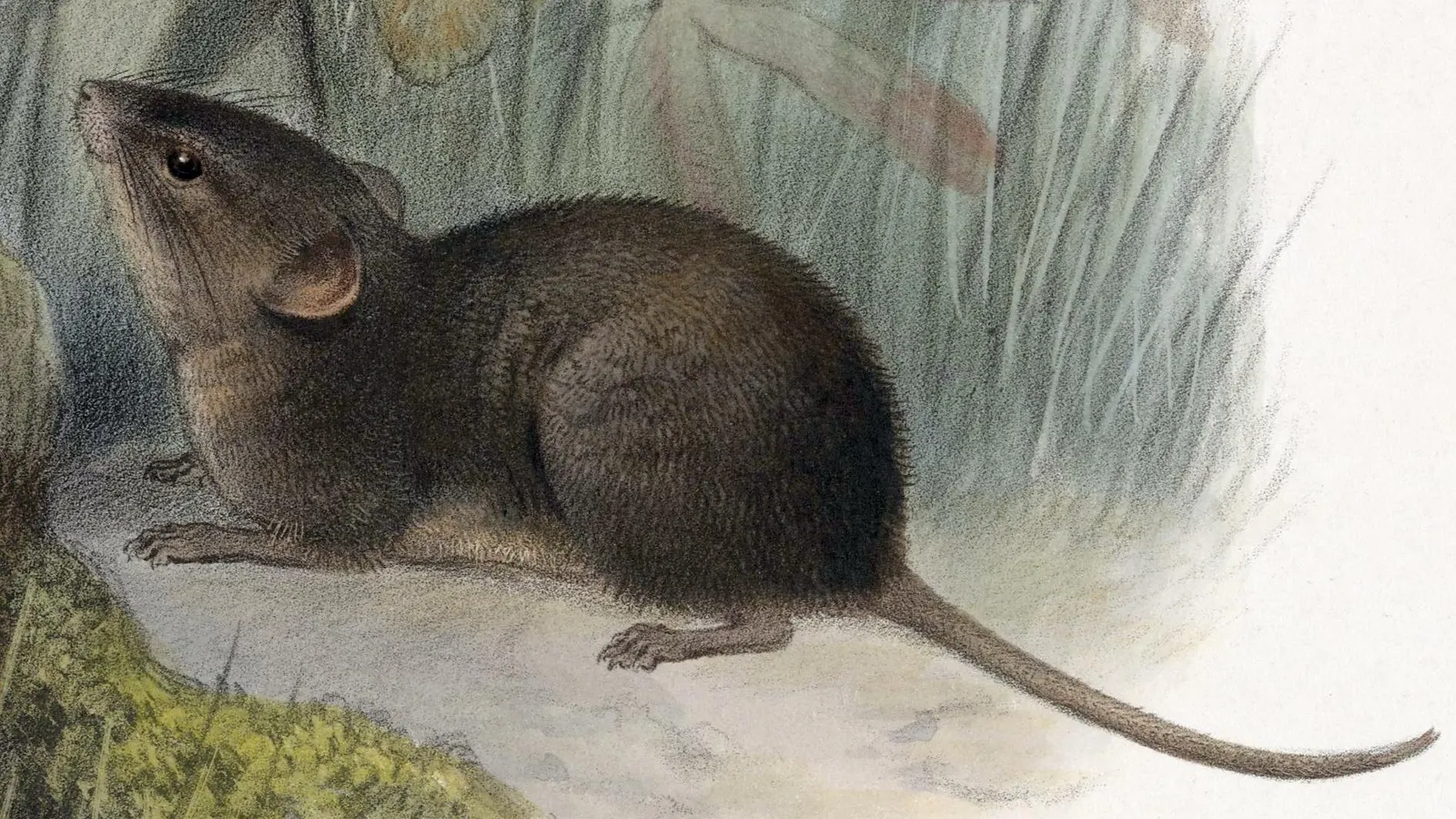
Alston's singing mice, found in Central America's highland cloud forests, are known for their complex vocalizations that serve social functions like territory defense and mate attraction. These mice engage in "sing-offs" to avoid physical confrontations, using precise neural circuits similar to those in humans and songbirds. Their high-pitched songs are an adaptation to avoid predators and are studied for insights into communication and speech disorders, highlighting the evolutionary parallels in vocalization across species.
Researchers at the University of Michigan have developed an AI tool that can distinguish between playful and aggressive dog barks, as well as identify a dog's age, sex, and breed. By repurposing models originally trained on human speech, the team overcame data scarcity challenges and achieved up to 70% accuracy in classifying dog vocalizations. This advancement could significantly enhance our understanding of animal communication and improve animal welfare.
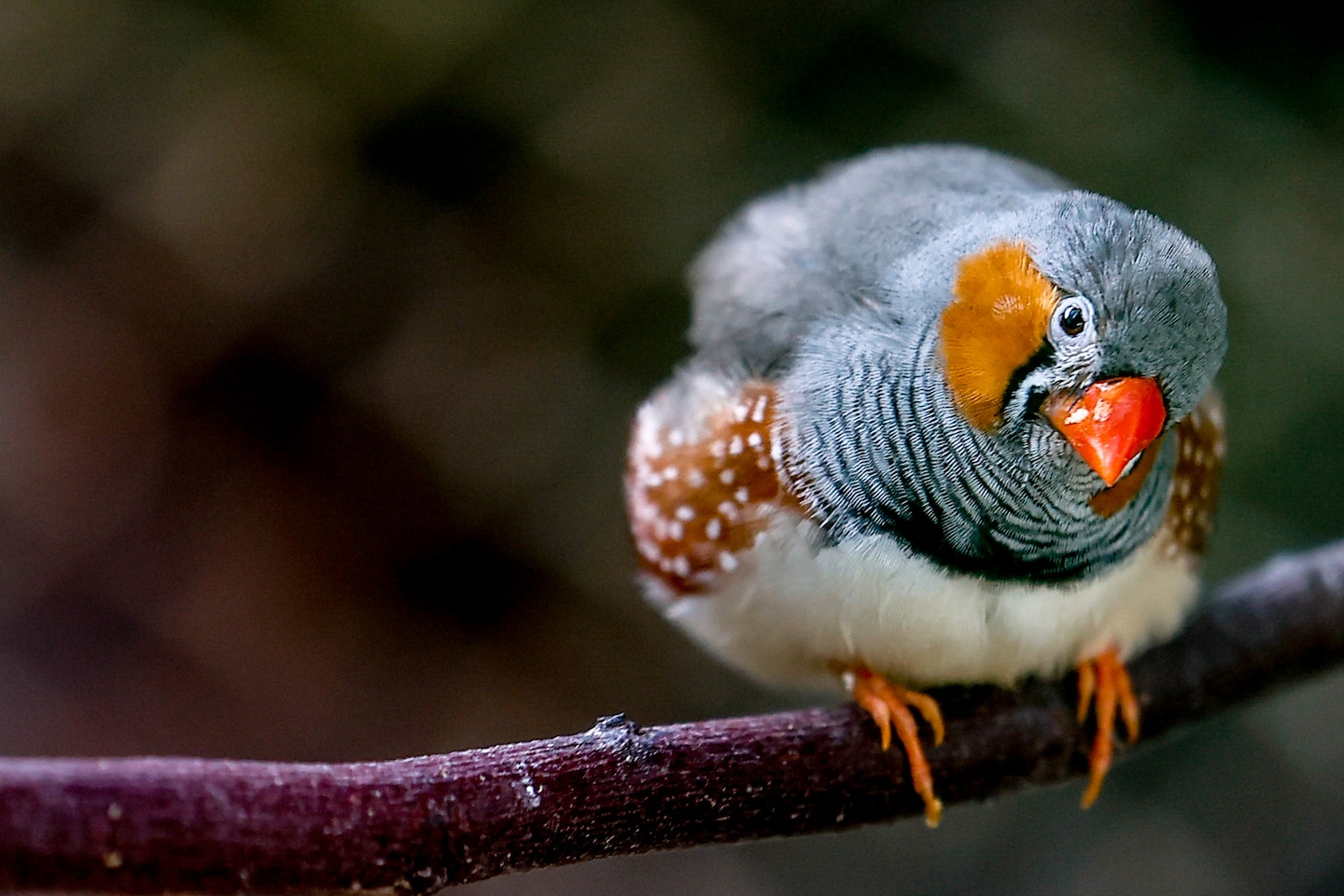
Scientists are using AI and machine learning to understand what makes a birdsong beautiful, particularly in the case of male zebra finches. Research shows that while the songs may sound similar to humans, female finches can distinguish between them based on the complexity of the song. By analyzing spectrograms and using machine learning, researchers found that female finches prefer songs with longer "paths" between syllables. This preference suggests that the complexity of a song may be an honest signal of the male bird's underlying quality, similar to other species where more complex signals are more appealing to potential mates.