Tag

Marine Predator

All articles tagged with #marine predator

paleontology1 year ago

"Demonic Sea Lizard Fossil Unearthed in Moroccan Mine"

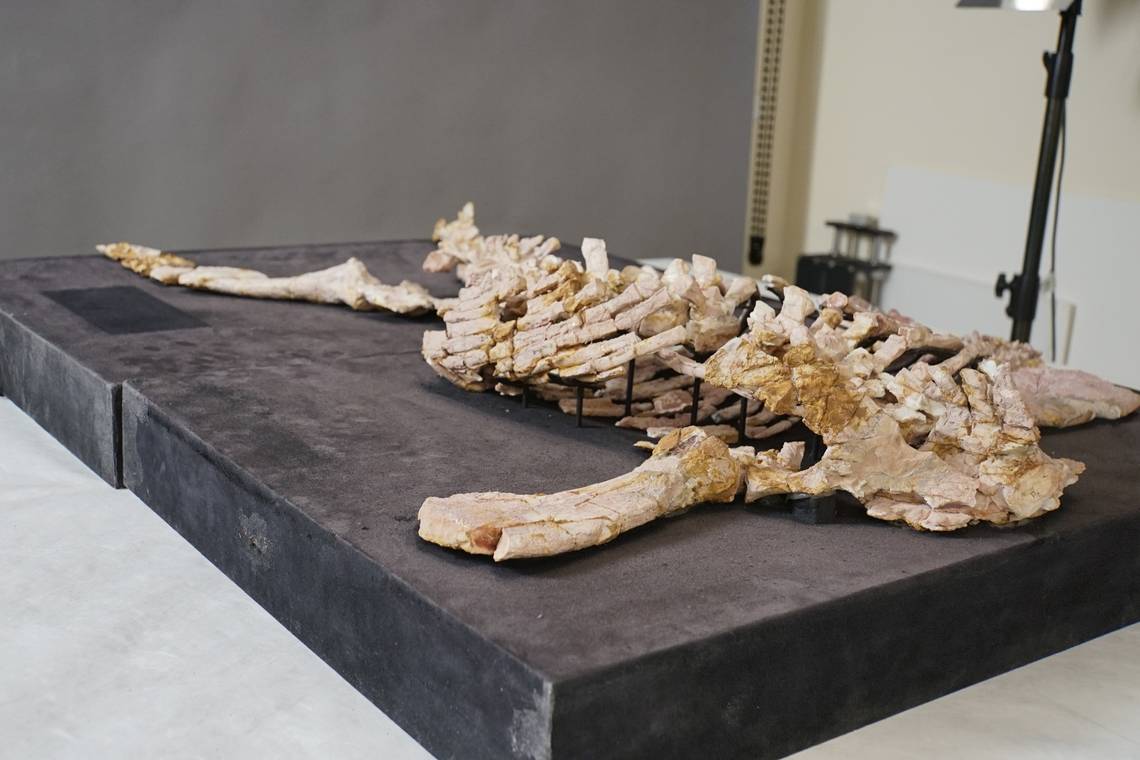
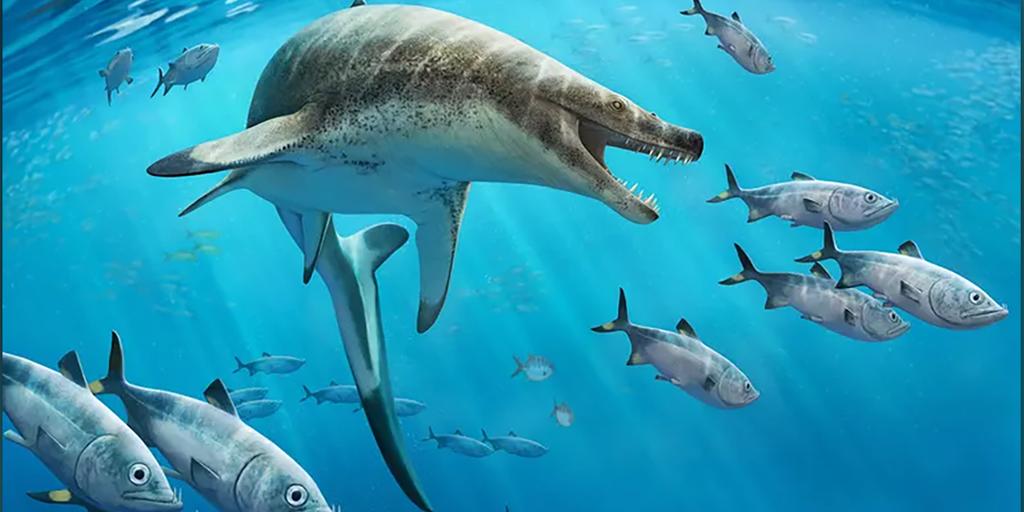
The fossil of a 26-foot-long prehistoric sea reptile, Khinjaria acuta, with "dagger-like" teeth has been discovered in Morocco, shedding light on the diverse top predators that inhabited the oceans 66 million years ago. Belonging to the mosasaur family, this giant reptile coexisted with dinosaurs and was wiped out by an asteroid impact that led to a mass extinction event, paving the way for the rise of modern marine species.
paleontology2 years ago

Ancient Terror: Unveiling the 'Blue Dragon' of the Pacific Seas

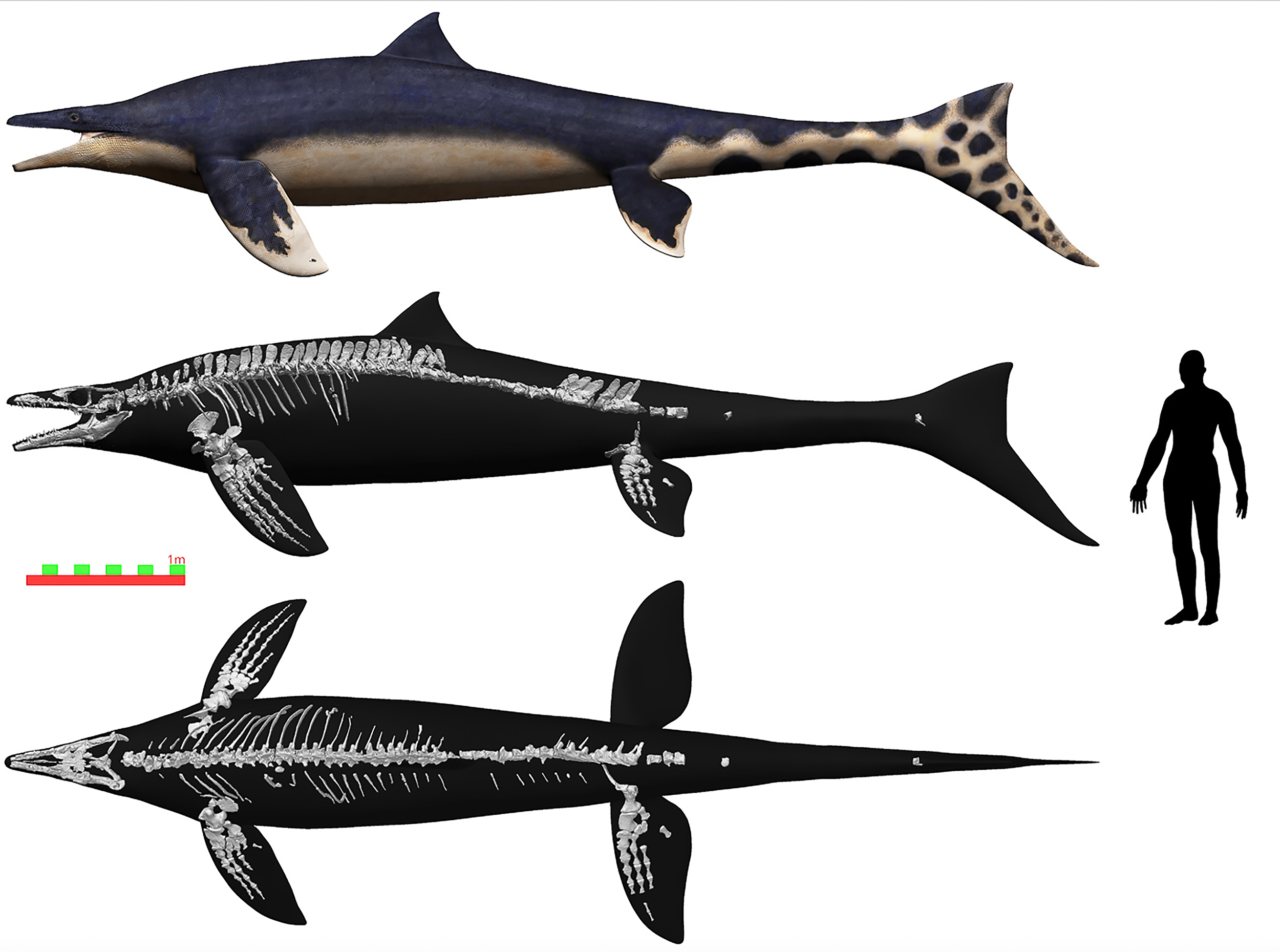
Researchers have discovered a new mosasaur species in Japan called the "blue dragon," dating back 72 million years. Named Wakayama Soryu, this ancient marine predator had unique physical features, including extra-long rear flippers and a shark-like dorsal fin. Its anatomy challenges our understanding of mosasaur locomotion and provides insights into the prehistoric seas of the Pacific. Mosasaurs, including the Wakayama Soryu, were apex predators that lived alongside dinosaurs but became extinct due to an asteroid impact. The discovery of the Wakayama Soryu enriches our knowledge of ancient marine life and opens new avenues for paleontological research.

paleontology2 years ago

The Surprising Dietary Preferences of Canada's Ancient Shrimp

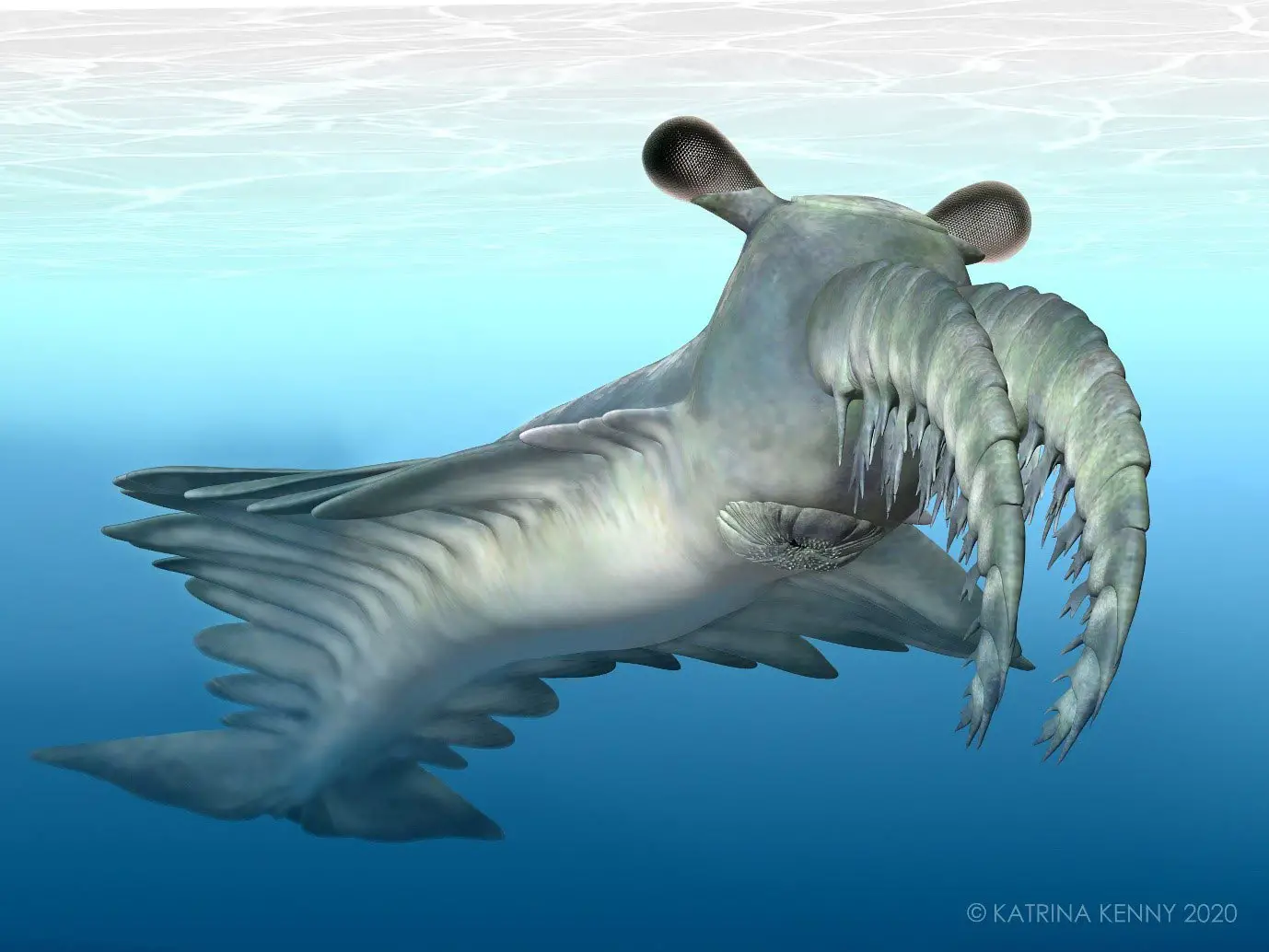
New biomechanical research challenges the notion that Anomalocaris canadensis was an apex predator during the Cambrian era. Using 3D reconstructions and biomechanical modeling, scientists found that its front appendages were not suited for catching hard prey like trilobites, suggesting it primarily fed on softer prey. This study highlights the complexity of Cambrian food webs and challenges previous assumptions about ancient marine ecosystems.

science2 years ago

"Prehistoric Plesiosaur's Final Meal Unveils New Ancient Species"

The stomach contents of a plesiosaur named Eric, who died between 66 and 208 million years ago, have revealed a previously unknown species of fish, according to a study published in Alcheringa: An Australasian Journal of Paleontology. Researchers used X-rays and CT imagery to create a 3D model of Eric's gut, which showed gastroliths and other material the plesiosaur had eaten in his final days. The discovery could help scientists understand changing ecosystems and predict how modern animals such as dolphins or whales might respond to climate change.