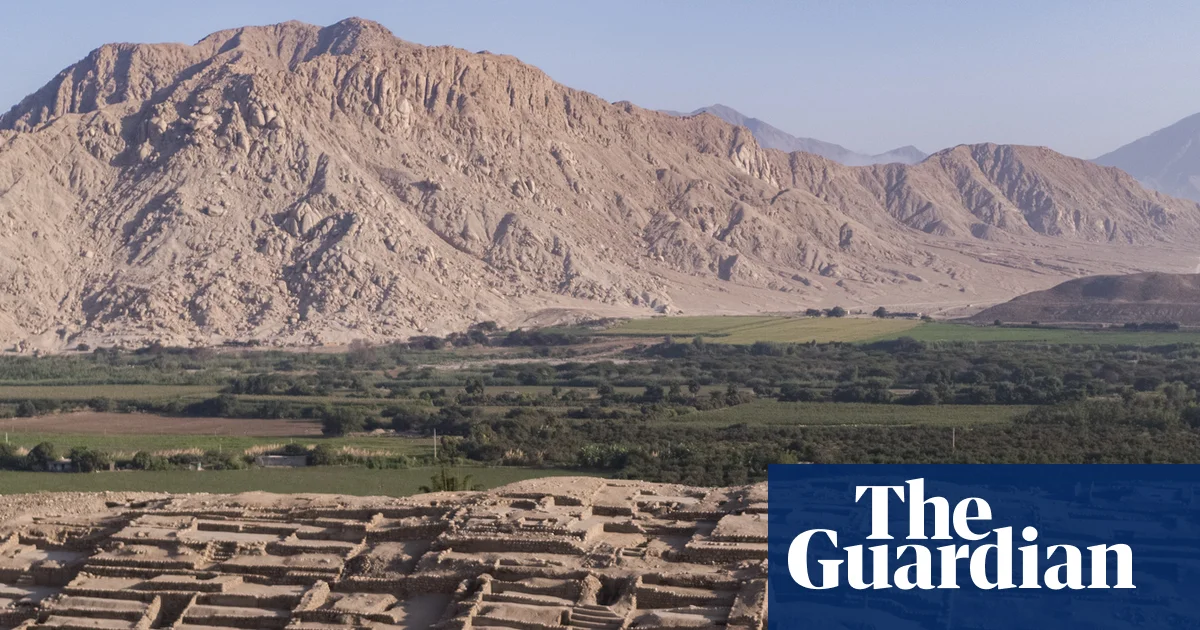
Archaeologists in Peru have uncovered evidence of how the ancient Caral civilization survived a severe drought around 4,200 years ago by relocating and leaving messages and imagery to future generations, demonstrating early adaptation to climate change without violence, and highlighting their sophisticated society and trade networks.
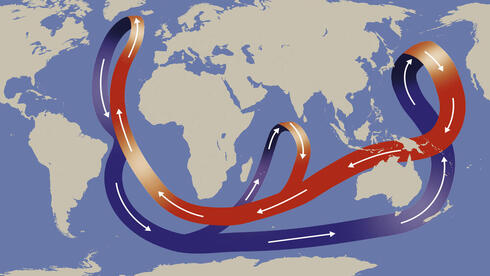
A new study suggests that the collapse of the Atlantic Meridional Overturning Circulation (AMOC) is becoming more likely and could lead to a climate catastrophe, causing long and extremely cold winters in various parts of the world. The shutdown of this key ocean current would significantly impact global weather patterns, leading to temperature changes, disrupted rainfall patterns, and potential food and water shortages. While the exact timing of a potential collapse remains uncertain, experts warn that the consequences could be severe and near impossible to adapt to in some locations.
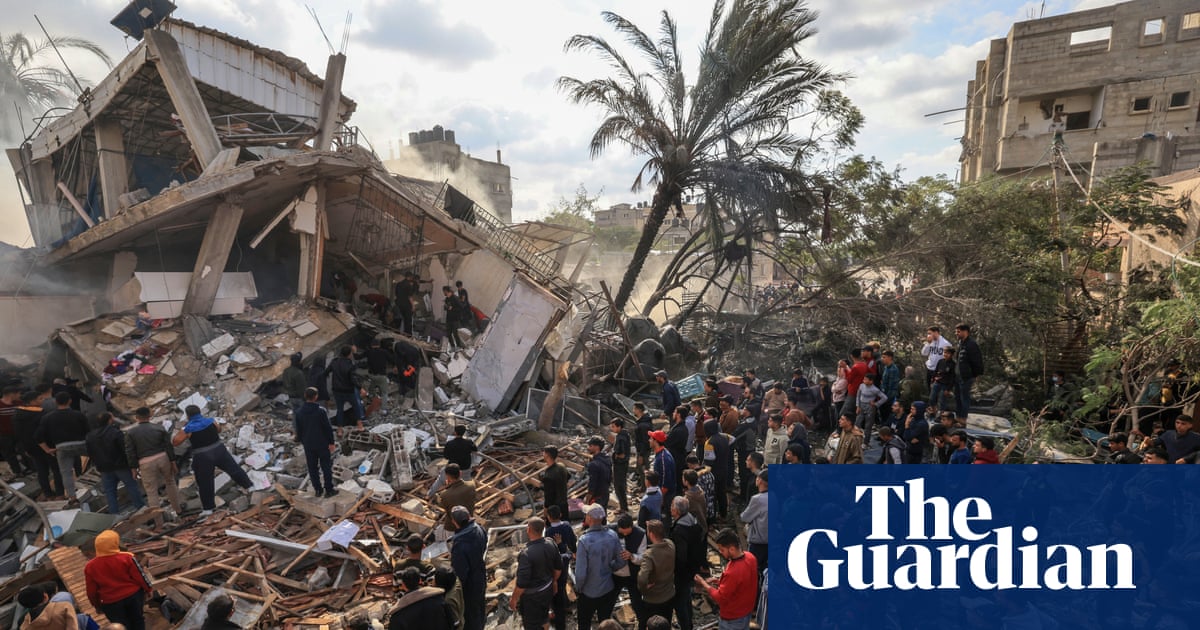
Research reveals that the emissions from Israel's military operations in Gaza during the first two months of the war generated more carbon dioxide than the annual footprint of over 20 climate-vulnerable nations. The study estimates that the carbon cost of the conflict is equivalent to burning at least 150,000 tonnes of coal, with the majority of emissions attributed to Israel's aerial bombardment and ground invasion. The environmental impact of the conflict exacerbates the global climate emergency and poses significant challenges for the region's future, including widespread death and destruction, infrastructure damage, and unprecedented human suffering.
King Charles III of Britain called for annual payments of $5 trillion to prevent a climate catastrophe during his speech at the COP 28 summit in Dubai. He emphasized the need for collaboration between public, private, philanthropic, and NGO sectors to drive climate action. Charles did not provide a breakdown of who should pay or where the funds would go, but suggested they should support sustainable projects. The U.S. pledged an additional $3 billion to the Green Climate Fund, while also committing to phasing out coal plants. Charles urged increased investment in renewable energy and expressed concern about the lack of progress in addressing climate change.
A new study warns that the carbon budget for limiting global warming to 1.5°C will be exhausted before 2030 if current emission rates continue. The risk of climate catastrophes, such as coral reef loss, irreversible ice sheet melting, water shortages, heatwaves, and extreme weather-related deaths, increases beyond this temperature limit. The study attributes the accelerated timeline to progress in reducing aerosol pollution, which slightly cools the planet but masks the effects of burning fossil fuels. While the world has approximately six years left in the carbon budget, starting from January 2023, the study suggests that if emissions are not significantly reduced by then, it may be too late to achieve the 1.5°C target. However, the authors emphasize that running out of the carbon budget does not mean the only time left to address global warming, as efforts to limit warming to 1.6 or 1.7 degrees are still crucial.
Researchers have revealed that the dust fallout from the asteroid impact that wiped out the dinosaurs 66 million years ago played a potent role in driving extinctions. The dust, which blocked photosynthesis for up to two years and remained in the atmosphere for 15 years, was calculated to weigh about 2,000 gigatonnes, exceeding 11 times the weight of Mt. Everest. This study indicates that dust played a larger role than previously known, surpassing the impact of sulfur and soot. The dust, formed from pulverized rock, caused an "impact winter" with plummeting temperatures and collapsing primary productivity, leading to a chain reaction of extinctions. The recovery from the impact winter took about 20 years, and without the asteroid impact, dinosaurs might still dominate the Earth today.