An AI tool developed by researchers at Murdoch Children's Research Institute and The Royal Children's Hospital has significantly improved the detection of tiny brain lesions in children with epilepsy, leading to targeted surgeries that have successfully made some children, like John, seizure-free. The AI, called 'AI epilepsy detective,' enhances MRI and PET scan analysis, allowing for earlier and more precise treatment, which can prevent long-term learning difficulties associated with uncontrolled seizures.
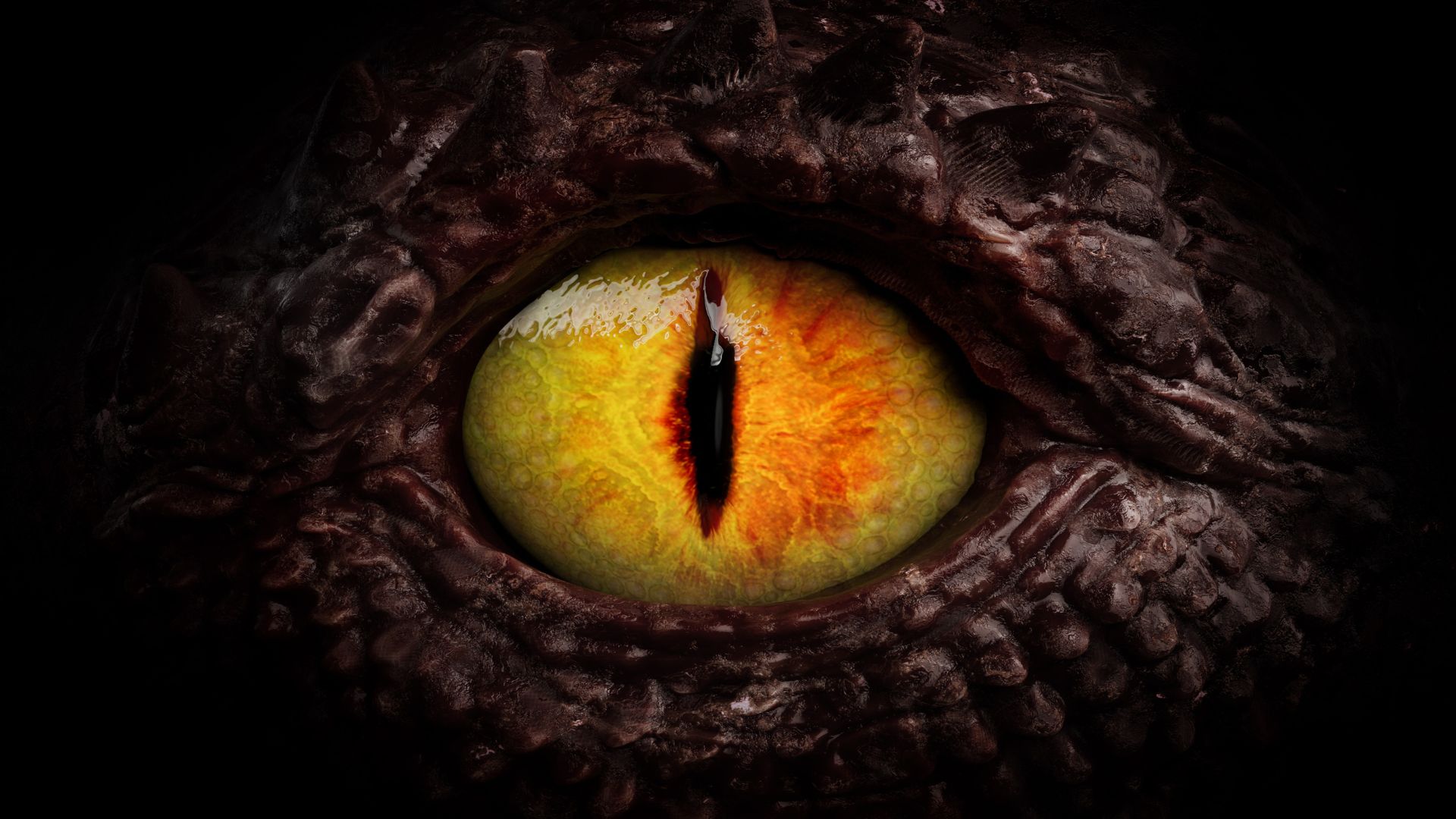
A woman from the Netherlands with a rare neurological condition called prosopometamorphopsia (PMO) perceives human faces as dragon-like creatures due to brain lesions near the lentiform nucleus, which affect face and color processing. Her symptoms, present since childhood, worsened over time and were managed with medication, highlighting the disorder's underreporting and frequent misdiagnosis as schizophrenia or psychosis.
A 52-year-old woman experienced rare visual hallucinations of people as dragons due to brain lesions affecting face perception, diagnosed with prosopometamorphopsia, and her symptoms improved with medication.
A study from the University of São Paulo found that heavy drinkers have a significantly higher risk of brain tissue injury, including lesions and Alzheimer's biomarkers, and tend to die earlier, highlighting long-term brain health risks associated with alcohol consumption.
A study suggests that the T1-dark rim, a feature visible on standard MRI scans of people with multiple sclerosis (MS), could help identify paramagnetic rim lesions (PMLs), which are associated with disease activity and disability progression in MS. This finding could potentially enhance early detection and treatment adjustments for patients at higher risk of disease progression, as it offers an accessible marker for detecting these lesions without the need for advanced imaging techniques. However, further validation and studies are needed due to the small sample size and the relatively high false-positive rate of the T1-dark rim lesions.
Lesions in the brain's memory circuit, similar to those seen in stroke patients, are associated with memory problems in individuals with multiple sclerosis (MS), according to a study. The findings could help identify which lesions are likely to cause memory issues in MS patients, a challenge in previous research. The study suggests that MS lesions causing memory dysfunction connect to a memory circuit, centered on the hippocampus, which extends to other brain regions involved in memory. Patients with more damage to the memory circuit tended to have poorer memory test scores, and those with higher overall lesion volume were more likely to have memory problems. The study may provide insight into the relationship between lesion burden and memory dysfunction in MS.
Researchers have identified a shared brain circuit that may link diverse lesion locations causing epilepsy. By analyzing data from over 1,500 patients with brain lesions, the study suggests that the disrupted connections within the brain circuit, rather than the lesion locations themselves, are crucial in the development of epilepsy. This discovery could lead to improved strategies for predicting epilepsy risk after brain damage and more effective brain stimulation treatments. The identified brain circuit is located deep within the basal ganglia and cerebellum regions of the brain, known to control seizures in animal models of epilepsy.
Increased activation of microglia, the resident immune cells in the brain that contribute to chronic inflammation in multiple sclerosis (MS), is significantly associated with higher levels of neurofilament light chain (NfL) protein, indicating more nerve damage, a study found. The study provides evidence that activated microglia in MS can “contribute to neuroaxonal [nerve fiber] damage resulting in release of neurofilament light (NfL),” and highlights the role of active brain lesions in promoting nerve damage.
InnoCare Pharma's orelabrutinib, an experimental inhibitor of the Bruton's tyrosine kinase (BTK) enzyme, has shown significant reductions in new active brain lesions among people with relapsing-remitting multiple sclerosis (RRMS) in a 12-week interim analysis of a global Phase 2 trial. The trial has met its main goal, overall "supporting further development" of orelabrutinib for MS. Orelabrutinib is expected to ease inflammation and slow MS progression by preventing the activation of immune cell populations implicated in MS, namely B-cells and macrophages.