Strategic fasting, a mindful and structured eating pattern, may be an effective way to lose belly fat by improving how the body stores and uses energy, offering an alternative to simply exercising more or reducing calories.
A study by the University of Sydney reveals that type 2 diabetes causes specific molecular and structural changes in the human heart, including fibrosis and altered energy production, which contribute to a higher risk of heart failure, offering new insights for treatment and diagnosis.
Reducing daily sitting time by just 30 minutes can boost energy and improve metabolism, especially in inactive individuals at risk for heart disease and diabetes, by enhancing the body's ability to switch between fats and carbohydrates for energy.
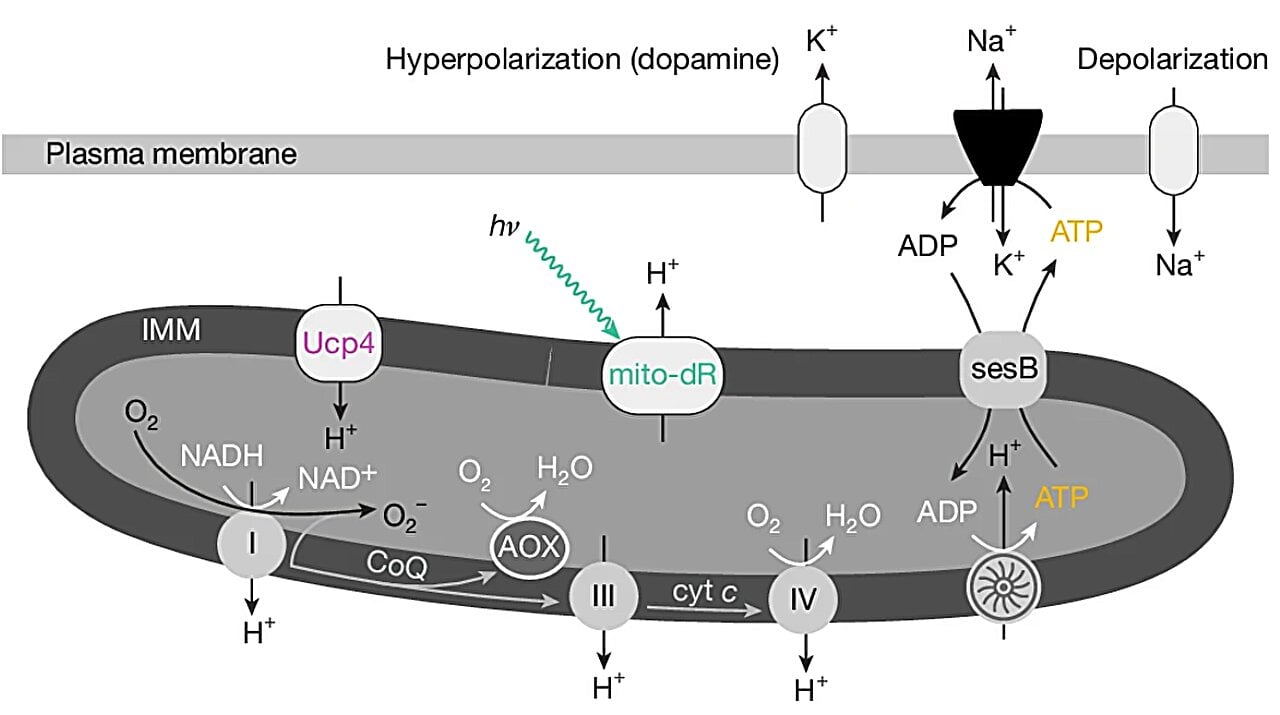
A study from the University of Oxford reveals that sleep may be triggered by electrical stress in mitochondria within brain cells, which leak electrons when overloaded, signaling the brain to initiate sleep to prevent cellular damage. This discovery links energy metabolism directly to sleep regulation and could impact understanding of fatigue, aging, and neurological disorders.
A study by Oxford researchers suggests that sleep is triggered by mitochondrial electron leaks in brain cells, which act as warning signals to restore energy balance and prevent cellular damage, providing a physical explanation for the biological need for sleep.
A study by Northwestern University suggests that gut microbes may have played a crucial role in the evolution of larger brains in primates by influencing energy production and usage. Researchers found that gut microbes from larger-brained primates like humans and squirrel monkeys enhanced energy production in mice, while those from smaller-brained primates like macaques favored fat storage. This indicates that gut microbiota differences evolved to meet the higher energy demands of larger brains, offering new insights into human evolution and the role of gut microbes in shaping metabolic traits.
A new study published in Nature Communications explains the impact of post-exertional malaise (PEM) on long COVID patients, revealing widespread muscle damage, changes in muscle composition, and disrupted energy metabolism after exercise. Long COVID patients experience a unique phenomenon where their ability to generate energy is impaired, leading to a rapid decline in mitochondrial function and metabolism. Additionally, they exhibit changes in muscle fiber composition and an impaired ability to recover from exercise, resulting in muscle damage, scarring, inflammation, and blood clots. The study emphasizes the importance of pacing to minimize the severity and duration of post-exertional malaise for long COVID patients.
A new study suggests that breast cancer cells consume the matrix surrounding them to obtain nutrients and support their growth, revealing a previously unknown mechanism of cancer cell survival. The cells take up and break down extracellular matrix through a process called macropinocytosis, and rely on the metabolic conversion of key amino acids to energy-releasing substrates. Targeting this process could represent a novel therapeutic approach for breast cancer treatment.
Researchers have proposed a new hypothesis that fructose, a sugar found in many modern foods, may be the ultimate driver of obesity. Studies have shown that fructose suppresses the function of mitochondria, leading to a low-energy state that triggers hunger and thirst. This can result in chronic overeating and the storage of excess calories as fat. High-fructose corn syrup in processed foods is a common source of fructose, but other sugars and refined carbohydrates also generate fructose in the body. The researchers suggest avoiding sugary foods, watching salt intake, limiting red meat and alcohol consumption, and engaging in regular exercise to mitigate the effects of fructose. They are also working on developing a drug that inhibits fructose metabolism.
Researchers have created a detailed atlas of the amygdala, a brain structure involved in emotional responses, shedding light on the molecular biology of cocaine addiction. By studying individual cells in the amygdala of rats, the researchers discovered previously unknown connections between addiction behaviors and genes related to energy metabolism. They also tested a drug that targeted an enzyme involved in energy metabolism and neuron signaling, successfully reversing addiction behaviors in rats. These findings have important implications for understanding addiction at the molecular level and developing personalized treatments.