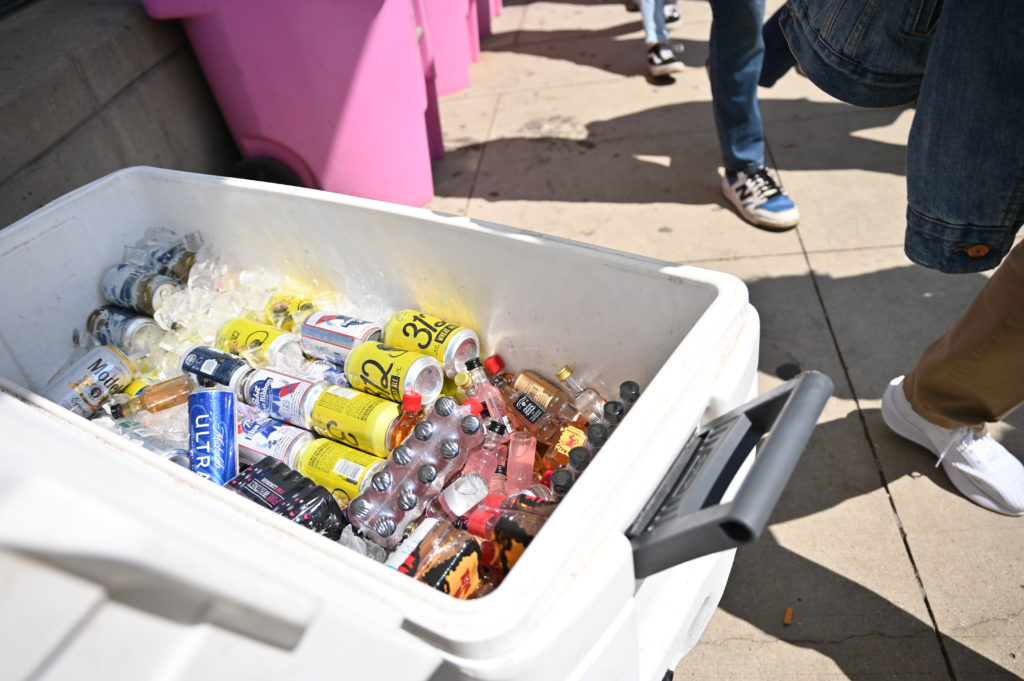
The percentage of Americans who drink alcohol has reached a record low of 54%, influenced by increased awareness of health risks, social changes, and economic factors, with notable declines among young people and women, and a shift towards alcohol-free alternatives.
A Gallup poll reveals that fewer Americans are drinking alcohol, driven by increased awareness of health risks associated with moderate drinking, especially among young adults, leading to a decade-low overall alcohol consumption in the U.S.
Six months into his second term, President Trump's approval rating has dropped to 37%, with independents' support falling to a historic low of 29%. His ratings on key issues are generally poor, and his overall approval is comparable to his first-term lows, indicating waning support outside his Republican base.
Despite a harsh anti-immigration stance from the Trump administration, public support for immigration in the US has reached record highs, with 79% viewing immigration positively, across political lines, and increased support for pathways to citizenship, indicating a shift in perception that could influence future immigration policies.
The article ranks US presidents by their approval ratings at the end of their terms, highlighting Nixon's lowest at 24% and Clinton's highest, with Trump having the second-highest disapproval rating among recent presidents at 62% at the end of his term.
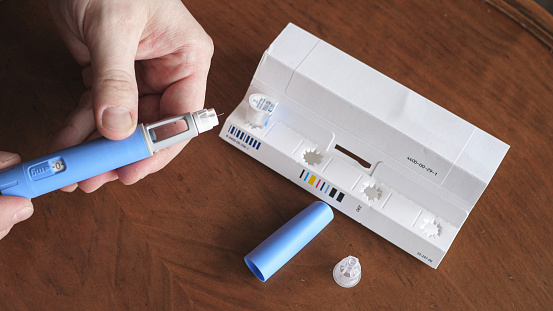
An estimated 15.5 million U.S. adults have used injectable diabetes medications like Ozempic and Wegovy for weight loss, with 6% of Americans having tried them and 3% currently using them. The drugs, approved by the FDA for weight loss in 2021, are reported to be effective by nearly two-thirds of users, though effectiveness is perceived to be lower among older adults. The popularity of these medications has led to shortages and high costs, with a month's supply costing around $1,000 without insurance.
A new Gallup poll reveals that only 26% of Americans report getting at least eight hours of sleep, with 57% saying they would feel better with more sleep. The poll also shows a shift in the last decade towards more Americans feeling they would benefit from more sleep, particularly among younger women. Reasons for the lack of sleep are not entirely clear, but cultural emphasis on productivity and the impact of the pandemic may play a role. Some individuals, like self-employed event planner Justine Broughal, struggle to prioritize sleep due to competing demands. Additionally, post-COVID life has seen the emergence of "revenge bedtime procrastination," where people delay sleep to handle stress.
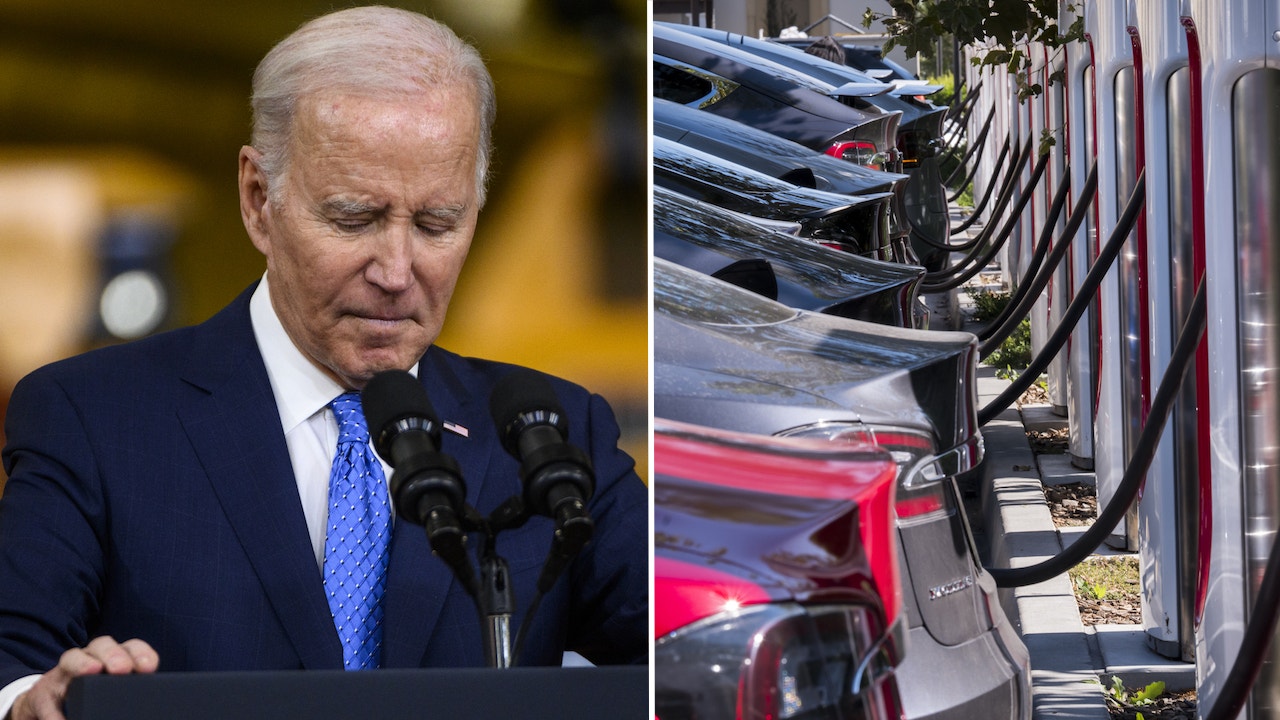
A Gallup poll revealed that the percentage of Americans considering purchasing an electric vehicle (EV) has decreased from 55% to 44%, with just 9% seriously considering it. The data showed income, age, and political ideology disparities in EV consideration. This comes as President Biden aims for 50% of U.S. car sales to be electric by 2030, with the administration finalizing aggressive tailpipe emissions regulations. Oil producers and petroleum refiners criticized the regulations, arguing they would make gas-powered vehicles unavailable or prohibitively expensive. Despite the pushback, EV sales have been increasing, especially in California, which has finalized an aggressive EV mandate.
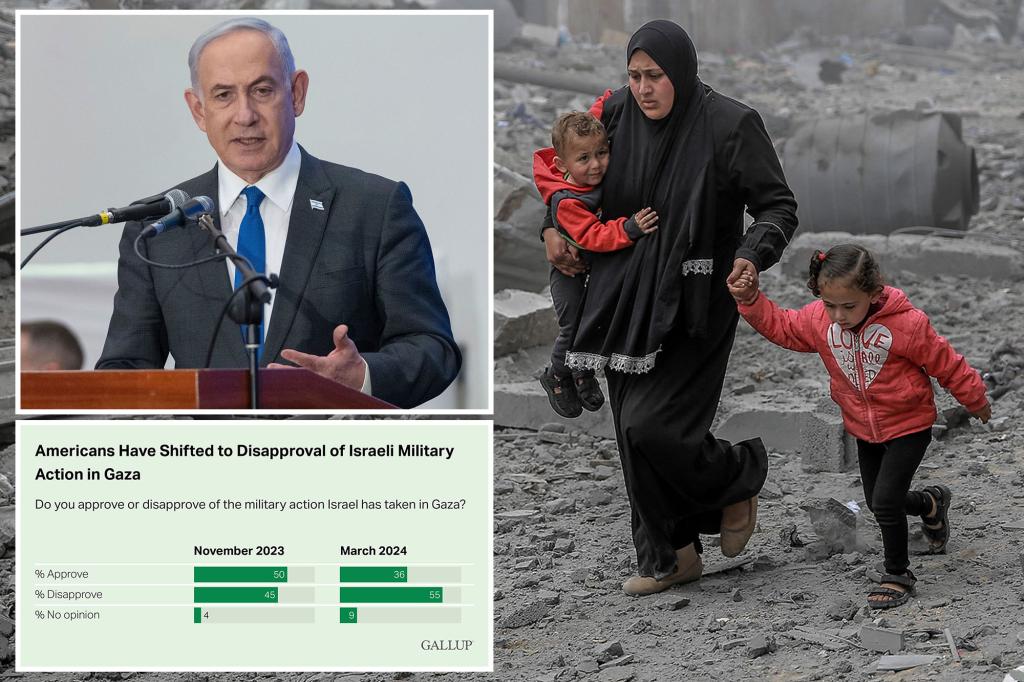
A recent Gallup poll revealed that a majority of Americans disapprove of Israel's military actions in Gaza, marking a significant shift from previous approval ratings. The survey also indicated a decline in pro-Israel sentiment among both Democrats and Republicans. Tensions between the Biden administration and Israeli Prime Minister Benjamin Netanyahu have escalated, with the US allowing a UN Security Council resolution for an "immediate" cease-fire in Gaza and Israeli officials publicly criticizing the move. Negotiations for the release of hostages in Gaza have faced obstacles, and the poll reflects a growing disapproval of the handling of the Middle East conflict by the Biden administration.
A recent Gallup poll shows a decline in American approval of Israel's actions in Gaza, with 55% disapproving and 36% approving. The poll was conducted before the United Nations Security Council passed a resolution calling for a cease-fire. Political division over approval remains clear, with Republicans overwhelmingly approving and Democrats mostly disapproving. President Biden's handling of the situation also received low approval ratings, with 16% from Republicans and 47% from Democrats. The poll suggests a significant drop in support for Israel among Democratic voters, with some critics arguing that Biden has been too closely aligned with Israel.
A Gallup survey shows that American disapproval of Israel's military action in Gaza has increased to 55%, while approval has dropped to 36%. The majority of U.S. adults are closely following the situation, with Democrats and independents showing decreased support for Israel's actions. President Biden's handling of the conflict receives low approval ratings, particularly among Democrats, but his overall job approval remains steady. The issue does not rank highly as a critical threat to U.S. vital interests, but it could impact voter turnout among Biden supporters who are upset with his handling of the situation.
Americans' views of both Israel and the Palestinian Authority have worsened in the past year, with favorable opinions of Israel dropping to the lowest level in over two decades and positive opinions of the Palestinian Authority also declining. The war between Israel and Hamas has made Americans less positive toward both sides, leading to divided opinions on which side the U.S. should pressure more to end the conflict. Despite underlying pro-Israeli sympathies remaining unchanged, the Biden administration faces policy challenges as Democrats tend to side with the Palestinians more than the Israelis, and young adults show much less positive views toward Israel.
A new Gallup poll shows that immigration is now considered the most important issue facing the U.S., with 28% of respondents citing it as the top concern, up from 20% a month ago. The increase is largely attributed to Republicans, with 57% selecting immigration as the top issue. This comes amid ongoing debates in Washington over immigration and border policy, with House Republicans recently blocking a bipartisan border bill. The poll also revealed that 20% of respondents ranked "Government" as the top issue, marking a shift from previous months where it consistently held the top spot.
Immigration has surged to the top of the most important problem list for Americans, with 28% naming it as the top issue, surpassing the government, economy, and inflation. A bipartisan group of congressional senators reached an agreement on an immigration reform proposal, but it ultimately failed to pass a Senate vote. A record-high 55% of U.S. adults see large numbers of immigrants entering the U.S. illegally as a critical threat. Congress' job approval rating has fallen to 12%, the lowest since 2015, and Americans' economic sentiments remain more negative than positive. Despite improved economic evaluations, Americans remain largely dissatisfied with the state of the nation and federal leaders' performance.
A Gallup poll has revealed that the physical and mental health of Americans has significantly declined since the COVID-19 pandemic. The study found that eating habits have deteriorated, leading to substantial weight gain and increased rates of obesity. Rates of diabetes have also reached a new high. Additionally, nearly 1 in 5 Americans are battling depression post-pandemic. The consumption of healthy food, including fruits and vegetables, has decreased, and high cholesterol rates have risen. The report emphasizes the need for urgent action to prioritize healthy eating and improve overall well-being.