Originally Published 3 months ago — by Wolf Street
Inflation is rising in the US services sector, with the PCE Price Index showing acceleration, despite Fed Chair Powell's claims to the contrary, while durable goods prices continue to decline, reflecting changing consumer behavior and market conditions.
Originally Published 4 months ago — by Wolf Street
Inflation in core services, which account for two-thirds of consumer spending, continues to accelerate, driven by non-housing services, while durable goods prices, affected by tariffs, have turned negative. Overall, inflation remains above the Fed's 2% target, with services inflation being particularly persistent and difficult to control, and companies still enjoying high profits despite the challenging pricing environment.
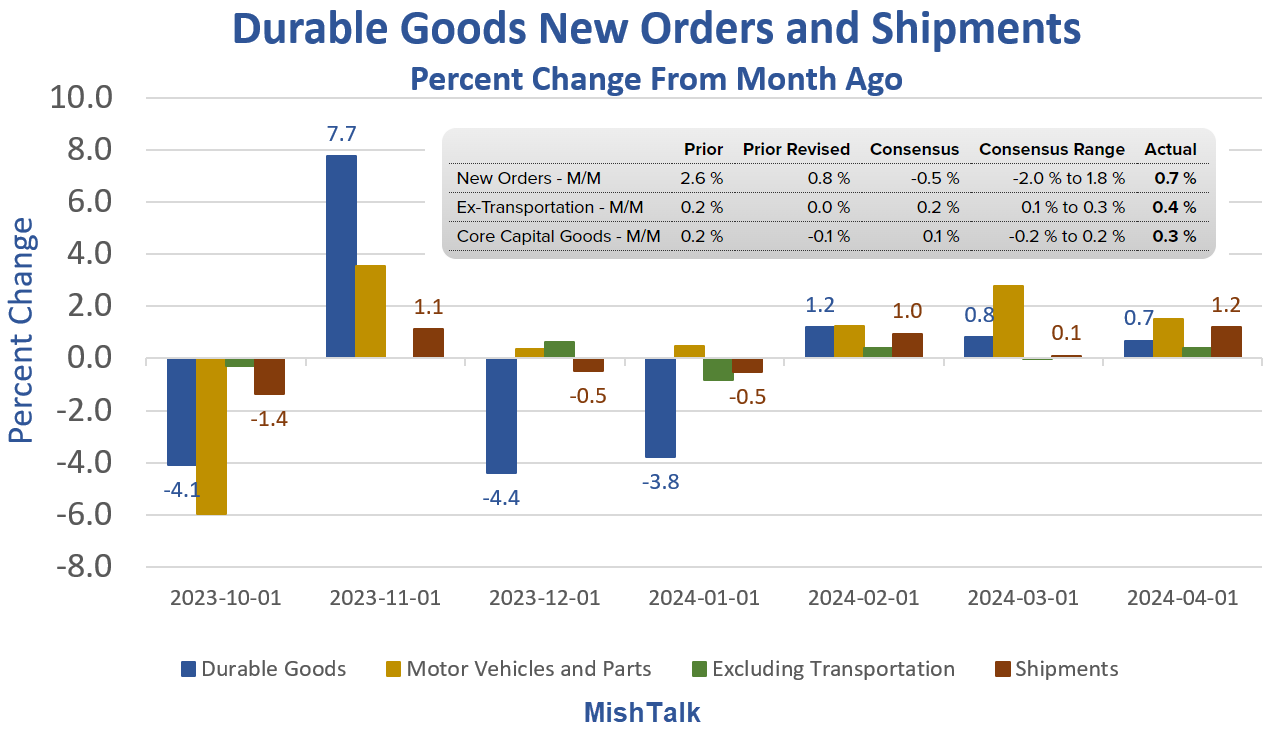
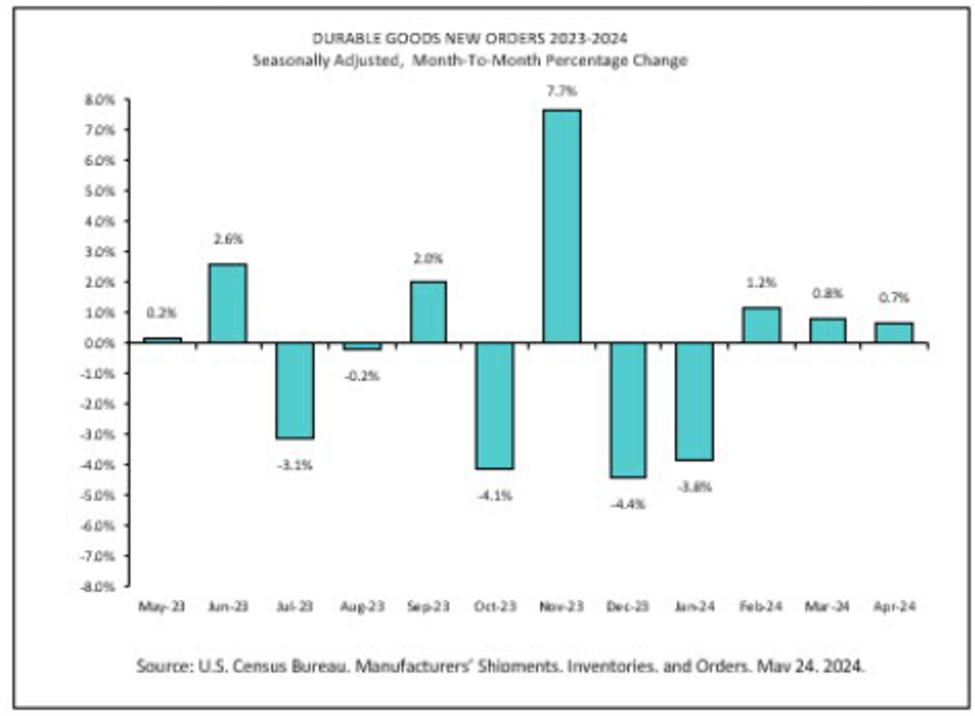
The Commerce Department significantly revised March durable goods orders from +2.6% to +0.8%, and April saw a 0.7% increase, driven mainly by transportation equipment. Despite these gains, inflation-adjusted data shows that real new orders and shipments are declining, indicating potential economic weakness. Consistent negative revisions in economic data, including new home sales and job reports, suggest a possible recession.
US durable goods orders rose by 0.7% in April, surpassing the expected -0.8%, marking the third consecutive monthly increase. Transportation equipment led the rise with a 1.2% gain. Excluding transportation, orders were up 0.4%, and shipments increased by 1.2% month-on-month. However, these figures can be volatile, as evidenced by last month's preliminary 2.6% gain being revised down to 0.8%.
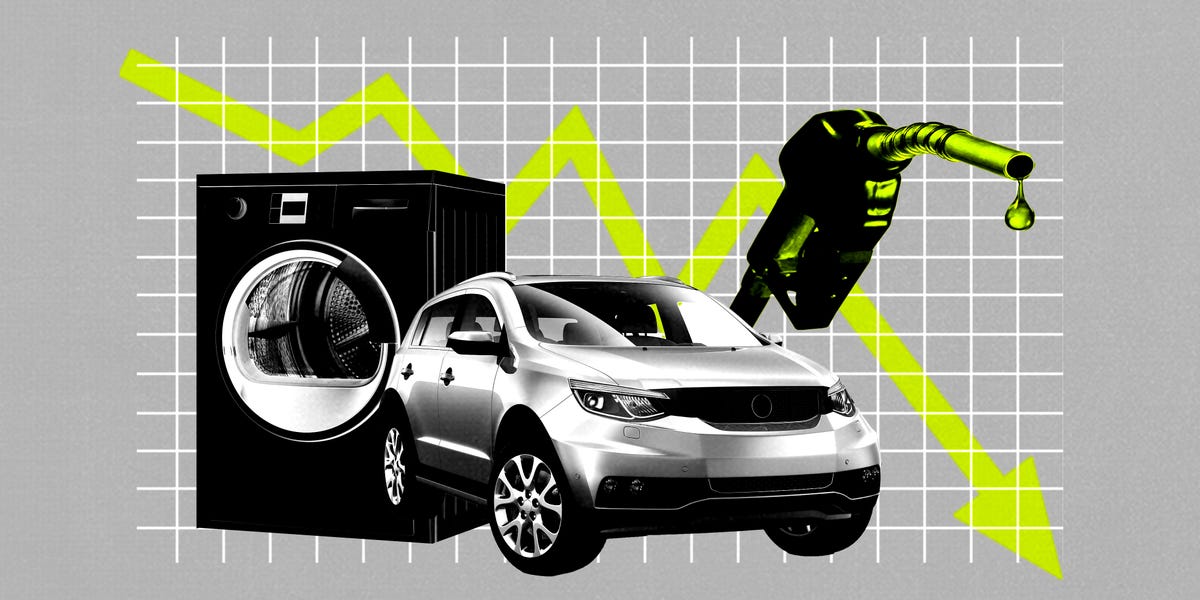
While inflation remains above the Federal Reserve's target, the prices of durable goods, such as used cars and appliances, have been falling. However, many Americans may not feel the impact as they are spending more on experiences and limiting purchases of goods. Groceries, healthcare, and other daily expenses continue to inflate, putting a strain on Americans' wallets. Although some items are getting cheaper, overall inflation and rising prices for services are still making many Americans feel the financial pressure.
Durable goods new orders in the US fell by 5.4 percent in October, but the headline number is not as bad as it seems due to wild swings in aircraft orders. Excluding transportation, new orders were virtually unchanged, while shipments of durable goods decreased by 0.9 percent. Motor vehicles and parts, as well as core capital goods, were down for two consecutive months. Inflation, particularly in rent and food prices, continues to impact the economy.
The stock market experienced further losses, with major indexes declining and remaining below their moving averages. August durable goods numbers showed improvement but were not enough to reverse the selling trend. Pool equipment stock Hayward Holdings rallied over 8% after being added to the S&P SmallCap 600 index. Other stocks in action included Arch Resources, Tidewater, Stride, Costco Wholesale, Meta Platforms, Amazon.com, MillerKnoll, Mattel, XPO, Levi Strauss, and ChargePoint Holdings. Investors are awaiting inflation data and the August personal income and outlays report.
US factory orders for manufactured goods dropped 2.1% in July, marking the first decline after four consecutive monthly gains. Economists attribute the decrease to higher interest rates impacting business equipment spending. Durable-goods orders fell 5.2%, while non-durable goods orders rose 1.1%. US stocks traded lower following the long holiday weekend.
Services inflation in the UK has spiked to a 40-year high, driven by increases in insurance, rents, transportation services, healthcare services, and hospitality. This surge in services inflation is a global phenomenon, with similar price spikes occurring in the Eurozone. In contrast, inflation in durable goods and food has cooled, partly due to the resolution of supply chain disruptions. The overall Consumer Price Index (CPI) in the UK rose by 6.8% in July compared to a year ago, the smallest increase since February 2022, primarily due to plunging motor fuel prices. However, the persistent inflation in services suggests that the downtrend in overall CPI may be short-lived.
The core PCE price index, the inflation measure favored by the Fed, remained stuck near 4.6% for the sixth consecutive month, while core services inflation stayed at a 38-year high of 5.4%. Durable goods prices, which had been dropping, rose again due to a spike in motor vehicle prices. Energy prices plunged, contributing to a decrease in the overall PCE price index. Food prices saw a slight increase, while the overall PCE price index rose by 3.8%, the lowest since April 2021.
US factory orders rose 0.4% in April, marking the fourth increase in the past five months, led by transportation equipment. Excluding that sector, orders were down 0.2%. Durable-goods orders rose 1.1% in April, while nondurable-goods orders fell 0.1%. Orders for nondefense capital goods, excluding aircraft, rose a revised 1.3% in April, led by computers and machinery.
The core PCE price index, the inflation index favored by the Fed, re-accelerated in April, remaining near the 5% level for nearly a year, as inflation shifts from category to category. Services inflation re-accelerated in April, driven by spikes in healthcare and housing costs, while durable goods prices rose, driven by a jump in motor vehicles and parts. The PCE price index for gasoline and other energy goods spiked in April, while the PCE price index for food was roughly unchanged. The overall PCE price index re-accelerated to an increase of 4.4% in April compared to a year ago, pushed down by the year-over-year plunge in energy prices.
Gold prices remain steady around $2,000 an ounce despite strong-than-expected US durable goods data, with June gold futures trading at $2,008.70 an ounce, up 0.21% on the day. While economists expect recession fears to ease, some analysts note further weakness in the manufacturing sector as core durable goods, excluding transportation and defense spending, fell 0.4% last month, down from February’s 0.2% increase.
The major stock market indexes posted gains on Friday, with the Dow Jones Industrial Average up 0.4%, the Nasdaq up 0.3%, and the S&P 500 up 0.6%. Deutsche Bank's sell-off caused a decline in US big bank stocks. The February durable goods report showed a 1% fall in orders, while the March flash S&P Global Purchasing Managers' Index composite output index hit a 10-month high. Regeneron Pharmaceuticals rose 2.2% following a successful final-phase study on its "smoker's lung" treatment, while Mondelez rose 2.7%. Apparel retailer Oxford Industries fell 12.7% after giving disappointing Q1 earnings guidance.