The Federal Reserve is expected to cut interest rates more in 2026 due to a weakening US job market and slowing growth, which could boost gold and challenge the dollar, with the next Fed chair's policies playing a crucial role.
Stocks started 2026 positively amid thin holiday trading, with precious metals extending their rally driven by rate cuts and geopolitical factors. Investors are focused on the Fed's policy path and U.S. economic data, while currency markets show a weaker dollar amid expectations of easing and concerns over Fed independence under the new presidential administration.
The US dollar is on track for its worst year since 2017, declining about 8% due to Fed policy uncertainty and potential interest rate cuts, with investor sentiment heavily influenced by the upcoming Fed chair appointment and global rate differentials.
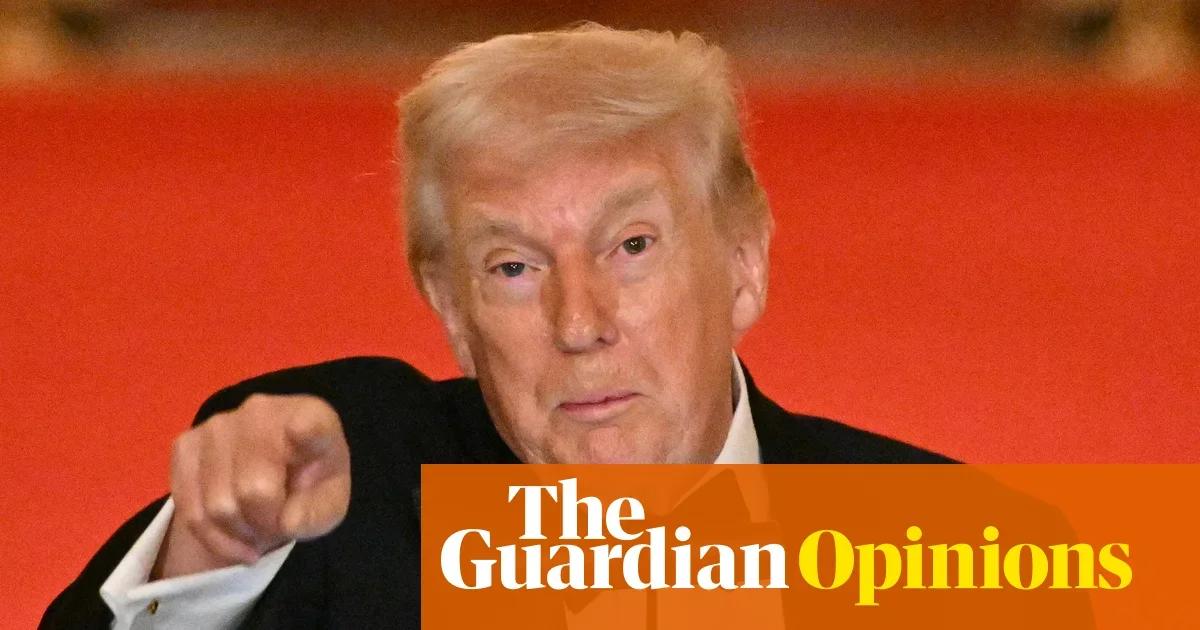
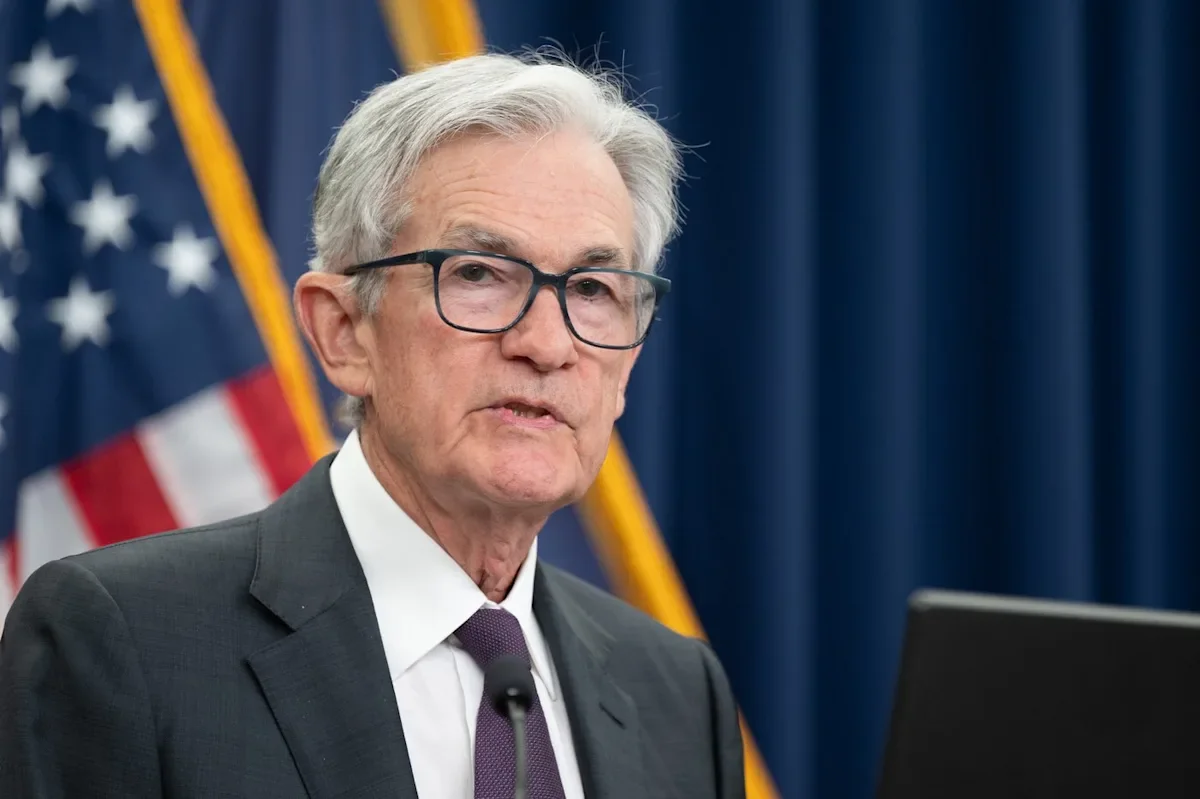
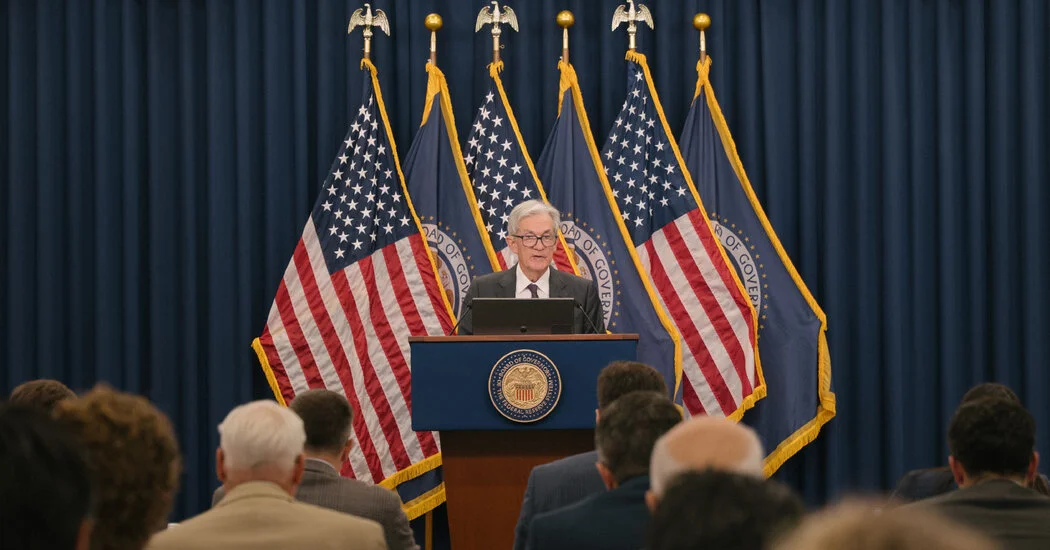
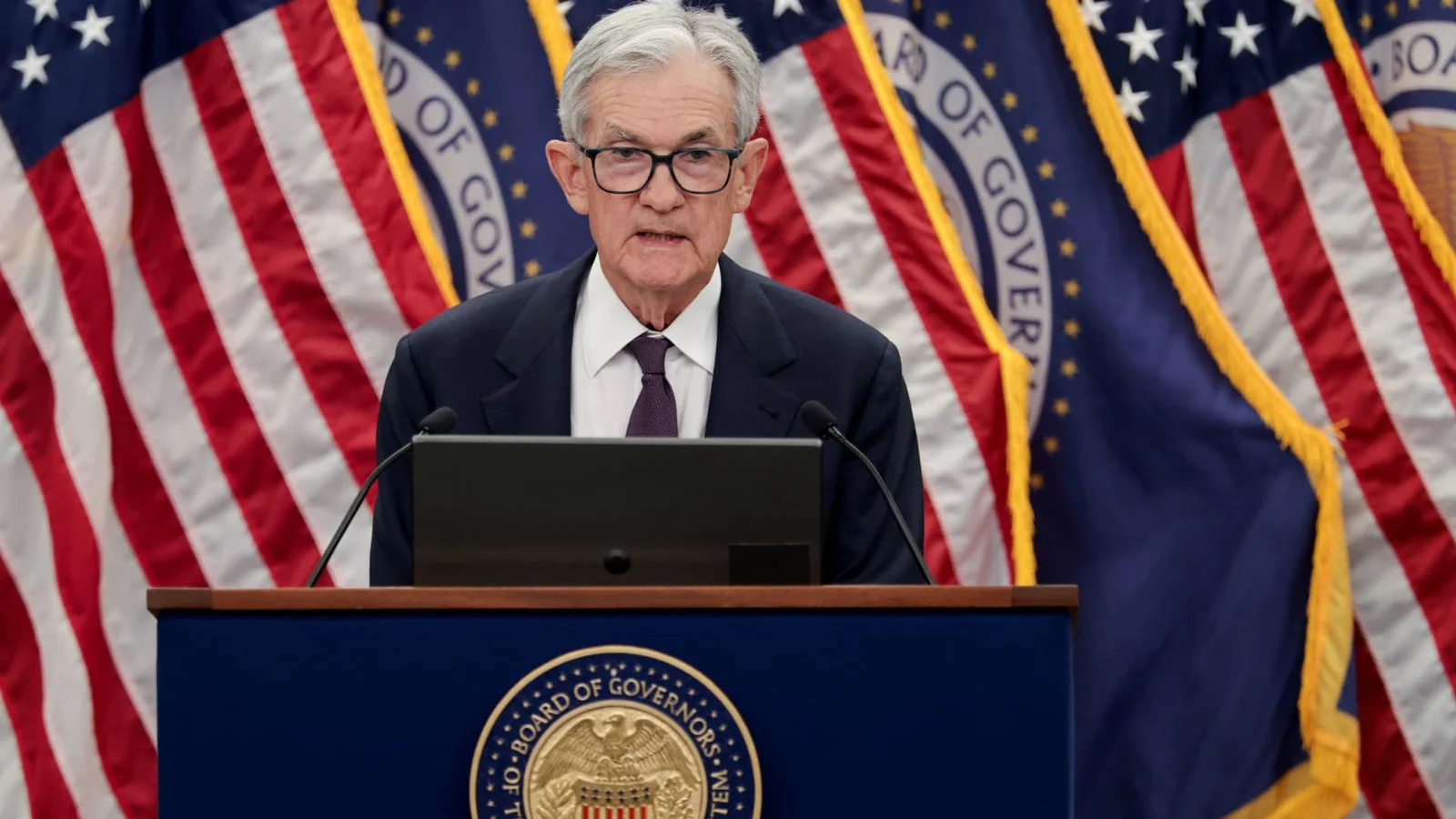
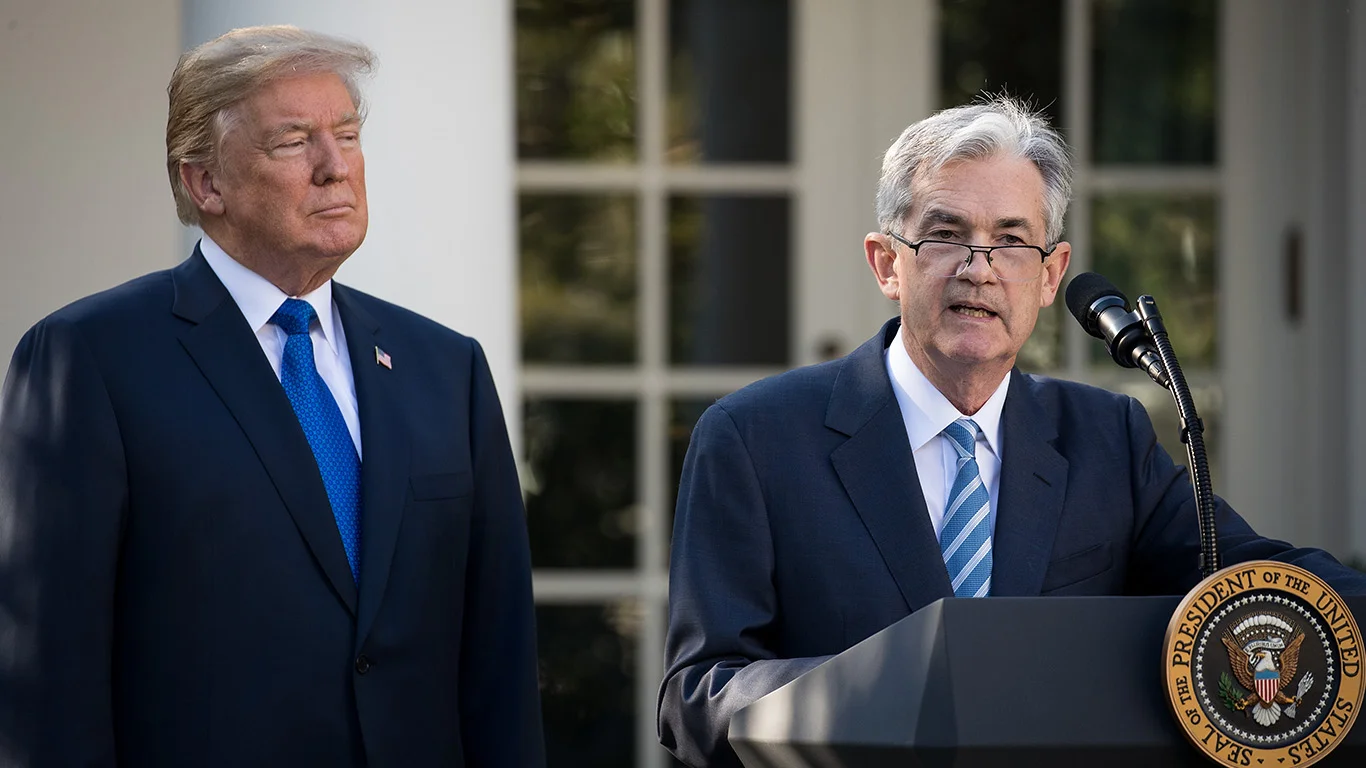
President Trump threatened to sue Federal Reserve Chair Jerome Powell for 'gross incompetence,' amid ongoing tensions over Fed policies and a costly renovation project, although no lawsuit has been filed and details remain unclear.
The 2026 market setup is becoming clearer with cooling inflation supporting Fed easing, improved demand visibility in AI infrastructure, and a focus on execution and earnings for growth stocks, despite some economic uncertainties like rising unemployment.
Federal Reserve Governor Christopher Waller plans to emphasize the importance of Fed independence to President Trump during his interview for Fed chair, amidst concerns about political influence on the central bank.
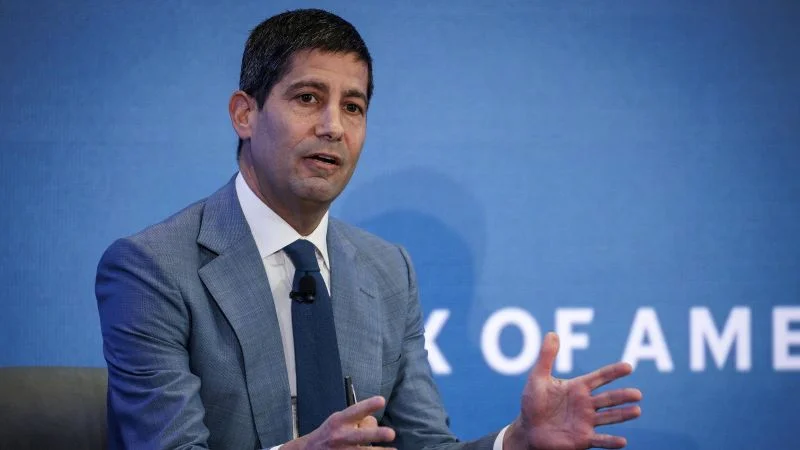
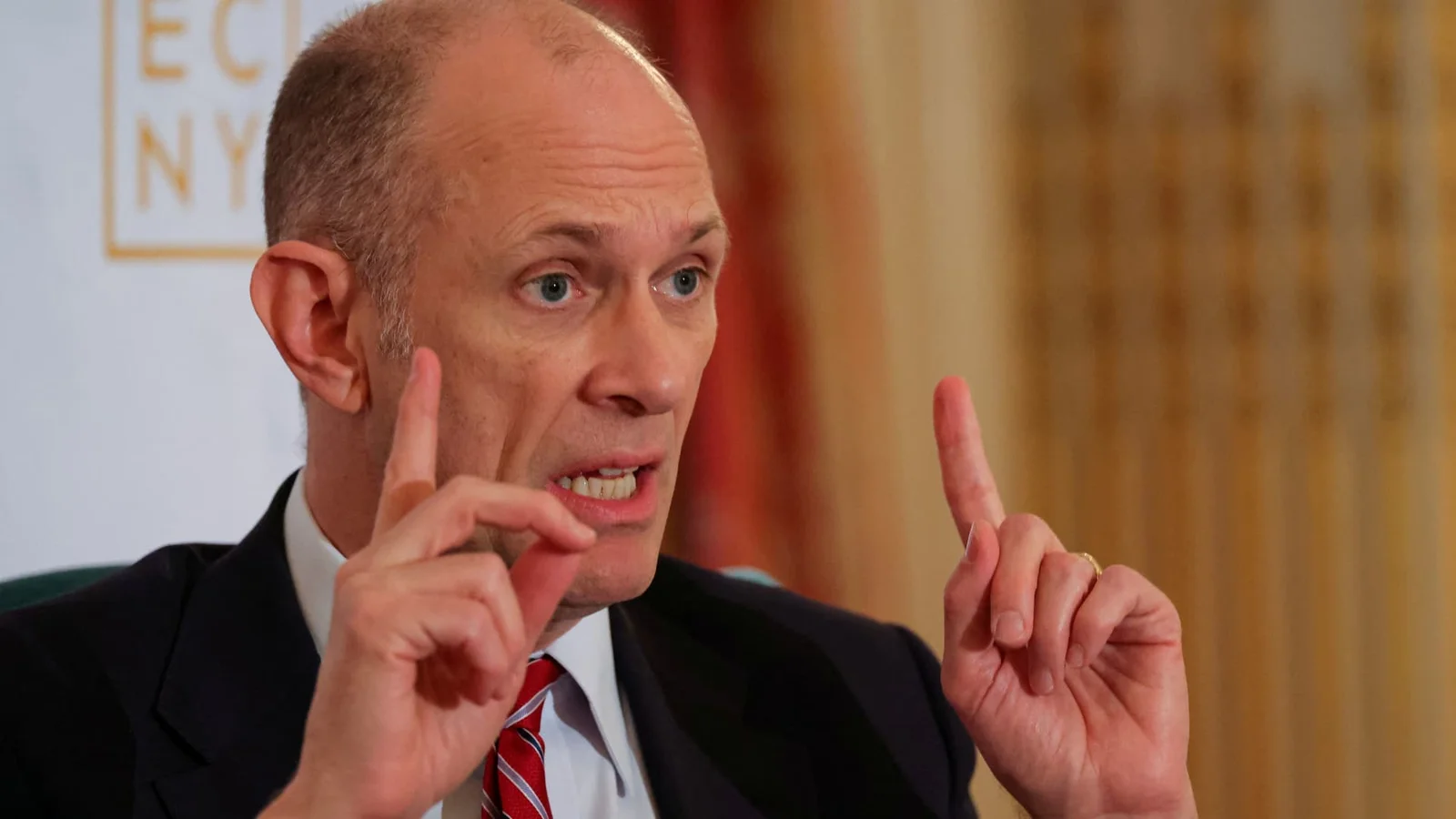
Citadel CEO Ken Griffin urges the White House to distance itself from the Federal Reserve amid concerns over monetary policy and its impact on markets.
The Federal Reserve has started 'reserve management purchases,' buying $40 billion of short-term Treasurys monthly to stabilize markets and provide liquidity, marking a significant shift that could influence interest rates and market conditions, even as it differs from traditional quantitative easing.
Federal Reserve Bank President John Williams supports the recent rate cut, sees inflation moderating to 2% by 2027, and believes the Fed's policy stance is well-positioned for 2026, with a cooling labor market and tariffs having limited long-term price impacts.
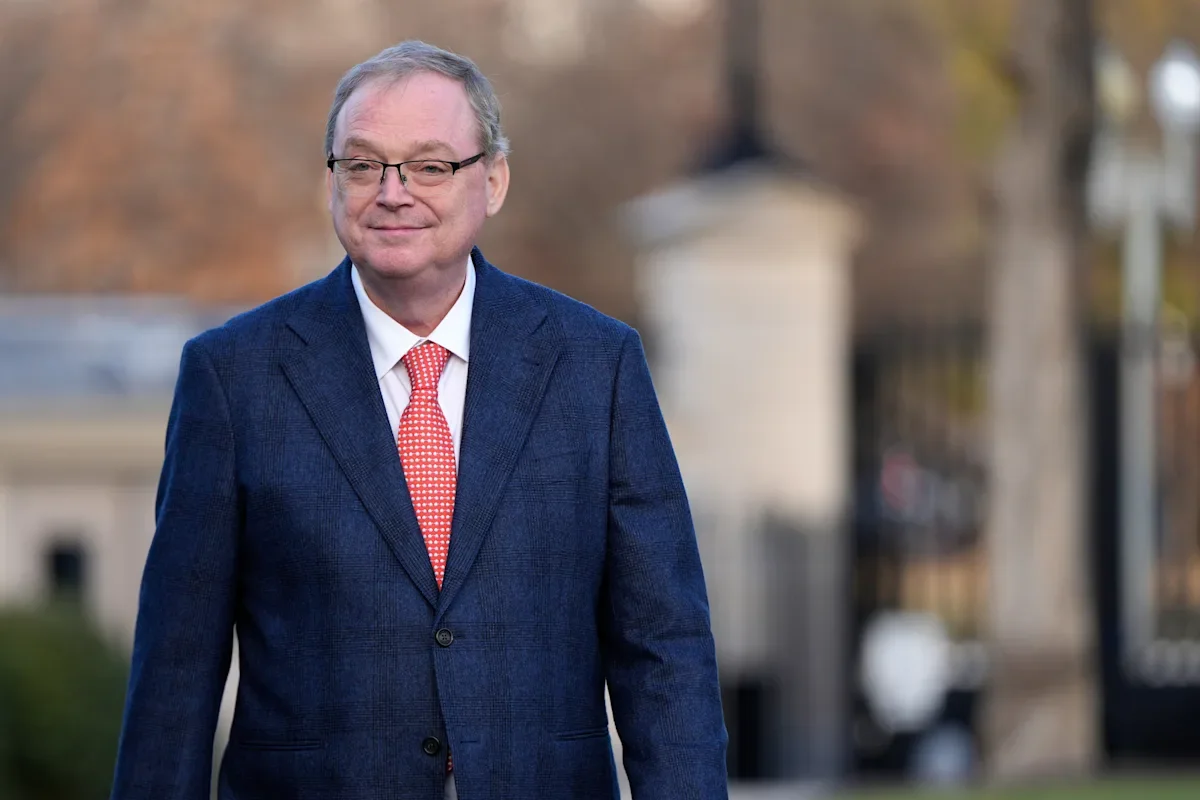
Kevin Hassett's potential appointment as Federal Reserve chair faces opposition from individuals close to President Trump due to concerns about his closeness to the president, according to CNBC reports.
Stephen Miran argues that the Federal Reserve's decisions are being influenced by 'phantom inflation,' which may distort monetary policy and economic outlooks.
Traders are increasingly betting on potential US interest rate cuts and a dovish shift in monetary policy, driven by expectations of a new Fed chair, delayed economic data, and market signals, leading to heightened activity in futures spreads and a decline in 10-year Treasury yields below 4%.
Kevin Hassett, a prominent economist and former Trump advisor, is a leading candidate to replace Jerome Powell as Fed chair, with support from Trump and prediction markets, but faces criticism for perceived political bias and willingness to align with Trump's policies, raising concerns about the Fed's independence and market stability.
President Trump announced he has chosen a nominee for the next Federal Reserve chair, but did not confirm if Kevin Hassett is the pick, amid ongoing discussions about replacing current Chair Jerome Powell.
Ray Dalio warns that the Fed's decision to stop quantitative tightening and begin quantitative easing could potentially create a bubble and be more inflationary, raising concerns about the impact of the new policy on the economy.