A potential US government shutdown could halt key economic data releases, including the September jobs report, construction, and trade data, impacting economic assessments and Social Security adjustments, with delays depending on funding resolution.
The U.S. Commerce Department is reviewing Harvard's compliance with federal rules regarding patents from federally funded research, threatening to seize patents worth hundreds of millions if Harvard fails to provide required disclosures by September 5, citing concerns over non-compliance with the Bayh-Dole Act.
A Chinese American working for the U.S. Commerce Department is unable to leave China after failing to disclose his employment on his visa application, and is caught in China's exit ban practices used as coercion, according to sources.
The Commerce Department confirmed a $6.1 billion grant for Micron Technology to build two chip factories in New York and Idaho, as part of the Biden administration's efforts to distribute funds under the Chips and Science Act. An additional $275 million preliminary grant was announced for expanding a facility in Virginia.
The Biden administration has reduced Intel's CHIPS Act grant by at least $500 million, bringing it to under $8 billion. This decision accounts for Intel's separate $3 billion contract with the U.S. Department of Defense for semiconductor manufacturing, as reported by The New York Times.
Commerce Secretary Gina Raimondo is working to allocate nearly all of the $50 billion from the CHIPS Act before Donald Trump assumes office, aiming to solidify the Biden administration's tech legacy. This effort is part of a broader strategy to secure bipartisan-supported programs against potential rollbacks by a Republican administration. Raimondo is confident that the bipartisan nature of the CHIPS Act, focused on national security, will protect it from significant changes under Trump. The Commerce Department has shifted towards high-tech and national security under her leadership.
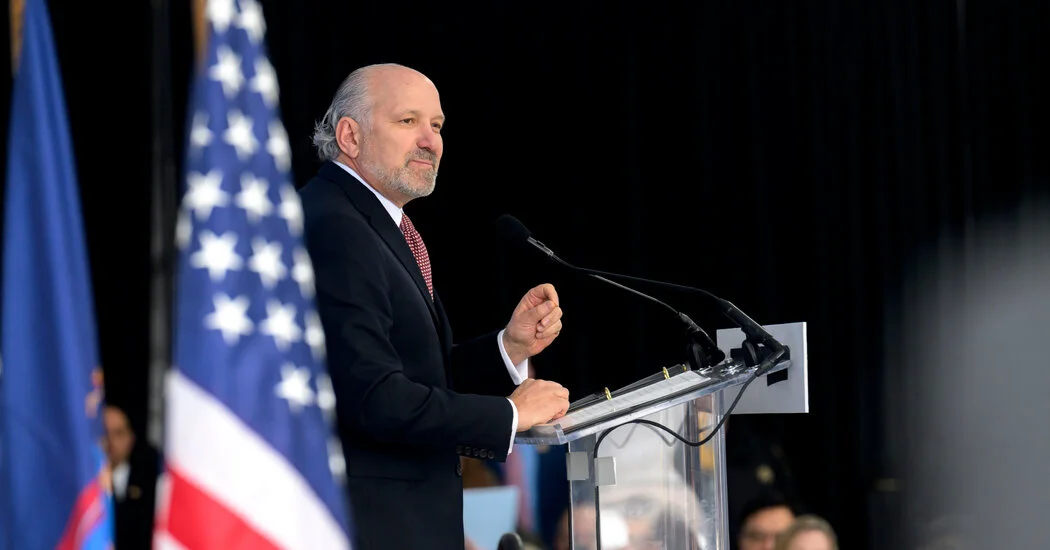
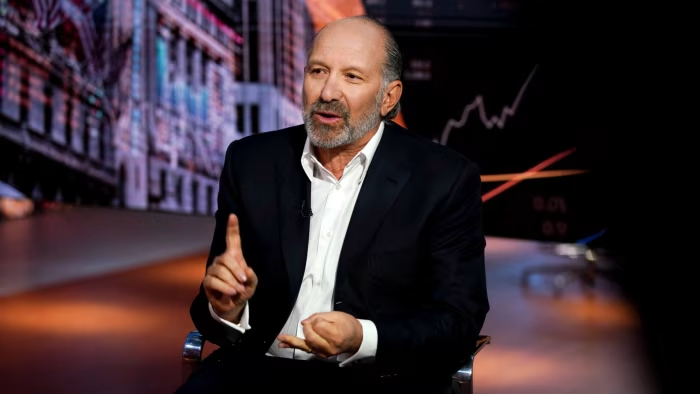
Donald Trump has announced his intention to nominate Howard Lutnick, a Wall Street investor and campaign donor, to lead the Commerce Department. Lutnick, CEO of Cantor Fitzgerald and co-chair of Trump's transition team, will also oversee the US Trade Representative's office if confirmed. This appointment positions Lutnick to implement Trump's proposed tariffs, including a 60% tariff on Chinese imports. Lutnick, a major Trump supporter, has never held a government position before and was previously considered for Treasury Secretary.
Kaspersky is closing its U.S. operations after the Commerce Department banned its software, citing national security risks due to the company's Russian connections. The decision impacts fewer than 50 employees and follows a thorough investigation by the U.S. government. Kaspersky denies being a security threat and argues the ban is based on geopolitical concerns rather than verified risks.
Kaspersky is shutting down its U.S. operations following a Commerce Department ban on its software, citing national security risks due to the company's Russian connections. The decision impacts fewer than 50 employees and ends nearly 20 years of Kaspersky's presence in the U.S. The company disputes the security threat claims, arguing the ban is based on geopolitical concerns rather than verified risks.
Russian antivirus firm Kaspersky Labs is exiting the US market following a ban by the Biden administration, citing national security risks due to Moscow's influence over the company. The firm will wind down its US operations starting July 20, 2024, and has already stopped selling its products in the country. The ban restricts sales, updates, and licensing of Kaspersky software, with violators facing fines. Kaspersky denies the allegations and plans to explore legal options to contest the ban.
Russian security vendor Kaspersky is exiting the U.S. market following a Commerce Department ban on its software due to national security concerns. The company will wind down its U.S. operations by July 20, 2024, and lay off fewer than 50 employees. The ban follows an investigation suggesting Kaspersky's software could be manipulated for espionage and cyber threats. Kaspersky denies the allegations, attributing the decision to geopolitical tensions rather than a thorough evaluation of its products. Existing U.S. customers are advised to switch to alternative solutions by September 29.
The Commerce Department significantly revised March durable goods orders from +2.6% to +0.8%, and April saw a 0.7% increase, driven mainly by transportation equipment. Despite these gains, inflation-adjusted data shows that real new orders and shipments are declining, indicating potential economic weakness. Consistent negative revisions in economic data, including new home sales and job reports, suggest a possible recession.
Micron Technology Inc. is set to receive over $6 billion in grants from the Commerce Department to support domestic factory projects, as part of a push to bring semiconductor production back to the US. The announcement, expected next week, will also include loans as part of the award package, with the total value of the loans yet to be determined.
US retail sales exceeded expectations in March, rising by 0.7% from February and surpassing economists' estimates. The prior month's figures were also revised higher, indicating strong and resilient consumer demand that continues to drive a surprisingly robust economy.
In the fourth quarter of 2023, the U.S. economy saw a 3.4 percent increase in GDP and a record high of $2.8 trillion in corporate profits, surpassing expectations. Inflation, as measured by the core PCE price index, fell to 2 percent. Market commentators welcomed the news, citing the resilience of the U.S. economy. Additionally, gross domestic income (GDI) surged by 4.8 percent, marking the first time since 2022 that GDI has overtaken GDP growth.