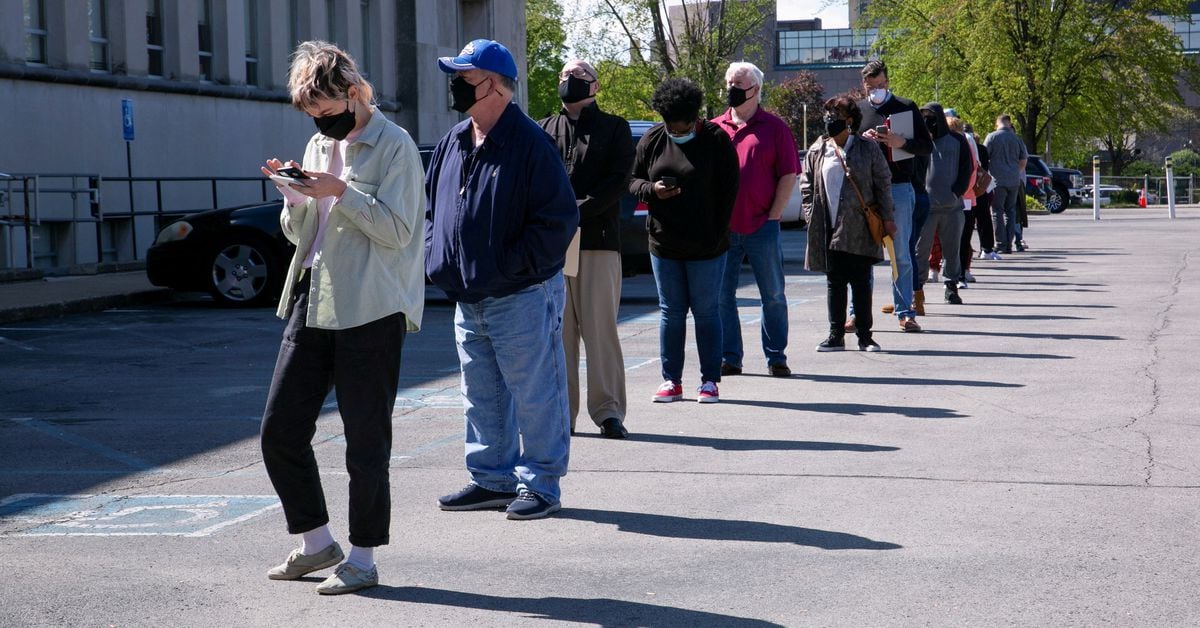
The 2025 economy remains surprisingly steady with consistent consumer spending, business investment in AI, stable gas prices near $3, low unemployment around 4%, and Americans saving about 5% of their income, despite some challenges.
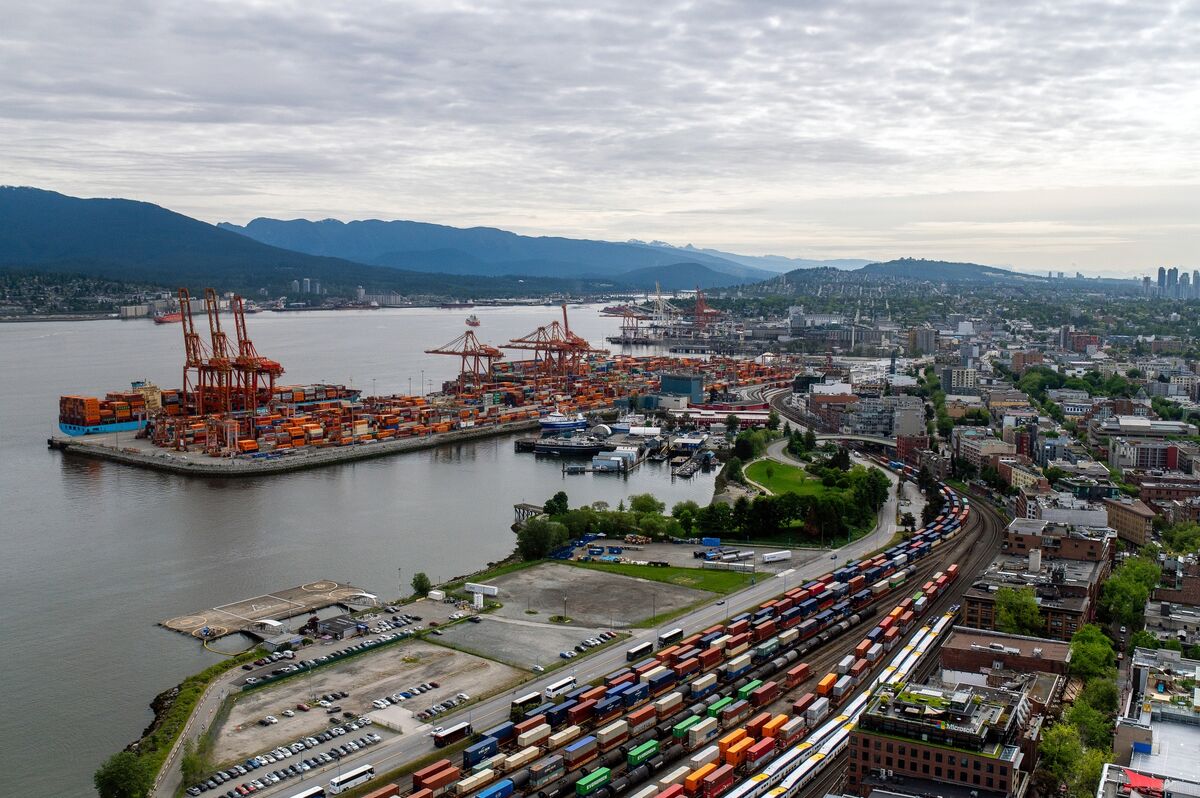
Canada's economy shrank by 1.6% in Q2 due to a 27% drop in exports caused by US tariffs, marking the worst decline since the pandemic and prompting expectations of potential interest rate cuts by the Bank of Canada.
The article examines President Trump's claims of boosting US investment through tariffs and policies, revealing that much of the reported investment is either planned before his tenure or exaggerated, with actual new investment likely much lower than claimed. While tariffs have influenced some sectors like pharmaceuticals, overall investment growth is expected to slow due to policy uncertainty and industry consolidation, suggesting that Trump's impact on the economy may be less significant than he asserts.
The U.S. economy grew at an annual rate of 2.8% in the third quarter, maintaining its momentum as it heads into the holiday season. Consumer spending, a major driver of GDP, increased by 3.5%, slightly down from earlier estimates. Business fixed investment saw an upward revision to a 1.1% increase, while corporate profits declined by 0.3% after a previous gain. Overall, the GDP figures remained largely unchanged from initial estimates.
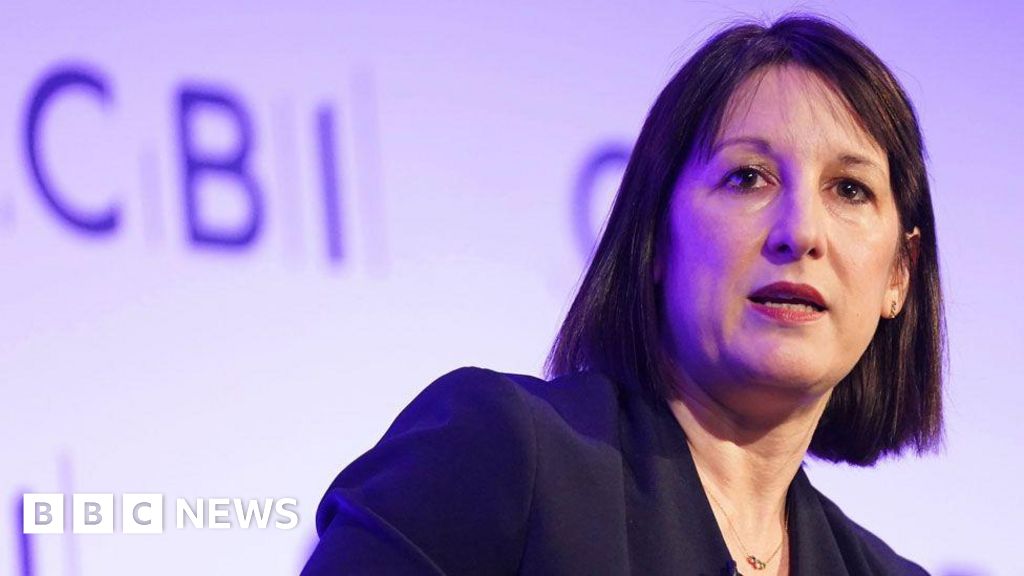
Chancellor Rachel Reeves assured businesses there will be no further tax increases or borrowing after announcing significant tax hikes in her recent Budget, which aims to raise nearly £70bn for public spending. Despite backlash from business leaders, who argue the measures could harm investment and competitiveness, Reeves emphasized the need for stability and fiscal responsibility. The Confederation of British Industry (CBI) and major companies have expressed concerns over the impact on costs and economic growth, urging the government to consider reforms to support businesses.
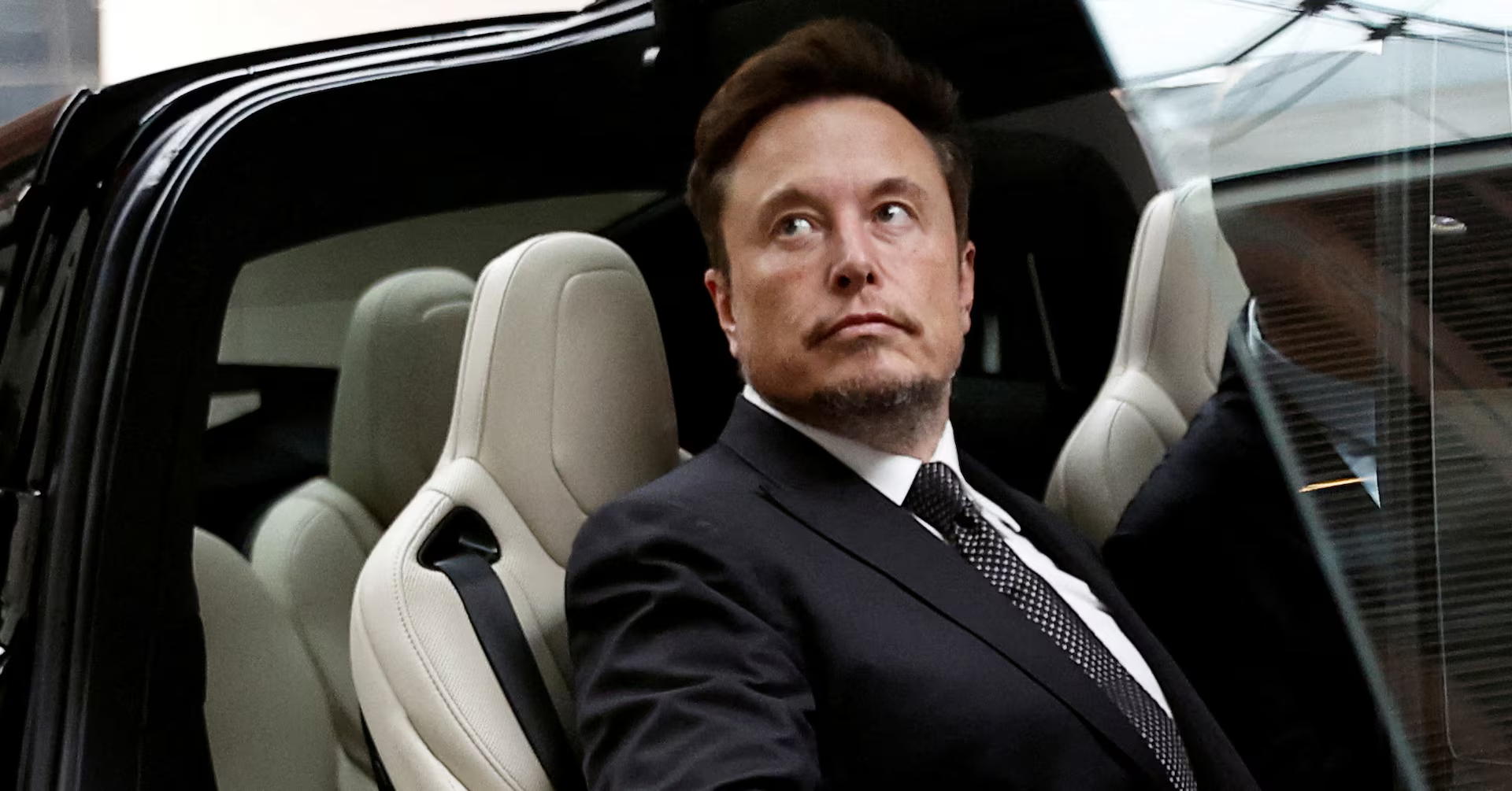
Mutual fund firm T. Rowe Price stated that Elon Musk's 2018 pay package from Tesla demonstrated strong alignment with the interests of investors, providing important support after a Delaware judge voided the package in January. Tesla plans to hold a special vote at its annual shareholder meeting to re-approve Musk's 2018 pay package. T. Rowe Price, a major Tesla investor, held 22.4 million Tesla shares as of Dec 31 and suggested a new shareholder vote, stating that Musk had met the terms of the original award.
Egypt has signed a $35 billion deal with the United Arab Emirates to develop the Ras El Hekma peninsula on its Mediterranean coast, with potential investments reaching $150 billion. The investment, led by the UAE's ADQ, aims to boost Egypt's struggling economy, which has been facing chronic foreign currency shortages and economic pressures linked to the war in Gaza. The deal is expected to bring significant liquidity to cover Egypt's financing gap over the next four years and could provide a much-needed boost to the country's economy.
The US economy grew at a revised 4.9% annual pace in the third quarter, but growth has slowed down since then. Consumer spending, which represents about 70% of the economy, was not as strong as initially reported. Business investment expanded at a slightly stronger pace, and business profits increased for the second quarter in a row. Inflation was revised down slightly. Higher interest rates have impacted the economy, leading to reduced consumer spending and business investment. However, there is no sign of a recession, and the labor market remains strong.
The US economy grew at a stronger pace than previously indicated in the third quarter, with a 5.2% annualized GDP growth rate. The upward revision was driven by better-than-expected business investment and increased government spending. However, consumer spending saw a downward revision. Inflation remained mixed, with a slight downward revision in the personal consumption expenditures price index but an upward move in the chain-weighted price index. Corporate profits also accelerated during the period.
The impact of higher interest rates on the economy is becoming evident in certain sectors, such as business investment and interest rate-sensitive industries, while consumer spending remains strong. The Leesburg Animal Park in Virginia is an example of a business that has delayed expansion plans due to higher borrowing costs. Despite concerns of a potential recession, the economy has continued to grow, prompting the Federal Reserve to leave interest rates unchanged for now. However, policymakers are monitoring the situation closely to ensure that inflation remains under control. The effects of higher rates are mixed in the housing and automotive markets, where supply shortages and pent-up demand have complicated the picture. Overall, the resilience of consumer spending raises concerns about the potential for sustained inflationary pressures.
Durable-goods orders in the U.S. rose for the third consecutive month in July, indicating a potential stabilization in the struggling industrial sector. However, when excluding transportation, which includes volatile Boeing orders, durable-goods orders increased by 0.5%. The headline orders, including transportation, dropped by 5.2% due to the fluctuating Boeing orders. Core orders, a measure of broader business investment, edged up 0.1% in July. Business investment has weakened, and companies are becoming more cautious due to rising interest rates. The true condition of the industrial side of the economy may become clearer once interest rates stabilize.
The US economy unexpectedly accelerated to a 2.4% annual growth rate in the April-June quarter, surpassing economists' forecasts of 1.5%. The growth was driven by a surge in business investment, with companies increasing spending on factories and equipment. Consumer spending remained solid but slowed from the previous quarter, while investment in housing weakened due to higher mortgage rates. Despite the Federal Reserve's efforts to combat inflation through interest rate hikes, the economy has shown resilience and optimism has grown that a recession can be avoided. The job market remains strong, with low unemployment rates and rising wages. Inflation is easing, and the GDP report suggests a stronger economy than desired, potentially leading to further rate hikes. However, the housing market remains a weak link due to low inventory and higher mortgage rates.
The US economy is expected to maintain a moderate pace of growth in the second quarter, with GDP forecasted to increase at a 1.8% annualized rate. Consumer spending, supported by excess savings, debt, and strong wage gains, is likely to remain a pillar of support, although at a slower pace. Business investment is expected to pick up, particularly in equipment spending. Weekly jobless claims are projected to rise slightly, but the labor market remains resilient. The housing market slump is nearing an end, and the economy has largely weathered interest rate hikes. While some economists believe a recession is on the horizon, others see a soft landing scenario as feasible.
The US economy grew at a lackluster 1.1% annual pace in Q1 2023, falling short of Wall Street analysts' forecast of a 2% increase in GDP. Strong consumer spending was offset by declining business investment, pointing to slowing growth.