Morgan Stanley and Deutsche Bank anticipate the U.S. Federal Reserve will cut interest rates at all three remaining meetings in 2023, following recent data indicating modest inflation pressures, with expectations of multiple 25-basis-point cuts through early 2024.
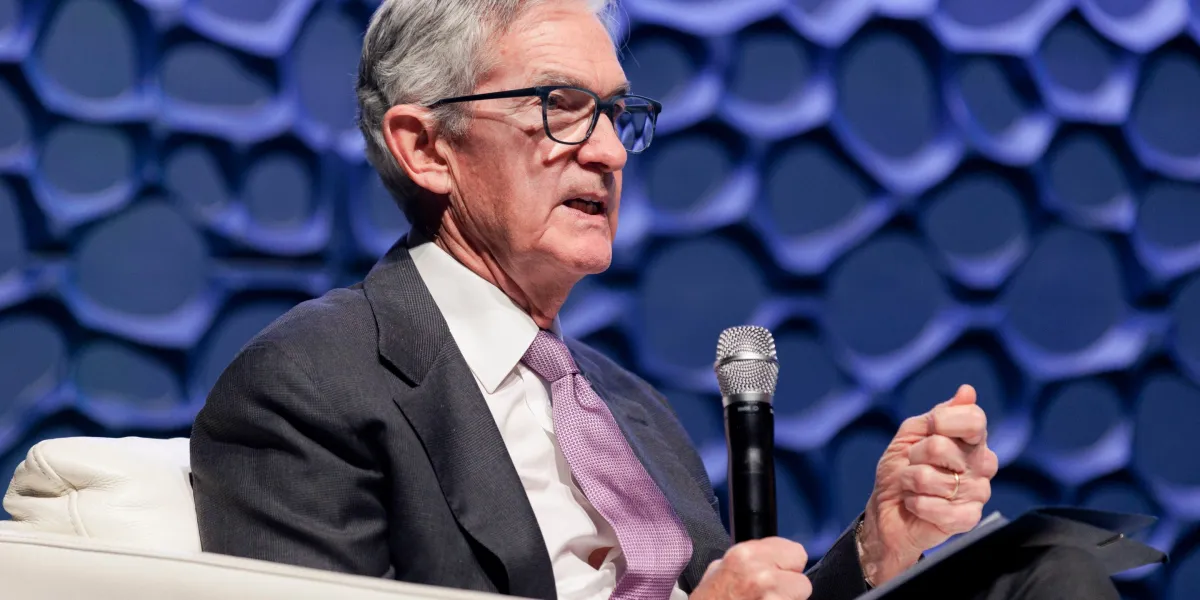
Morgan Stanley and Deutsche Bank expect the US Federal Reserve to cut interest rates by 25 basis points at each of its remaining meetings in 2025, signaling a shift towards easing due to modest inflation pressures and a slowing job market, with potential further cuts in 2026.
Deutsche Bank strategists dispute Treasury Secretary Scott Bessent's claim that the Fed's interest rate is significantly above model indications, arguing that current rates are within the range suggested by monetary policy rules and that a modest cut could be justified, despite ongoing debates and differing views within the Fed.
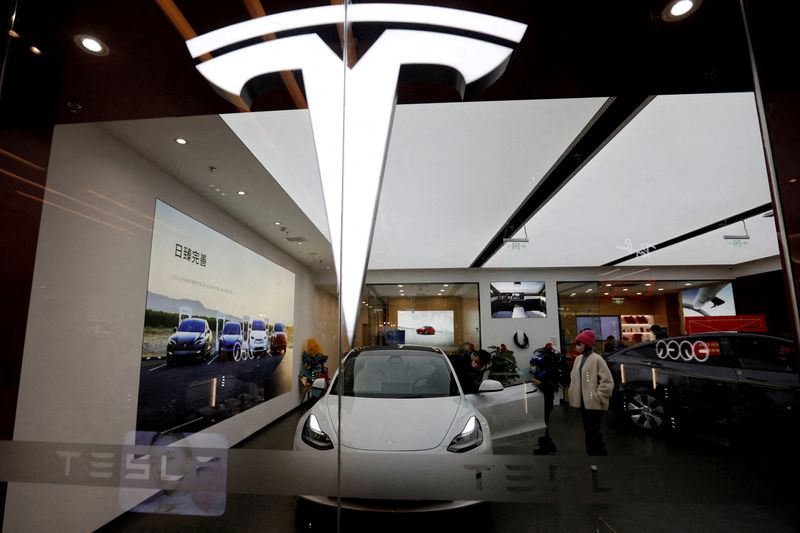
Deutsche Bank analyst Edison Yu is bullish on Tesla, expecting a potential launch of the low-cost 'Model Q' in Q4 2025, which could boost deliveries despite recent challenges and a cautious outlook on earnings and market share. Yu maintains a buy rating with a $345 target, highlighting Tesla's upcoming Q2 results and the expansion of its robotaxi services as key growth drivers.
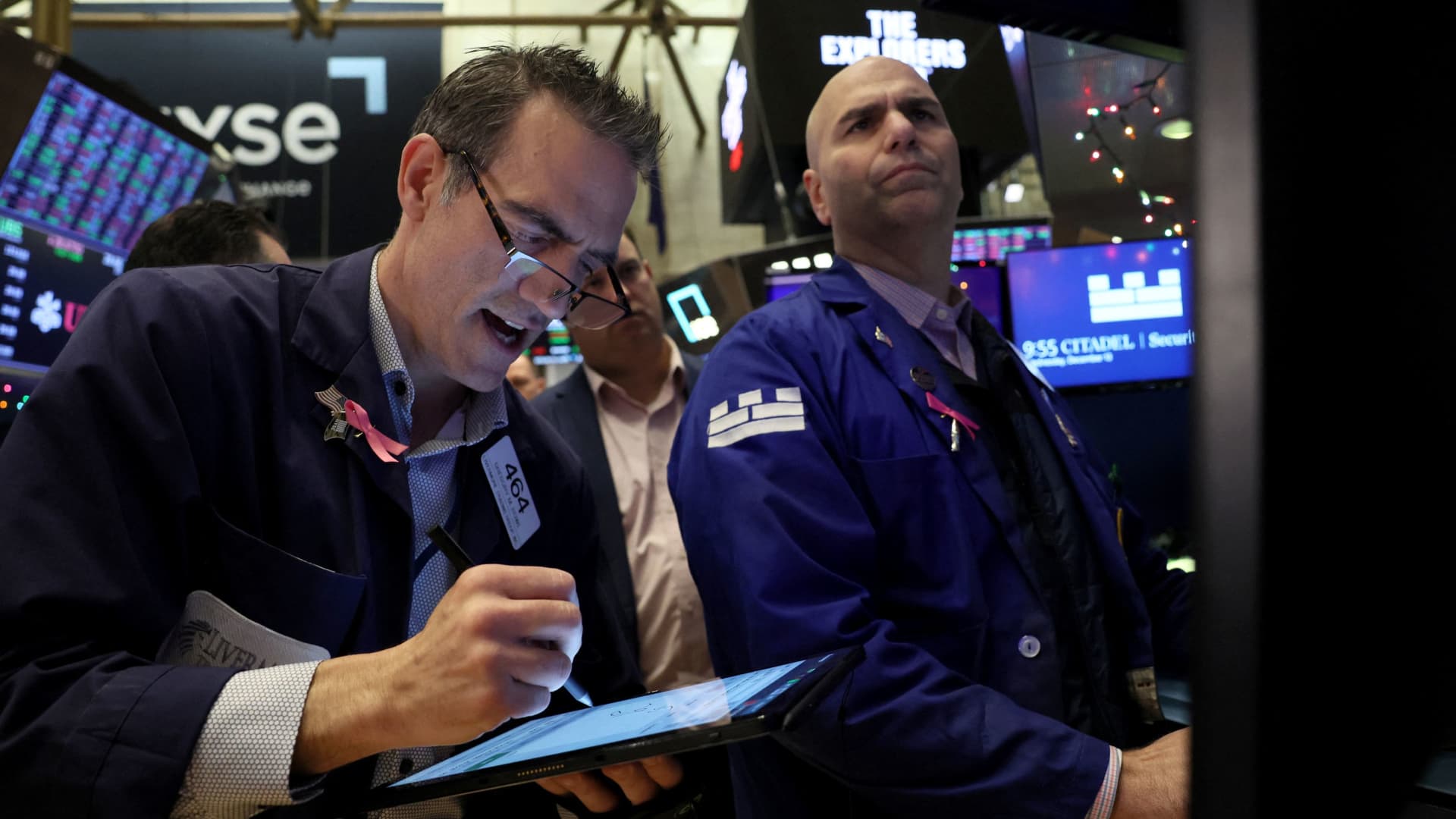
Analysts from Deutsche Bank and other firms expect the S&P 500 to rally in the second half of the year due to fading tariff impacts and a resilient U.S. economy, with Deutsche Bank raising its year-end target to 6,550 points. While trade policy uncertainty remains, technical indicators suggest the market recovery is genuine, though volatility is expected.
Broadcom's stock surged 20% after a strong fiscal fourth-quarter report, with revenue up 51% year-over-year, driven by significant growth in AI-related sales. Deutsche Bank's analyst Ross Seymore praised Broadcom's long-term AI revenue projections, expecting $60-90 billion by 2027 from key clients like Google and Meta. The company also added two new hyperscale customers, indicating growth potential. Despite a minor software miss, Broadcom's fundamentals remain strong, leading to a Buy rating and a raised price target of $240. The stock has a Strong Buy consensus but is considered fully valued currently.
Deutsche Bank warns that potential Trump-era policies, such as inflationary tariffs, could hinder the Federal Reserve's rate-cutting plans. While some analysts expect continued rate cuts into 2025, Deutsche Bank's chief U.S. economist, Matthew Luzzetti, suggests that resilient consumer spending, a stable labor market, and higher inflation could lead to a pause in rate reductions. The Fed's upcoming December meeting will provide updated economic forecasts, but significant policy changes may not be reflected until March.
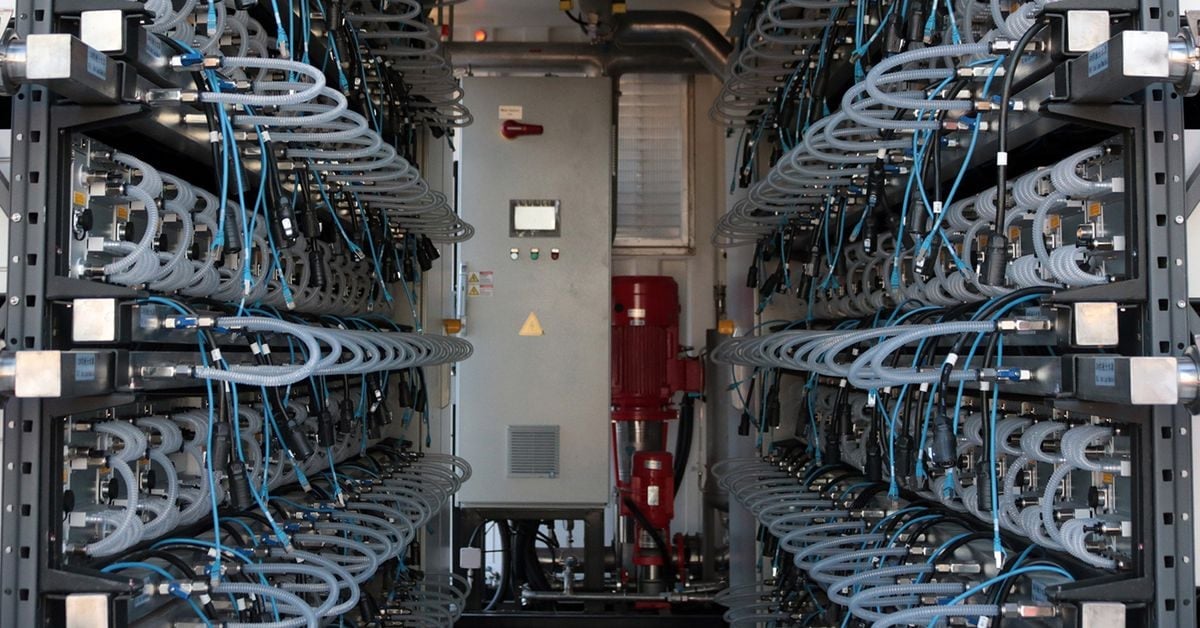
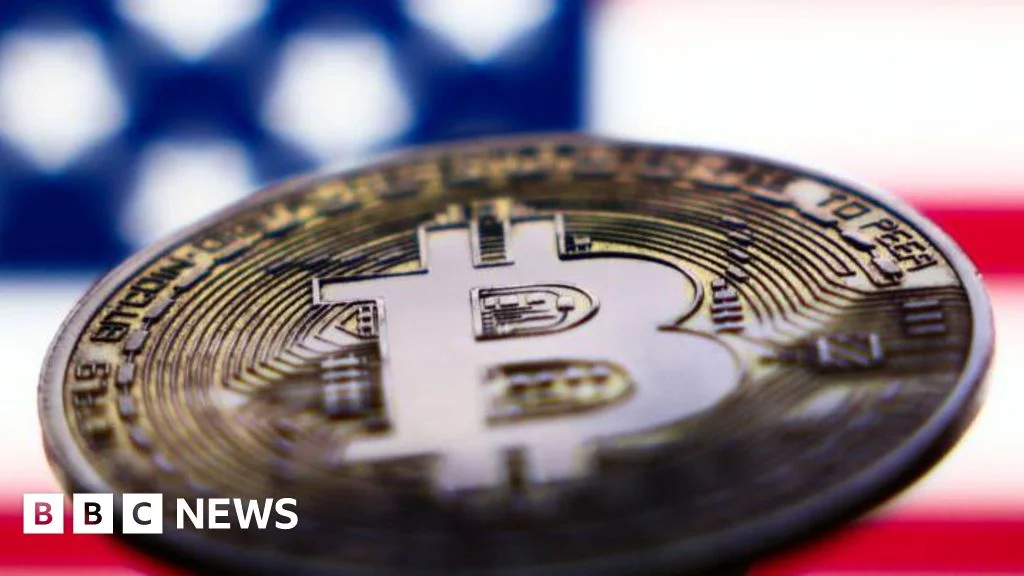
Deutsche Bank predicts that the upcoming bitcoin halving event is already partially priced in and does not expect a significant rally in the cryptocurrency's price afterward. The bank anticipates a shift in the geography of crypto mining to countries with lower energy costs due to reduced block rewards. Despite this, the report highlights positive factors such as the launch of spot bitcoin ETFs, the performance of Bitcoin Cash after its halving, and the potential for future spot ether ETF approvals, central bank rate cuts, and regulatory changes to support the cryptocurrency market.
Tesla shares hit a 15-month low as Deutsche Bank downgraded the stock and expressed concerns over the company's focus on autonomous vehicle products amid profit pressure. The cancellation of the promised inexpensive car and layoffs, coupled with challenges in achieving full driverless autonomy, have contributed to the stock's decline. Despite this, Tesla remains the most valuable automaker globally.
Deepak Puri, the chief investment officer of Deutsche Bank Private Bank, believes that the recent surge in Nvidia's stock does not indicate an AI bubble, but rather reflects the growing momentum of AI as a secular theme. He suggests that the market is starting to differentiate between stocks within the AI sector, and advises diversifying investments beyond the popular "Mag 7" tech stocks. Puri also emphasizes the importance of considering risk management and potential market pullbacks, while highlighting the strong earnings momentum behind the current market rally as a key difference from the dot-com bubble era.
Fidelity Investments and Deutsche Bank are implementing specific return-to-office mandates, with Fidelity requiring most US employees to be in the office two full weeks out of every four starting in September, and Deutsche Bank mandating managing directors to come in four days a week and other staff members at least three, with a ban on working from home on a Friday followed by a Monday. This move reflects a trend of employers tightening the reins on remote work arrangements, but experts warn that companies risk alienating talent if they don't consider employee preferences for hybrid work.
Deutsche Bank, the first Wall Street bank to predict a recession, now expects a narrow landing for the U.S. economy, revising its forecast to a "solid 1.9%" growth rate for 2024 with the first Fed rate cut anticipated in June. The bank attributes this shift to strong economic performance in 2023, particularly in the job market and inflation, and believes that a recession will be averted with limited impact on the labor market. However, potential risks include greater pass-through from prior Fed tightening and increased geopolitical risks. Stock futures are mixed, with the Nasdaq-100 pointing higher, and Treasury yields are steady after rising for two consecutive days. Key asset performances and top-searched tickers are also highlighted.
Deutsche Bank downgrades New York Community Bancorp from Buy to Hold due to concerns about the regional bank's recent earnings results, reflecting worries about weakness in commercial real estate and potential pressure from the Fed's delay in rate cuts. Despite a 1% increase in trading, the stock has faced pressure over the past few days, reigniting fears from the regional banking crisis of 2023. The bank's decrease in deposits and provision for credit losses, particularly related to commercial real estate exposure, have contributed to the downgrade.
Deutsche Bank is cutting 3,500 jobs in non-client-facing areas as part of its plan to reduce operational costs by 2.5 billion euros by 2025. The bank aims to achieve these savings through measures such as simplified workflows and automation. Despite reporting a rise in profit before tax to 5.7 billion euros in 2023, the bank is seeking to save an additional 1.6 billion euros. This move comes after Citigroup announced its plan to cut 20,000 jobs earlier this month, reflecting ongoing efforts within the banking sector to streamline operations and reduce costs.