Duke Energy has submitted an early site permit application to the NRC for a potential new nuclear site near Belews Creek in North Carolina, exploring small modular reactor technologies to meet future energy needs while reducing risks and costs, with plans to add 600 MW of nuclear capacity by 2037 if the project proceeds.
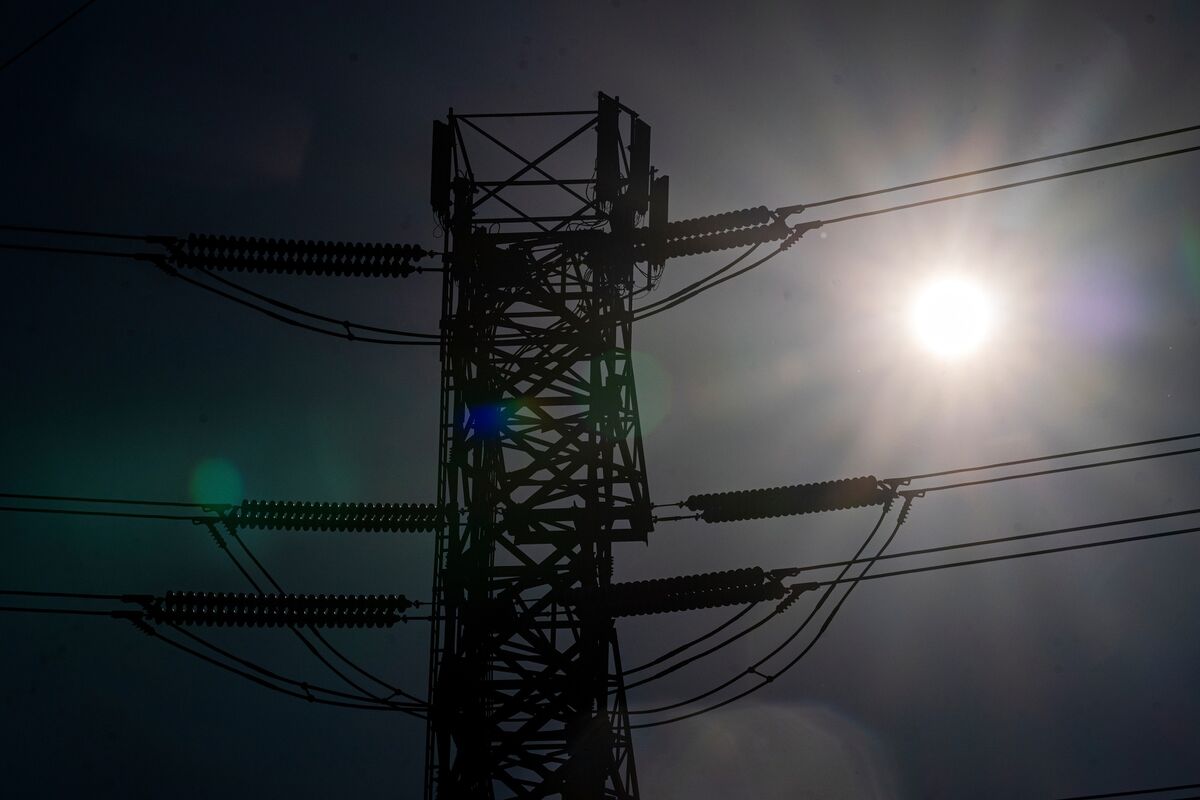
The US has declared a power emergency in the Southeast due to a severe heat wave causing high electricity demand, leading Duke Energy to request permission to operate at maximum capacity to prevent blackouts amid extreme temperatures exceeding 100°F in parts of the Carolinas.
A town in North Carolina has filed a lawsuit against Duke Energy, accusing the company of contributing to climate change and seeking damages for its environmental impact. The legal action highlights growing concerns over corporate responsibility in addressing climate-related issues.
The town of Carrboro, North Carolina, is suing Duke Energy, one of the largest electric utilities in the U.S., over its role in climate change. The lawsuit claims Duke Energy has known about the harmful effects of greenhouse gas emissions for decades but continued to operate coal and gas power plants, contributing significantly to carbon emissions. Carrboro seeks compensation for climate-related damages and aims to hold Duke accountable for allegedly misleading the public about climate change. This case is notable for targeting a utility company rather than oil companies, focusing on corporate deception.
Duke Energy, in collaboration with Amazon, Google, Microsoft, and Nucor, has announced agreements to develop new rate structures to support carbon-free energy generation. These agreements, including the proposed Accelerating Clean Energy (ACE) tariffs, aim to lower the costs of clean energy investments and facilitate on-site generation and load flexibility for large-scale energy customers. The initiative supports Duke Energy's and its partners' commitment to clean energy and requires regulatory approval in North Carolina and South Carolina.
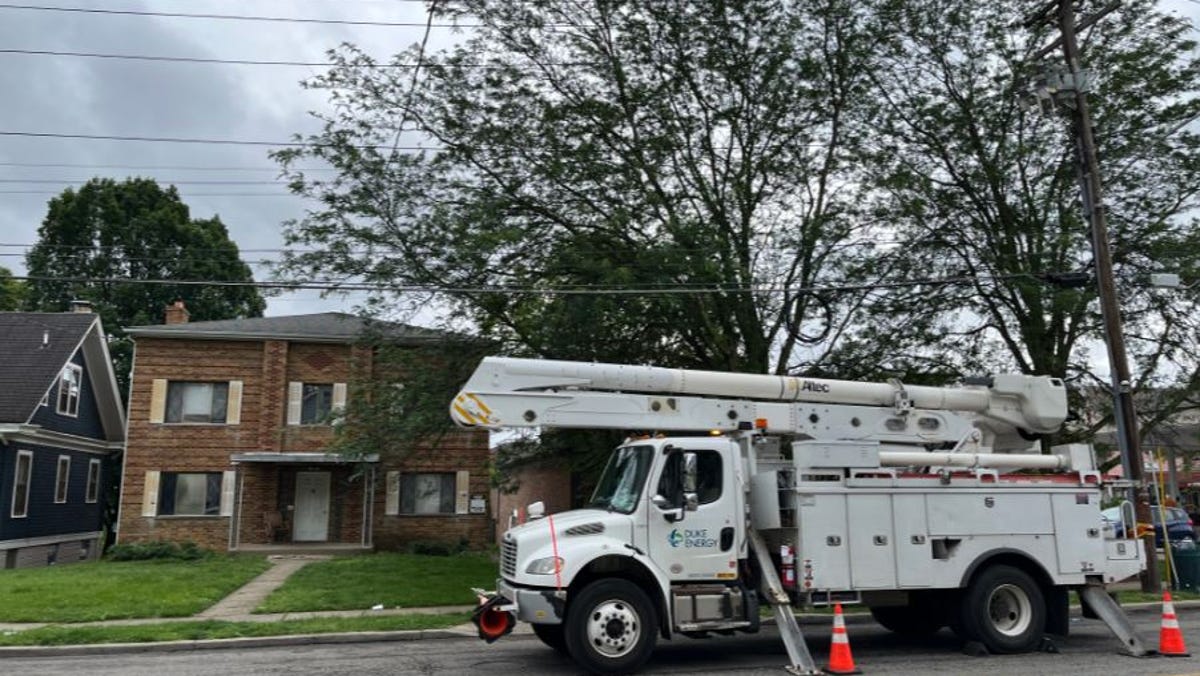
Severe thunderstorms in the Greater Cincinnati and Northern Kentucky area have left over 4,000 Duke Energy customers without power, with the most significant outages on the West Side and near CVG. The Taste of Cincinnati festival, which paused due to the storms, resumed at 3 p.m. A severe thunderstorm warning for Hamilton County expired at 2:15 p.m., but a watch remains in effect. Another wave of storms is expected after 10 p.m. Sunday night.
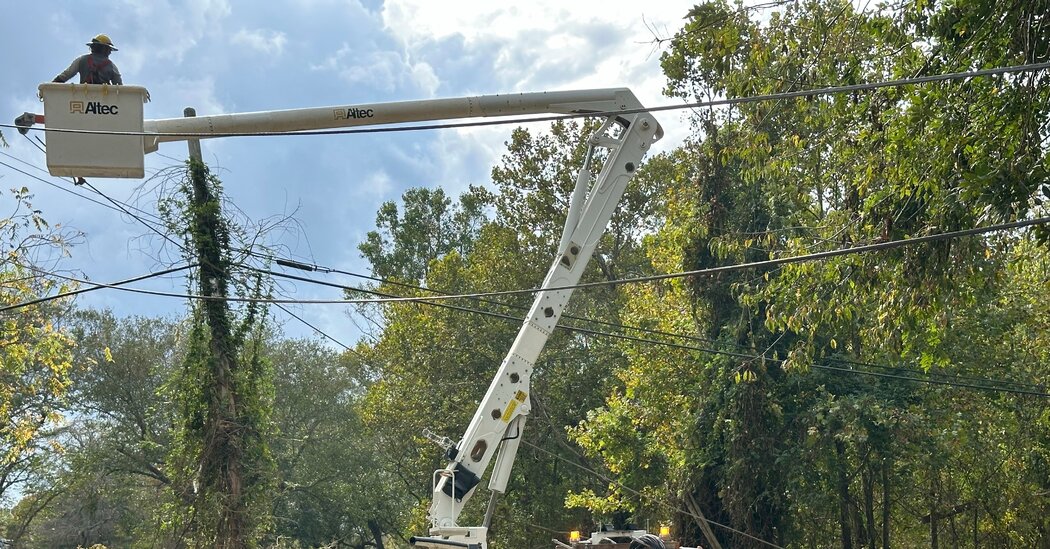
High winds sweeping across Western North Carolina have caused power outages, with about 172 outages affecting more than 3,989 people reported across the Carolinas. Duke Energy has provided estimated restoration times for affected areas, and customers are advised to prepare safety kits in case of further outages.
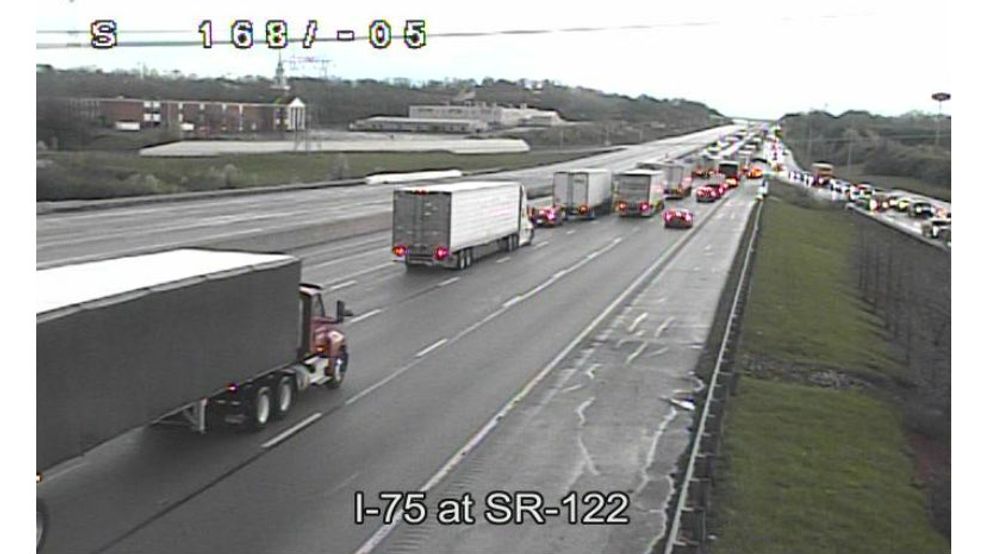
Traffic on I-75 near Monroe has reopened after strong storms knocked down six power poles, causing power outages for hundreds of households. Duke Energy crews worked to clear the power lines from the road, allowing traffic to resume. No injuries were reported, and efforts are underway to restore power to affected areas, with a potential timeline of midnight for full restoration.
Interstate 75 in Butler County has re-opened in both directions after strong winds caused six power poles to fall onto the roadway, prompting a closure for crews to clear the debris.
Downed power lines have caused the closure of northbound traffic on I-75 between Middletown and Liberty Way in Monroe, Ohio. The closure is due to a broken pole and downed lines, causing power outages for hundreds of people. Drivers are advised to slow down, reroute, and be cautious of their surroundings, while also being mindful of Duke Energy crews working on the roadways and avoiding driving over or approaching downed power lines.
Duke Energy customers, including one in McDowell County, N.C., were shocked by skyrocketing January bills, with one resident paying over $1,000 for her home and apartment. Duke Energy attributed the increase to higher winter usage and rate hikes, urging customers to conserve energy and offering tips to manage costs. Customers expressed frustration and concern over the impact on their finances, with some facing difficult choices between paying their power bills and other expenses.
Duke Energy customers in North Carolina are experiencing higher bills due to new rates approved by the North Carolina Utilities Commission, with electric rates set to increase over the next few years. Duke Energy attributes the increase to investments in infrastructure, clean energy transition, and storm costs. The Summary of Rider Adjustments on bills reflects various fees related to energy generation and distribution, and Duke Energy acknowledges the need for better communication and customer education regarding bill changes. Customers have expressed concerns about the lack of energy company options in North Carolina.
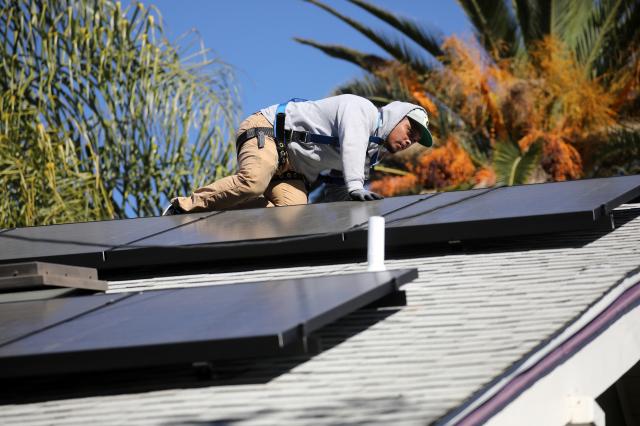
Environmental groups and solar companies are suing Duke Energy and the North Carolina Utilities Commission over new rules that will raise energy bills for solar customers by ending net metering and allowing Duke to pay different rates at different times of day. The lawsuit claims that the commission improperly ignored evidence about the benefits of solar energy when approving the new rules. Duke Energy argues that the new rules will level the playing field for non-solar customers, while solar advocates worry about the impact on the solar industry and jobs.
Charlotte-based Duke Energy confirms upcoming layoffs as part of its reorganization for greater efficiency and cost effectiveness in preparation for the next phase of its clean energy transition, aiming for a transformative expansion and modernization of energy generation and grid, with limited workforce impacts expected across its service territories.
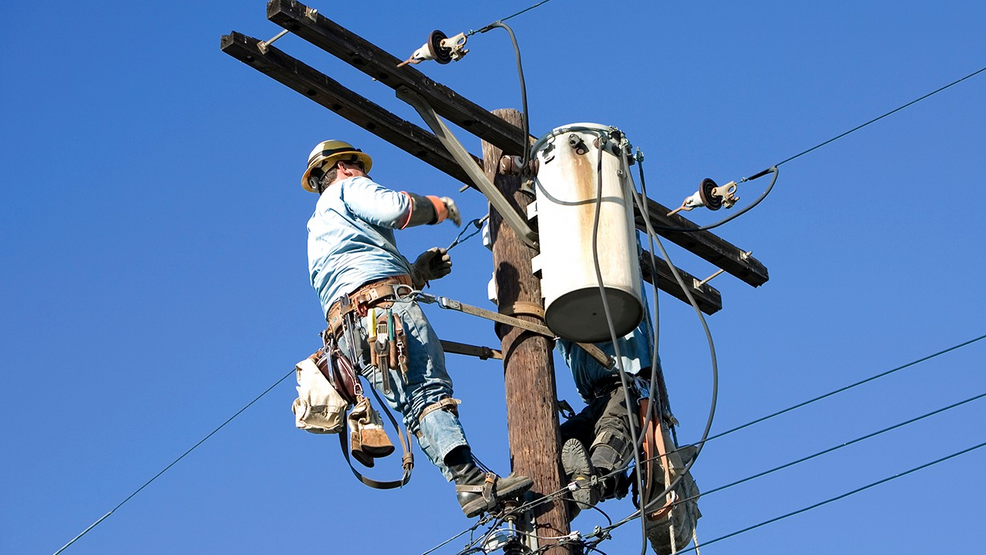
Duke Energy customers in Durham who experienced a days-long power outage are being urged to submit a liability claim for losses incurred, such as food spoilage, due to the outage. The company has provided assistance to affected communities and is advising customers to document their losses with photos and receipts when filing a claim. Some customers are also calling for bill credits as compensation for the inconvenience.