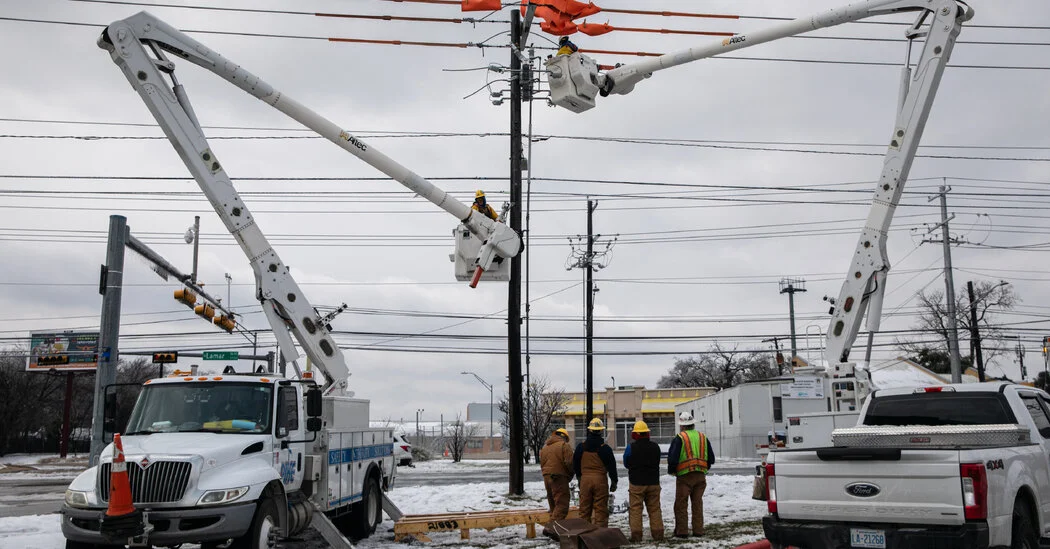
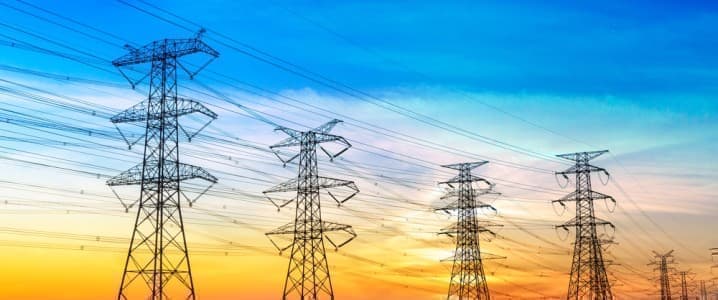
A North American Electric Reliability Corporation assessment warns that grid reliability is deteriorating as electricity demand climbs—driven by data centers—while retirement of coal- and gas-fired plants outpaces new generation, increasing the risk of blackouts for tens of millions over the next five years.
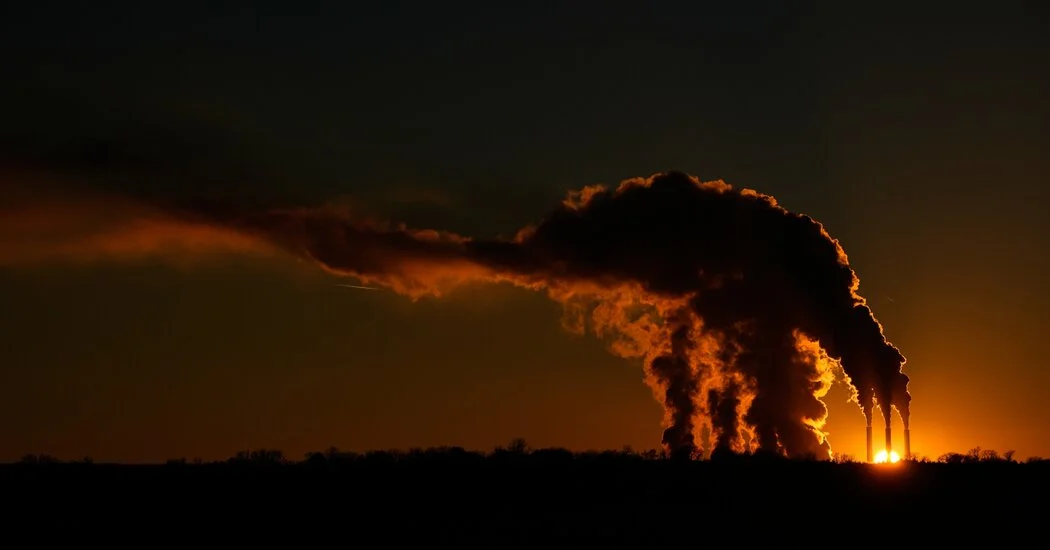
U.S. greenhouse gas emissions rose 2.4% in 2025, driven by a coal-power rebound as electricity demand climbed (notably from AI data centers) and colder weather boosting heating use; coal burn rose about 13% from 2024, while solar surged 34% and wind grew modestly. Transportation emissions remained flat thanks to hybrid and electric vehicles, though Trump-era policy changes could slow future declines. Methane leaks per barrel fell about 62% since 2015, but EPA rules have been delayed. Emissions are ~18% below 2005 levels and far from Biden’s 2030 target, with Rhodium Group forecasting slower declines ahead due to policy shifts.
Electricity demand is rapidly increasing, driven by the growth of data centers and AI development, with forecasts indicating a tripling of capacity needs, benefiting companies like WEC, AEP, EVRG, and PNW.
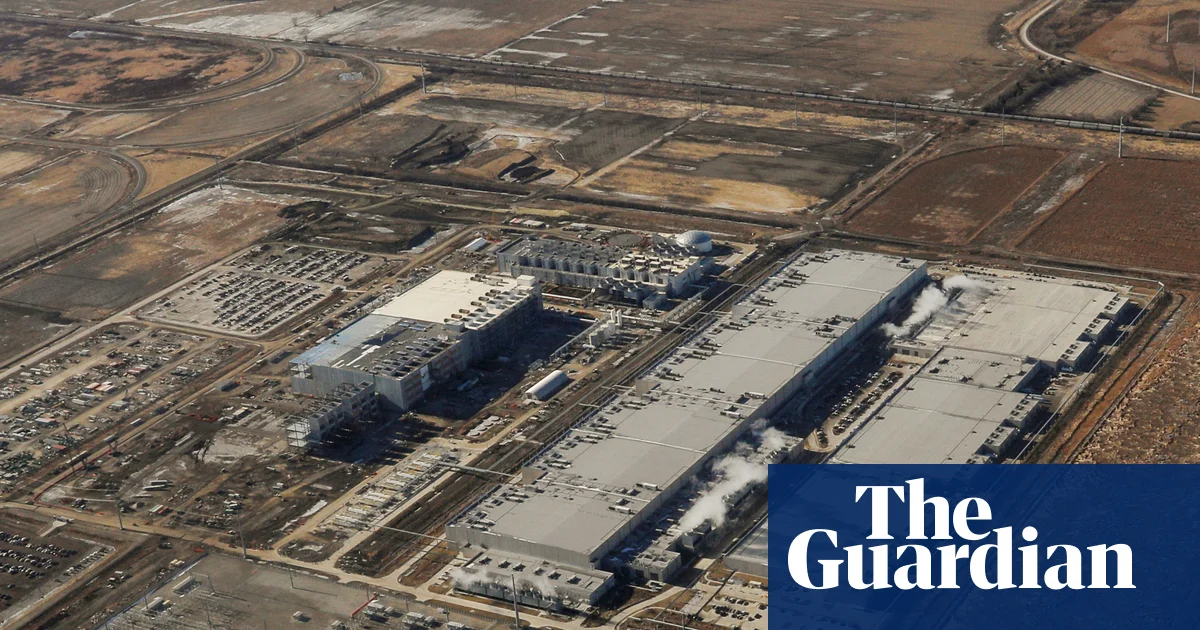
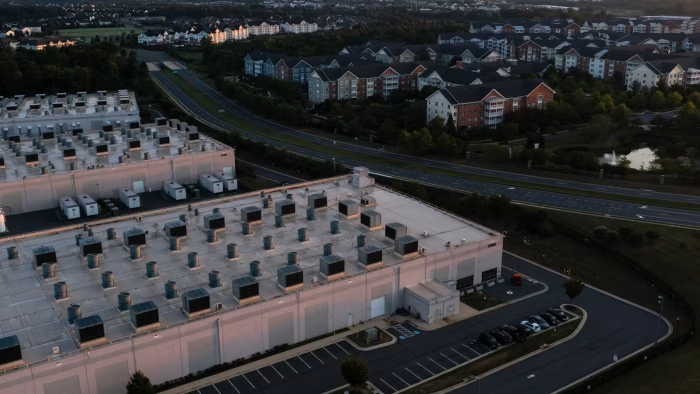
The rapid expansion of datacenters in the US to support AI growth is raising environmental concerns, including increased energy consumption, water use, and reliance on fossil fuels, which could significantly impact the climate and lead to higher electricity bills for households. The trend also has political implications, with debates over energy sources and regulation.
If everyone in the world turned on their lights simultaneously, it would cause a surge in electricity demand, risking power grid instability, increased sky glow, and light pollution, but the global power infrastructure and energy-efficient LED lighting would mitigate the risk of a total blackout.
The article discusses the manufacturing and deployment of high-capacity undersea power cables, crucial for global energy infrastructure, highlighting Prysmian's Finnish plant and the use of specialized ships like the Monna Lisa to lay cables for international power transfer and renewable energy projects, amid rising demand and supply chain challenges.
AI data centers are expected to increase their electricity consumption from 4 GW to 123 GW by 2035, posing significant challenges for power infrastructure, with obstacles like regulatory delays, labor shortages, and supply chain issues. Despite these hurdles, major investments are planned by utilities and tech companies, emphasizing the need for better collaboration and innovative infrastructure solutions.
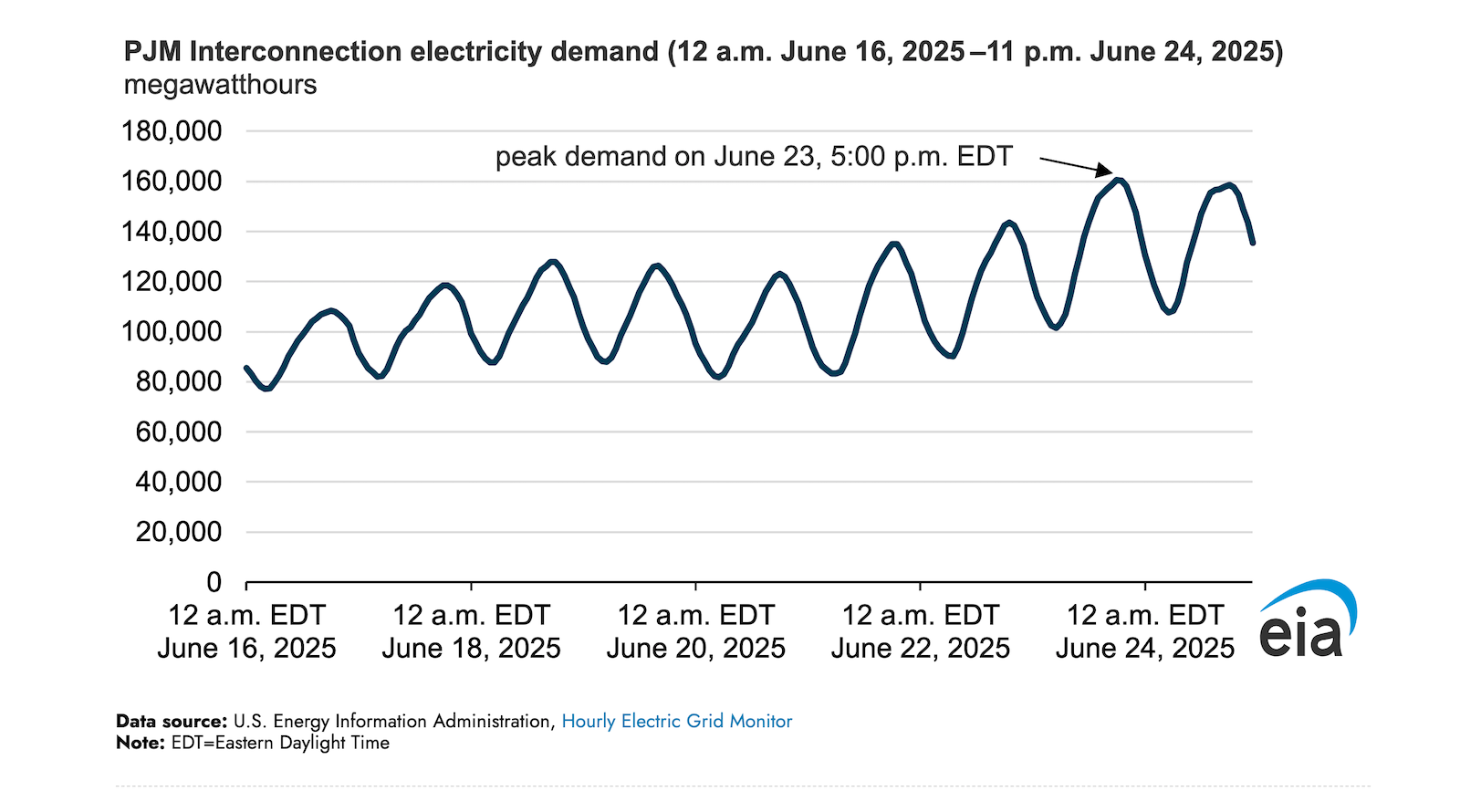
The electricity demand in the Eastern US surged to multi-year highs due to a heat wave, with peak loads in the PJM Interconnection and ISO New England reaching their highest levels since 2006 and 2013 respectively, driven by increased use of natural gas, imports, and other energy sources, and resulting in significantly higher wholesale electricity prices.
The US has declared a power emergency in the Southeast due to a severe heat wave causing high electricity demand, leading Duke Energy to request permission to operate at maximum capacity to prevent blackouts amid extreme temperatures exceeding 100°F in parts of the Carolinas.
The US faces significant challenges in powering the booming AI data centre industry due to strained interconnection queues, the need for new infrastructure, and market structures that may not incentivize sufficient supply, risking blackouts and higher costs. Industry leaders suggest that a large-scale, coordinated effort similar to the space race is necessary to meet the extraordinary growth in data centre energy demand, with innovative solutions like off-grid power and small modular reactors being explored.
The upcoming solar eclipse on April 8 will significantly reduce solar power production across the US, posing a critical test for the power grid. Grid operators are preparing for the eclipse's impact, which will require careful coordination to match electricity supply with demand. Challenges include rapid fluctuations in solar power generation and potential congestion in transmission. As the US faces growing energy demand and relies more on intermittent renewable sources, grid operators must navigate a delicate balance to ensure a stable and reliable power supply.
The United States is facing a power crunch as demand for electricity skyrockets due to the proliferation of data centers and clean-technology factories, leaving utilities and regulators struggling to expand the aging power grid. The surge in demand, driven by factors such as artificial intelligence, crypto-mining, and the Biden administration's industrial policy, is leading to battles over who will pay for new power supplies and threatening the transition to cleaner energy. As the grid struggles to keep up, companies are exploring off-the-grid solutions and alternative energy sources, while officials are grappling with the challenges of building new transmission lines and addressing the strain on the overtaxed grid.
Ontario announced a C$2-billion refurbishment of the aging Pickering nuclear power station near Toronto to extend its life by 30 years, aiming to meet the province's projected surge in electricity demand driven by clean technologies. The project is expected to create 11,000 jobs during construction and 6,400 jobs after completion, with the plant set to produce 2,000 megawatts of electricity. While nuclear energy is a key part of Canada's emissions reduction plan, environmental groups emphasize the need to consider other non-emitting sources for future projects.
A new report from the International Energy Agency predicts that data centers' electricity consumption, driven by cryptocurrencies and artificial intelligence, could double by 2026, equivalent to adding an extra country's worth of electricity demand. Cryptocurrency mining alone is estimated to account for nearly a quarter of this electricity consumption. The rapid expansion of data centers poses challenges for electricity systems, with concerns over environmental impact and strain on power grids. While renewable energy is forecasted to grow, improving energy efficiency is crucial to manage the increasing electricity demand.
Sub-zero temperatures in the U.S. have caused a significant drop in natural gas production, leading to record-high electricity demand in some states, particularly Texas. The state's grid regulator issued a conservation call due to freezing temperatures and low operating reserves. With gas and oil production declining in North Dakota, gas prices have surged, potentially setting the stage for a repeat of the 2021 winter power outages.