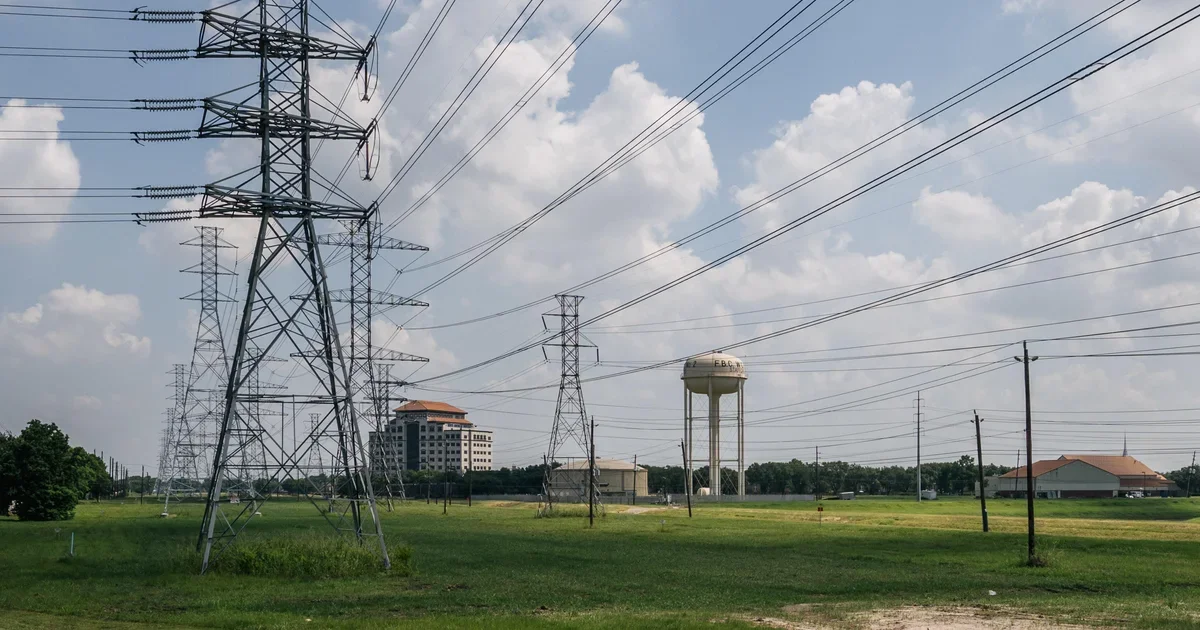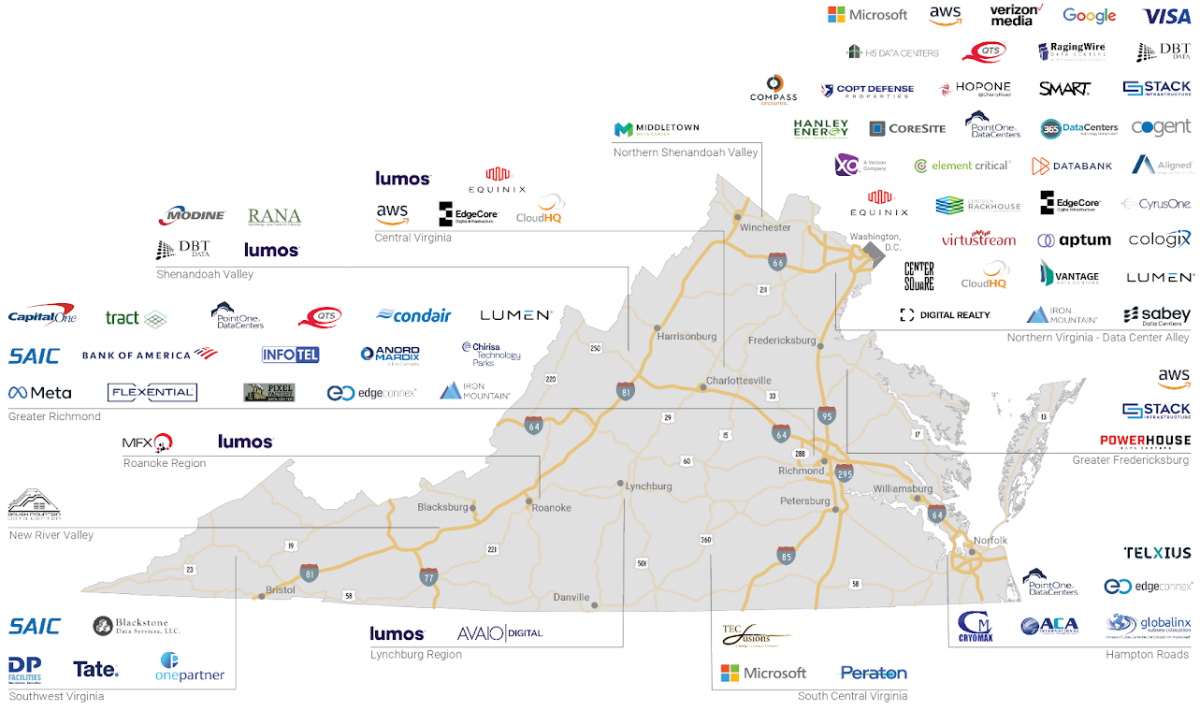
Rising electricity demand from AI data centers can temporarily increase retail energy prices due to capacity strain and infrastructure costs, but in the medium term, they may help lower rates by spreading fixed costs over more consumption and encouraging demand management. Effective policies and incentives are crucial to ensure that the benefits outweigh the costs for consumers.
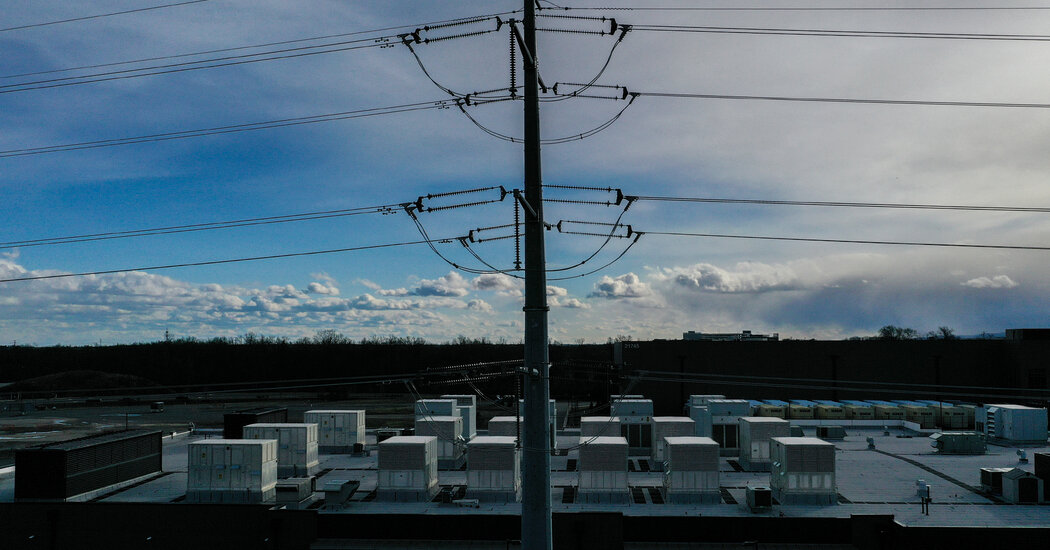
Big Tech companies like Amazon, Google, and Microsoft are significantly transforming the U.S. power grid by building data centers and expanding into energy, which could lead to higher electricity rates for consumers and small businesses as their demand for power increases, blurring the lines between energy consumers and producers.
New Jersey residents will see a significant increase in electricity bills starting Sunday, with rates rising over 20% due to market pressures and insufficient local energy generation, prompting government and utility efforts to mitigate costs and promote energy efficiency.
The California Public Utilities Commission is considering a proposal to reduce electricity rates for customers across the state, with most customers paying a flat charge of about $24 and seeing a decrease in electricity rates by five to seven cents per kilowatt hour. The new billing structure aims to distribute fixed costs more evenly among customers and encourage conservation, particularly among low-income customers. Reactions to the proposal are mixed, with some expressing cautious optimism while others anticipate ongoing affordability issues. If adopted, the changes would be implemented by late next year.
Duke Energy customers in North Carolina are experiencing higher bills due to new rates approved by the North Carolina Utilities Commission, with electric rates set to increase over the next few years. Duke Energy attributes the increase to investments in infrastructure, clean energy transition, and storm costs. The Summary of Rider Adjustments on bills reflects various fees related to energy generation and distribution, and Duke Energy acknowledges the need for better communication and customer education regarding bill changes. Customers have expressed concerns about the lack of energy company options in North Carolina.
Democratic lawmakers in California are seeking to reverse a rule that mandates major utility companies to set electricity and gas rates based on customer income rather than energy use, a rule they helped pass in 2022. The legislation, part of a budget trailer bill, has faced criticism for lack of public discussion. Lawmakers representing coastal districts have filed a bill to repeal parts of the rule, citing concerns about increased costs and privacy issues. The California Public Utilities Commission is still analyzing rate design proposals, with potential impacts of up to $125 a month for some customers. The move is seen as critical for California's climate goals, but there are concerns about its impact on low-income communities.
New Jersey is moving forward with new offshore wind projects after Ørsted's major developments failed in 2023. The state's utility regulators approved contracts for two projects, aiming to revitalize offshore wind dreams and supply electricity to 1.8 million homes. The new contracts include provisions to mitigate future cancellation risks and account for inflationary pressures, but are expected to increase utility rates in the state. Despite the setbacks, Democratic New Jersey Gov. Phil Murphy remains optimistic about the future of offshore wind in the state and its contribution to a 100% clean energy economy by 2035.
Eversource, a utility company in New Hampshire, is proposing a significant rate cut for electricity supply starting in February. The price of generating electricity has decreased, leading to a proposed drop in supply rates from 12.58 cents to 8.29 cents per kilowatt hour. If approved by the state's Public Utilities Commission, this would result in a 35% decrease in overall electric bills for customers. Eversource attributes the rate cut to the stabilization of the natural gas market, as New England heavily relies on natural gas for electricity generation.
The Michigan Public Service Commission has approved a $368 million electric rate increase for DTE Energy customers, which is about 60% of what the utility initially requested. The increase will cost the average residential customer about $6.51 more per month on their electricity bill. DTE argued that the impact to customers' bills will be offset by other recent cost savings realized by the company. The rate hike is aimed at improving grid reliability and reducing outages in the state. The approved rates will be effective from December 15 for DTE's 2.3 million electricity customers in southeast Michigan and the Thumb area.
Rhode Island's Public Utilities Commission (PUC) has approved an electric rate hike for the winter, resulting in an average increase of over 24% in monthly utility bills for residential households. The new rate of 17.74 cents per kilowatt hour is higher than the summer rate but slightly lower than last winter's rate. PUC Chairman Ron Gerwatowski expects such increases to be typical in the next few years. To offset the higher costs, the state will suspend the gross earning tax and provide $3 million in relief for low-income customers. Governor Dan McKee also announced additional measures to lower costs for residents.
Electricity rates in Texas have surged as the state experiences a heat wave, with demand for electricity reaching record levels. Prices rose from $275 per megawatt-hour on Saturday to $2,500 per megawatt-hour on Sunday, according to data from the Electric Reliability Council of Texas (ERCOT). The grid operator has issued a weather watch for higher temperatures, warning of heavier demand on the electrical grid. Texas relies heavily on natural gas for power, but solar power generation has increased significantly in recent years. The state's grid is not connected to the rest of the country, limiting options for importing power during shortages or failures.
Consumers Energy and DTE have increased their electricity rates during peak hours of the day, with Consumers increasing its price per kWh by 1.5 times during weekdays from 2-7 p.m. and DTE increasing its price per kWh from 16.75 cents to 20.98 cents during weekdays from 3-7 p.m. This is the first summer that DTE has implemented peak hour pricing, following the Michigan Public Service Commission's order to implement time-based pricing.
AEP Ohio's nearly 30% rate increase on bills for a major portion of its customers has gone into effect. The increase comes after the latest competitive auction for electricity generation on March 7. The price increase will affect any AEP Ohio customer who is using the Standard Service Offer (SSO). Customers can choose who generates their electricity rather than accept the SSO price. AEP Ohio also offers assistance like payment extensions and different monthly payment plans for customers struggling with higher bills.
DTE and Consumers Energy customers in Michigan will face higher electricity rates during peak hours this summer, as part of a new pricing mechanism known as "time of use" rates. The rates, which started on June 1 and last until the end of September, will make it more expensive to use electricity during the late afternoon and early evening hours. Customers are encouraged to reduce electricity use during peak hours or shift use to mornings, nights, and weekends to save money.
Eversource, an electric utility company in Connecticut, has announced a 22% decrease in its electric rates for residential customers starting July 1. The average home using 700 kWh each month would see a $56 decrease in its bill. However, the delivery charge will increase by $16 due to the expiration of a $12 bill credit that went into effect in January. Eversource has urged customers to take advantage of energy efficiency and payment programs to keep energy usage low this summer. The company files to change rates twice annually, with rates likely to increase again next year.