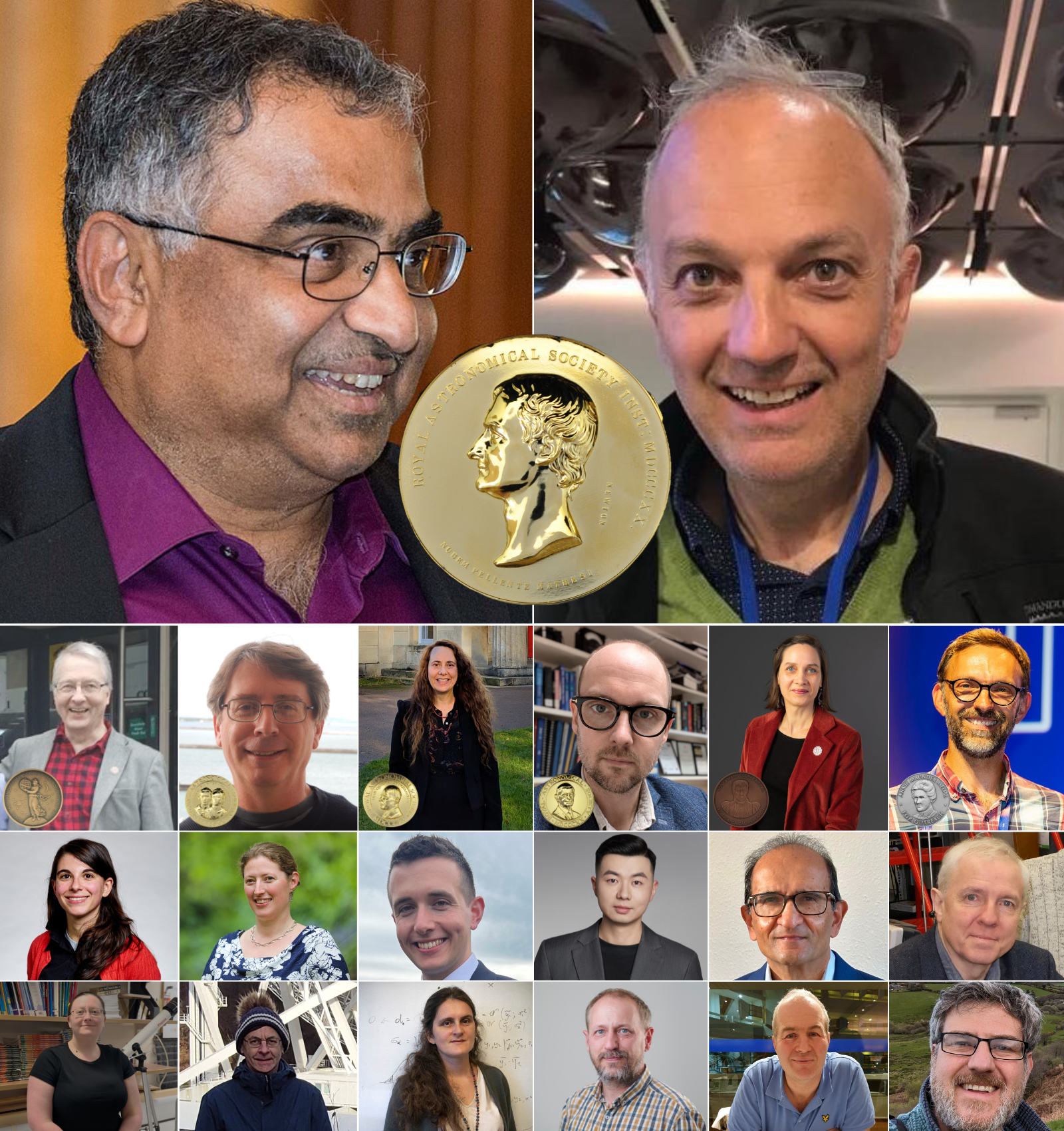
The Royal Astronomical Society announced its 2026 award winners, including Professor Shrinivas Kulkarni for astronomy and Professor Andrew Jackson for geophysics, recognizing groundbreaking contributions in their fields, along with other medals honoring achievements in astrophysics, instrumentation, outreach, and history of astronomy.
Telluride Film Festival 2025 features a diverse lineup including awards contenders, discoveries, and classics, with festival director Julie Huntsinger discussing how she balances these elements to create a compelling program.
In 2024, a series of remarkable archaeological and art historical discoveries were made, including a large Roman dodecahedron in England, a new Chopin waltz in New York, and the earliest known cave paintings in South America. Other finds included a 2,492-carat diamond in Botswana, a 4,000-year-old lipstick in Iran, and a marble statue of Hermes in Bulgaria. Additionally, a potential Picasso painting was identified in Italy, and erotic frescoes were uncovered in Pompeii. These discoveries highlight the diverse and rich history of human civilization.
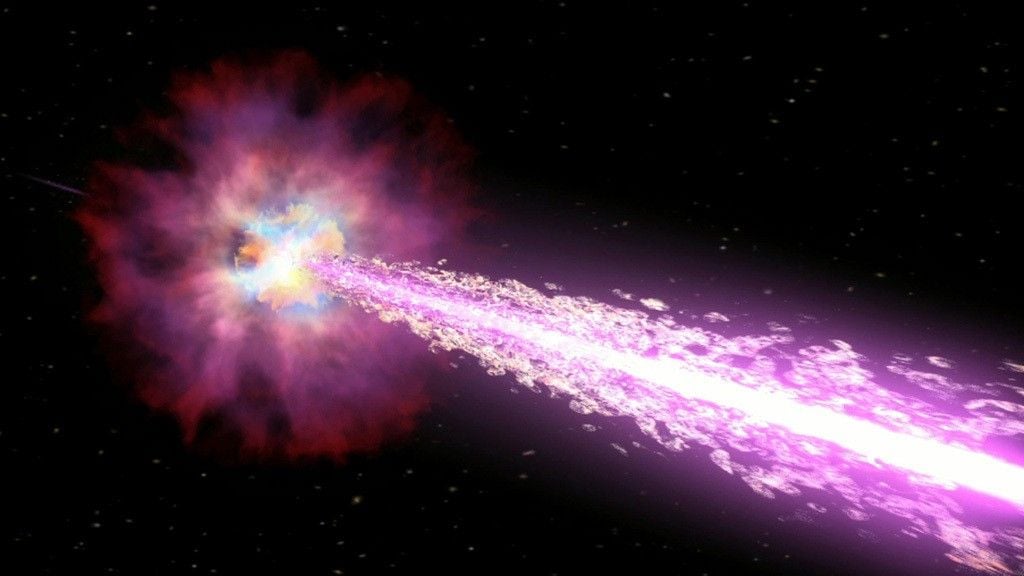
NASA's heliophysics missions, primarily focused on studying the Sun, have led to unexpected discoveries in other scientific fields. These include the identification of over 5,000 sungrazing comets by the SOHO mission, insights into the dimming of the supergiant star Betelgeuse by the STEREO spacecraft, and observations of Venus' surface by the Parker Solar Probe. Additionally, NASA's Wind spacecraft detected the brightest gamma-ray burst ever recorded, and the ICON mission revealed the impact of the Hunga Tonga-Hunga Ha‘apai volcanic eruption on Earth's ionosphere.
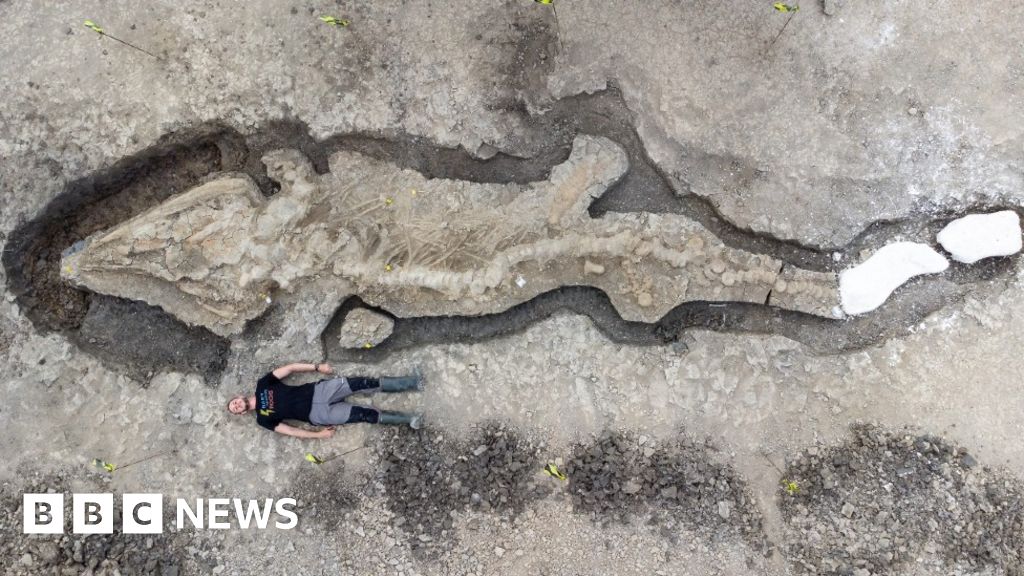
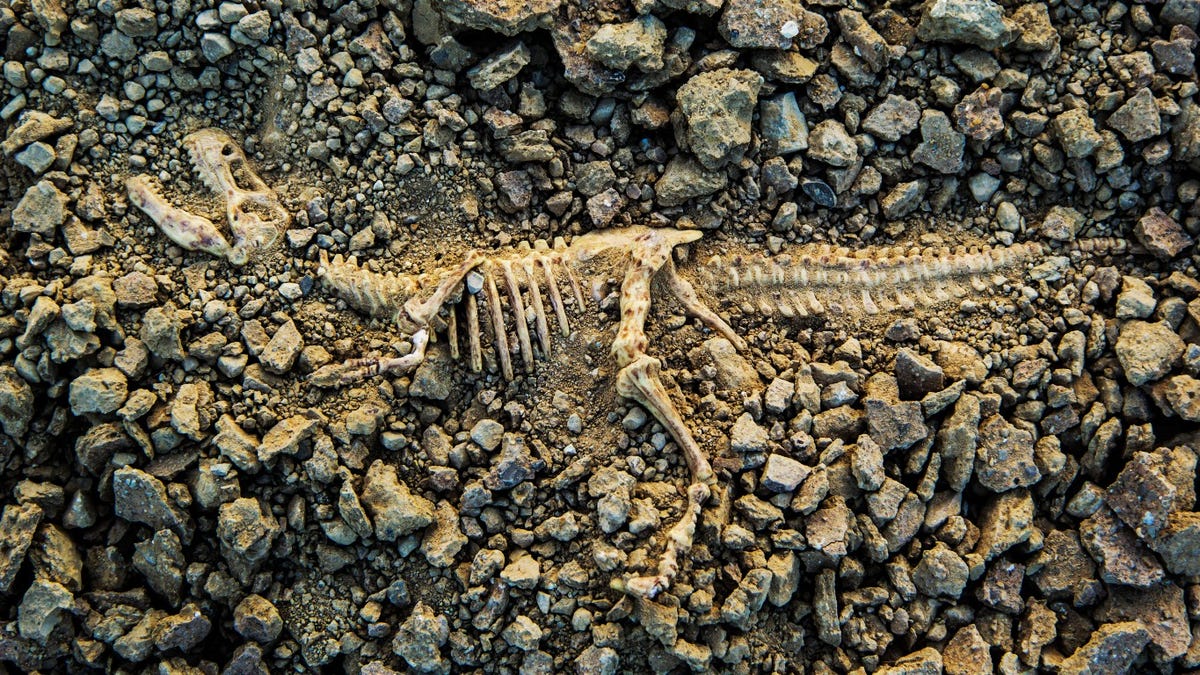
England has a rich history of significant fossil discoveries, including a 33ft long ichthyosaur fossil in Rutland, the world's first dinosaur Megalosaurus, Britain's oldest human fossil Boxgrove Man, an Ice Age mammoth graveyard in Wiltshire, and a new species of theropod dinosaur found on the Isle of Wight. These discoveries provide valuable insights into the ancient creatures that once roamed the region and contribute to our understanding of prehistoric life.
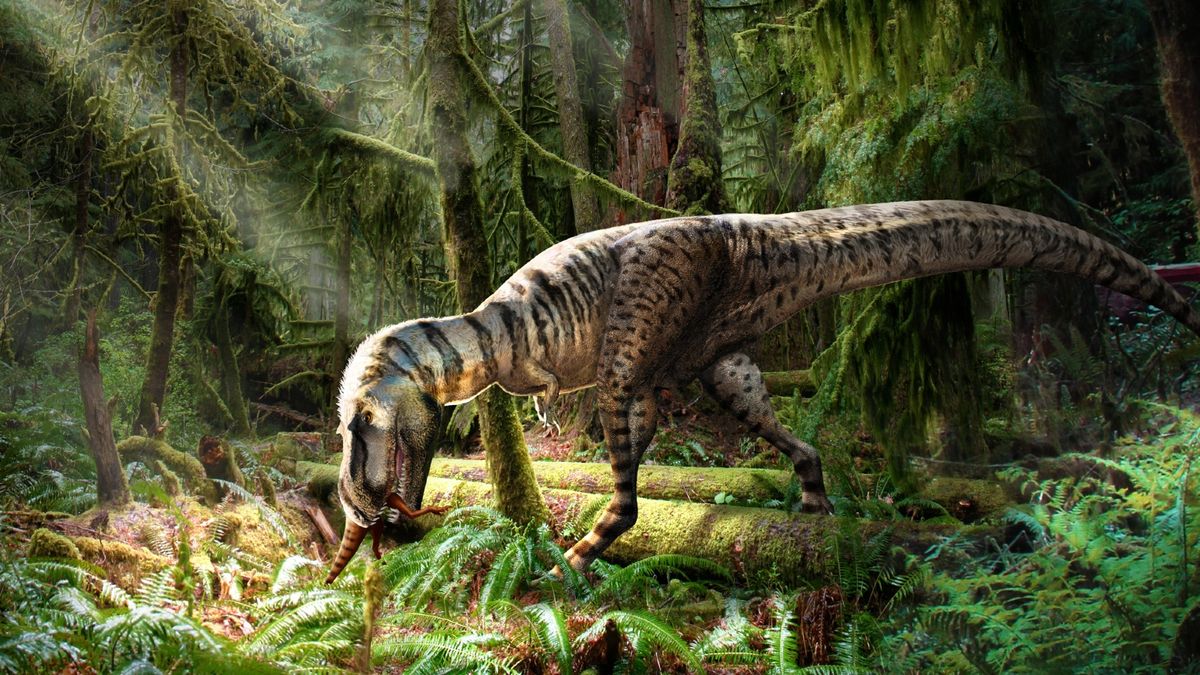
Paleontologists have made several remarkable dinosaur fossil discoveries in 2023, including the first-ever tyrannosaur meal found inside a juvenile Gorgosaurus, a new species of titanosaur in Spain, a cliff covered in fossilized footprints from various dinosaurs in Alaska, entwined fossils of a dinosaur and mammal locked in a battle to the death in China's "dinosaur Pompeii," the first-ever non-avian dinosaur voice box found in Mongolia, an animated reconstruction of a never-before-seen duck-billed dinosaur in Chile, a new species of ankylosaur with blade-like armor in the UK, a new plant-eating dinosaur species named after a Roman god in Utah, X-ray scans revealing that dinosaur feathers were more similar to modern bird feathers than previously thought, and evidence of communal nesting in a small bird-like dinosaur in Canada.
Paleontologists made several exciting discoveries in 2023, including a teenage gorgosaurus with the hindlimbs of two-year-old dinosaurs in its stomach, the fossil of a 24-foot-long lizard called Jormungandr walhallaensis, evidence suggesting that dust from the asteroid impact caused the Cretaceous-Paleogene mass extinction, a fossil showing a possum-sized mammal biting down on a beaked dinosaur, an immaculately preserved trilobite, an agate formed inside a dinosaur egg, the discovery of a peculiar reptile with scimitar-like claws, the finding of 92 titanosaur nests in India, the revelation that meat-eating theropod dinosaurs had skin covering their teeth, and the discovery of a Microraptor with a mammal's foot in its stomach. Additionally, the American Ornithological Society announced the removal of human names from common English names of North American birds.
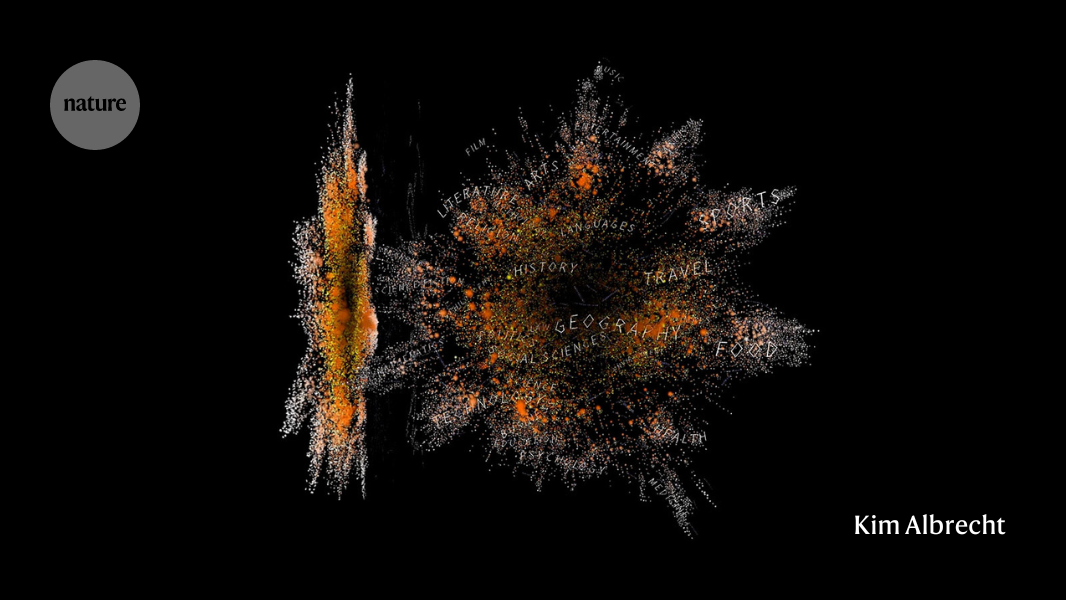
Nature's 10 list highlights key developments in science and the individuals who contributed to them, including an AI pioneer, an architect of India's Moon mission, and the world's first global heat officer. The list also acknowledges the role of artificial intelligence in advancing scientific progress.
NPR Music has released a list of the 123 best songs of 2023, with no rankings and a different order each time the page is loaded. The list aims to provide listeners with a wide range of songs and encourages active engagement with the music. Users can explore hand-picked collections of similar songs and follow playlists for further recommendations. The list offers endless possibilities for discovering new music and making connections into 2024.
A recent study has revealed the states with the most dinosaur discoveries in the United States, with Montana, Wyoming, and Utah topping the list. These states have been rich in fossil finds, providing valuable insights into the prehistoric world and contributing to our understanding of dinosaurs and their evolution.
Reddit users share surprising family secrets discovered while cleaning out the homes of deceased family members, including hidden families, suicide prevention measures, hidden rooms with meth labs, heartfelt letters, hidden money, and unexpected relationships. These stories highlight the complexity of the grieving process and the unexpected revelations that can arise during this time.
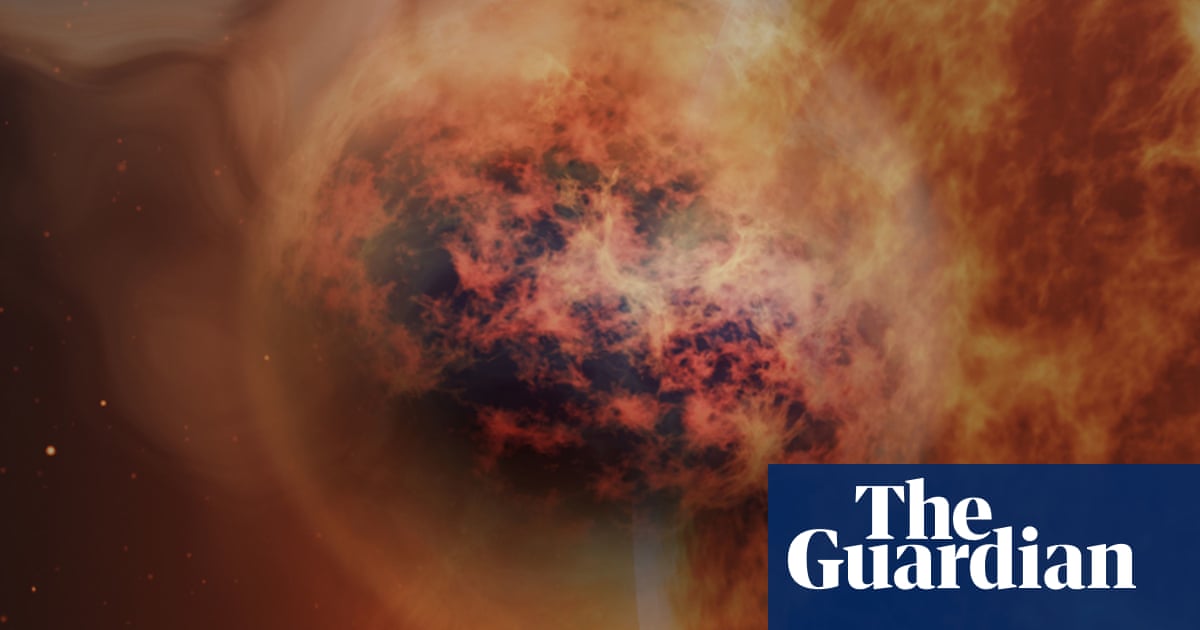
Science correspondent Hannah Devlin discusses the incredible discoveries made by the James Webb space telescope in the year since it became operational, including planets that rain sand and distant galaxies. These findings have the potential to revolutionize our understanding of the universe.
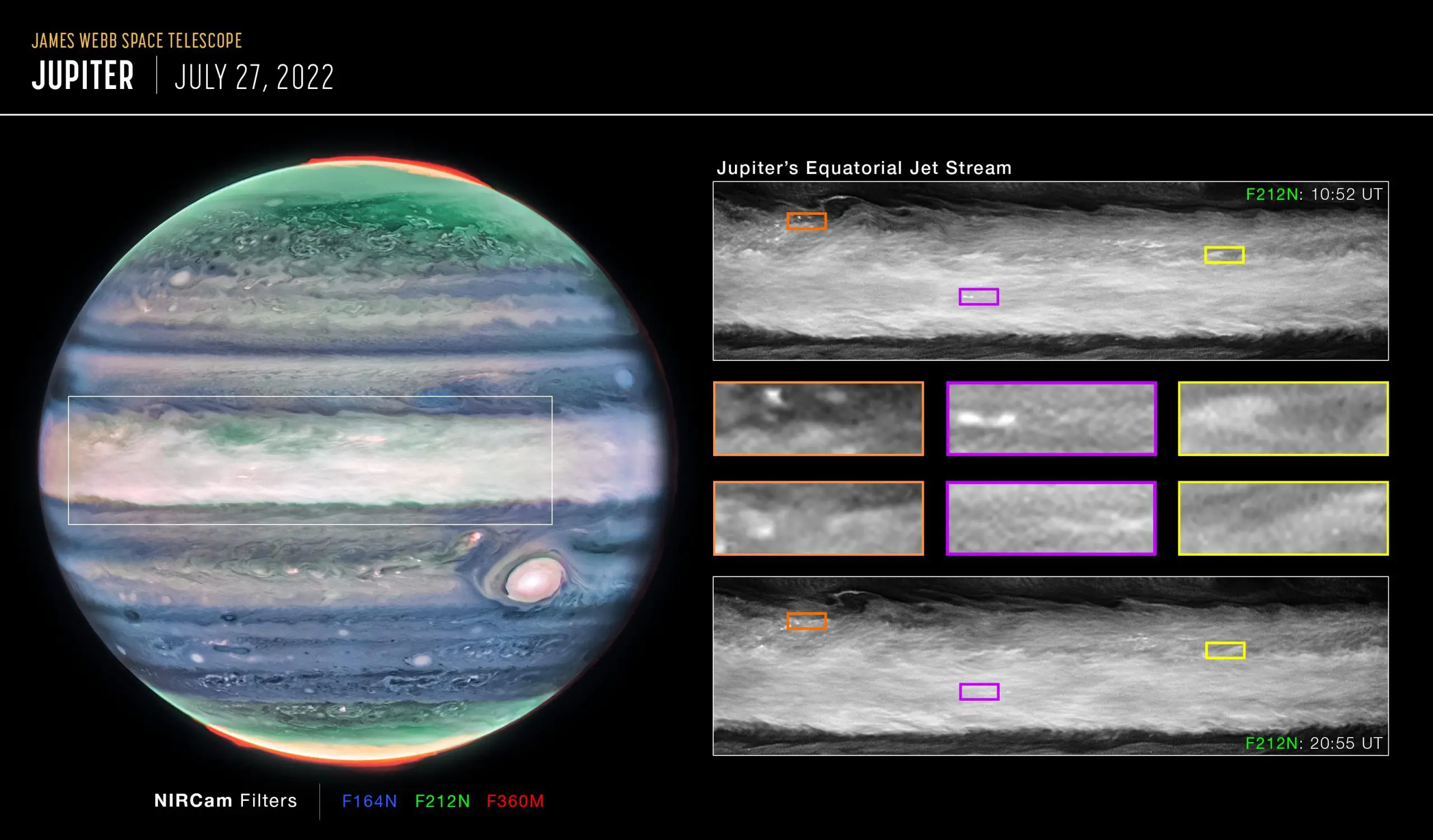
NASA's James Webb Space Telescope has discovered a new feature in Jupiter's atmosphere - a high-speed jet stream spanning over 3,000 miles wide above the planet's equator. This finding provides insights into the interaction of different layers of Jupiter's atmosphere and highlights the unique imaging capabilities of the Webb telescope. The jet stream, which travels at about 320 miles per hour, is located around 25 miles above the clouds in Jupiter's lower stratosphere. Further observations will be conducted to determine if the jet's speed and altitude change over time.
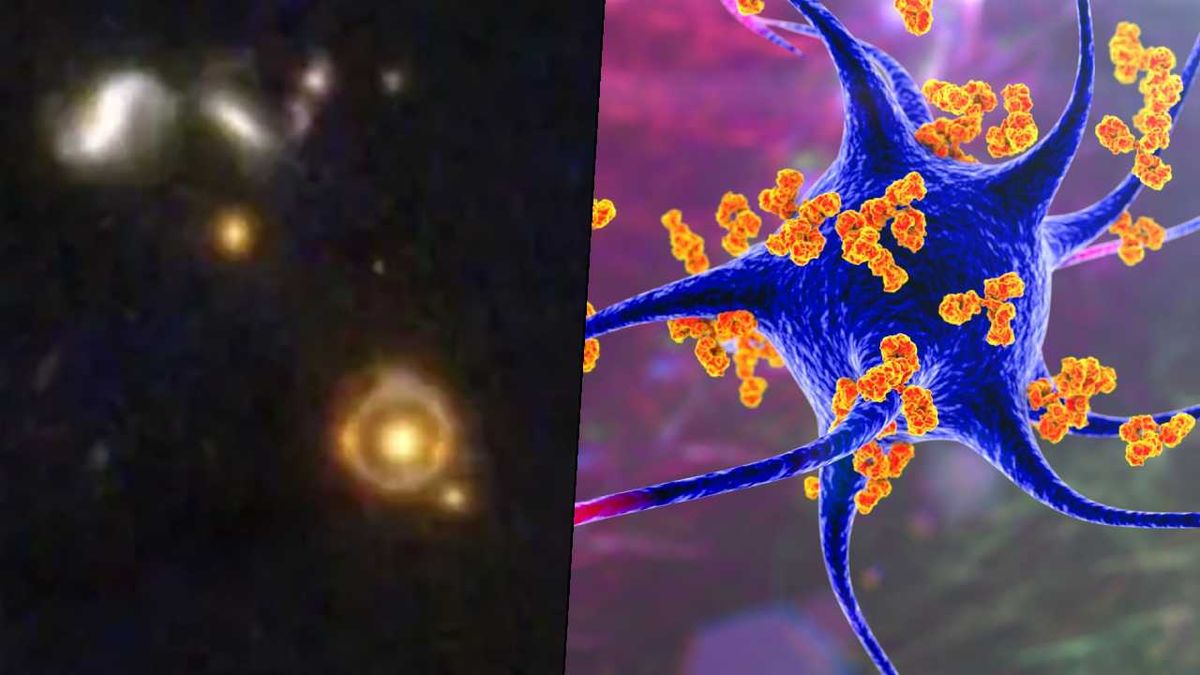
This week in science news, the James Webb Space Telescope made several exciting discoveries, including capturing an image of an "Einstein ring" and finding an ancient supernova. Scientists are also testing an "inverse vaccine" that successfully treated a multiple sclerosis-like condition in mice. In other news, a lost language was discovered on an ancient clay tablet in Turkey, and a reconstruction of a young woman from the Bronze Age reveals what she may have looked like.
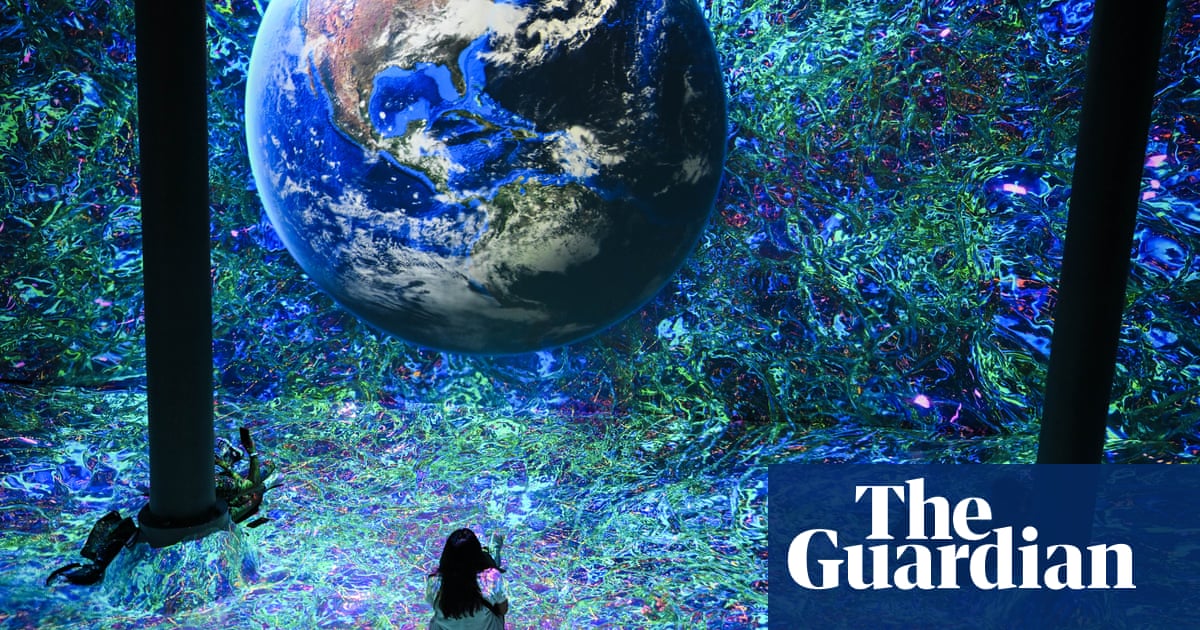
An exhibition using cinematic visuals and an original score, with input from NASA's Goddard Space Flight Center, the James Webb space telescope team, and Johns Hopkins University, immerses the audience in the story of light and its discoveries.