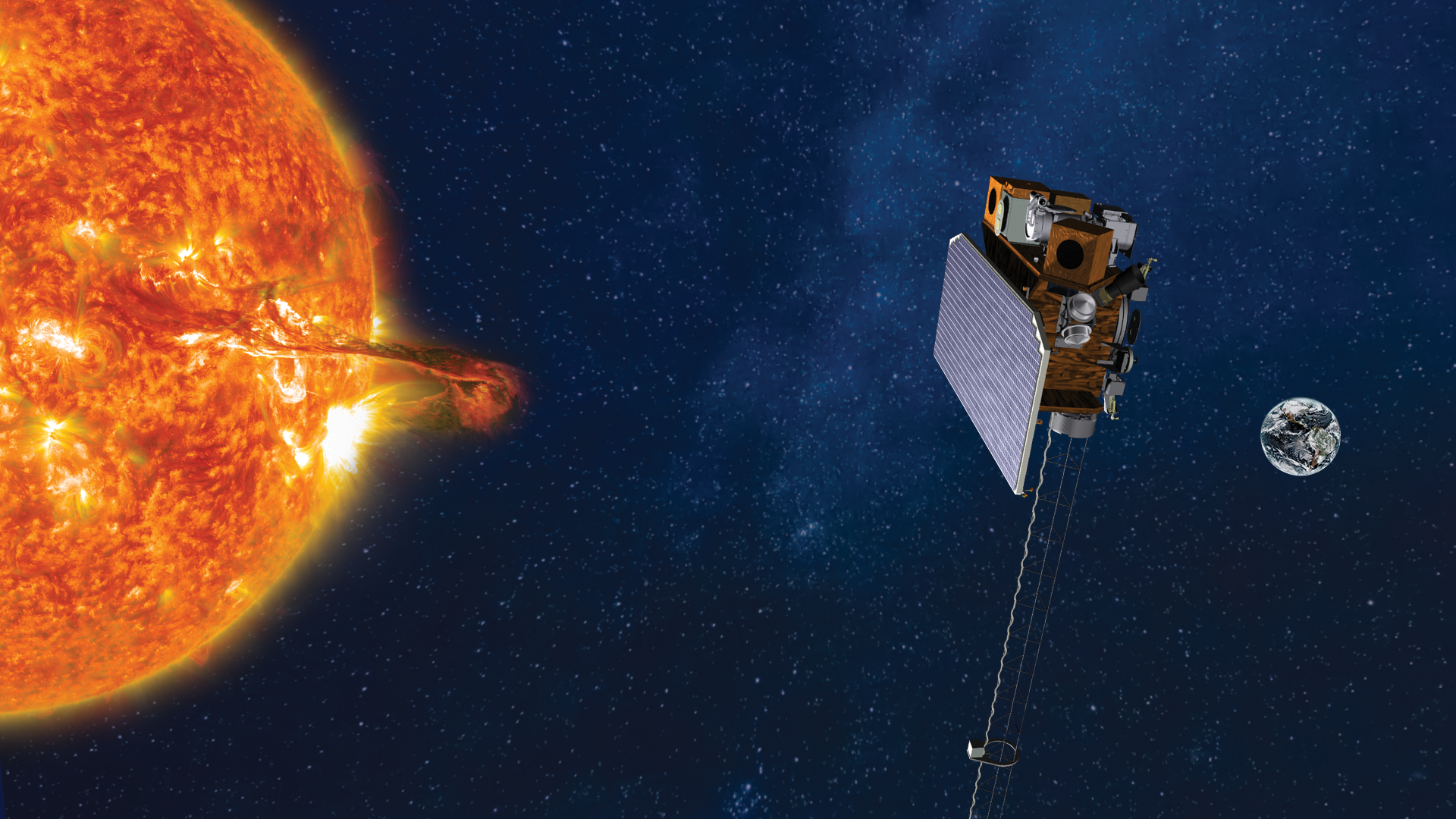
SOHO has been observing the Sun for 30 years, providing invaluable data that has revolutionized our understanding of solar phenomena, contributed to space weather forecasting, and supported numerous scientific discoveries and subsequent missions.
NASA and NOAA are launching three spacecraft to study the Sun's influence on the solar system, focusing on solar wind, space weather, and Earth's exosphere, to improve understanding and prediction of space weather impacts on Earth and space missions.
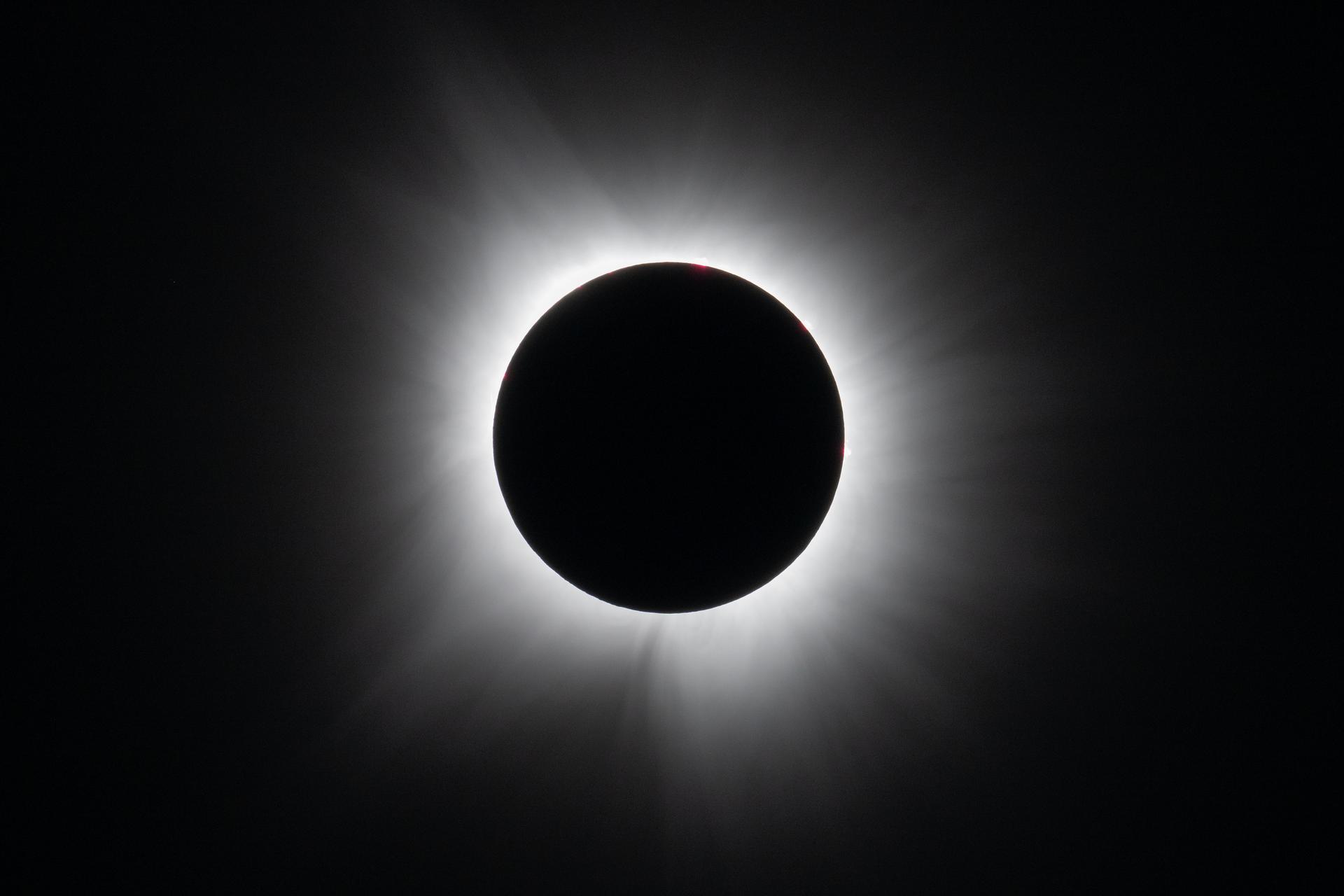
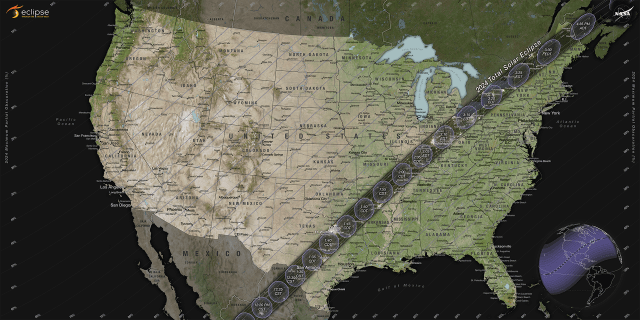
NASA-funded research during the April 8, 2024, total solar eclipse across North America yielded significant findings on the Sun's interaction with Earth's atmosphere. Projects like the Citizen CATE 2024 captured over 47,000 images of the Sun's corona, while NASA's WB-57 aircraft collected detailed data despite some challenges. The Ham Radio Science Citizen Investigation observed ionospheric changes affecting radio signals, and the Nationwide Eclipse Ballooning Project confirmed atmospheric gravity waves. These efforts highlight the role of citizen scientists and advanced technology in understanding solar impacts on Earth.
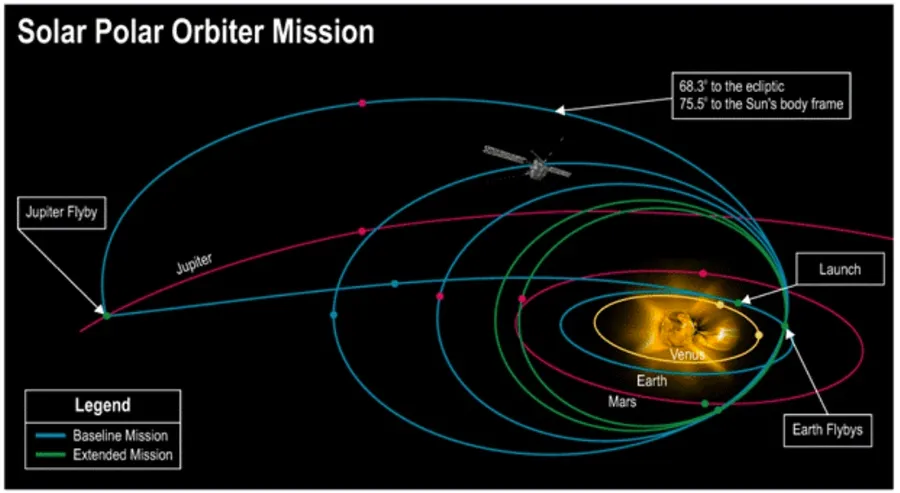
The latest heliophysics decadal survey recommends NASA pursue two major missions: the Links mission to study Earth's magnetosphere and the Solar Polar Orbiter to explore the sun's polar regions. These missions, estimated to cost $1.86 billion and $2.08 billion respectively, are part of a broader strategy to enhance solar and space physics research. However, funding challenges persist, as NASA's proposed budget cuts threaten the continuation of the Geospace Dynamics Constellation mission, raising concerns about the feasibility of these new initiatives.
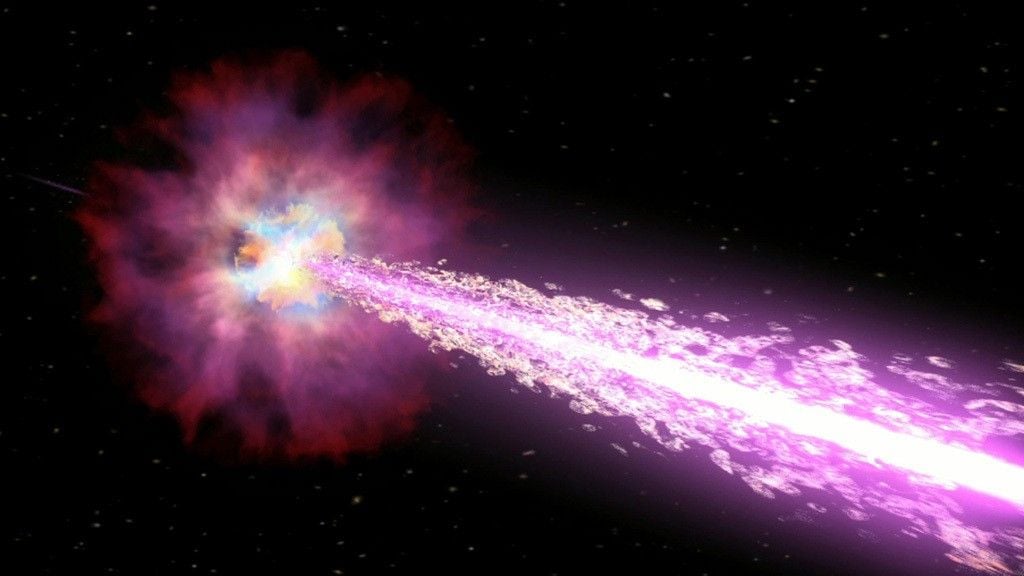
NASA's heliophysics missions, primarily focused on studying the Sun, have led to unexpected discoveries in other scientific fields. These include the identification of over 5,000 sungrazing comets by the SOHO mission, insights into the dimming of the supergiant star Betelgeuse by the STEREO spacecraft, and observations of Venus' surface by the Parker Solar Probe. Additionally, NASA's Wind spacecraft detected the brightest gamma-ray burst ever recorded, and the ICON mission revealed the impact of the Hunga Tonga-Hunga Ha‘apai volcanic eruption on Earth's ionosphere.
NASA is inviting people to participate in citizen science projects to contribute to research on the Sun and its influence on Earth. These projects cover various areas of research, including the upcoming total solar eclipse on April 8, 2024. Participants can observe natural phenomena, analyze data, and even become co-authors of scientific papers. The projects are open to everyone and offer opportunities for learning and involvement in ongoing research.
NASA's Curious Universe podcast explores the Sun in a new five-part miniseries, delving into the mysteries of our closest star and its impact on Earth. The podcast features NASA Sun scientist Joe Westlake, who discusses the Sun's formation, its role in shaping the solar system, and its influence on life on Earth. The episode also highlights NASA's missions and spacecraft dedicated to studying the Sun, including the Parker Solar Probe, which aims to touch the Sun's corona.
A rare "ring of fire" solar eclipse will be visible in parts of the contiguous United States and Alaska on Saturday. Experts warn against looking directly at the eclipse to avoid serious eye damage, even with sunglasses. The preferred methods for viewing the eclipse are using solar glasses or creating a pinhole projection. This eclipse marks the beginning of a significant year for heliophysics, with another eclipse in April 2024 and the launch of the Parker Solar Probe.
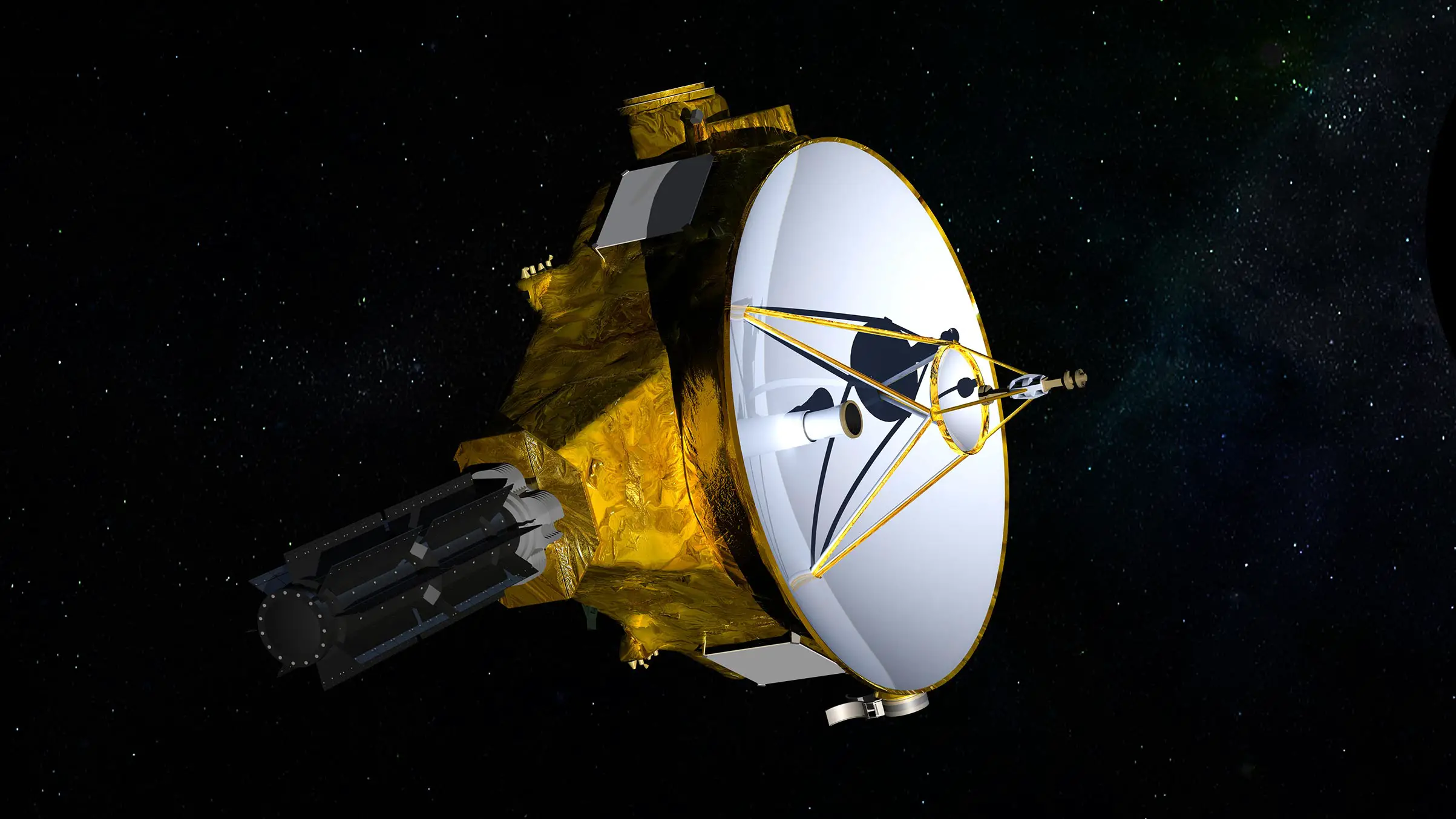
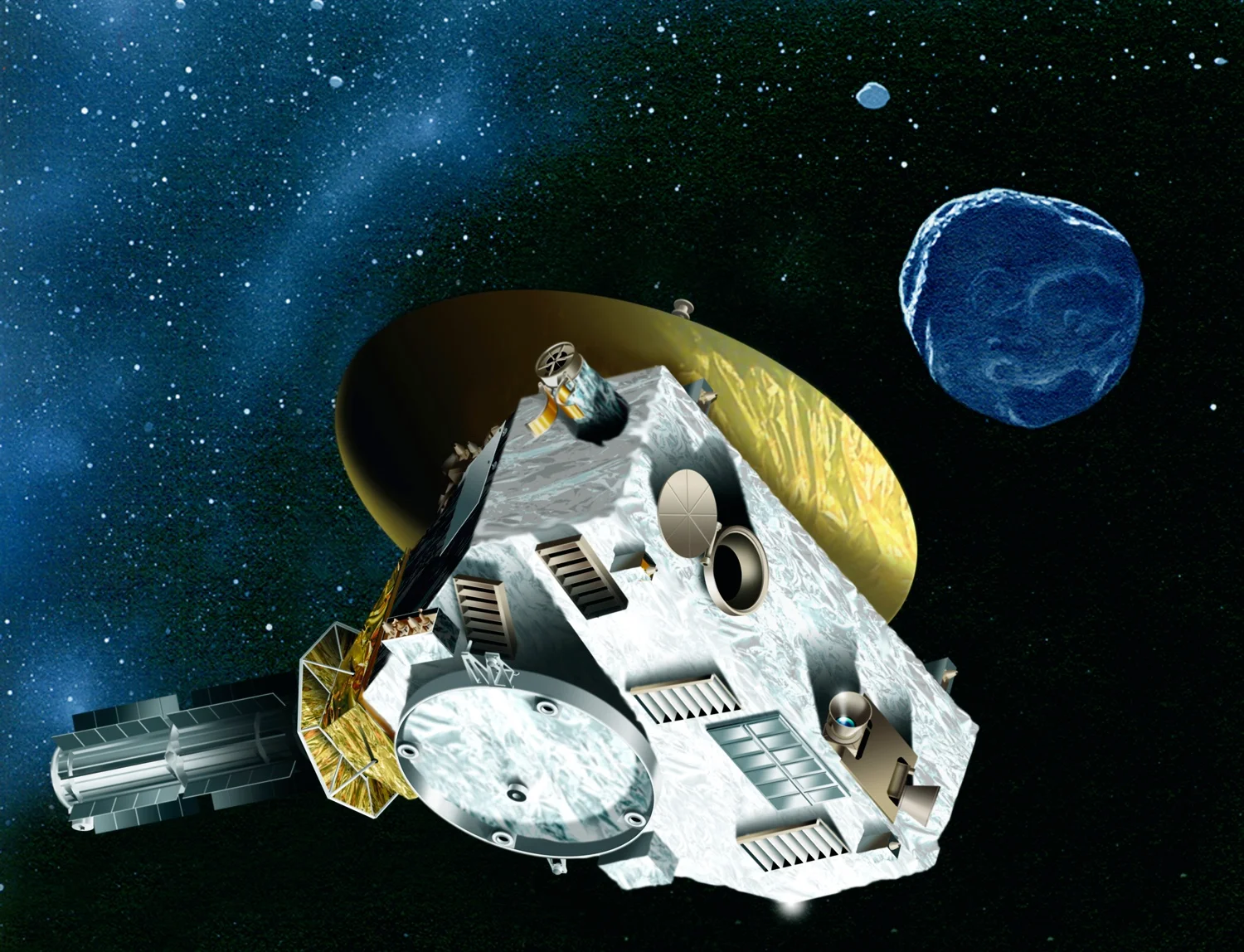
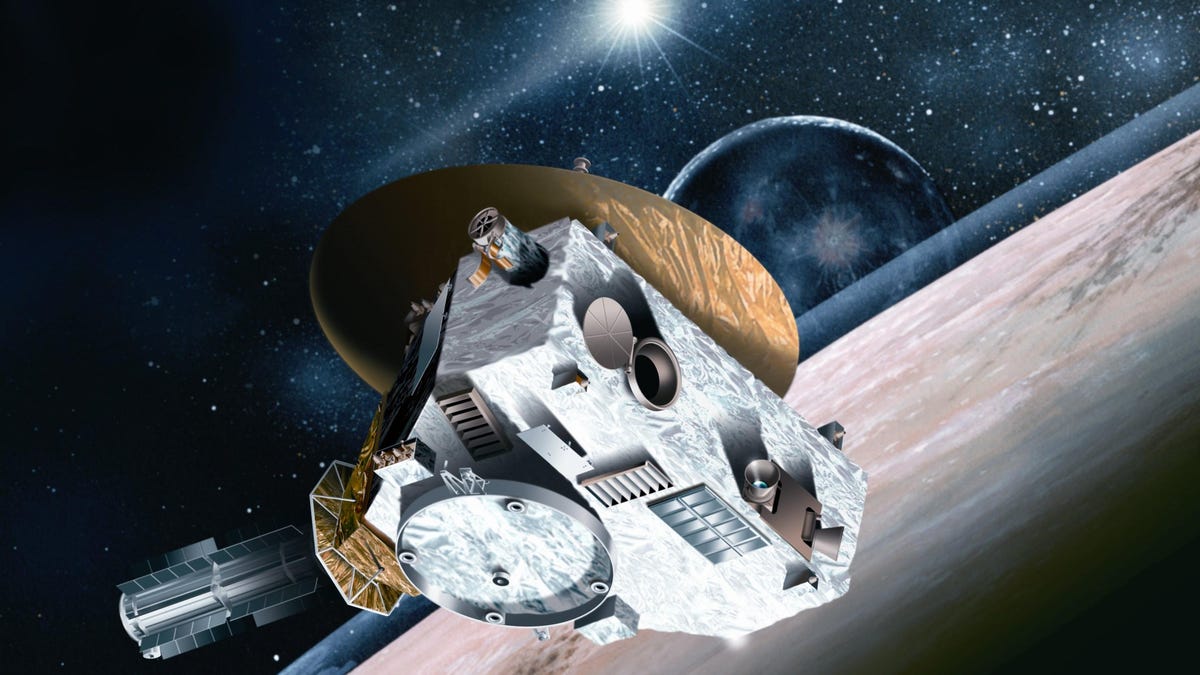
NASA's New Horizons mission will continue its exploration of the outer solar system, with a focus on collecting unique heliophysics data starting in 2025. The extended mission will also allow for potential future flybys of the Kuiper Belt if a suitable object is identified. The mission will be primarily funded by NASA's Planetary Science Division and managed jointly by NASA's Heliophysics and Planetary Science Divisions. The Johns Hopkins University Applied Physics Laboratory and the Southwest Research Institute are key institutions involved in the mission.
NASA has extended the mission of its New Horizons spacecraft through the late 2020s, allowing for the possibility of another Kuiper Belt object flyby. The focus of the extended mission will be collecting heliophysics data as the spacecraft exits the solar system. The decision comes after concerns were raised about the future of the mission, which was initially approved only until 2024. The extended mission will be jointly managed by NASA's heliophysics and planetary science divisions, primarily funded by planetary science.
NASA has chosen four small explorer missions to conduct concept studies, aiming to expand knowledge of the Sun's dynamics and its connection to Earth. The missions include CINEMA, which will study Earth's plasma sheet; CMEx, which will observe the solar magnetic field in the chromosphere; ECCCO, which will investigate the middle corona and solar wind; and MAAX, which will explore the electrodynamic coupling between Earth's magnetosphere and ionosphere. These studies have the potential to provide new insights into the solar atmosphere and space weather, benefiting astronauts, satellites, and space exploration.
NASA has announced an extended mission for the New Horizons spacecraft, focusing on gathering heliophysics data and potentially conducting a close flyby of a Kuiper Belt object if one is identified. The mission, primarily funded by NASA's Planetary Science Division, will continue until the spacecraft exits the Kuiper Belt in 2028-2029. The budget impact will be assessed, and funding within the New Frontiers program will be rebalanced. New Horizons has previously explored Pluto and the Kuiper belt object Arrokoth, providing valuable insights into the outer solar system.
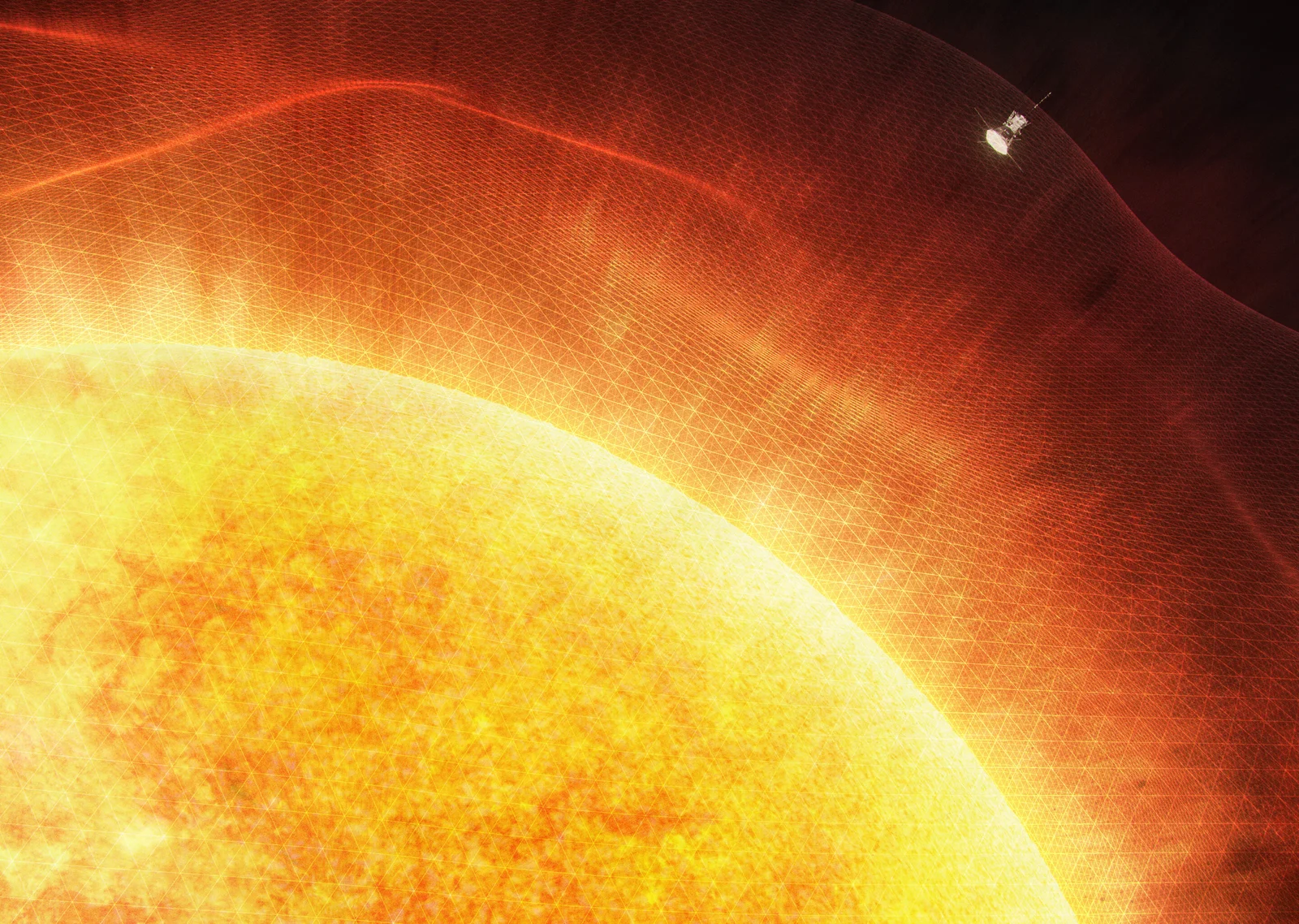
NASA's Parker Solar Probe successfully completed its 16th orbit around the sun, coming within 5.3 million miles of the solar surface during its close approach. The spacecraft emerged from the flyby in good health and will soon embark on its sixth flyby of Venus. These flybys help tighten the probe's orbit around the sun, allowing for closer perihelion passes and valuable insights into heliophysics.
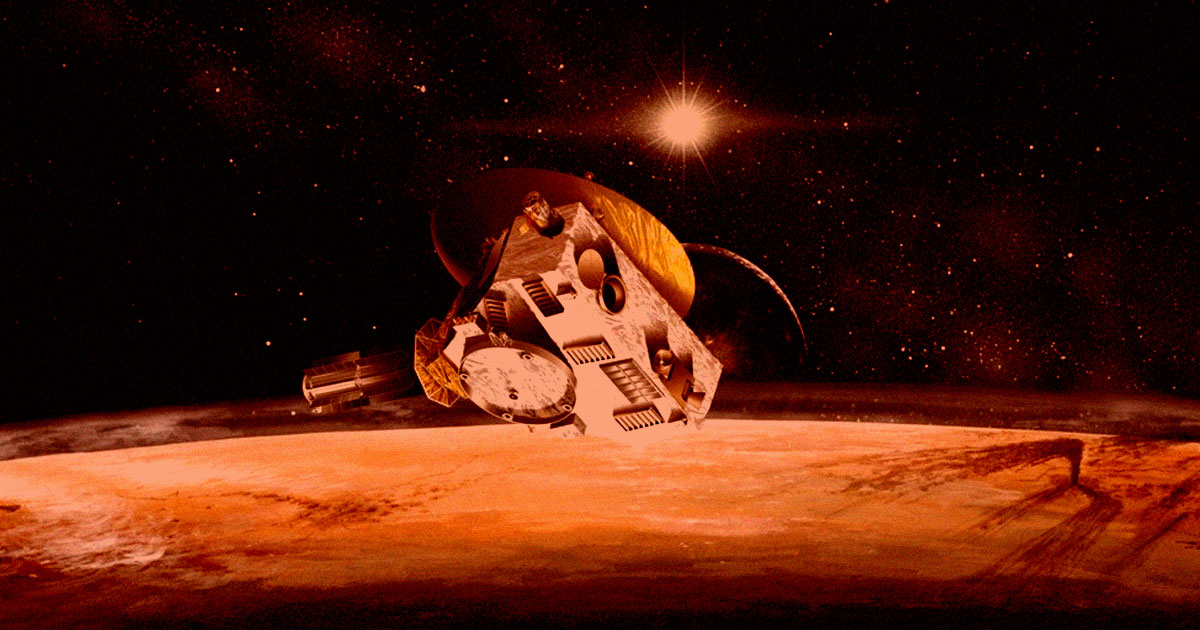
NASA's New Horizons spacecraft, which has been on a 15-year mission to study the Kuiper asteroid belt, is being redirected to study the environment at the distant reaches of the Sun instead. The change has upset the scientists in charge of the mission, who argue that it is a needless redirection of a mission almost 15 years in the making. The spacecraft has already made impressive contributions to our understanding of the solar system, but now that it has run out of Kuiper Belt Object targets for a future flyby, senior NASA scientists are having a harder time justifying future planetary science missions.
NASA is considering changing the primary goal of the New Horizons mission to study the Sun's environment instead of observing objects in the Kuiper Belt, which has frustrated the science team behind the mission. The team argues that New Horizons can continue being a planetary and heliophysics mission at the same time without affecting the cost or trajectory of the spacecraft. The New Horizons team fears that the mission team would be disbanded if NASA's decision goes into effect.