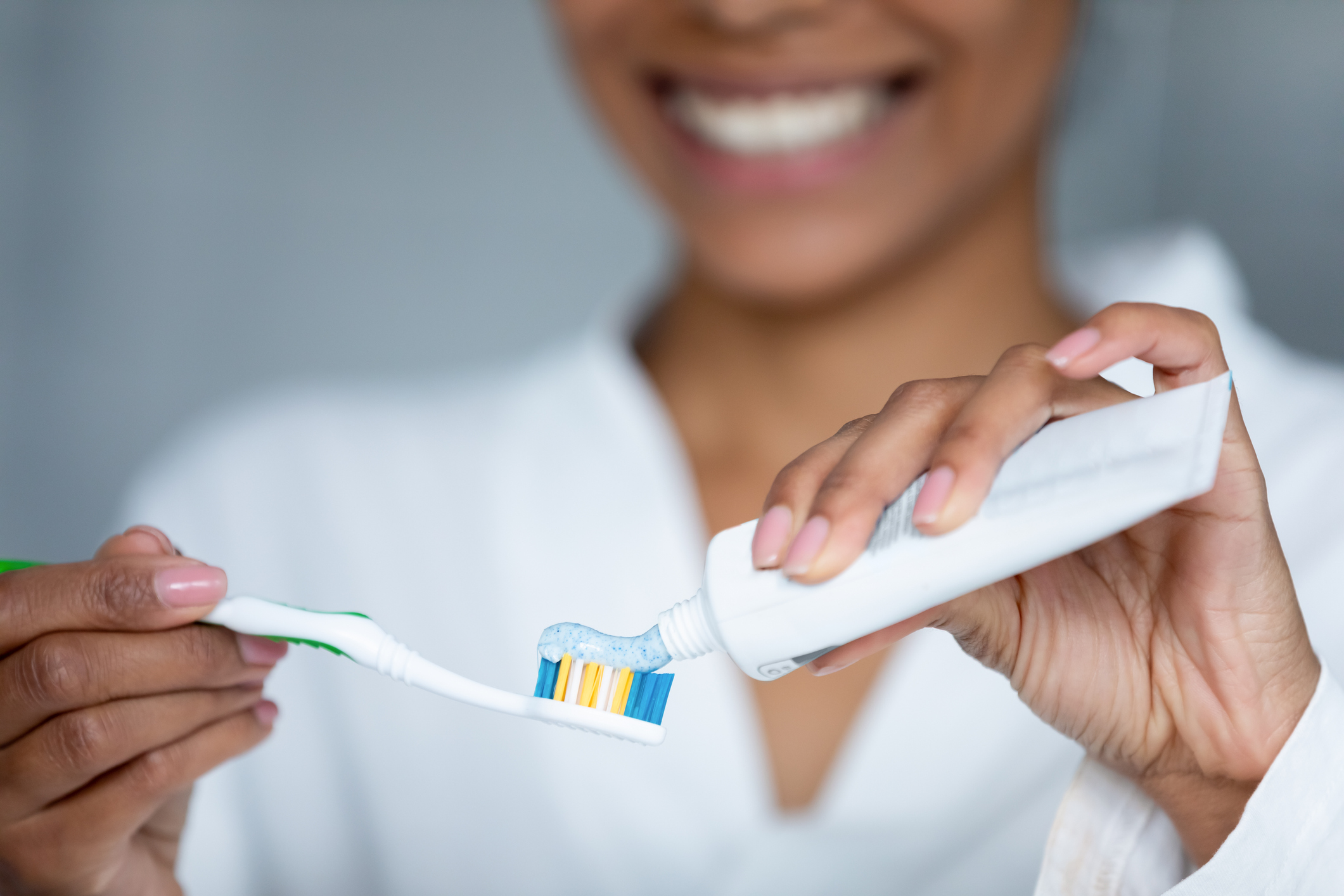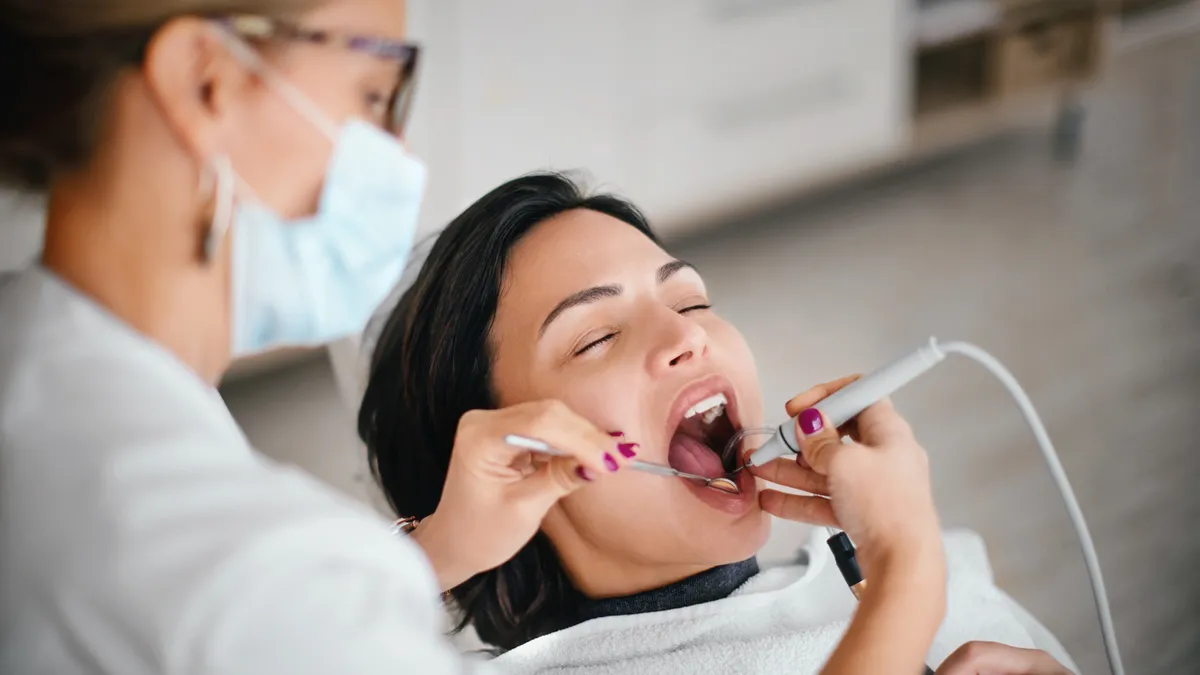
Researchers at the University of Nottingham have developed a gel containing a modified protein that can fill cavities, promote enamel growth, and potentially offer a permanent solution to tooth decay by regenerating damaged enamel, with plans to bring the product to market after clinical trials.
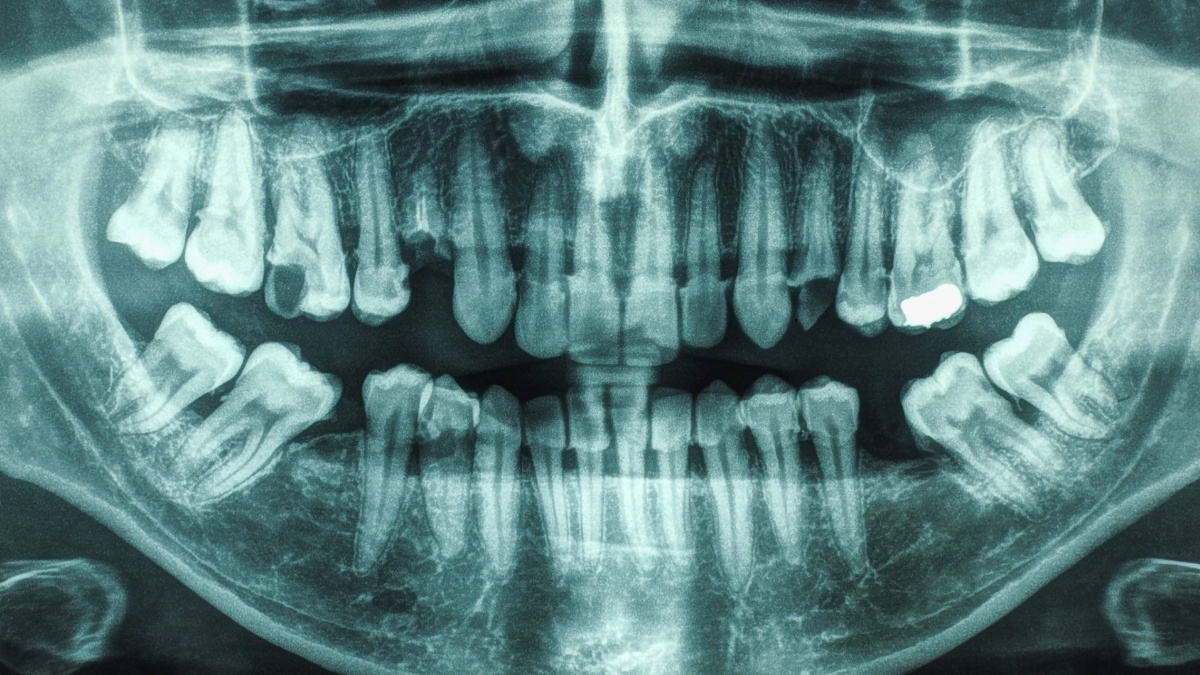
A 21-year study found that individuals with both gum disease and cavities have nearly double the risk of stroke compared to those with good oral health, highlighting the importance of oral hygiene in stroke prevention.
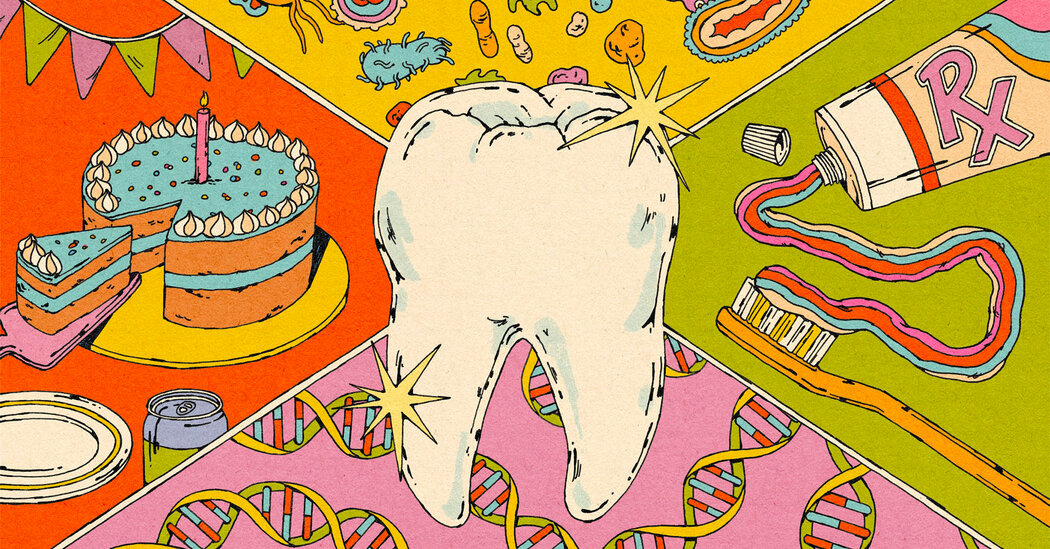
The article discusses recent developments in multiple sclerosis research, highlighting challenges like funding cuts and climate change, and also features a dental health expert advocating for rethinking oral care to prevent cavities without invasive procedures.
RFK Jr. has expressed anti-fluoride views, which could lead to more cavities and dental health issues, especially affecting vulnerable populations. Analyzing his dental health, he appears to maintain decent oral hygiene, but his stance on fluoride raises concerns about public health impacts, particularly for low-income communities. The article highlights the importance of fluoride in preventing dental decay and the potential consequences of banning it.
Weak enamel can make teeth more susceptible to cavities and sensitivity, with causes ranging from genetic factors to prenatal health issues and acidic foods and drinks. To keep teeth strong, it's important to maintain good oral hygiene, avoid acidic foods and drinks, and address any underlying health issues that may affect enamel formation.
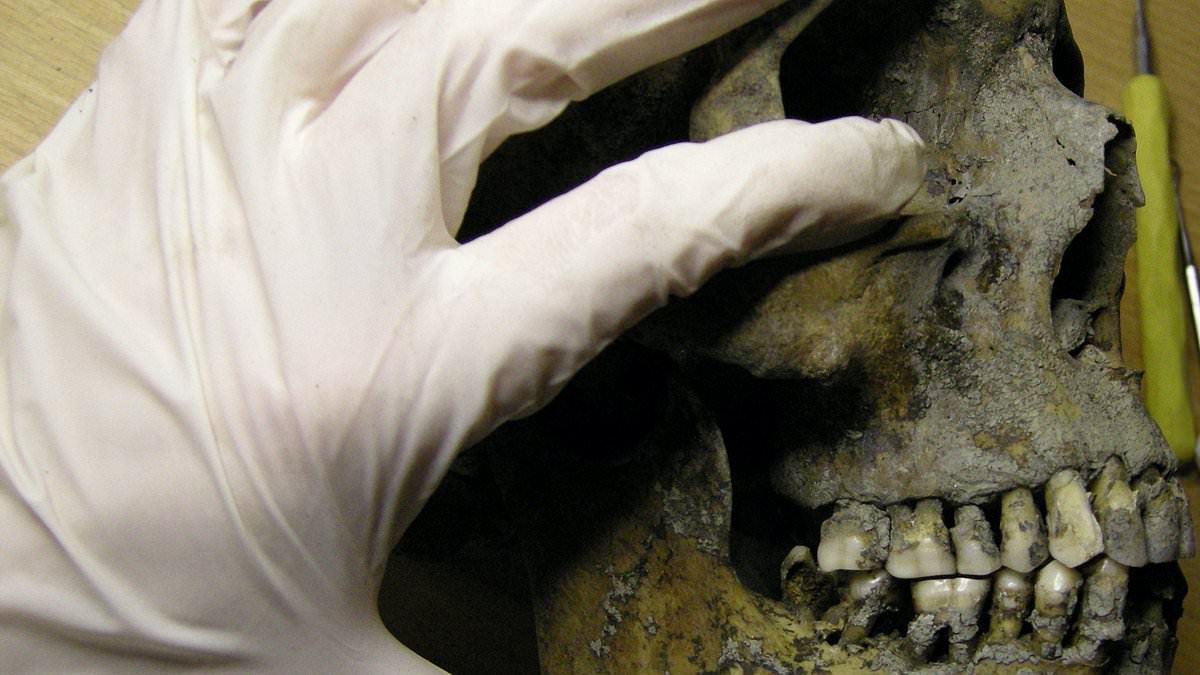
Analysis of over 3,200 teeth from 171 Swedish Vikings buried between the 10th and 12th century reveals that almost two-thirds of Viking adults had at least one cavity, leading to painful infections and abscesses. Without access to modern dental treatments, Vikings resorted to drilling their own teeth and pulling them out to cope with the pain. The study also found evidence of dental hygiene practices such as using toothpicks. The Vikings' starchy diet, consumption of beer and mead, and lack of clean water contributed to their dental problems.
Scientists have discovered that a naturally occurring molecule called DIM can reduce biofilms responsible for dental plaque and cavities by 90%. The molecule, also known as bisindole, disrupts the biofilm that coats teeth and prevents the growth of bacteria like Streptococcus mutans. Adding DIM to toothpaste and mouthwash could significantly improve dental hygiene. The molecule also has anti-carcinogenic properties. The research was conducted by scientists from Ben-Gurion University of the Negev, Sichuan University, and the National University of Singapore.
A study conducted by researchers at the Poznan University of Medical Sciences in Poland has found that hydroxyapatite, a naturally occurring mineral found in human teeth and bones, is as effective as fluoride in preventing cavities. The study involved 171 adult participants who were given either fluoride toothpaste or hydroxyapatite toothpaste to use for 18 months. At the end of the study, there was no statistical difference in the efficacy of the two toothpastes. Hydroxyapatite has several advantages over fluoride, including superior performance in treating sensitive teeth and being safe in case of accidental ingestion. The findings suggest that hydroxyapatite could be a safe and effective alternative to fluoride in dental care.
A new study suggests that hydroxyapatite, a calcium phosphate mineral found naturally in teeth and bones, could be a viable alternative to fluoride in toothpaste. In a randomized trial, participants who used hydroxyapatite toothpaste showed no significant difference in new cavities compared to those who used fluoride toothpaste. Hydroxyapatite limits demineralization and boosts the natural repair process of teeth, making it a safe and effective option for daily use. While further research is needed, hydroxyapatite shows promise in preventing dental caries in both adults and children.
A clinical trial has found that toothpaste containing hydroxyapatite, a calcium phosphate mineral, is as effective as fluoride toothpaste in preventing cavities. Hydroxyapatite can inhibit demineralization and contribute to remineralization of teeth, making it a safe and effective alternative for daily use. The 18-month-long trial involving 189 adults showed no statistical difference in efficacy between the two toothpastes, with nearly 90% of patients in both groups having no new cavities. This finding is significant for public health, as it offers an alternative to fluoride toothpaste, which can pose health risks, especially for children who consume excessive amounts.