Tag

Cubesats

All articles tagged with #cubesats

science-and-technology1 year ago

NASA's PREFIRE CubeSat Launched to Monitor Earth's Climate

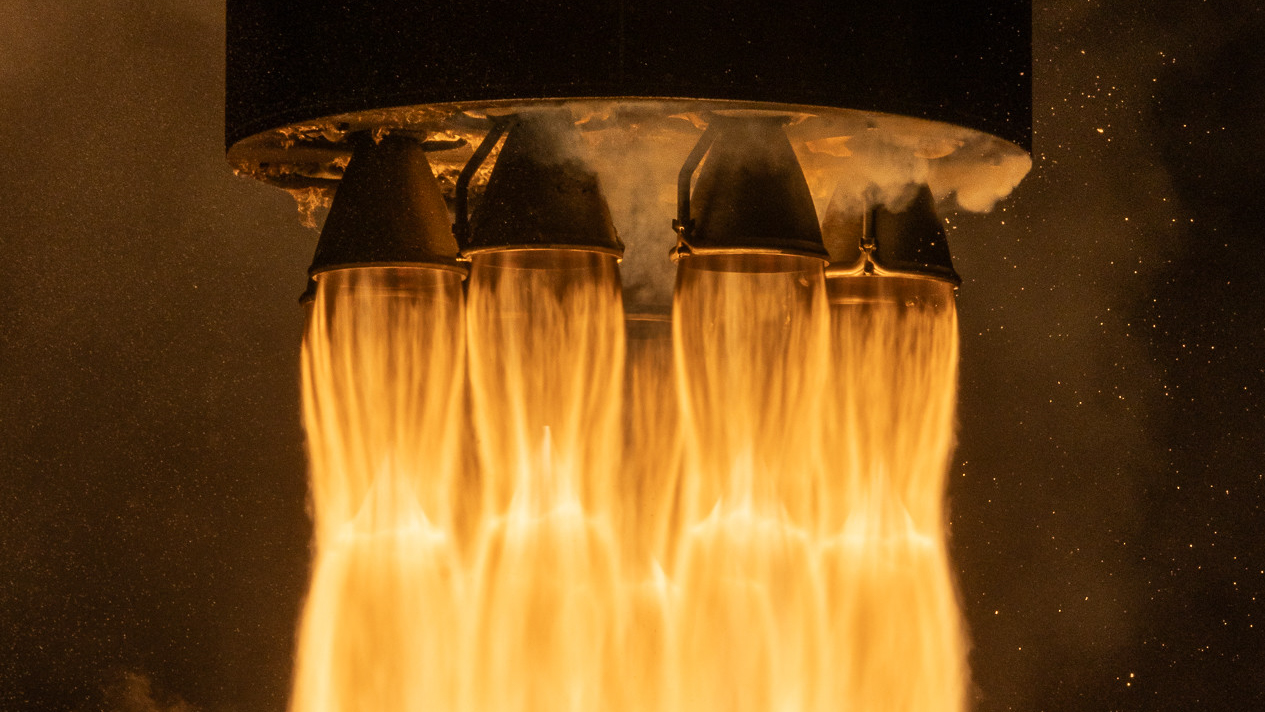
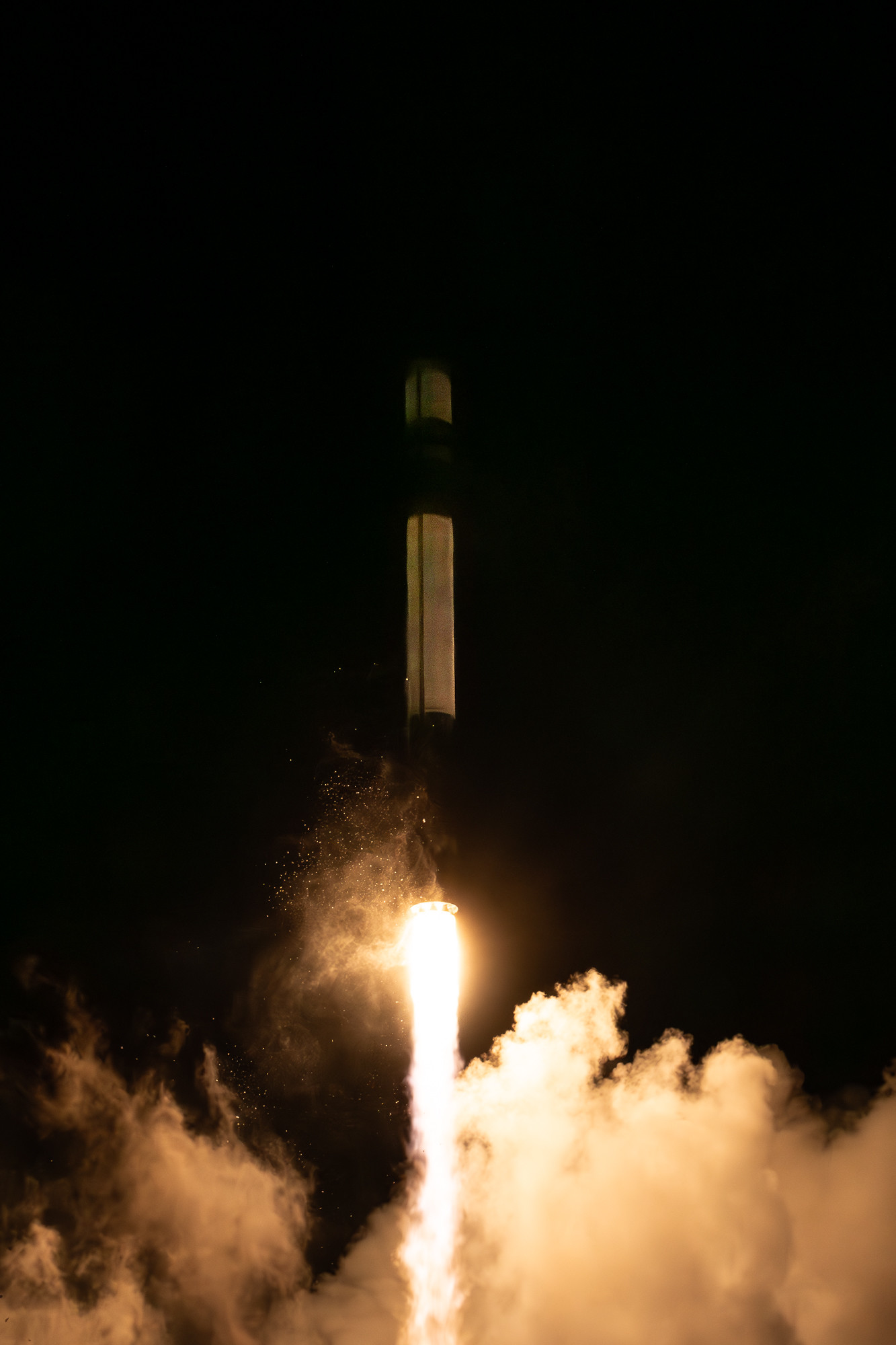
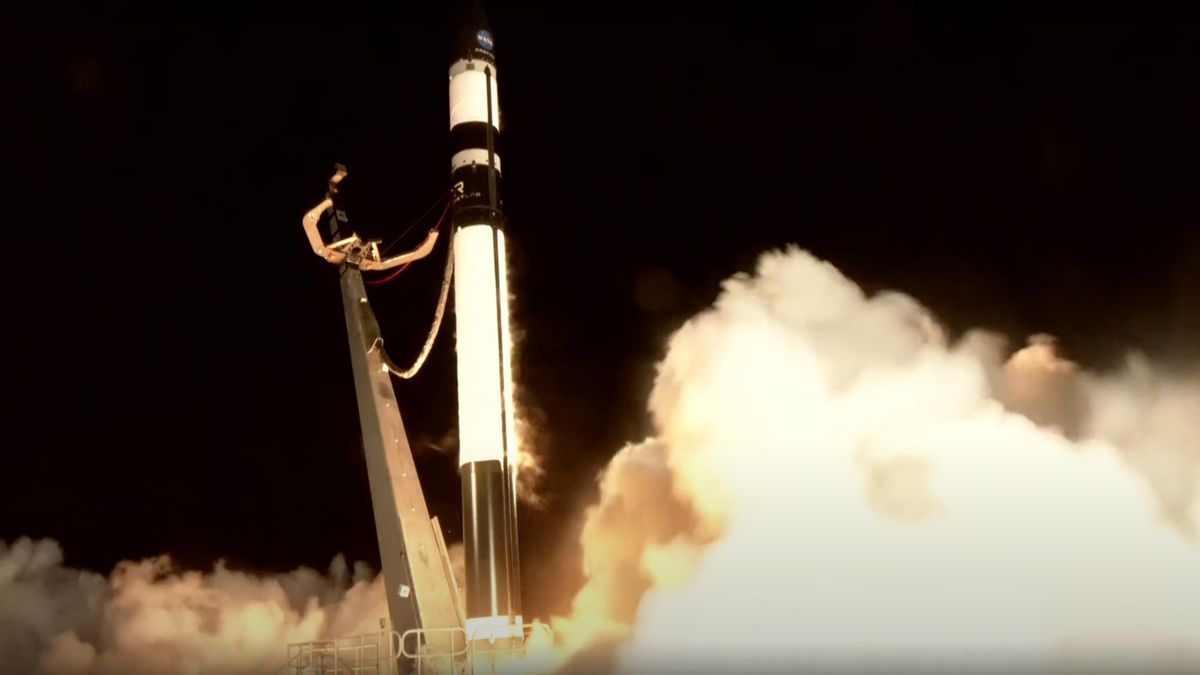
Rocket Lab successfully launched the first of two CubeSats for NASA's PREFIRE mission to study Earth's heat absorption in polar regions. The second mission, PREFIRE and Ice, is set to launch soon from New Zealand. This marks Rocket Lab's sixth launch of the year, with no plans to recover the Electron first stage. The company is also advancing its Neutron rocket and has secured a rapid-launch contract with the U.S. Space Force.
space-exploration1 year ago

"BurstCube: NASA's Tiny Satellite Probes Cosmic Mysteries from International Space Station"

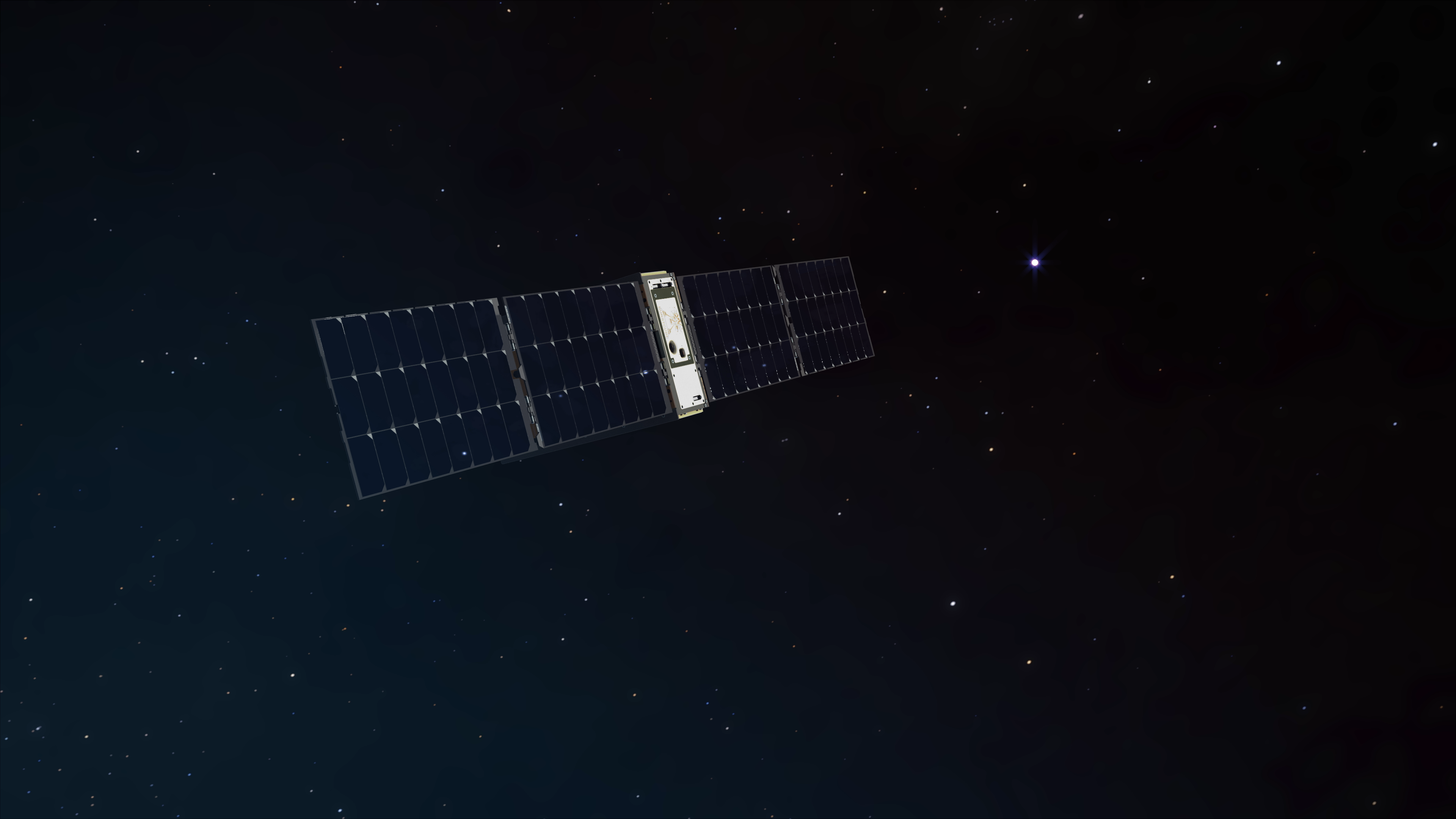
NASA's BurstCube mission, a small spacecraft designed to detect and study short gamma-ray bursts, has been launched aboard SpaceX's 30th Commercial Resupply Services mission. BurstCube will detect, locate, and study these high-energy cosmic events, providing important experience for early career astronomers and aerospace engineers. The spacecraft's detectors are angled to allow for a wider coverage of the sky, improving the odds of catching more bursts coincident with gravitational wave detections. BurstCube belongs to a class of spacecraft called CubeSats, which provide cost-effective access to space for groundbreaking science and testing new technologies.

spaceclimate-science1 year ago

"NASA's Twin Spacecraft: Exploring Earth's Extremes"

NASA is launching two miniature CubeSats as part of the PREFIRE mission to study heat loss from Earth's polar regions, aiming to improve climate models and predictions. The satellites will carry thermal infrared spectrometers to measure far-infrared wavelengths of heat radiation, providing crucial data on climate variables such as atmospheric temperature, surface properties, water vapor, and clouds. The mission seeks to understand the impact of polar region changes on global weather patterns and sea level rise, ultimately enhancing our understanding of climate change.

spacescience1 year ago

"NASA's Twin Spacecraft: Exploring Earth's Extremes"

NASA is launching two small CubeSats as part of the PREFIRE mission in spring 2024 to gather data from Earth's polar regions, aiming to improve climate models and predictions. The satellites will measure heat loss from the poles using thermal infrared spectrometers, providing crucial information about how the planet's energy budget and climate are affected by changes in the Arctic and Antarctic. The mission, developed in collaboration with the University of Wisconsin-Madison, will help scientists better understand and project the impact of climate change on polar ecosystems, sea levels, and global weather patterns.

space2 years ago

"China's Space Ambitions Soar: From Satellites to Space Planes"

The Chinese Space Plane, Shenlong, has begun its third orbital mission, with no indication of how long it will remain in orbit. The spacecraft is similar in size to the American X-37B and is expected to be useful for up to 20 launches. The X-37B, developed by NASA and now operated by the U.S. Air Force, has completed multiple secretive orbital missions, testing new technologies and releasing small satellites. Both the Chinese and American spaceplanes have raised speculation about their activities in orbit, including the potential use of unregistered cubesats for testing new anti-satellite weapons.

science-and-technology2 years ago

"ESA's Miniature Pinhole Thruster Enters Production Phase"

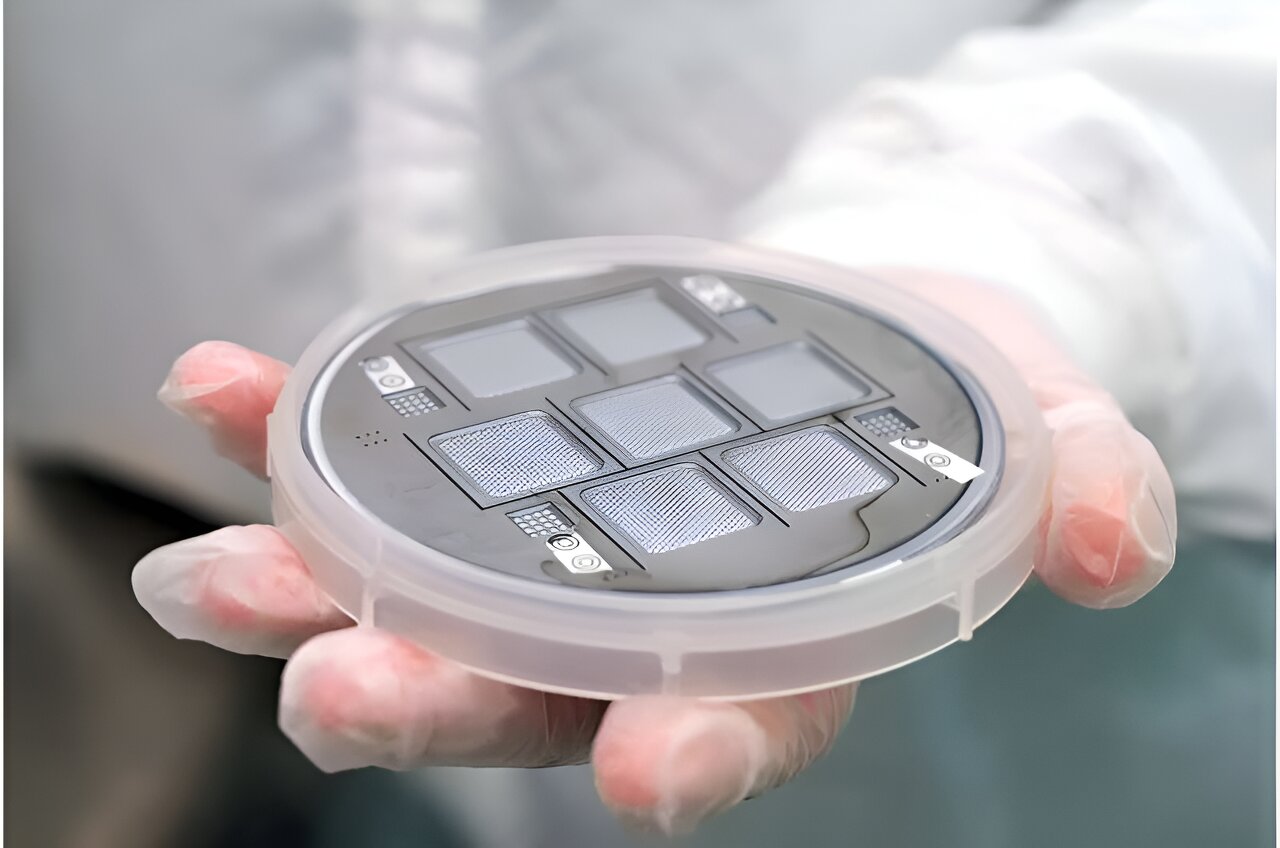
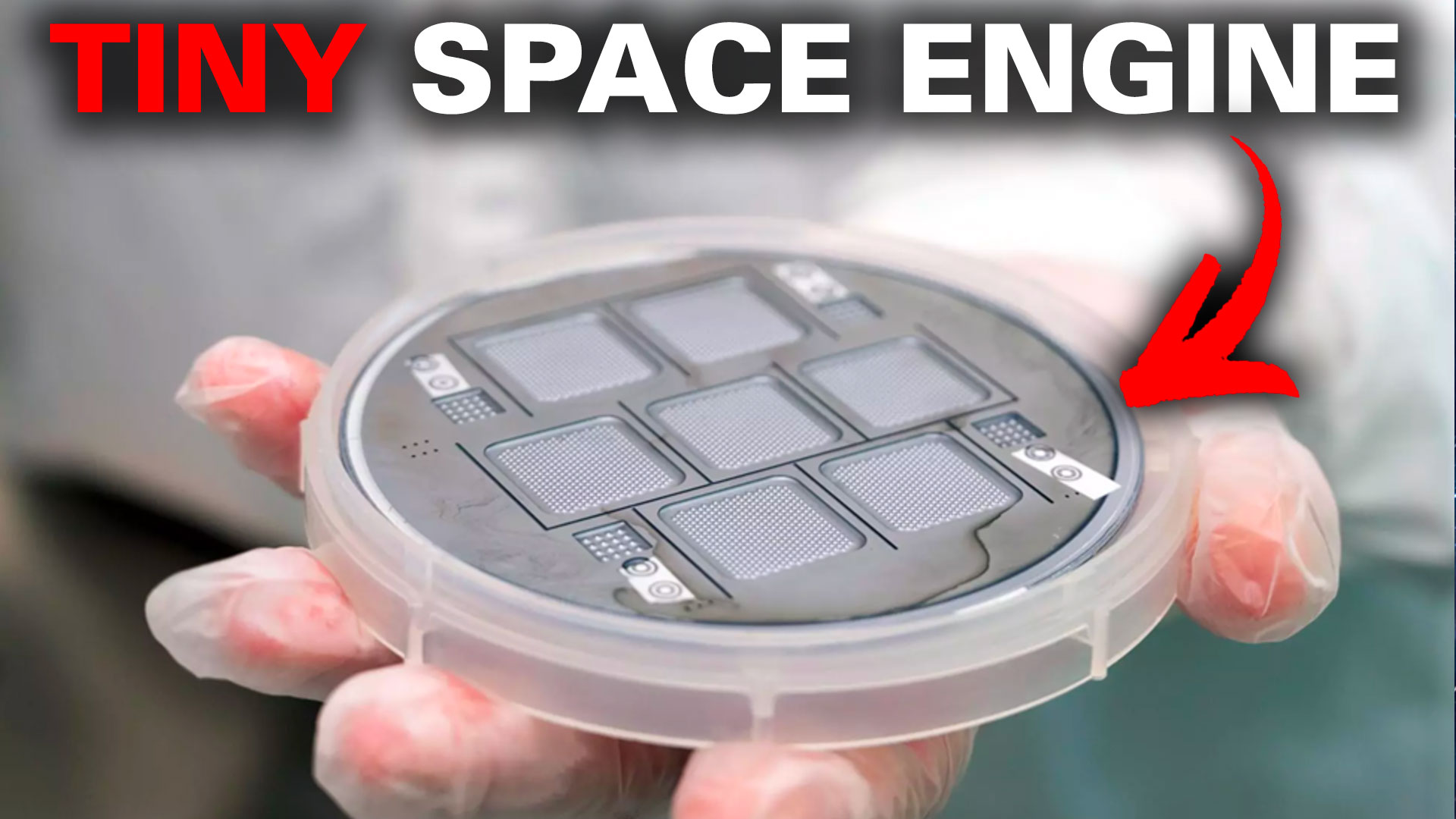
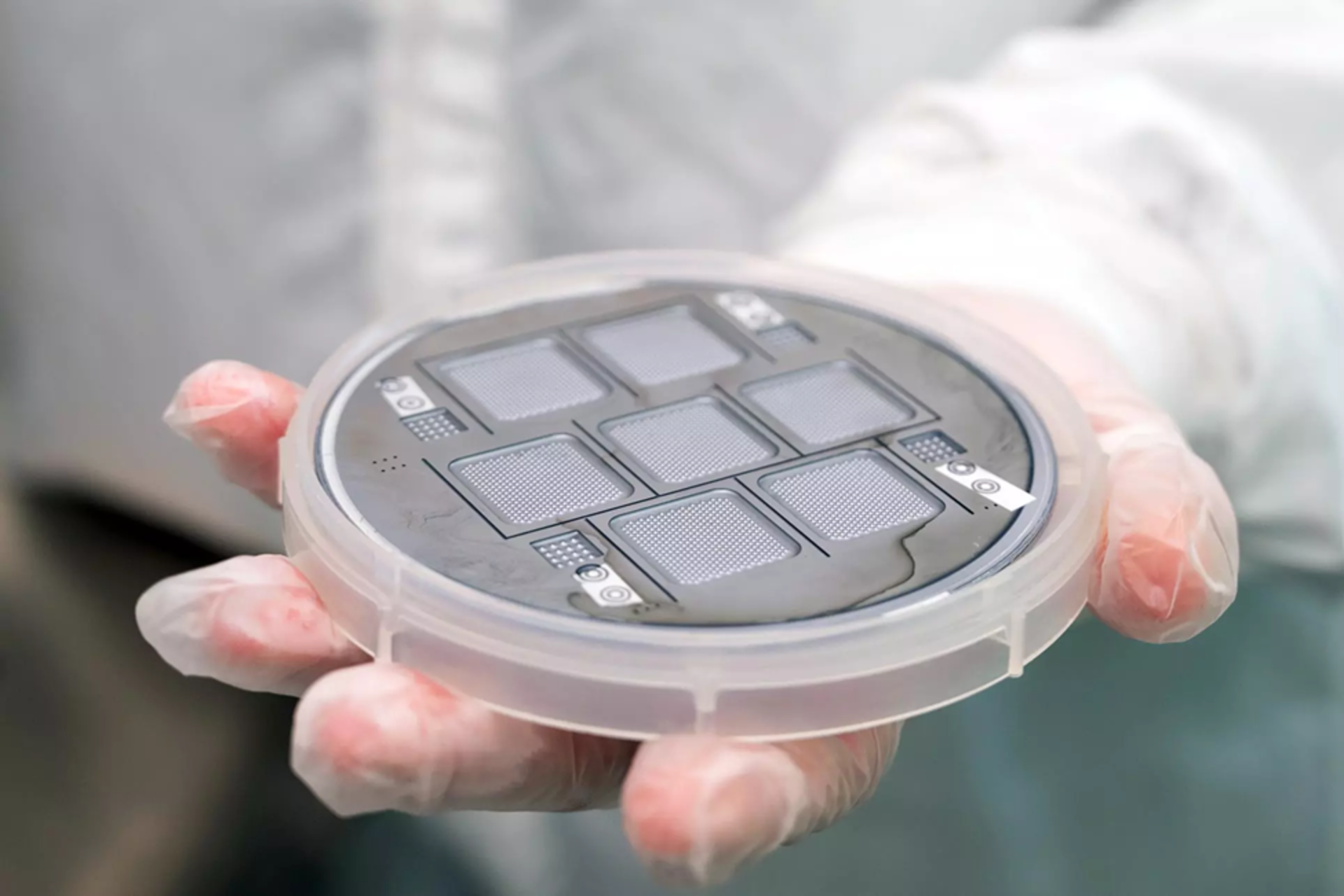
The European Space Agency (ESA) is advancing in miniaturized propulsion technology with the development of the Athena thruster, a palm-sized system designed for cubesats and small satellites. Created by IENAI Space, this thruster uses electrospray technology to eject electrically charged particles from pinhole emitters, providing efficient propulsion in space. The eco-friendly thrusters can be reconfigured in flight and are expected to be prototyped by the end of 2024, potentially revolutionizing the maneuverability and deployment of small spacecraft.

science-and-technology2 years ago

"ESA's Miniature Pinhole Thruster Enters Production Phase"

The European Space Agency (ESA) is advancing in the production of a palm-sized thruster named ATHENA, designed for maneuvering cubesats and small satellites in space. This Adaptable Thruster based on Electrospray powered NAnotechnology utilizes electrospray technology to eject electrically charged particles from pinhole emitters, achieving high thrust levels. ATHENA is eco-friendly, highly adjustable, and can be configured in various clusters to suit different satellite sizes. A prototype is expected by the end of 2024, marking a significant step in miniaturizing space propulsion systems.

space-technology2 years ago

"ESA Develops Revolutionary Pinhole Propulsion System for Satellites"

European Space Agency (ESA) is developing a palm-sized propulsion system called ATHENA, which uses electrospray technology to propel CubeSats and small satellites. The system, based on ionic-liquid salts as fuel, achieved over 400 hours of continuous operation and offers highly customizable thrust. The micro-fabricated ATHENA system uses non-toxic propellants and can be clustered together to provide thrust for satellites up to 50kg in mass. The project is expected to be completed by the end of next year.

spaceflight2 years ago

"Flock of Bird-Like CubeSats to Revolutionize Water Body Research in Spain's Space Mission"

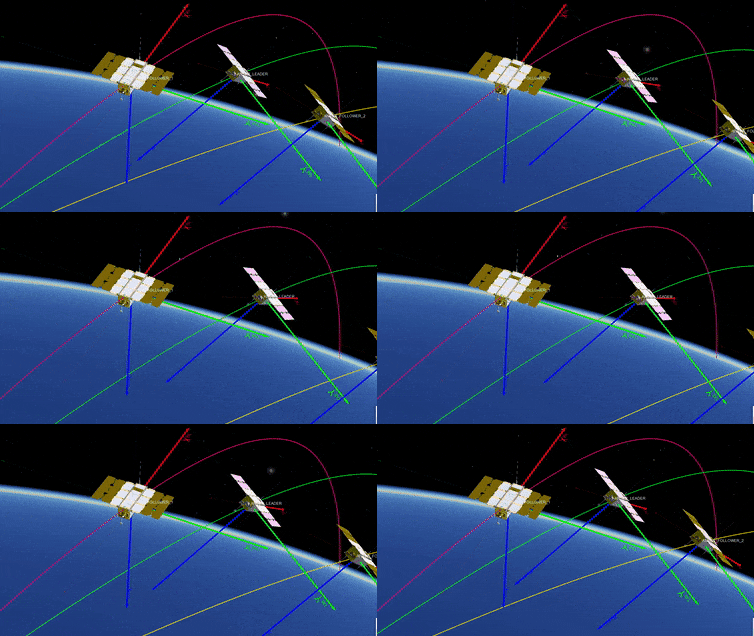
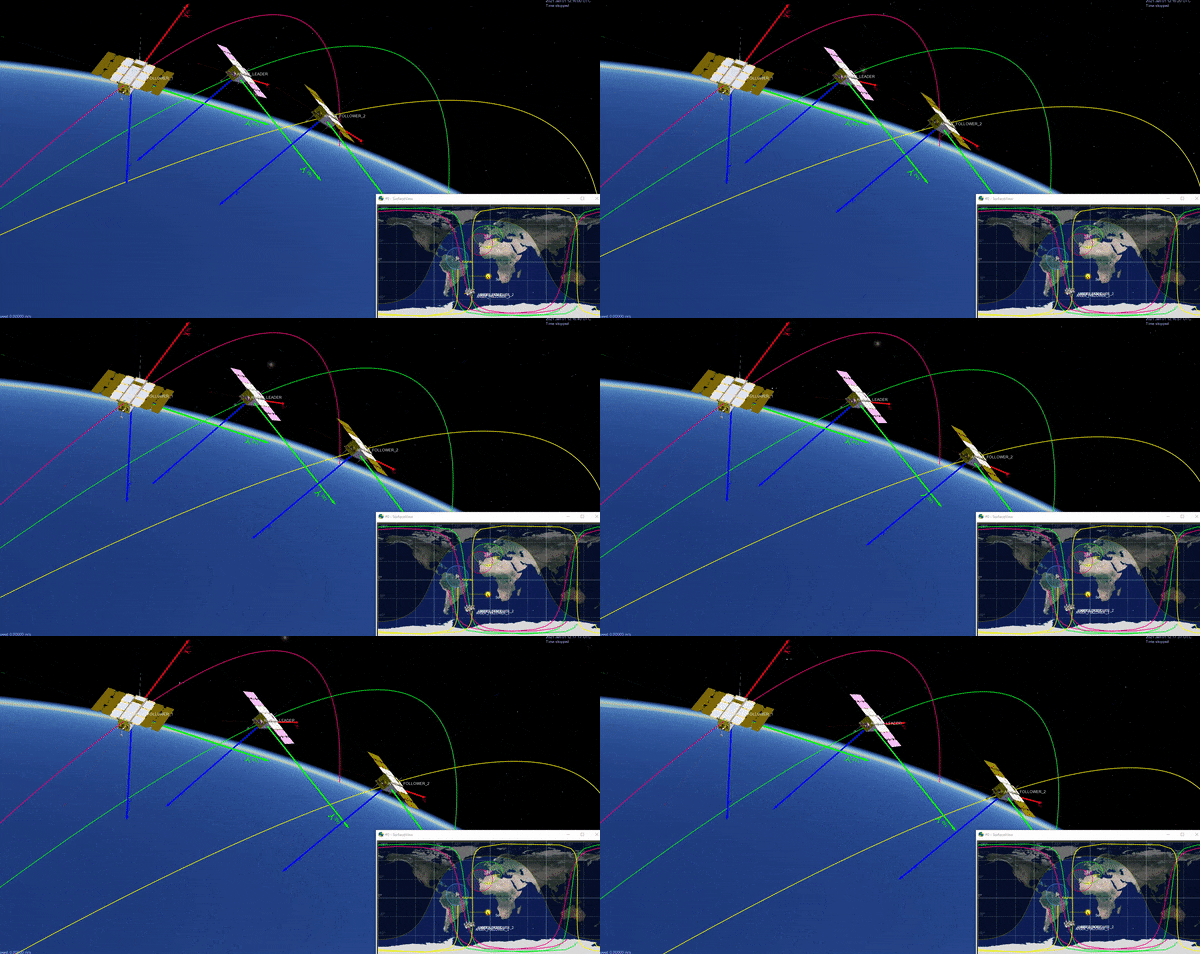
Spain is set to launch three CubeSats, known as ANSER, that will mimic birds flying in formation to monitor Iberian waters. The shoebox-sized satellites will operate about 500 kilometers above Earth and maintain a distance of 10 km apart from each other. Instead of onboard propulsion systems, the CubeSats will use wing-like flaps to control their relative positions. The mission aims to demonstrate the feasibility of distributed systems and miniaturization for Earth observation missions. The launch will be facilitated by Vega-C rocket's Small Spacecraft Mission Service.

space-technology2 years ago

"Vega's Winged CubeSats: Formation-Keeping without Fuel"

Spain's ANSER CubeSats, set to launch on Europe's Vega rocket, will fly in formation and maintain their relative positions using wing-like flaps that take advantage of the airflow at the top of Earth's atmosphere. The three CubeSats, working together as a single satellite, will image Iberian waters and use a specially-developed algorithm to plan aerodynamic maneuvers. The mission aims to demonstrate the operational capabilities of small satellites for Earth observation and will be limited to a few years, with the possibility of replacing CubeSats to continue the mission.

science-and-technology2 years ago

"Exploring the Origins of ESA: A Journey Before the Vacuum"

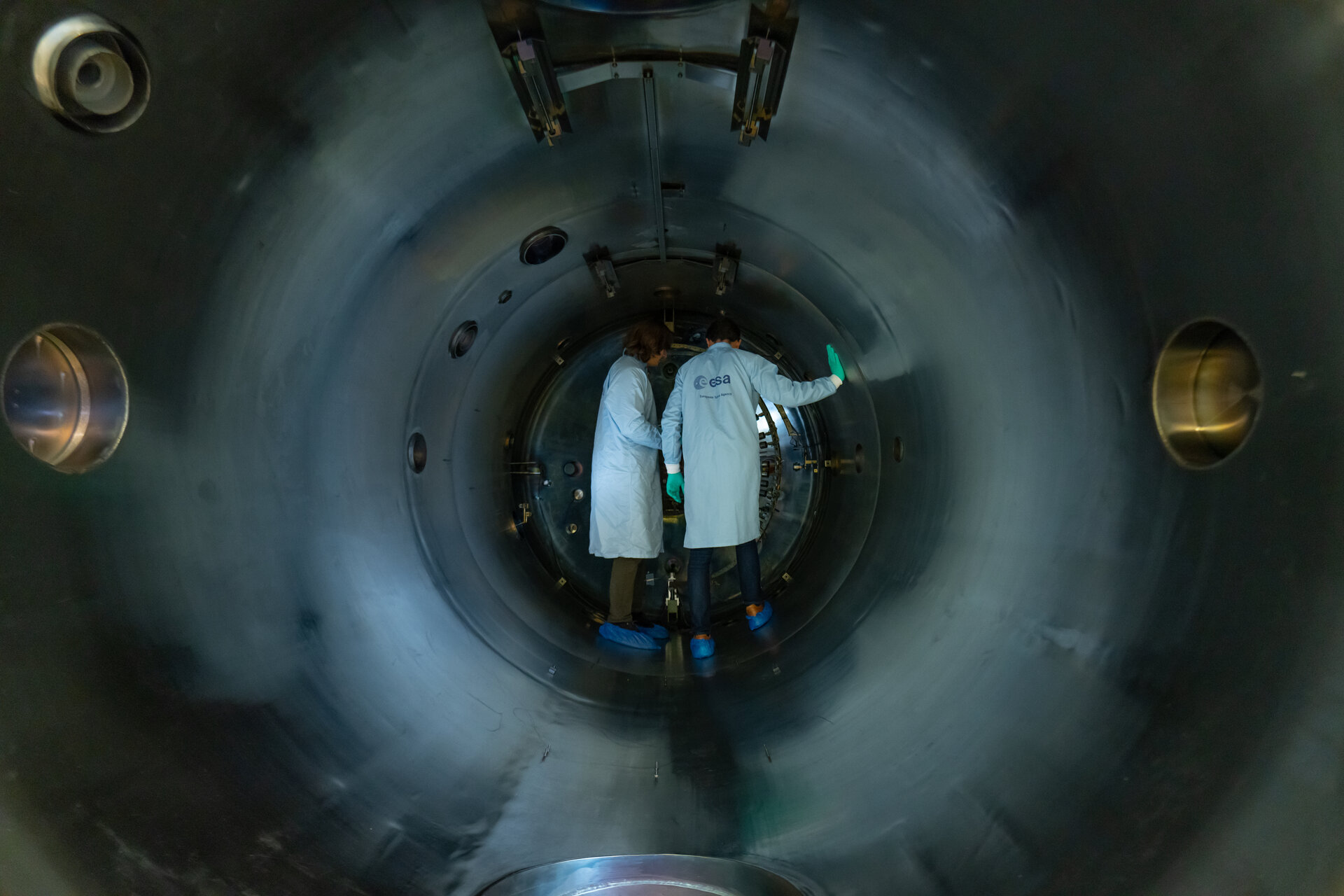
Engineers at the ESA Propulsion Laboratory are using the CORONA test facility, the largest vacuum chamber, to evaluate a compact electric propulsion design for microsatellites and CubeSats. Electric propulsion, which achieves high efficiency by accelerating propellant through electrical or magnetic methods, requires vacuum conditions for operation. The test chambers are equipped with pumps and coolers to create a vacuum environment. The lab also conducts testing for cold gas thrusters and liquid flow, and aims to accelerate the development of propulsion systems, simulation tools, and training for the next generation of engineers.

science-and-technology2 years ago

"TROPICS cubesat constellation: Boosting hurricane season preparedness"

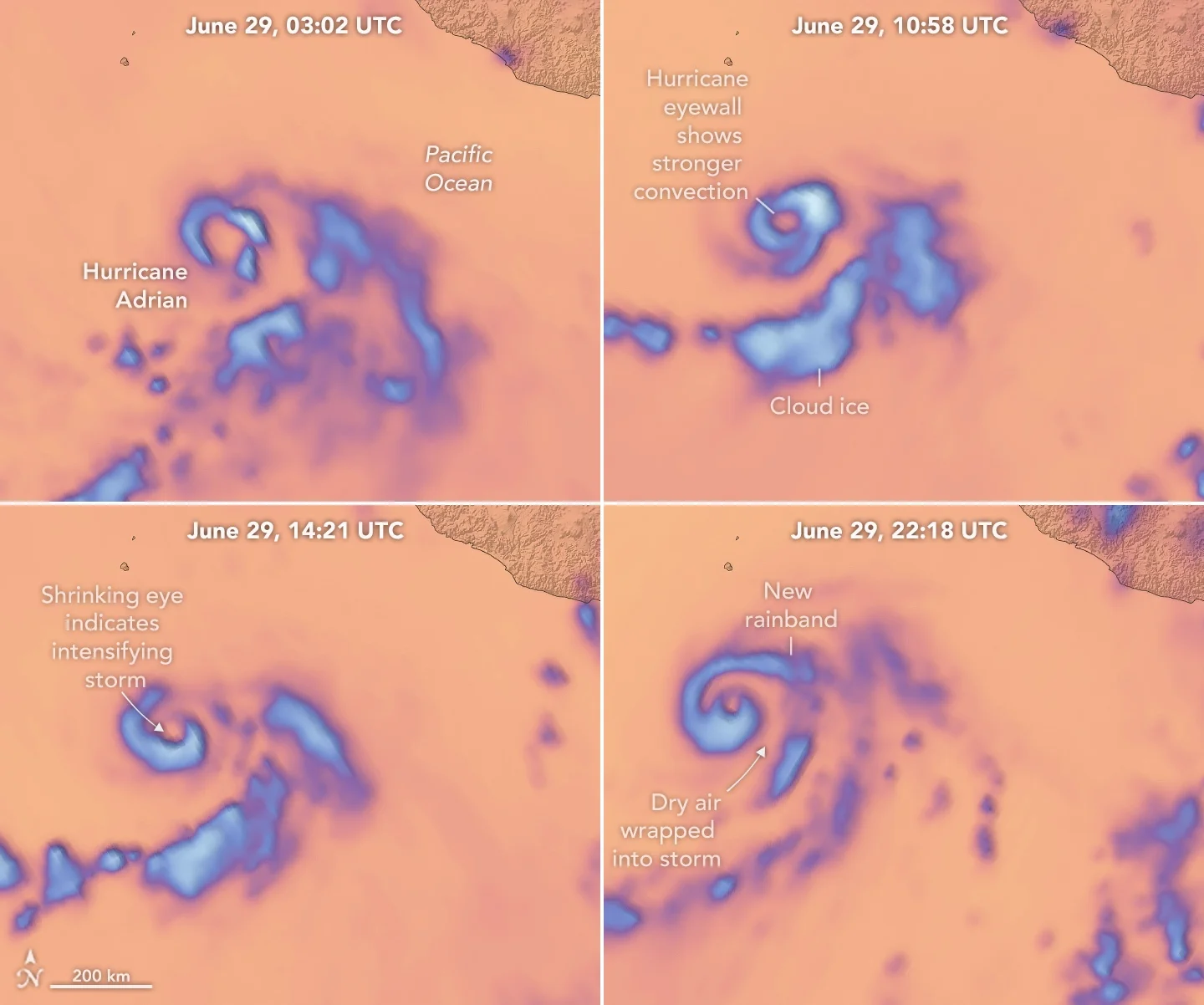
NASA's TROPICS cubesat constellation, consisting of four small satellites equipped with microwave radiometers, is ready to monitor tropical storm systems during the Atlantic hurricane season. The constellation, optimized for the tropical storm belt, can provide high-quality data and revisit weather systems every hour, allowing for better tracking of storm dynamics. Initial analysis of the data is promising, and the mission aims to make the data available to the public in the coming months. The TROPICS technology is also being transferred to the private sector for use in Tomorrow.io's constellation of 18 cubesats for collecting weather data.

space-exploration2 years ago

NASA's Starling Mission: Swarm of CubeSats Launched on Electron Rocket

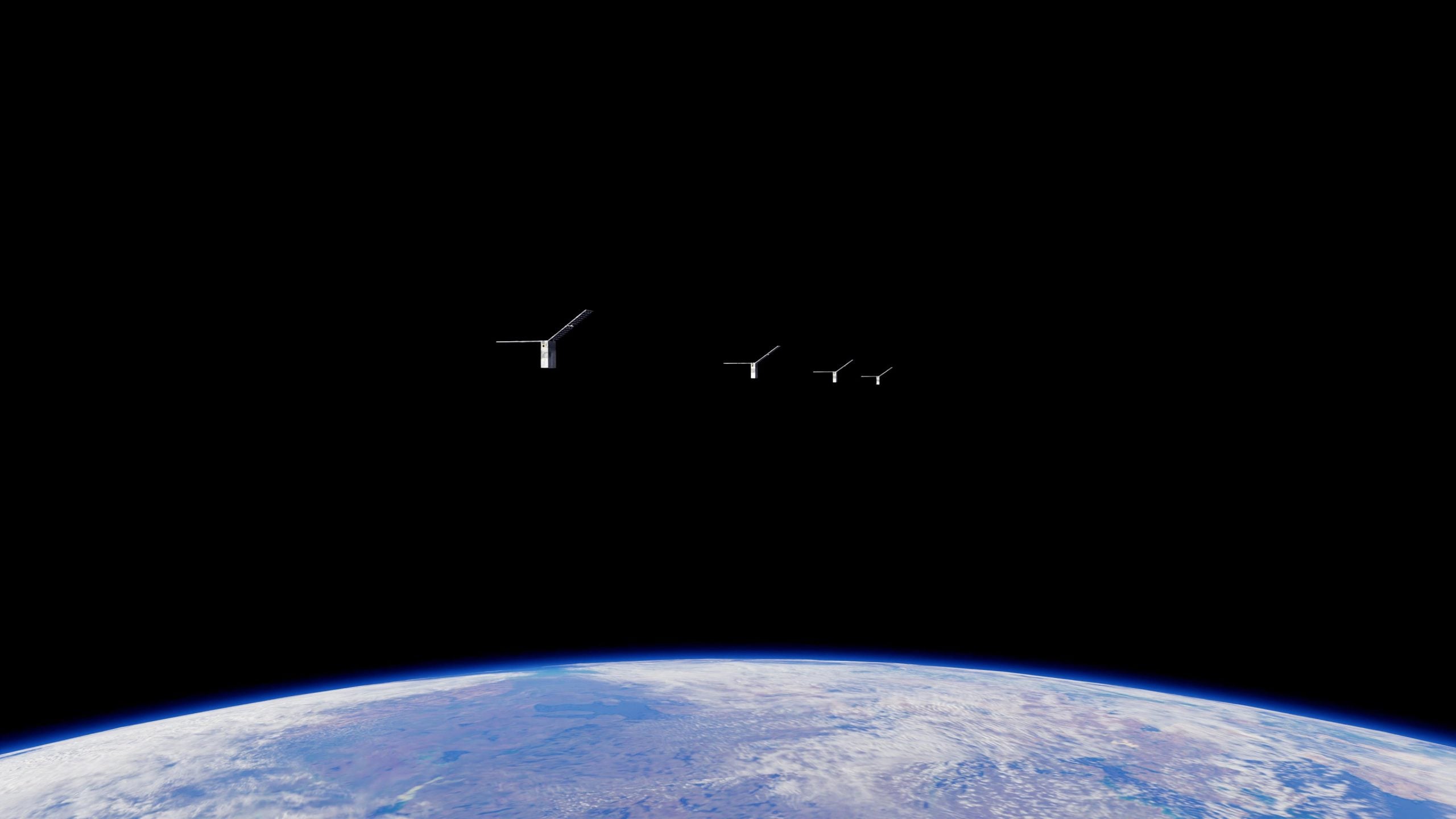
NASA's Starling mission has successfully launched four CubeSats into low Earth orbit to test technologies for autonomous cooperation in future swarm missions. The mission aims to advance capabilities in swarm maneuver planning, communications networking, relative navigation, and autonomous coordination between spacecraft. This represents a significant step towards enhancing the efficiency of future scientific missions in space.