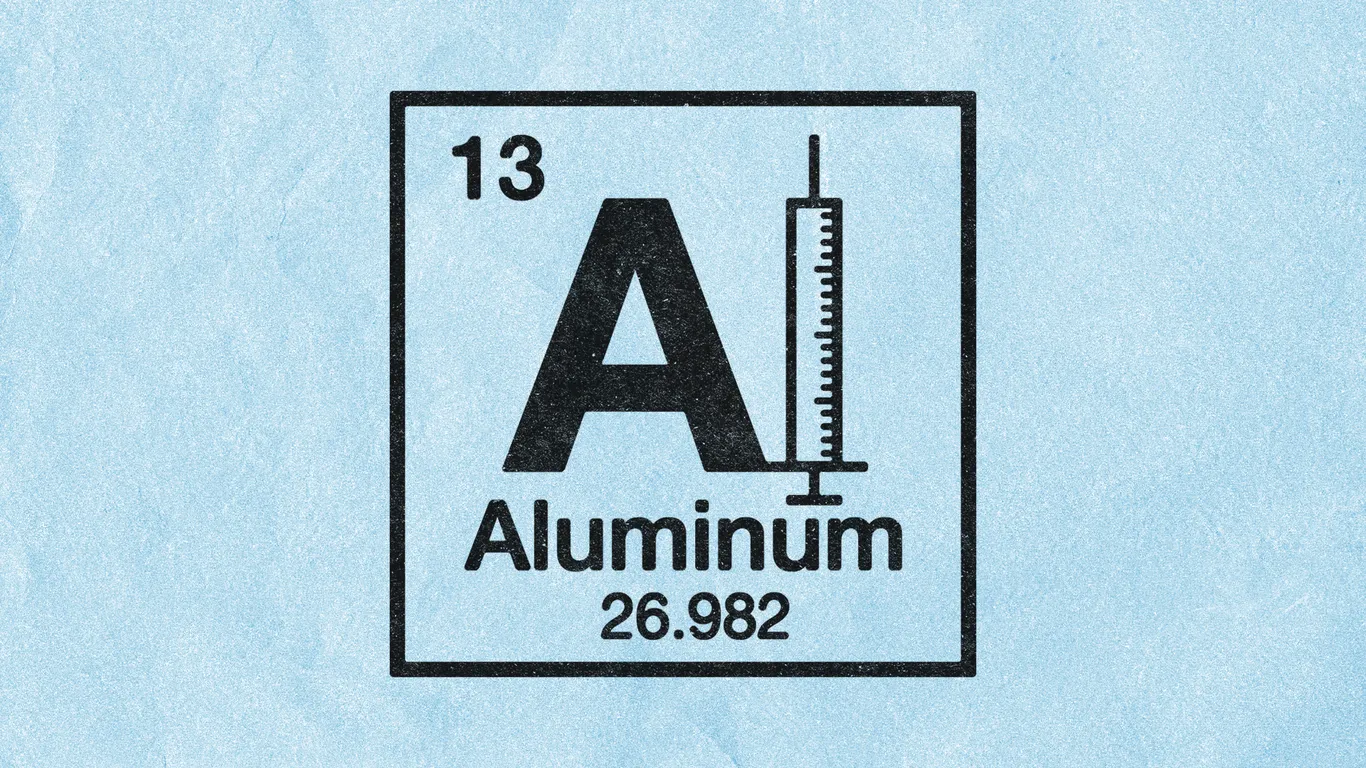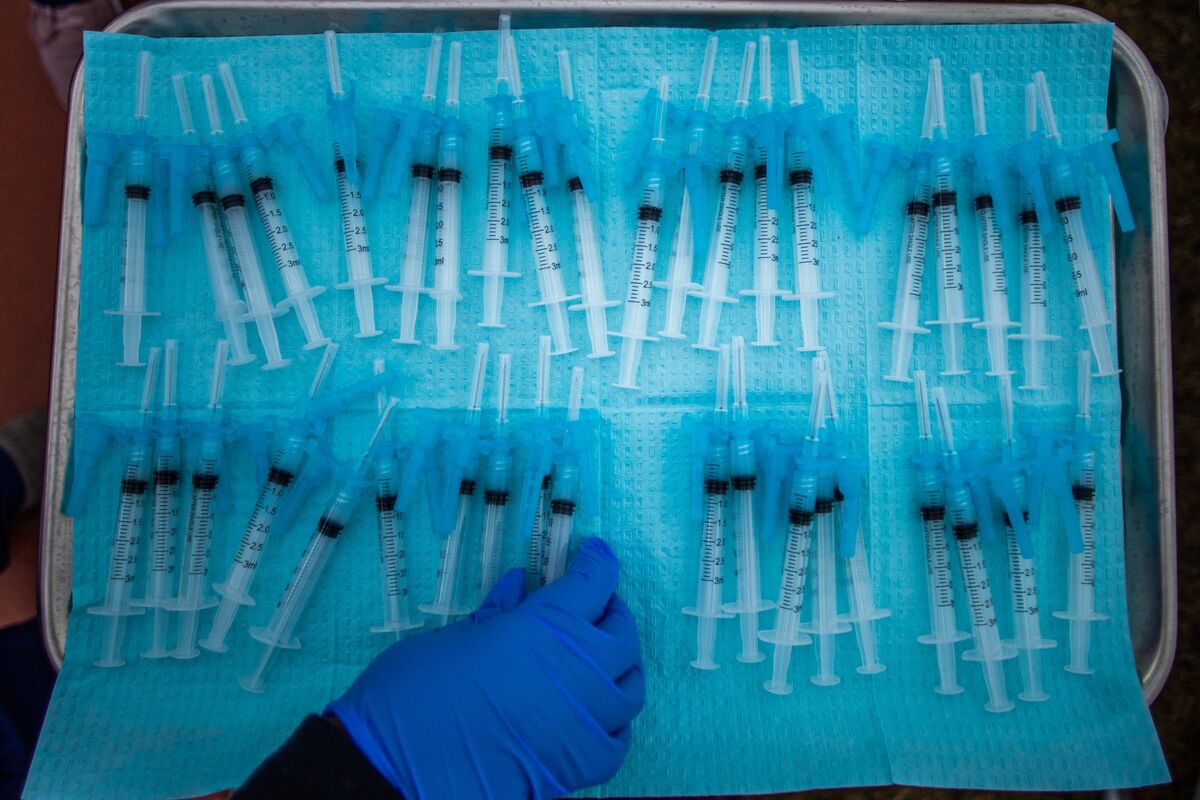
The CDC is reviewing the safety of aluminum in vaccines amid skepticism from vaccine opponents like Robert F. Kennedy Jr., which could lead to changes in vaccine recommendations or increased regulation, potentially impacting vaccine availability and the vaccine industry.
Apple's upcoming foldable iPhone, expected in 2026, will feature a titanium and aluminum frame, with some rumors suggesting a hybrid of titanium and stainless steel for durability and weight reduction, as part of its thin design and advanced hinge technology.
The Trump Administration has expanded its 50% tariffs on imported steel and aluminum to include 407 categories of derivative products, notably affecting motorcycles and parts, which could lead to higher prices and increased complexity in trade and customs processes. The tariffs apply only to the steel and aluminum content in these products, but the implementation details are confusing and incomplete, impacting a wide range of goods and industries.
The US has implemented a 50% tariff on 407 categories of goods containing steel and aluminum, significantly increasing costs for importers and potentially impacting various industries like construction, automotive, and electronics, amid ongoing trade policy changes under President Trump.
The Trump administration has expanded its 50% tariffs on steel and aluminum to include over 400 additional product categories, affecting products like fire extinguishers, machinery, and construction materials, which could significantly impact trade and increase costs for domestic industries.
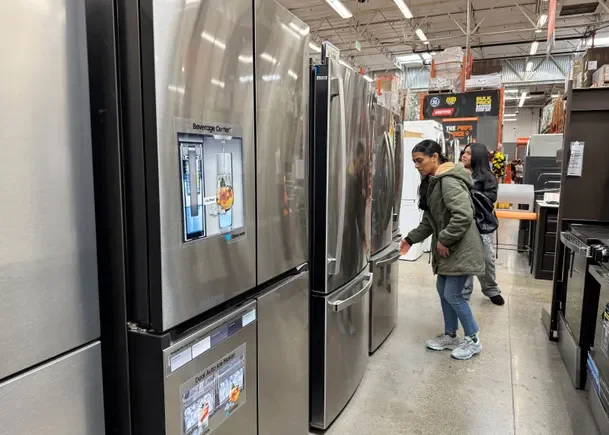
The US has expanded its Section 232 tariffs on steel and aluminum, now including hundreds of products such as household appliances, car parts, and trailers, with a 50% levy effective immediately, impacting imports worth over $320 billion and adding inflationary pressures.
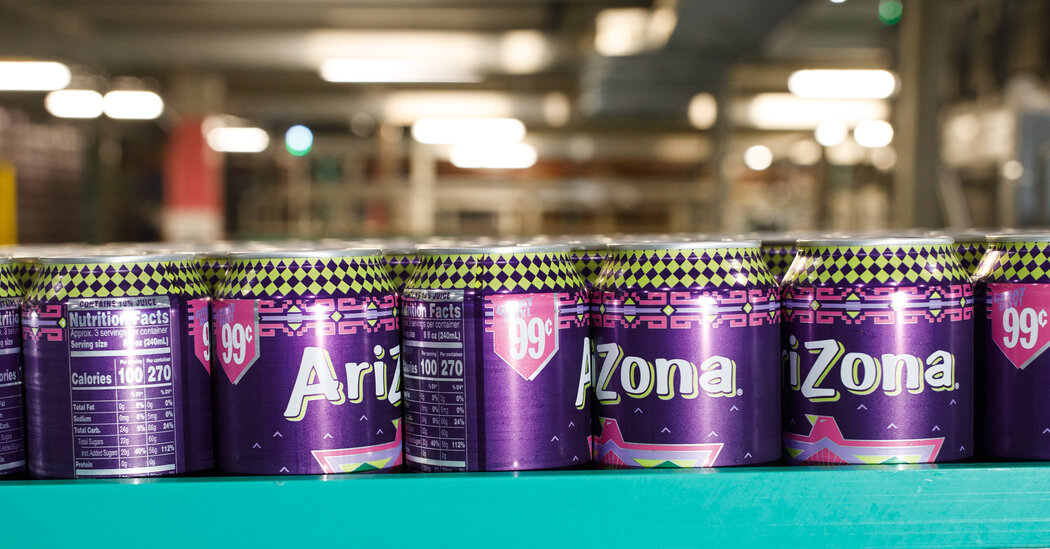
AriZona's iconic 99-cent iced tea faces potential price hikes due to a 50% tariff on imported aluminum, which could threaten its long-standing affordability and brand identity, as the company relies heavily on aluminum for its cans and is concerned about increased costs impacting consumers.
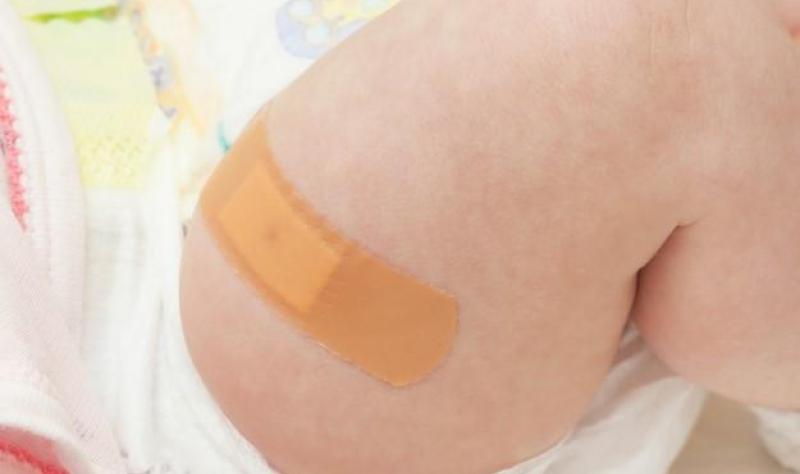
A large Danish study of over 1.2 million children found no link between aluminum in vaccines and increased risk of autism, ADHD, or other chronic conditions, supporting vaccine safety.
A 24-year Danish study of over 1.2 million children found no link between aluminum-adjuvanted vaccines and conditions like autism or autoimmune diseases, supporting vaccine safety despite ongoing concerns.
Robert F. Kennedy Jr. is pushing for a review of vaccine ingredients, including aluminum and thimerosal, with potential implications for vaccine safety, manufacturing, and public health policy, as he overhauls the advisory panel responsible for vaccine recommendations.
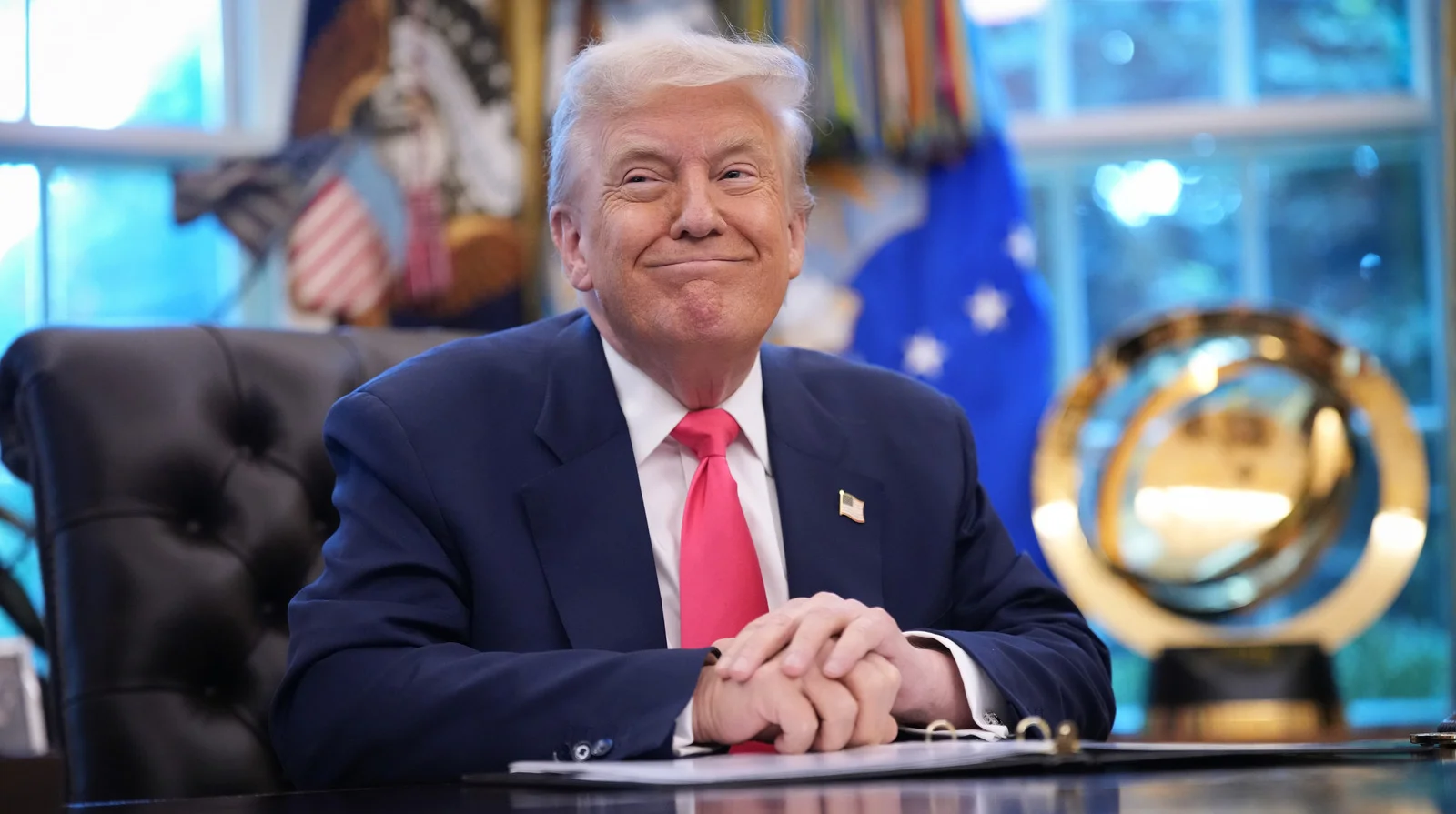
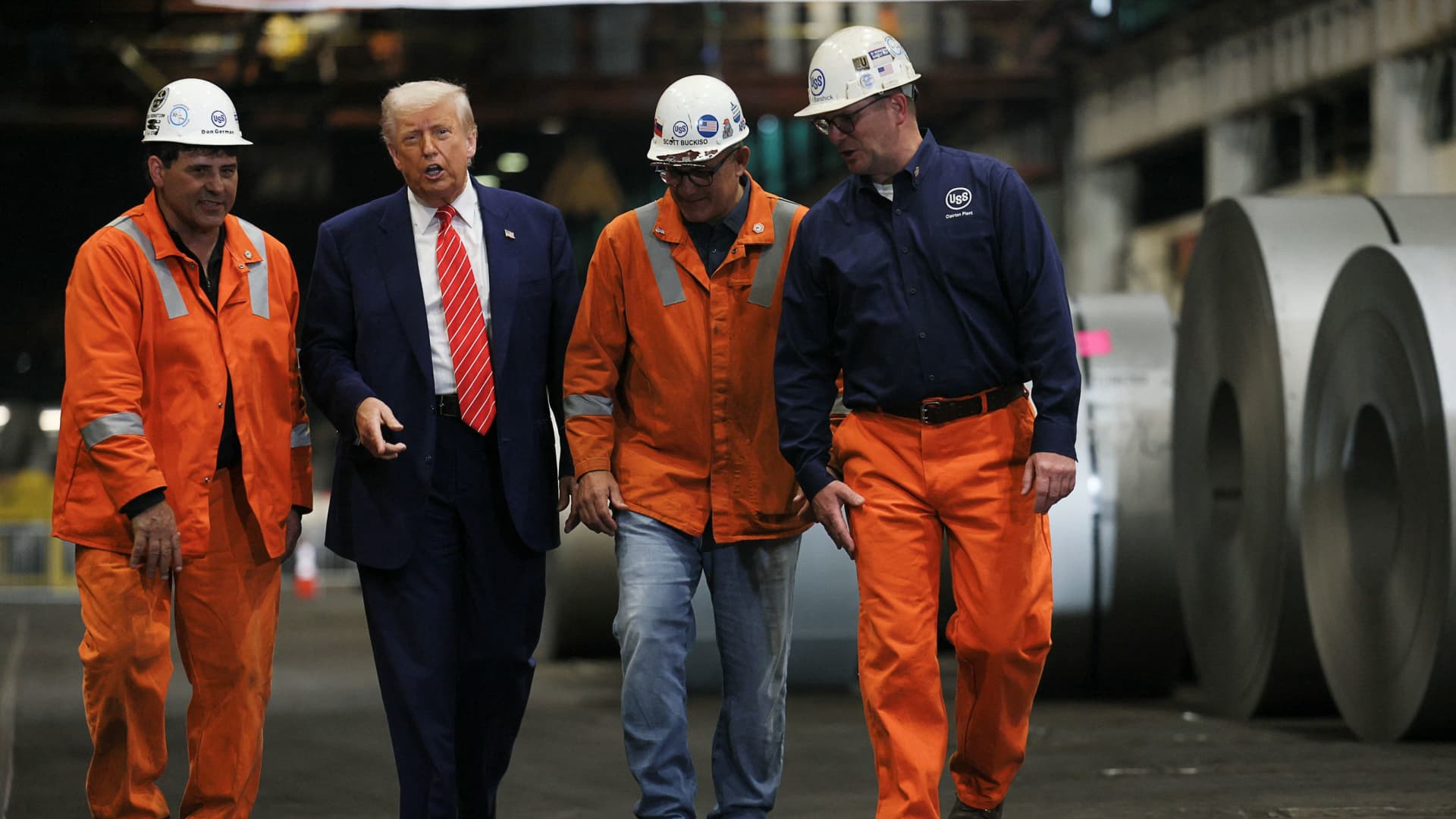
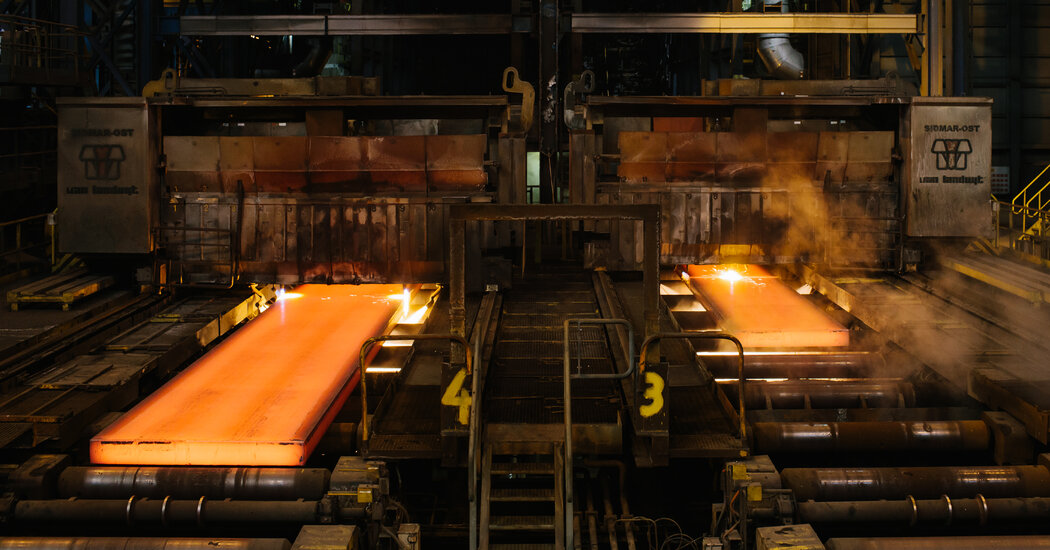
President Trump increased tariffs on steel and aluminum to 50%, aiming to support U.S. producers but raising costs for industries like construction, automotive, and food packaging, potentially leading to higher prices for consumers and challenges for domestic manufacturers.
The U.S. has doubled tariffs on steel and aluminum imports to 50%, aiming to protect domestic industries but causing international tensions and raising costs for American companies relying on these metals, with significant impacts on trade relations, especially with Canada and Europe.
The US has implemented a 50% tariff on foreign steel and aluminum imports, aiming to protect domestic industries, despite criticism from trading partners like Canada, Mexico, and the EU, which are considering retaliatory measures.
President Donald Trump signed a proclamation to increase tariffs on steel and aluminum from 25% to 50%, aiming to protect domestic industries from unfair trade practices and global excess capacity, while strengthening US manufacturing and national security. The tariffs target imports from specific countries, with measures to prevent false declarations and close loopholes, and are supported by studies showing their effectiveness in boosting US production and jobs.
The proclamation details the U.S. government's decision to increase tariffs on imported steel and aluminum from 25% to 50% to protect national security and support domestic industries, effective June 4, 2025, with specific provisions for the UK under the U.S.-UK Economic Prosperity Deal.