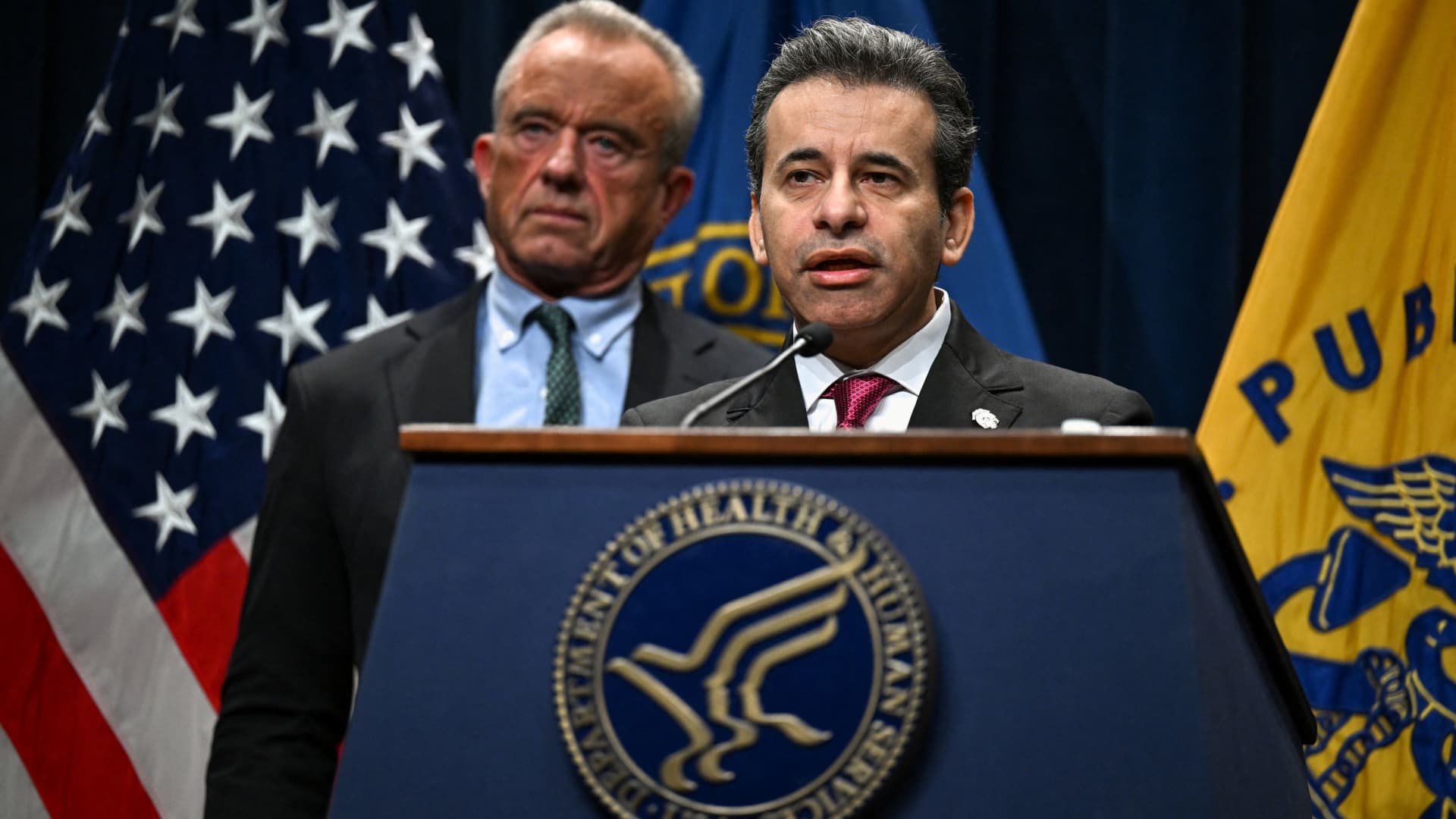
The article advocates for establishing an independent national foodborne outbreak investigation board in the U.S. to improve coordination, transparency, and effectiveness in handling food safety outbreaks, citing recent failures like the Listeria outbreak linked to pasta as reasons for reform. It emphasizes that a unified, technology-enabled approach could better protect public health, rebuild trust, and reduce the economic burden of foodborne illnesses.
The FDA announced plans to accelerate the approval process for generic biologic medicines, or biosimilars, to increase competition and reduce high drug prices in the U.S., which are significantly higher than in other countries. The reforms aim to cut the approval timeline in half, simplify studies, and remove barriers to market entry, potentially saving billions in healthcare costs and providing more affordable options for patients.
The order aims to boost the US commercial space industry by streamlining regulations, expediting licensing and permits, reforming spaceport infrastructure development, and establishing clear processes for space activities, with a focus on increasing competitiveness and innovation by 2030.
President Donald Trump signed an executive order to streamline regulations and promote competition in the U.S. commercial space industry, aiming to maintain American leadership in space exploration and technology by reducing regulatory barriers, expediting licensing processes, and fostering innovation, building on previous space policy initiatives and achievements like the establishment of the Space Force and commercial crew missions.
Treasury Secretary Scott Bessent emphasized the urgent need for comprehensive reform of financial regulation, advocating for a strategic, forward-looking approach that prioritizes community banks, innovation, and economic growth, while criticizing reactionary policies and outdated capital requirements, and calling for modernization and simplification of the regulatory framework.
U.S. exchange operators, including Nasdaq and NYSE, are in discussions with the SEC to ease regulations for public companies, aiming to encourage more startups to go public by reducing disclosure requirements and costs, amidst ongoing efforts to make public markets more attractive and accessible.
Governor Michelle W. Bowman expressed concerns about the regulatory trajectory and its impact on the future of banking, particularly focusing on bank mergers and acquisitions, de novo bank formation, and regulatory approvals in the banking system. She highlighted the challenges faced by banks, especially smaller ones, in complying with voluminous regulatory changes and emphasized the need for a more focused and prioritized reform agenda. Additionally, she raised concerns about the evolving approach to bank mergers and acquisitions by prudential regulators, emphasizing the importance of improving the speed and timeliness of regulatory decision-making and ensuring that the regulatory review process is fair, transparent, and consistent with applicable statutes.
Activist investor Nelson Peltz has called for the creation of a new deposit insurance scheme to protect savers in the event of bank failures. Peltz argues that the current system, which is backed by the Federal Deposit Insurance Corporation, is inadequate and that a new scheme is needed to ensure financial stability. The proposal is part of a wider push for regulatory reform in the US banking sector.