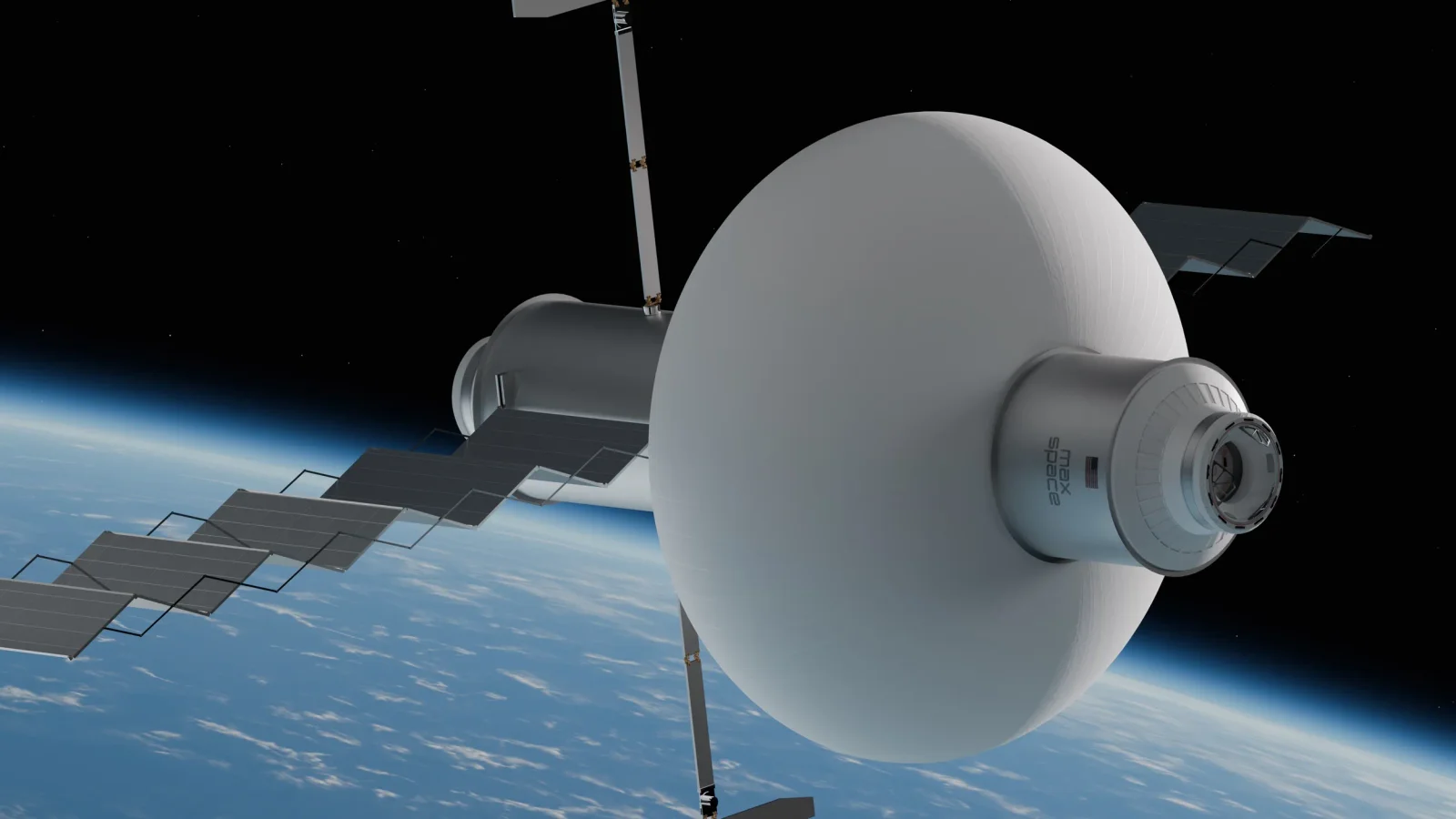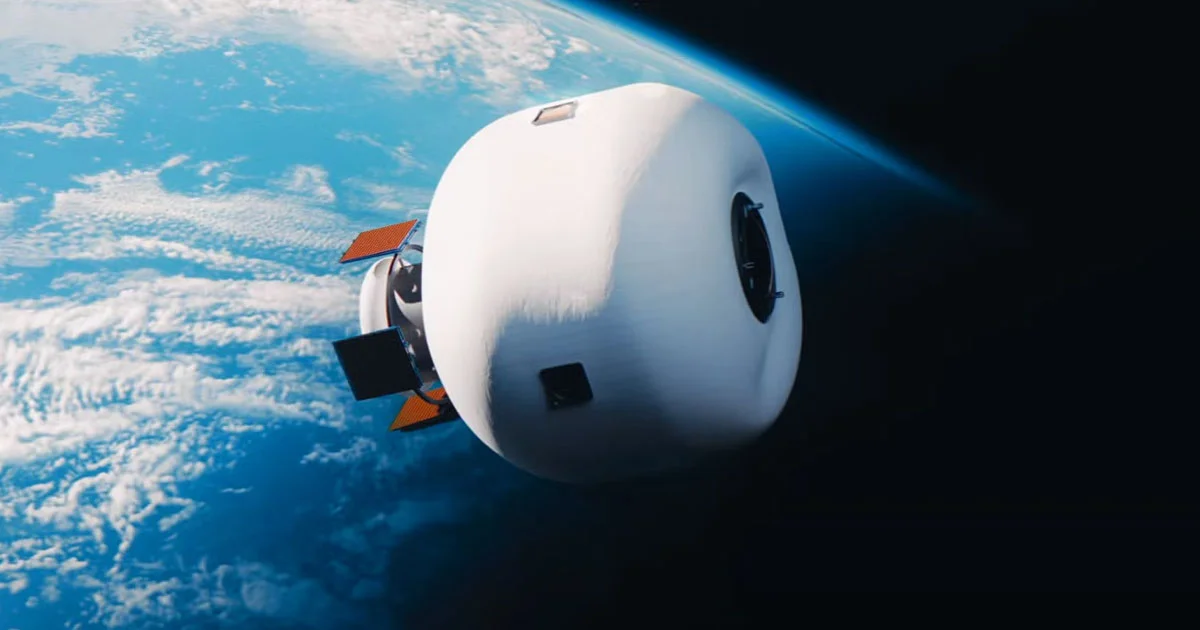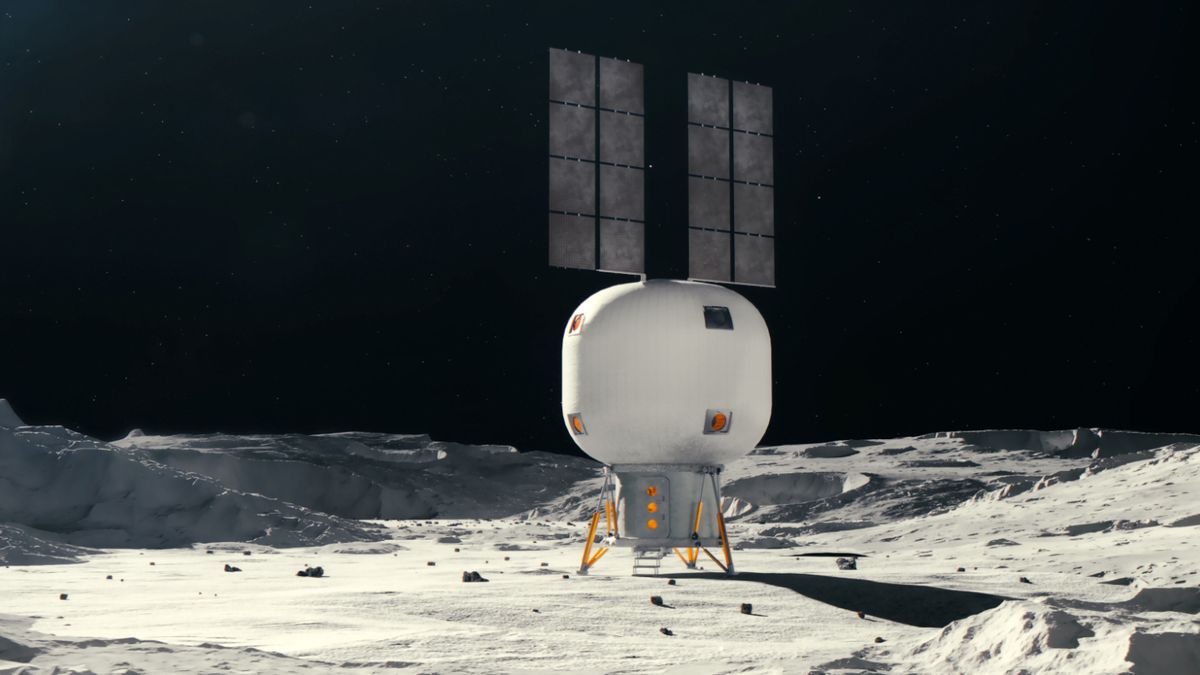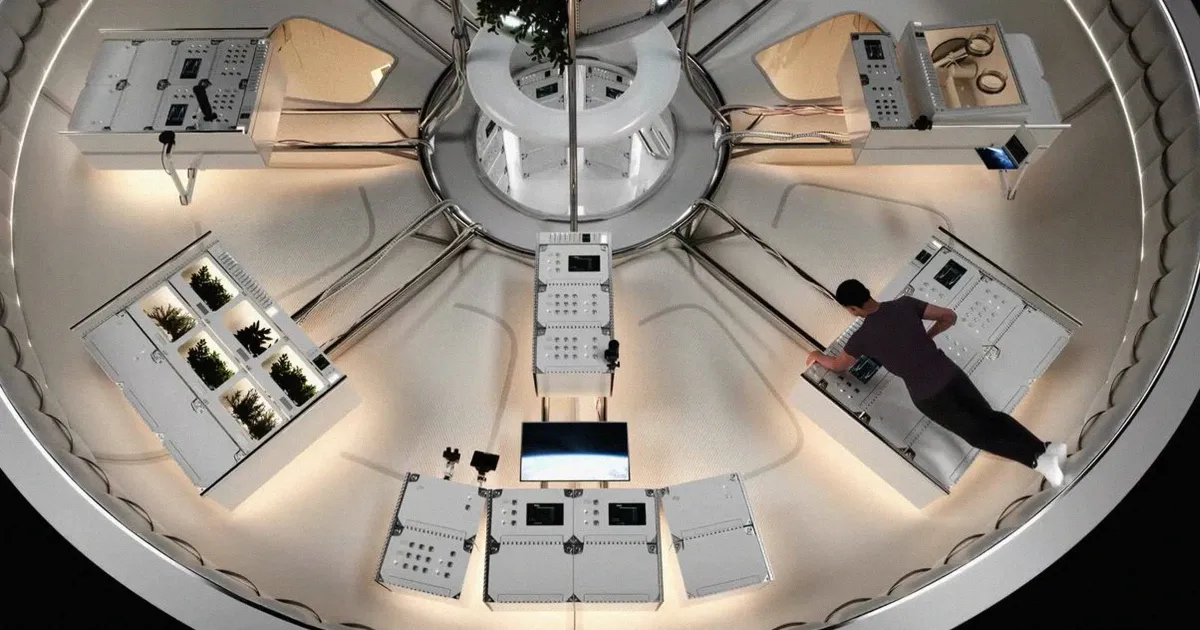
Max Space is developing Thunderbird Station, an inflatable space habitat that can expand to over 12,000 cubic feet with a single launch, aiming for deployment by 2029, offering a potentially more spacious and reconfigurable alternative to traditional space stations, and possibly serving lunar and Mars missions in the future.
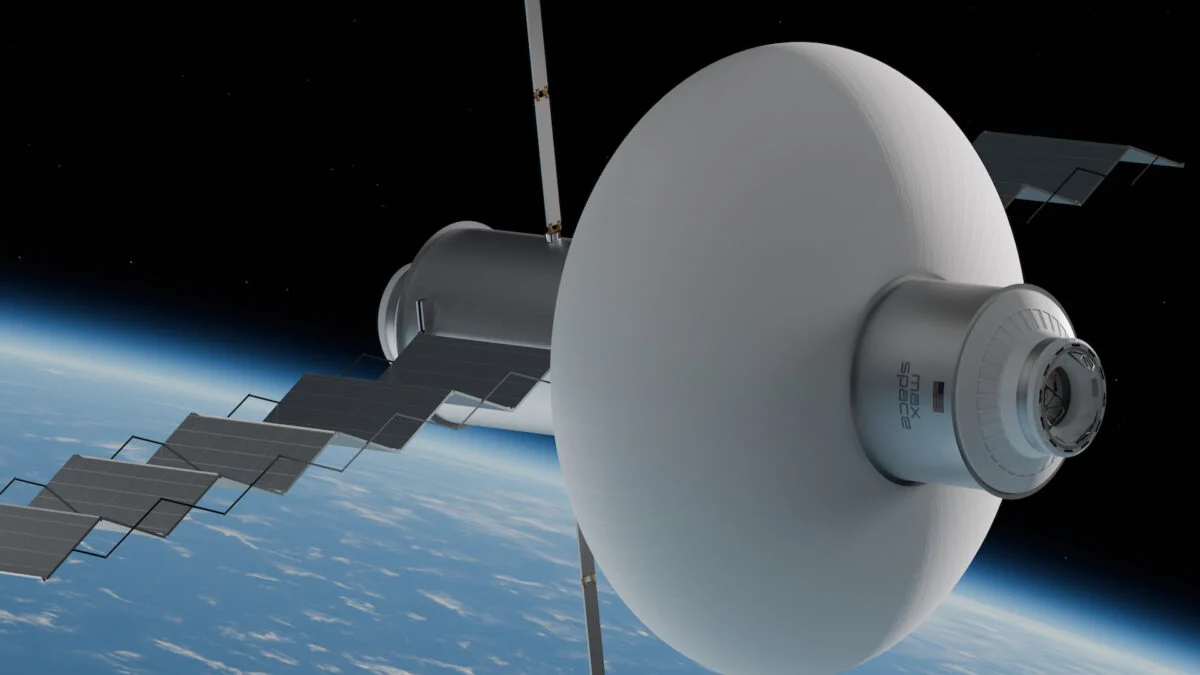
Max Space plans to launch a prototype of its single-module, expandable space station, Thunderbird, in 2027 via a single Falcon 9 rocket, aiming to reduce assembly trips and support research and manufacturing in orbit, with potential future use for lunar and Martian habitats.
Max Space plans to develop Thunderbird Station, a scalable, expandable commercial space station that can launch on a single Falcon 9 rocket, supporting four people and supporting in-space manufacturing and research, with a prototype set to launch in 2027.
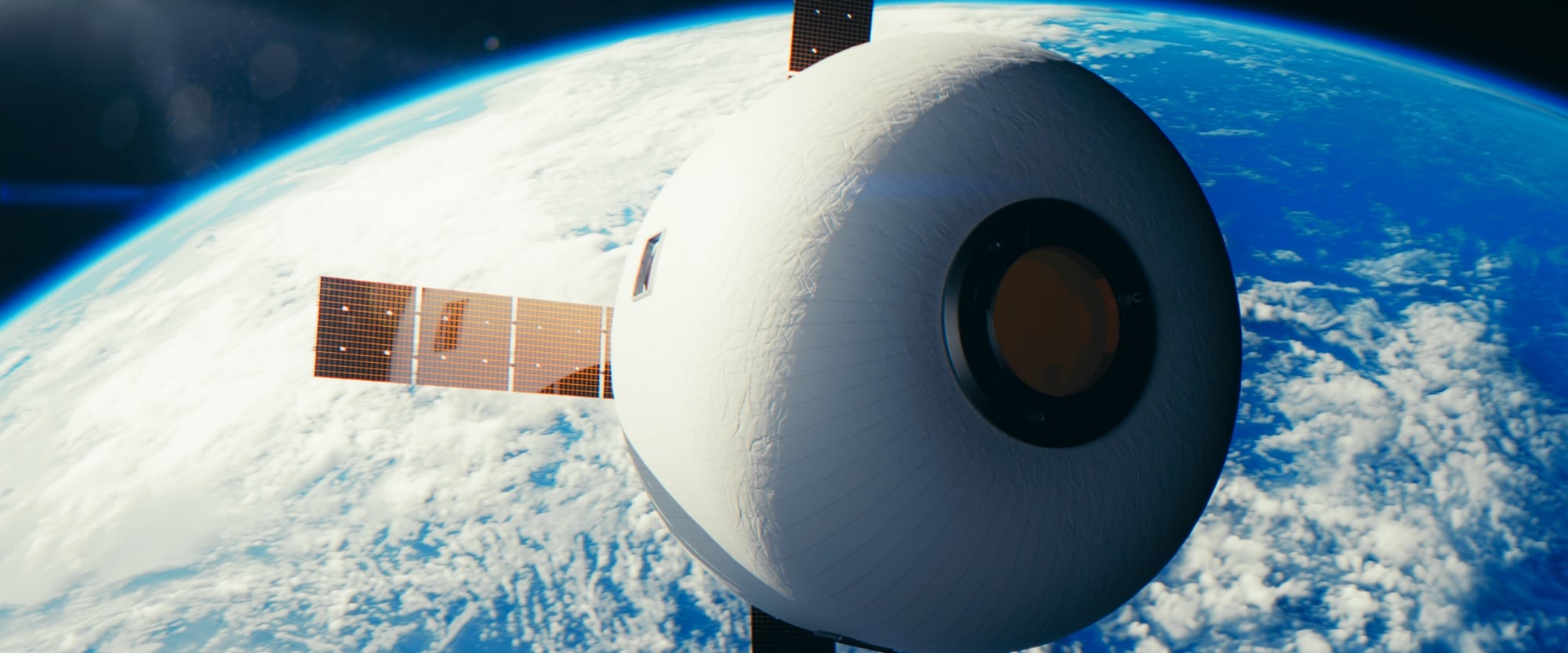
Space startup Max Space plans to launch expandable, "stadium-sized" habitats into Earth's orbit on SpaceX rockets by the end of the decade, aiming to provide more habitable space in space at a lower cost. The company's scalable habitat designs range from 20 to 35,300 cubic feet and could potentially be deployed on the Moon or Mars. With a focus on inflatable habitats, Max Space aims to conduct its first off-Earth test within two years, while facing competition from other companies like Sierra Space in the race to develop expanding habitats for space exploration.
Max Space, a startup, is developing inflatable space habitats to facilitate human expansion into space, with plans to launch a 20-cubic-meter module in 2026 and larger modules in the following years. These expandable habitats are designed to be cost-effective and scalable, aiming to provide living space for various purposes, from pharmaceutical production in microgravity to potential settlements on the moon and Mars. The company's goal is to enable off-Earth settlement and extend humanity's footprint into the solar system.
Max Space, a startup, plans to develop inflatable modules for space stations and other applications, with the first module scheduled to launch on a SpaceX mission in 2025. The company's expandable modules are designed to be larger and less expensive than alternatives, with a focus on scalability and cost-effectiveness. Max Space aims to supply modules to other companies developing commercial space stations and is currently focused on developing the technology, having raised a "sub-$10 million" seed round to fund the initial module's development and launch.