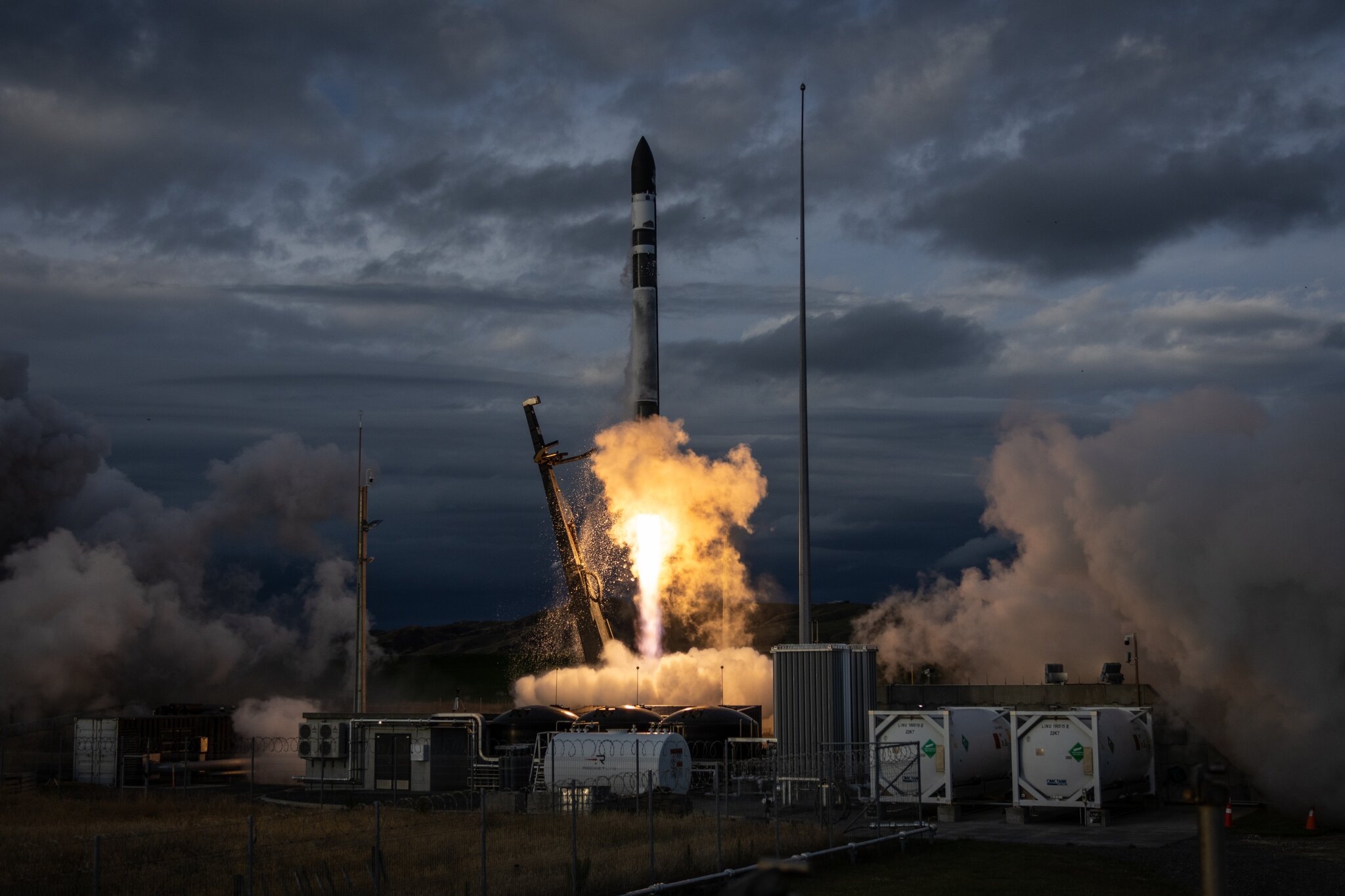
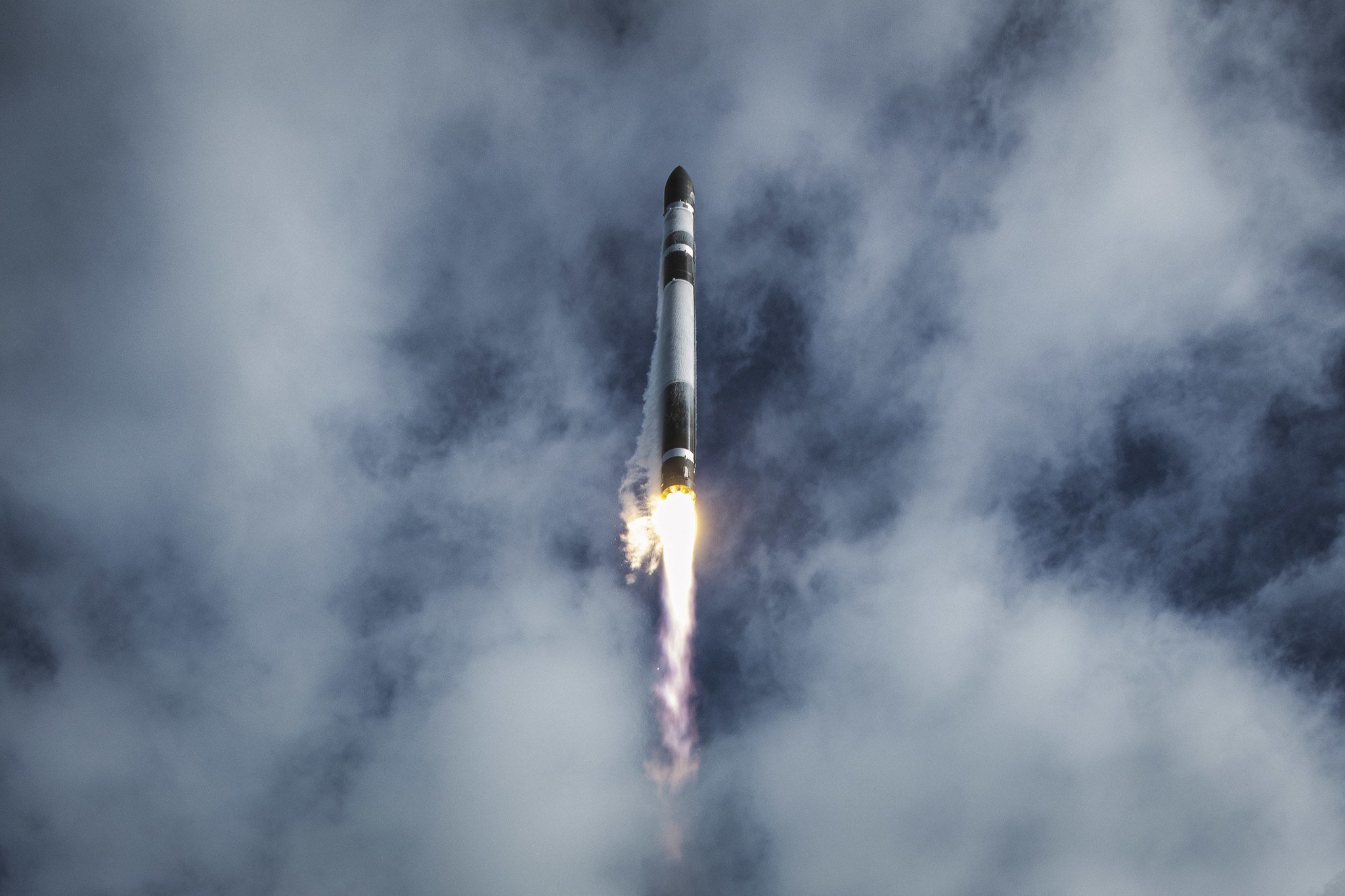
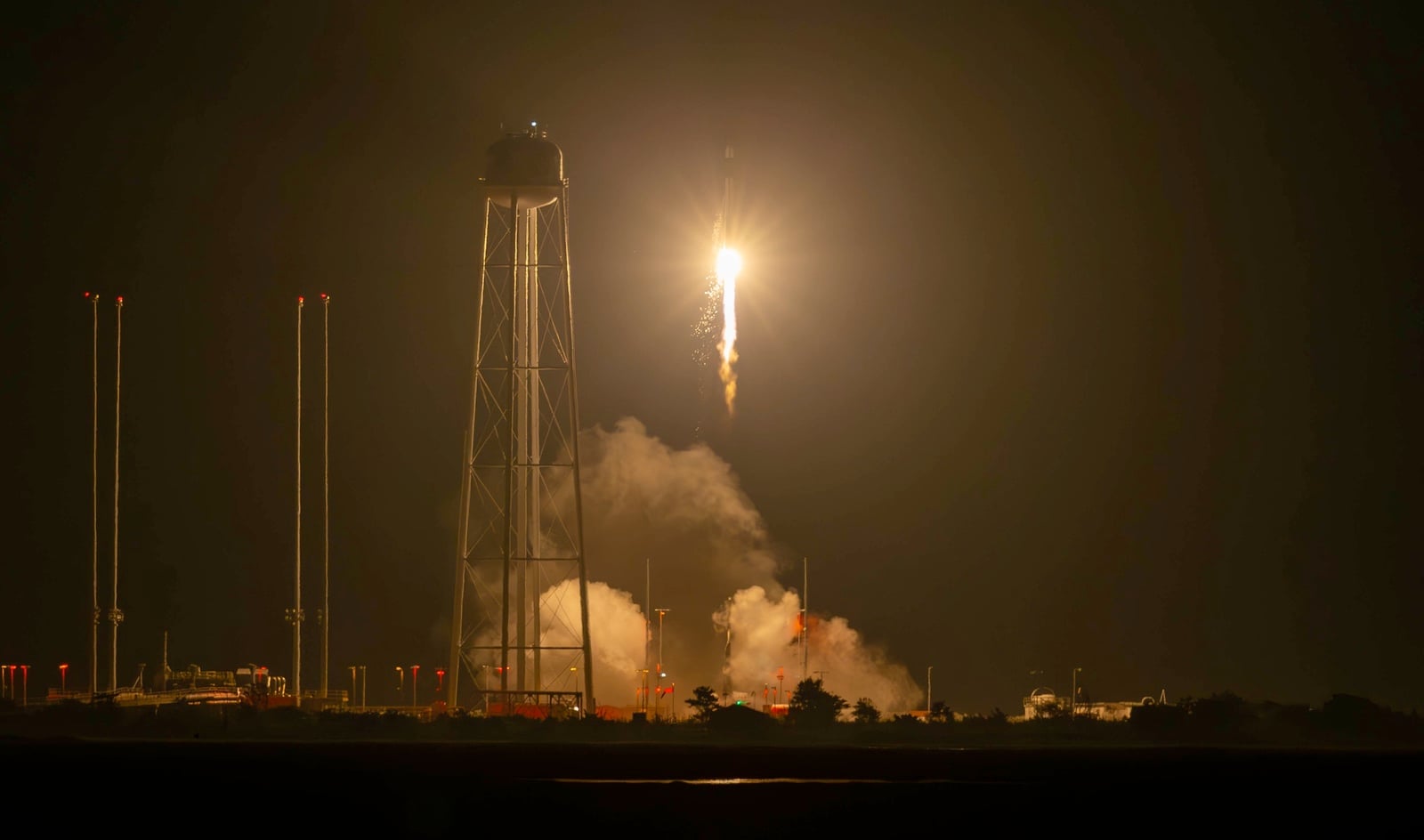
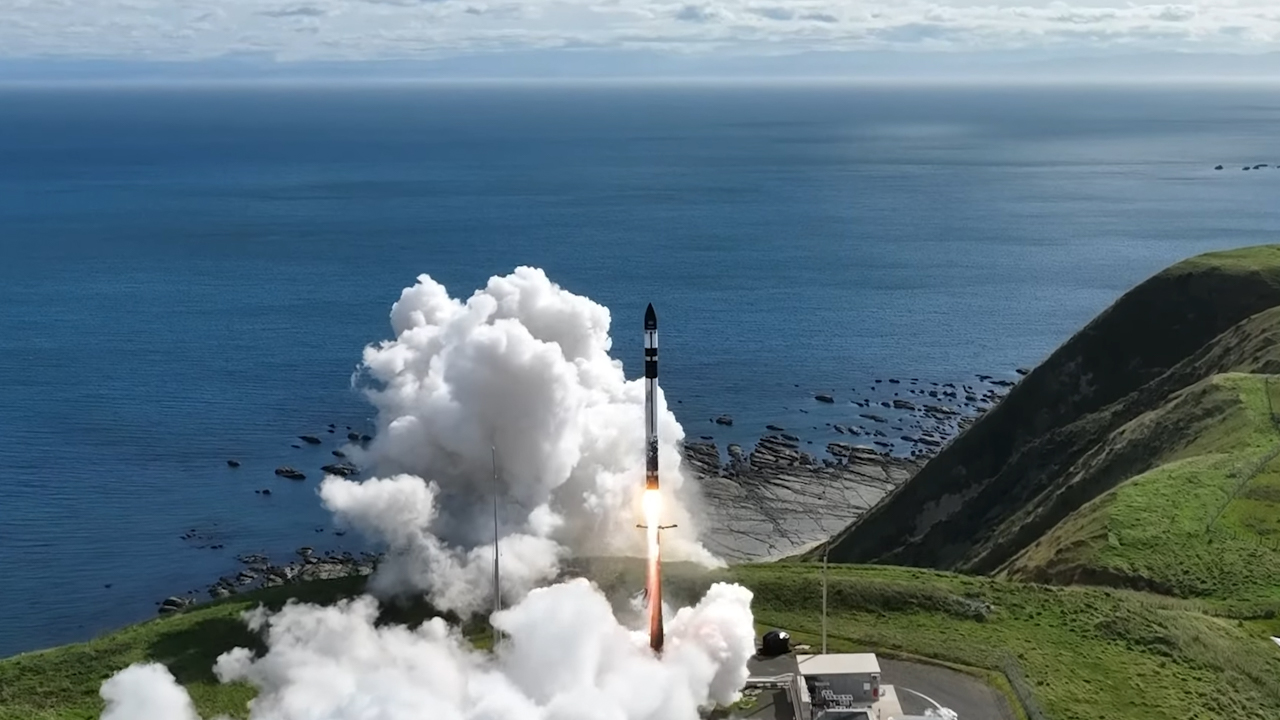
Rocket Lab concluded a record-breaking year with its 21st Electron launch, successfully deploying a radar imaging satellite for Japanese company iQPS, and demonstrating its growing presence in the small-launch market with a total of 21 launches in 2025, second only to SpaceX among Western companies.
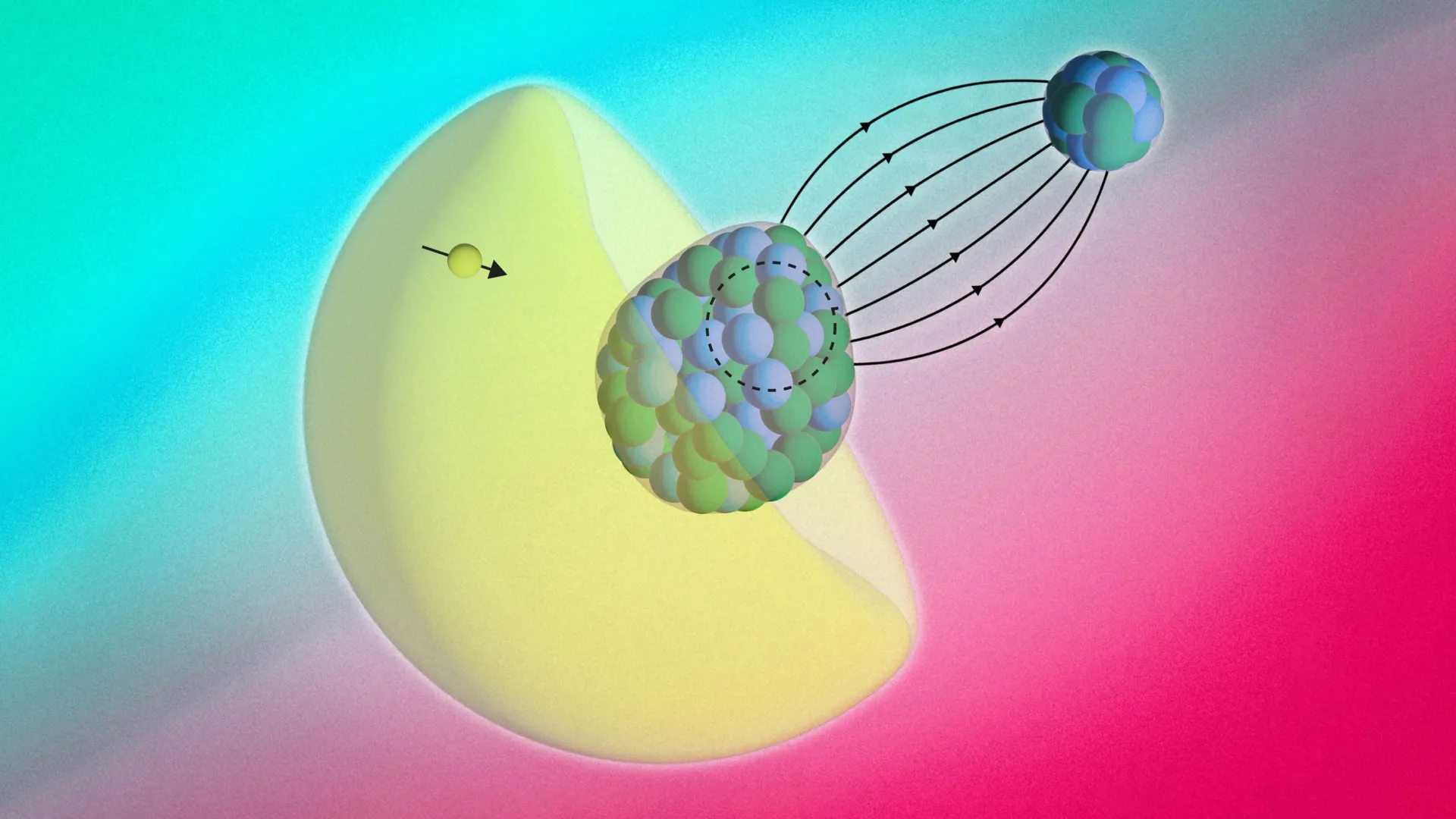
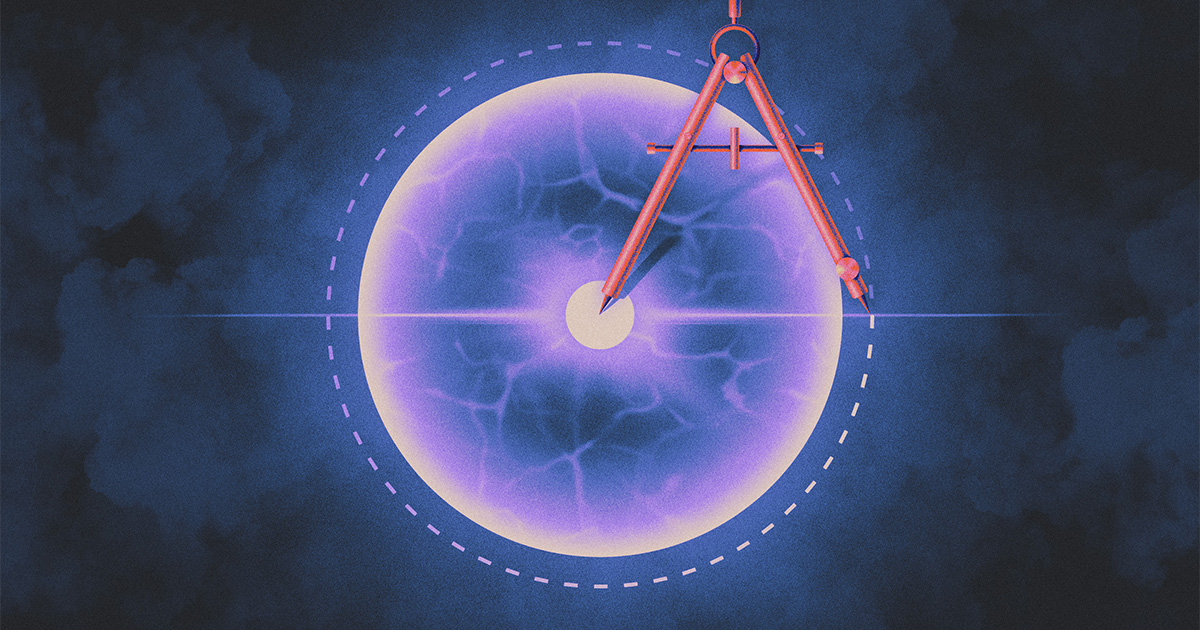
MIT physicists developed a tabletop technique using molecules to study the interior of an atom's nucleus by tracking electron energy shifts, providing a new way to probe nuclear structure and fundamental symmetries, especially in radium, which could shed light on matter-antimatter imbalance in the universe.
The release of macOS 26 Tahoe caused GPU slowdowns in Electron-based apps due to the use of a private API. The Electron team has fixed the issue, and updates are rolling out to popular apps like Discord, Slack, and Visual Studio Code, but some apps still need to update to resolve the problem.
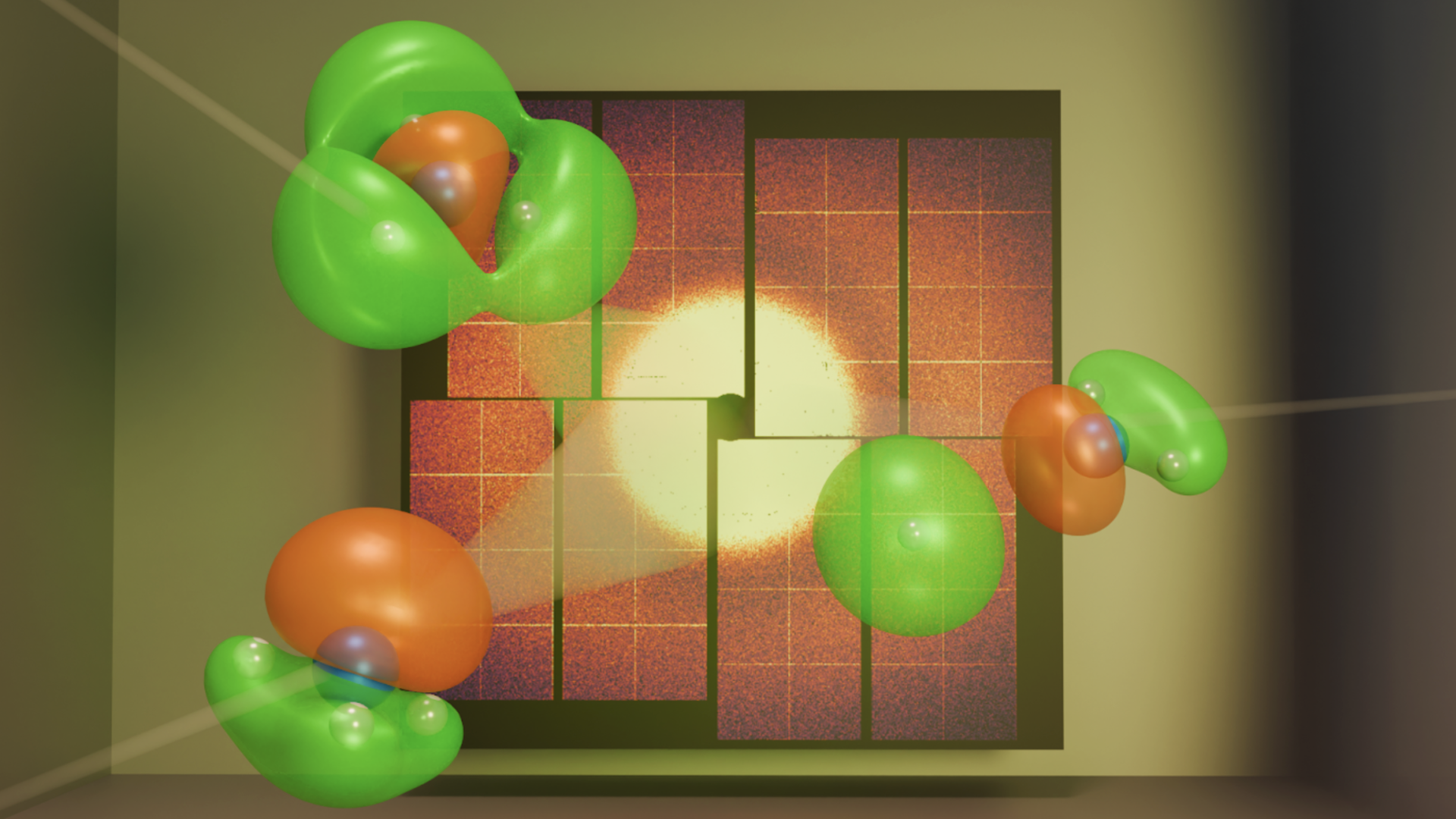
Scientists used ultrafast X-ray flashes to capture for the first time the movement of a single valence electron during a chemical reaction in an ammonia molecule, providing new insights into electron dynamics that could impact drug design and material science.
Rocket Lab's Electron rocket successfully launched five satellites for an undisclosed commercial customer into orbit on August 23, highlighting ongoing commercial space activities.
Attosecond pulses of light, which last for 0.000000000000000001 of a second, have revolutionized the study of electrons and chemical reactions. By generating attosecond light pulses, scientists can observe electron behavior in real time, allowing them to study processes such as the breaking of chemical bonds. This research has earned three physicists the 2023 Nobel Prize in physics. Attosecond spectroscopy has also provided insights into electron behavior in single molecules and has been applied to studying electron transfer in various materials. As researchers continue to improve their ability to generate attosecond light pulses, they will gain a deeper understanding of the fundamental particles that make up matter.
Rocket Lab successfully launched their 39th Electron mission, attempting to recover the first stage for the first time. SpaceX is set to launch two Starlink v2 missions, including the first launch of v2 Mini satellites from Vandenberg. Chinese company CASIC will launch a Kuaizhou 1A rocket with an unknown payload. The global launch count for 2023 may reach a record-breaking 195 orbital flights.
Rocket Lab is making upgrades to its Electron rocket for its upcoming "Baby Come Back" mission, bringing the company closer to reusing its first stage. The rocket will now descend under a parachute and splash down for recovery by a ship, instead of mid-air capture. The changes include improvements to the vehicle's watertightness, a two-point lifting method for recovery, and a lighter parachute optimized for splashdown recovery. Rocket Lab is taking a methodical approach to reusability and plans to make incremental steps towards full reuse. Reusability is seen as an important economic lever for the company, but not an urgent requirement.
Physicists have successfully measured the topological spin winding of electrons for the first time by studying the behavior of electrons in kagome metals. Kagome metals are materials with unique quantum properties due to their physical shape. The study of these properties could advance our understanding of superconductors and other systems containing strongly correlated electrons. The researchers used spin angle-resolved photoemission spectroscopy to investigate the electronic structure of a kagome metal and confirmed the existence of a gap between two electronic bands. This gap gives rise to a property called topological quantum spin curvature, which is related to the curved space in which electrons reside. The findings contribute to the field of quantum geometry and may provide insights into the physics of quantum materials.
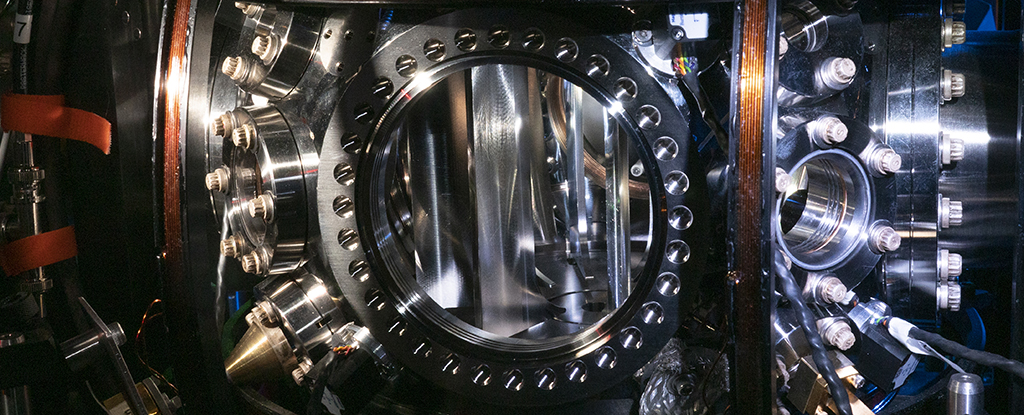
Scientists at the University of Colorado have achieved the most precise measurement to date of an electron's electric dipole moment (EDM), which indicates a breaking of symmetry and could help explain the imbalance of matter and antimatter in the universe. The measurement, conducted using an intricate experimental setup, set an upper bound for the EDM that is 2.4 times higher than previous measurements and around 1 billion times larger than predicted by the Standard Model of particle physics. Understanding the electron's EDM at a precise level is crucial in the search for undiscovered particles that violate charge-parity symmetry and could provide insights into the predominance of matter over antimatter.
Rocket Lab successfully launched the first suborbital variant of its Electron vehicle, called Hypersonic Accelerator Suborbital Test Electron (HASTE), from Wallops Island, Virginia. The company did not disclose the payload or other details about the flight, and the launch was not announced in advance or broadcasted. Rocket Lab plans to launch HASTE exclusively from Wallops and expects strong demand from the Defense Department for hypersonics testing and targets.
Rocket Lab's Electron launched twice in two weeks to deliver the TROPICS constellation, containing four CubeSats, to orbit. The constellation will monitor tropical systems forming in the Atlantic and Pacific Ocean, performing scans about once every hour, an upgrade over current weather tracking satellites. The CubeSats carry a high-performance radiometer that will be able to see inside the structure of tropical systems through the tops of the clouds, including high-resolution scans of the eyewall.
Physicists have been searching for asymmetry in the shape of the electron for decades, hoping to find signs of new physics. The latest experiments show that the electron is rounder than previously thought, disappointing those hoping for new discoveries. However, the results still help to constrain models for unknown particles and forces that may be missing from the current understanding of physics. The search for the electric dipole moment (EDM) of the electron continues, with two competing teams using different approaches to increase sensitivity and measurement time. The dream is that these experiments will be the first to detect signs of new physics, prompting further investigations.
Internet telephony company 3CX has warned its customers of malware that was apparently weaseled into the company’s own 3CX Desktop App by cybercriminals who seem to have acquired access to one or more of 3CX’s source code repositories. The malware-laced versions were apparently built and distributed by 3CX itself, so they have the digital signatures you’d expect from the company, and they almost certainly came from an official 3CX download server. 3CX has advised its users to uninstall the Desktop App and switch to using the company’s web-based telephony app for now.