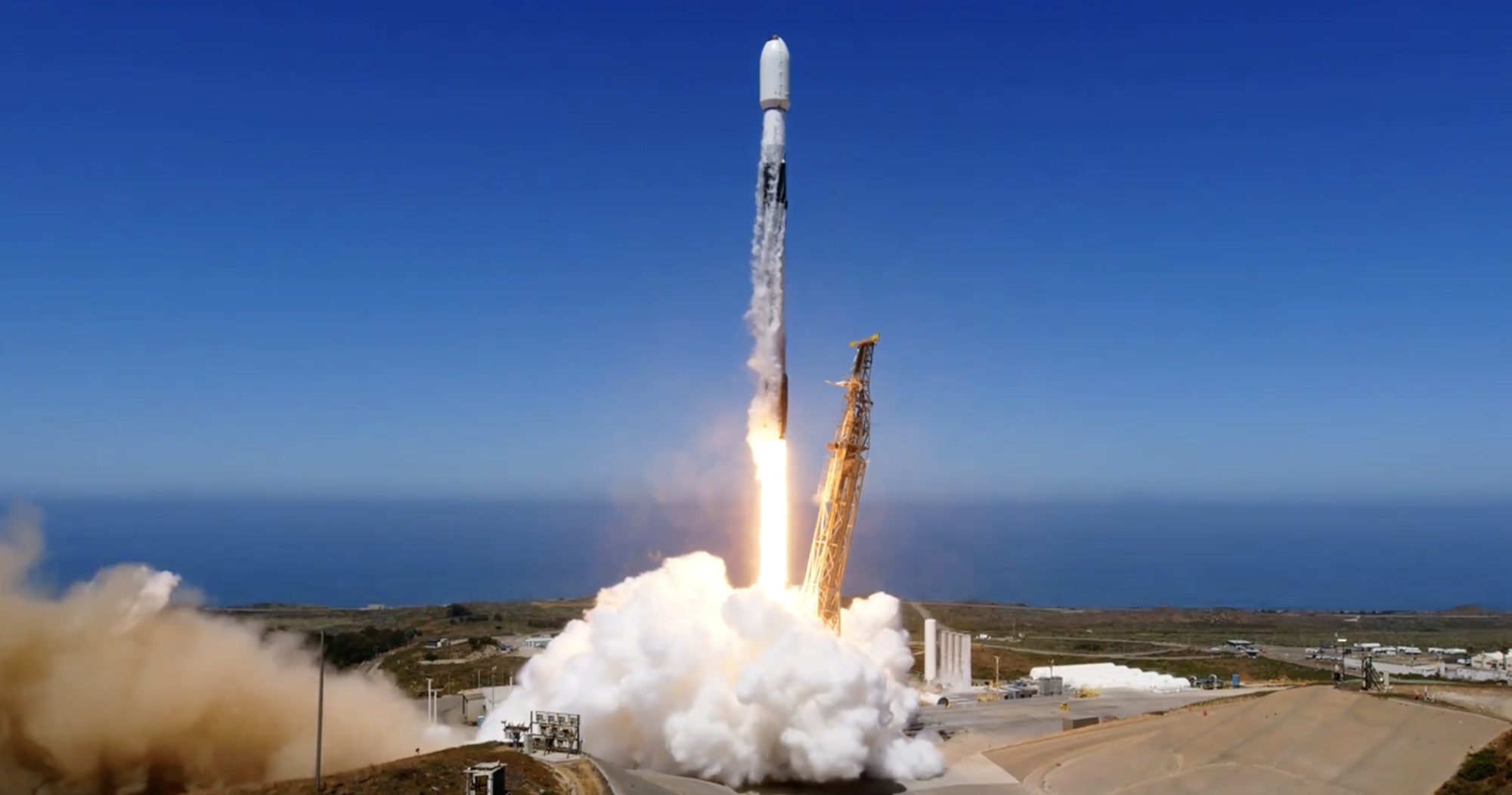
SpaceX standby rideshares gain popularity
SpaceX's smallsat rideshare program, now five years old, is experiencing increased demand, leading the company to emphasize flexibility in its launch services to accommodate more customers.

All articles tagged with #launch services
SpaceX's smallsat rideshare program, now five years old, is experiencing increased demand, leading the company to emphasize flexibility in its launch services to accommodate more customers.
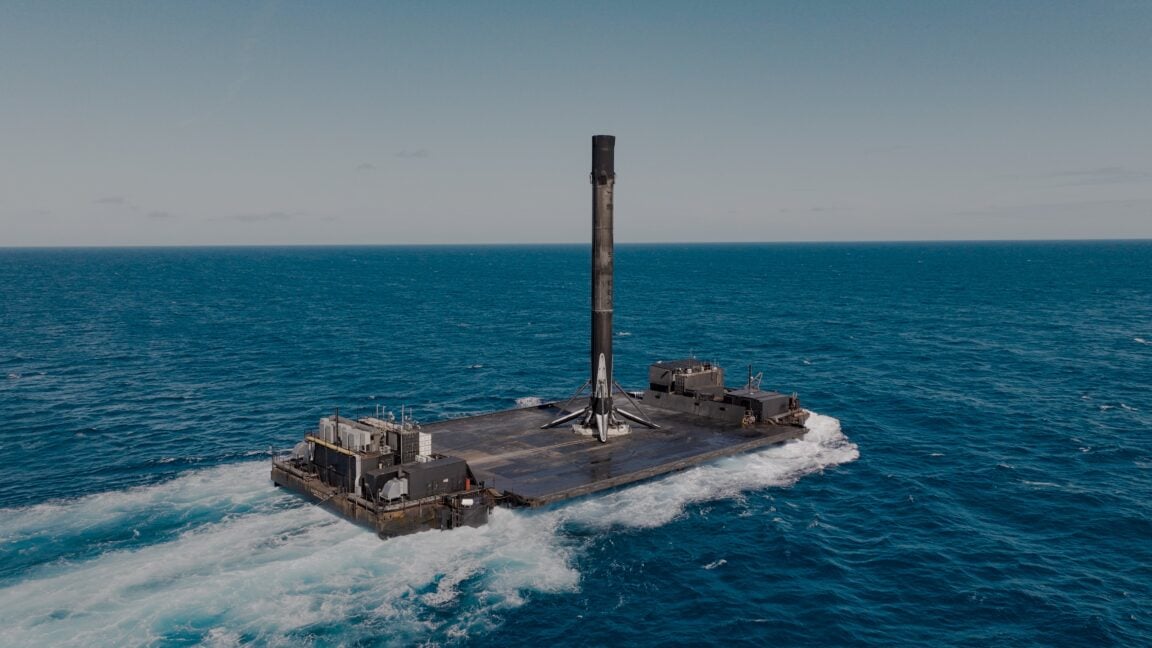
Jeff Bezos continues to buy launches from Elon Musk's SpaceX primarily because SpaceX offers reliable, cost-effective launch services, especially during a period when Western rocket options are limited due to geopolitical issues and delays in other rocket programs. This collaboration also provides strategic leverage for SpaceX in the satellite and launch market, despite their competitive relationship.
NASA has selected six companies to study cost-effective methods for launching and transferring spacecraft to various orbits, aiming to enhance science capabilities and reduce mission costs, with studies to be completed by September.

Rocket Factory Augsburg sees the recent shift in Europe's launch industry as a historic moment, as the European Space Agency (ESA) embraces a competitive approach to space transportation and reduces reliance on public funding. The startup is closing in on its first orbital launch attempt and believes the shift will benefit companies like theirs. Rocket Factory Augsburg is developing the RFA One small launcher and now has the opportunity to think bigger, potentially expanding to medium or heavy lift systems. The company is also part of a consortium developing a cargo service to the International Space Station (ISS) and future commercial space stations. The focus is currently on the first launch, targeted for 2024 from SaxaVord Spaceport in Scotland's Shetland Islands.
NASA's inspector general has concluded that the planned 50% cost reduction for the Space Launch System (SLS) Block 1B through a services contract is "highly unrealistic." The report suggests that the cost of SLS will likely remain above $2 billion per launch, and efforts to find additional customers for SLS have been unsuccessful. The lack of competition and ongoing cost reduction efforts that have not achieved expected savings contribute to the skepticism. The report recommends that NASA keep its options open for alternative launch vehicles and continue monitoring the commercial development of heavy-lift space flight systems.
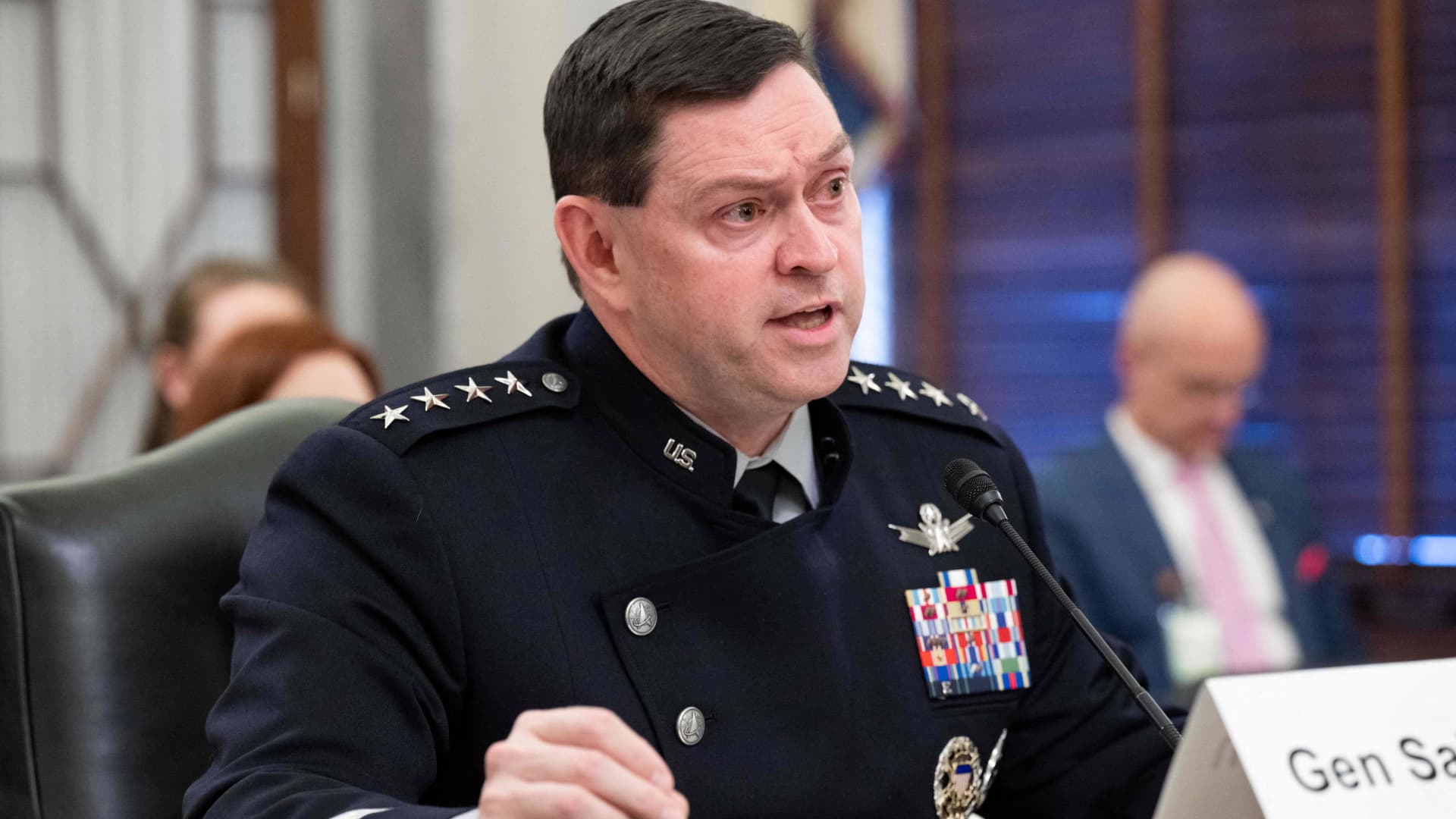
The US Space Force's Chief of Space Operations, Gen. Chance Saltzman, has warned that the US is facing a "new era" of space threats from strategic competitors like Russia and China. Saltzman said that the threats to on-orbit capabilities have grown substantially, and the congestion in space has increased exponentially. He added that the mix of weapons and the pace with which they've been developed are very concerning. To respond to evolving threats and secure space assets more quickly, Saltzman is looking to further augment the service's capabilities to make satellite constellations more resilient and acquire more launch services by tapping into a burgeoning cadre of commercial space players.