Scientists from Scripps Research and the Allen Institute, led by Nobel laureate Ardem Patapoutian, received $14.2 million from the NIH to create the first comprehensive map of interoception, the body's internal sensory system, aiming to better understand how the brain monitors internal signals and its implications for health and disease.

Brief, controlled stressors like cold water immersion can recalibrate the brain's perception of physical effort, making workouts feel less painful and more enjoyable, which can enhance resilience and motivation during exercise.
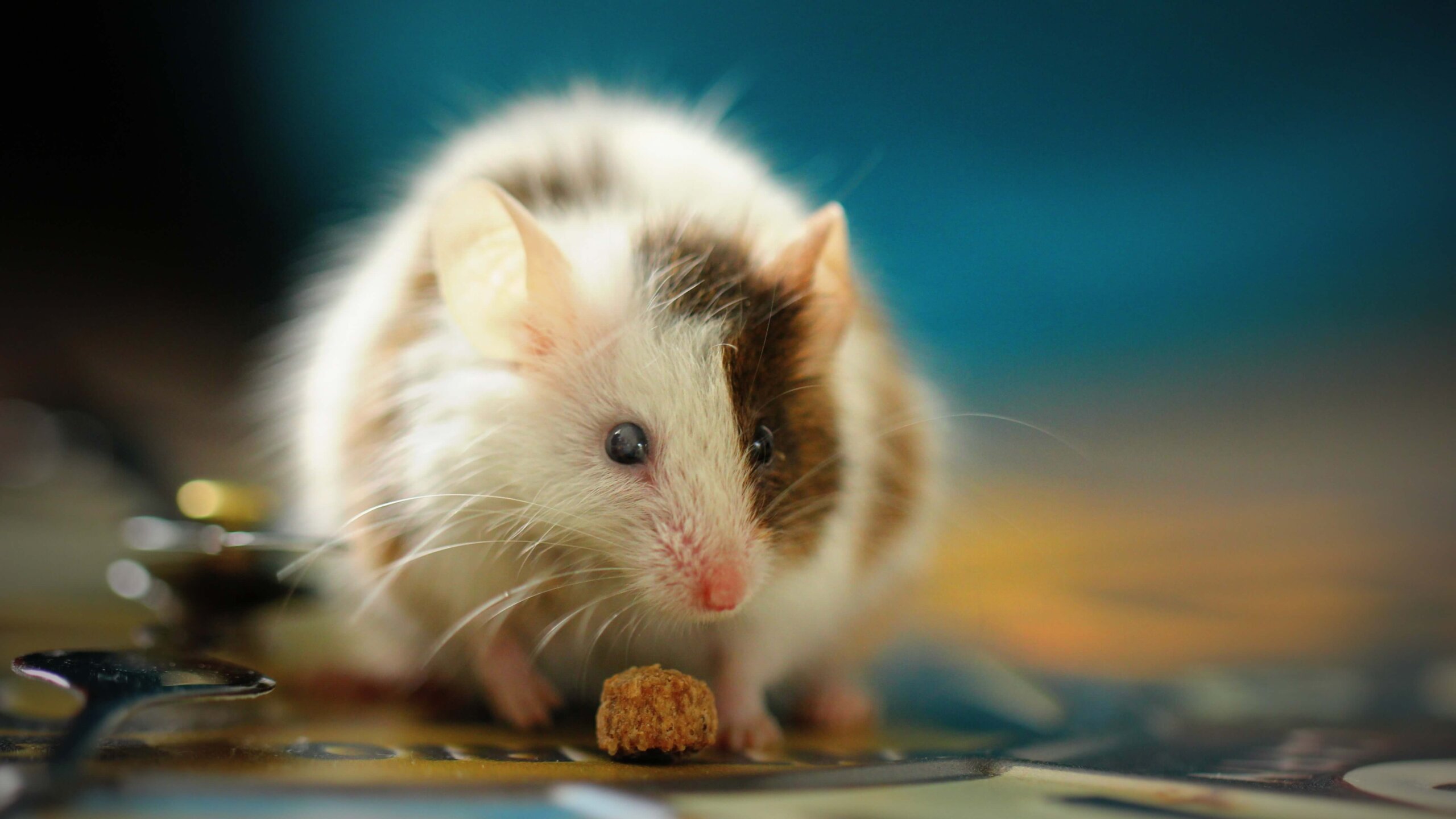
A new study in mice has found a brain-body connection between fatty tissues and neurons in the hypothalamus, a region that controls basic bodily functions. By manipulating a protein called Ppp1r17 in aged mice, researchers extended their life span by roughly seven percent and improved their overall health, including increased motivation for physical activity. This study adds to the growing body of research on the brain-body connection and its impact on aging, offering potential insights into extending healthy life spans in humans.
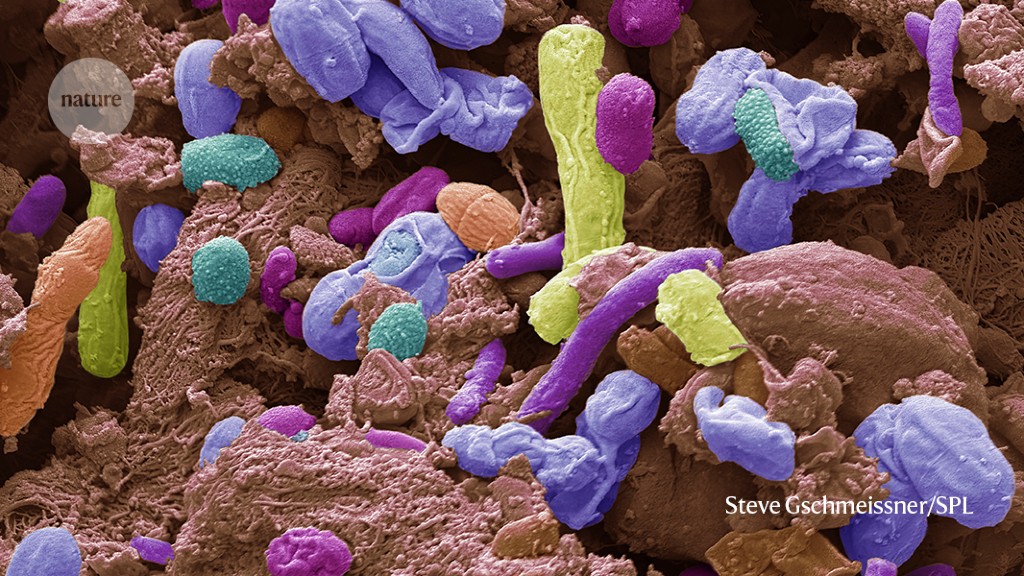
Recent research has revealed that the brain and body are more interconnected than previously thought. Changes in the gut microbiome have been linked to brain disorders such as Parkinson's disease, while certain infections may trigger Alzheimer's disease and autism spectrum disorder. Additionally, the brain can influence various bodily functions, including fever development and cancer growth. This new understanding has significant implications for both scientific research and healthcare, suggesting that therapies for brain conditions could potentially be administered through organs outside the brain, and that emotional and behavioral changes may impact recovery from illness.
New research published in the journal Nature shows that the parts of the brain that affect movement are tied into networks that are responsible for thinking and planning and influence several involuntary bodily functions, including blood pressure and heartbeat. Researchers discovered nonmovement areas in the brain that did not become active during movement but became active when the person thought about moving. This study is showing the important connection between the mind and body, and perhaps more specifically, the brain and body.