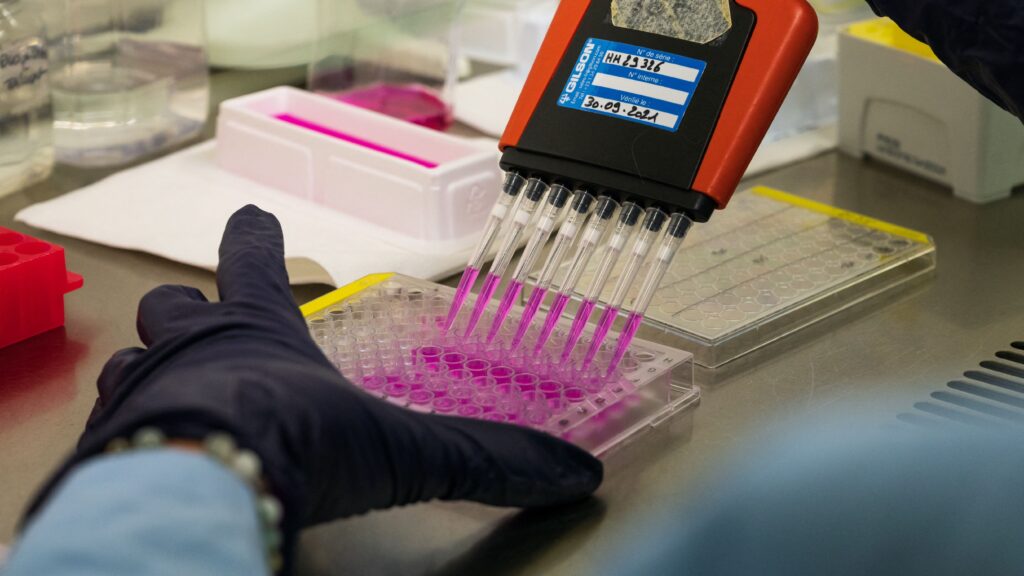
The U.S. Department of Health and Human Services is ending significant funding for mRNA vaccines for infectious diseases, raising concerns among cancer researchers that broader hostility towards mRNA technology could hinder the development of promising cancer vaccines, although current oncology research appears unaffected.
Former NBC correspondent Kristen Dahlgren left her dream job to launch the Pink Eraser Project, aiming to accelerate breast cancer vaccines after learning about promising research from Dr. Nora Disis. The project seeks to streamline funding and collaboration to bring safe and affordable breast cancer vaccines to fruition, potentially changing the landscape of breast cancer treatment worldwide.
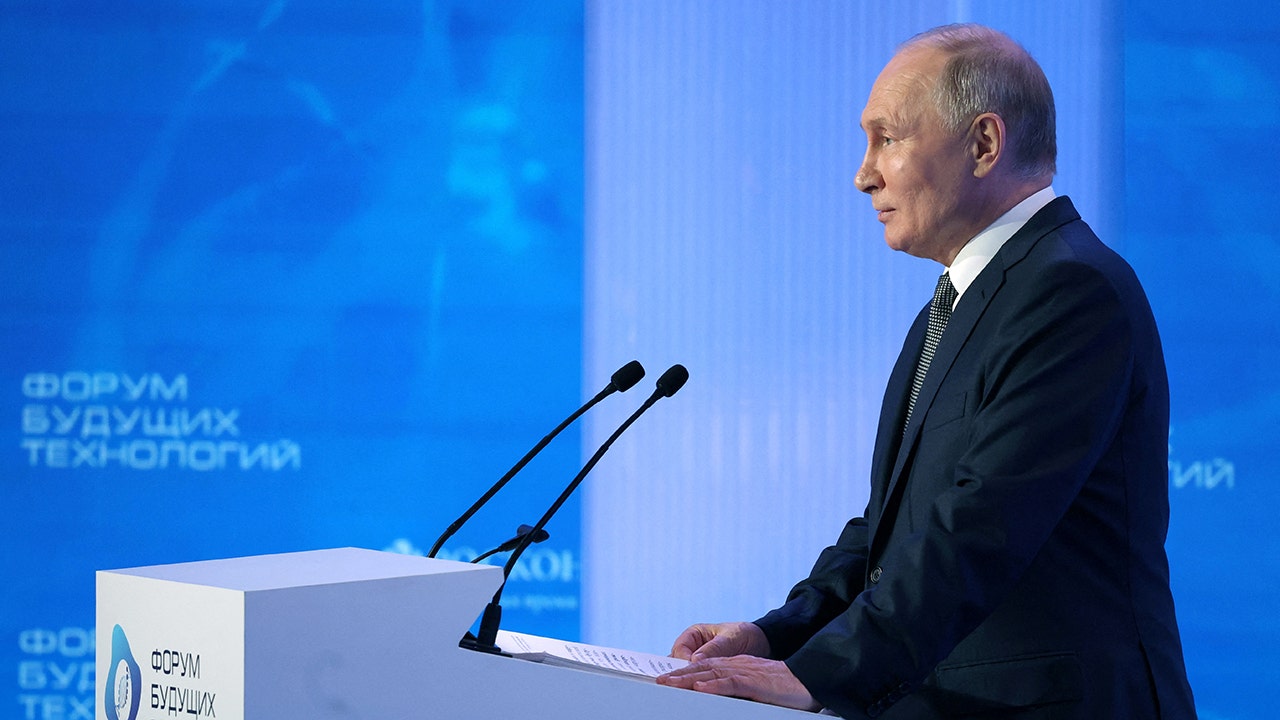
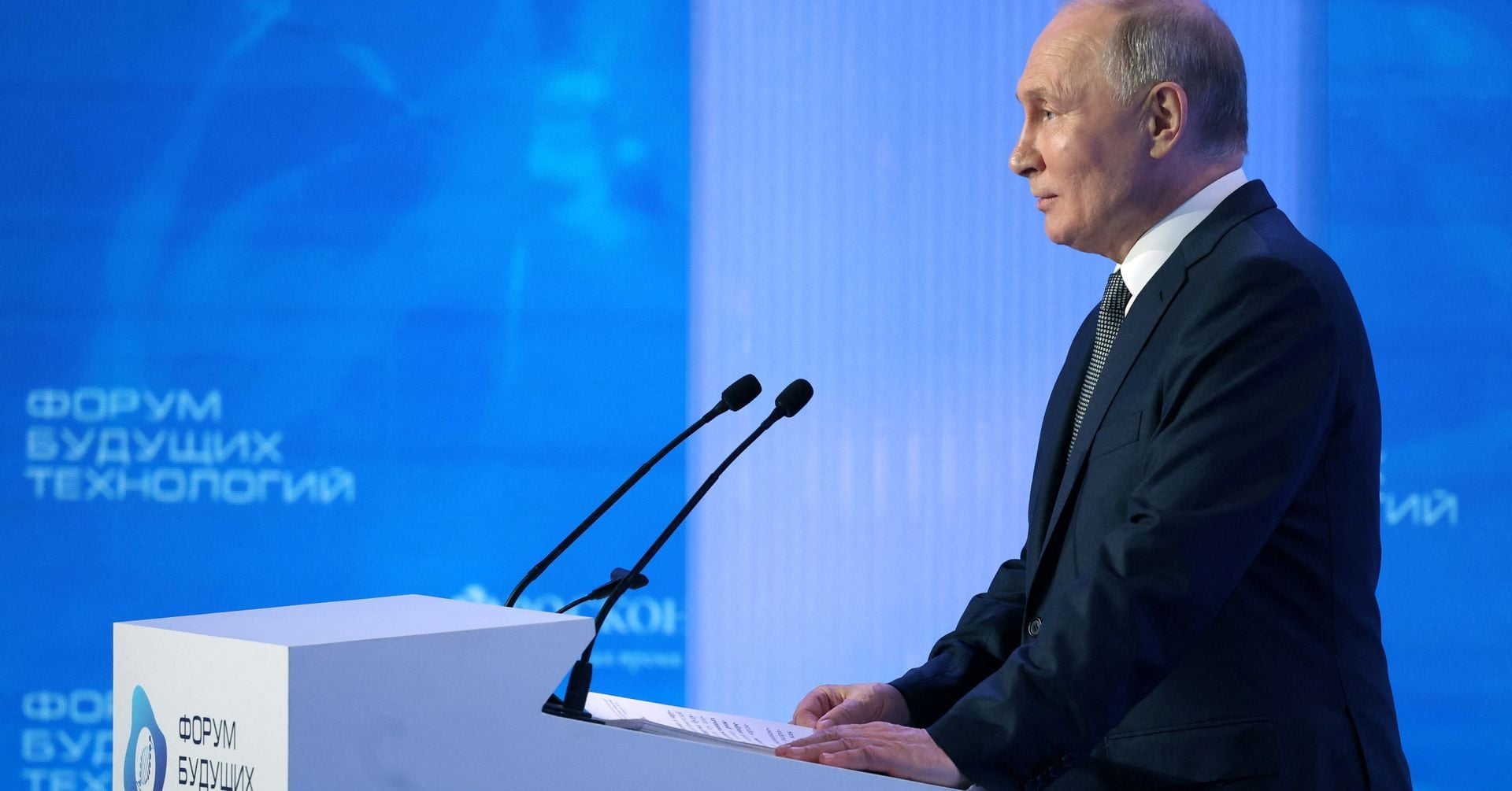
Russian President Vladimir Putin announced that the country is on the verge of creating cancer vaccines and immunomodulatory drugs of a new generation, expressing hope for their effective use in individual therapy. While he did not specify the targeted cancer types or methods, several countries and companies are already working on cancer vaccines, with some showing promising results in clinical trials. This announcement comes as Russia previously developed the Sputnik V vaccine against COVID-19, facing public reluctance domestically despite being sold to other countries.
Russian President Vladimir Putin announced that Russian scientists are on the verge of creating cancer vaccines and immunomodulatory drugs of a new generation, which could soon be used for individual therapy. While specific details were not provided, several countries and companies are already working on cancer vaccines, with some showing promising results in clinical trials. This announcement comes as Russia previously developed the Sputnik V vaccine against COVID-19 and faced public reluctance to get vaccinated domestically.
Russian President Putin announced that the country's scientists are on the verge of creating cancer vaccines and new-generation immunomodulatory drugs, expressing hope for their effective use in individual therapy. While not specifying the targeted cancer types or the mechanisms involved, Putin's statement aligns with global efforts in personalized cancer treatments, including ongoing trials by UK-based BioNTech and developments by pharmaceutical companies like Moderna and Merck & Co. This announcement comes in the wake of Russia's successful development and international distribution of the Sputnik V COVID-19 vaccine, as the country continues to advance its contributions to medical innovation.
Evaxion Biotech is leveraging AI-Immunology™ to develop tailored cancer vaccines targeting Endogenous Retroviruses (ERVs), an untapped source of tumor antigens, with the goal of providing treatment solutions to cancer patients unresponsive to conventional immunotherapy. The company aims to generate Proof-of-Concept data by the second half of 2024 and has presented recent insights at the American Society of Hematology Annual Meeting. ERVs, remnants of ancient viruses overexpressed in cancer, are promising targets for cancer vaccines, and AI-Immunology™ plays a crucial role in identifying therapeutically relevant ERV tumor antigens from genomic patient tumor data. Evaxion's AI-Immunology™ platform offers a scalable and adaptable approach to vaccine discovery for infectious diseases and cancers, revolutionizing the landscape of immunotherapy with personalized medicine.
Advances in the development of cancer vaccines, which train the immune system to target specific cancer-associated antigens, are showing promising results in clinical trials. A recent melanoma mRNA vaccine trial combined with immunotherapy reduced the likelihood of recurrence or melanoma-related death by 44%. While the vaccines have minimal side effects, the production time for customized vaccines can take up to 14 weeks. Researchers hope to use these vaccines to treat metastatic or incurable cancer and prevent cancer in high-risk individuals.
Recent breakthroughs in cancer treatment include the development of the AOH1996 drug, which has shown promise in annihilating solid tumors in preclinical research; the use of checkpoint inhibitors to block cancer's ability to turn off the immune system; the development of personalized cancer vaccines to cure advanced cancers and prevent recurrence; the potential of flash radiotherapy to deliver radiation faster and with less damage to healthy tissue; and the use of engineered viruses to infect and destroy cancer cells. These advancements offer hope for improved outcomes and a step closer to finding a cure for cancer.
Cancer vaccines are a reality, with personalized vaccines showing promise in preventing the return of pancreatic cancer in trial participants. Pharma giants BioNTech and Moderna are exploring the potential of mRNA vaccines to fight cancer. Cancer vaccines can be therapeutic, used to treat advanced cancer, or preventive, targeting infections that can lead to cancer. Currently, there are FDA-approved vaccines for early-stage bladder cancer, prostate cancer, HPV, and Hepatitis B. The HPV vaccine has already led to a significant decline in cervical cancer cases. Researchers are also working on vaccines for breast cancer. Developing personalized cancer vaccines is a complex process, but advancements in mRNA technology may speed up the process. However, concerns remain about equitable access to cancer vaccines, as marginalized populations may face barriers in clinical trials and treatment options. The availability of cancer vaccines is expected to increase in the next decade, but funding for clinical trials remains a challenge.
Merck and Moderna have reported that adding an experimental mRNA-based vaccine reduced the risk of the most deadly skin cancer spreading by 65% over treatment with immunotherapy alone in a midstage trial. The customized mRNA vaccine, given in combination with Merck's Keytruda, cut the risk of death or recurrence of melanoma by 44% compared with Keytruda alone. The mRNA technology can be used to assemble personalized vaccines that train the immune system to attack the specific type of cancer cells in a patient's tumors. The hope is for "a completely new treatment paradigm in cancer that will be better tolerated and unique to individual patients' tumors."
Merck and Moderna's experimental mRNA-based vaccine reduced the risk of the most deadly skin cancer spreading by 65% over treatment with immunotherapy alone in a midstage trial. The customized mRNA vaccine, given in combination with Merck's Keytruda, cut the risk of death or recurrence of melanoma by 44% compared with Keytruda alone. The mRNA technology can be used to assemble personalized vaccines that train the immune system to attack the specific type of cancer cells in a patient's tumors, leading to a new generation of cancer therapies.