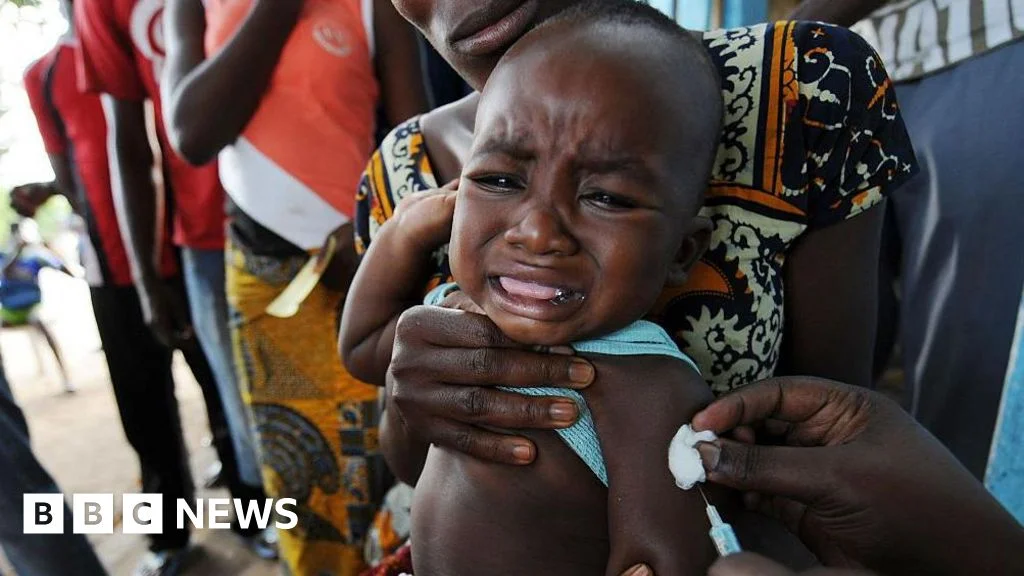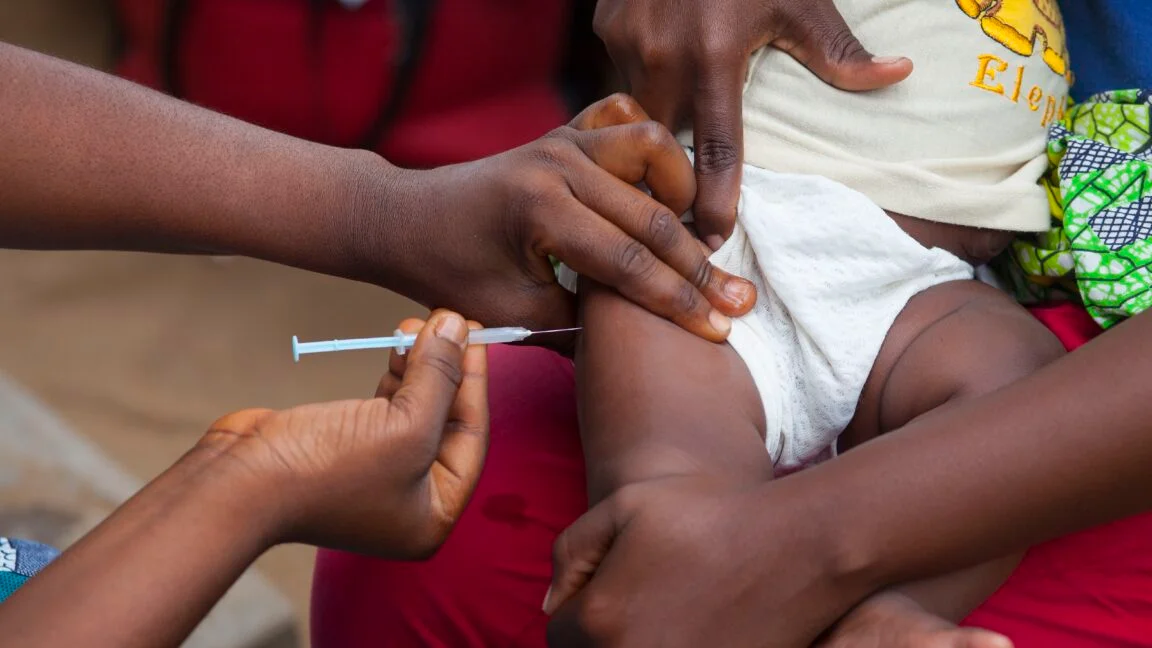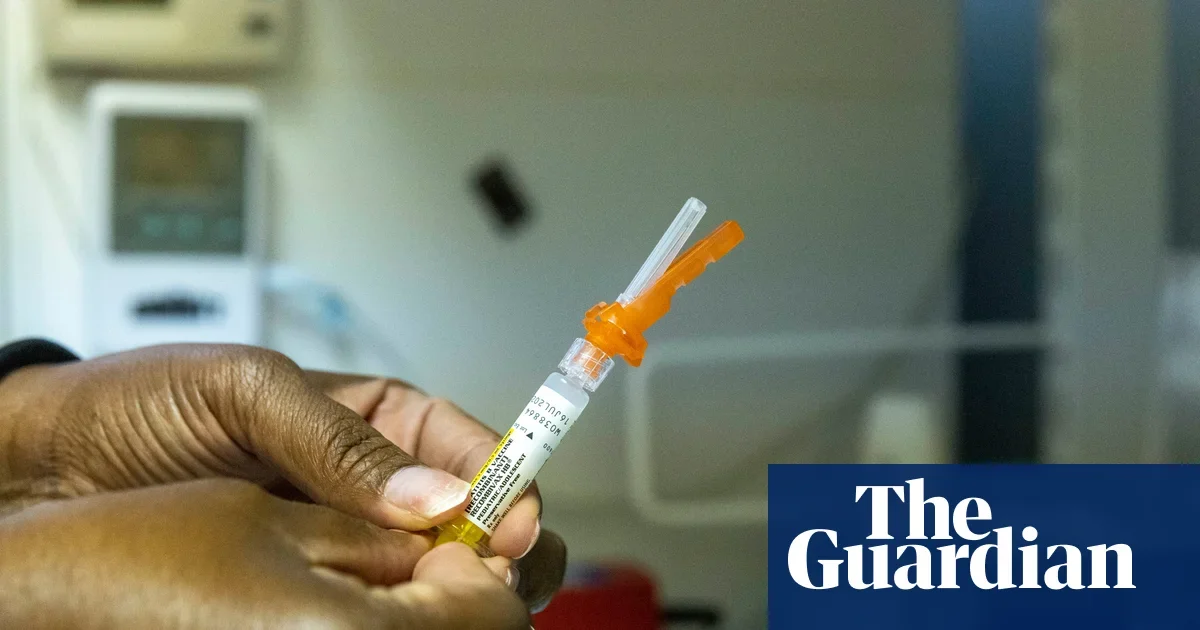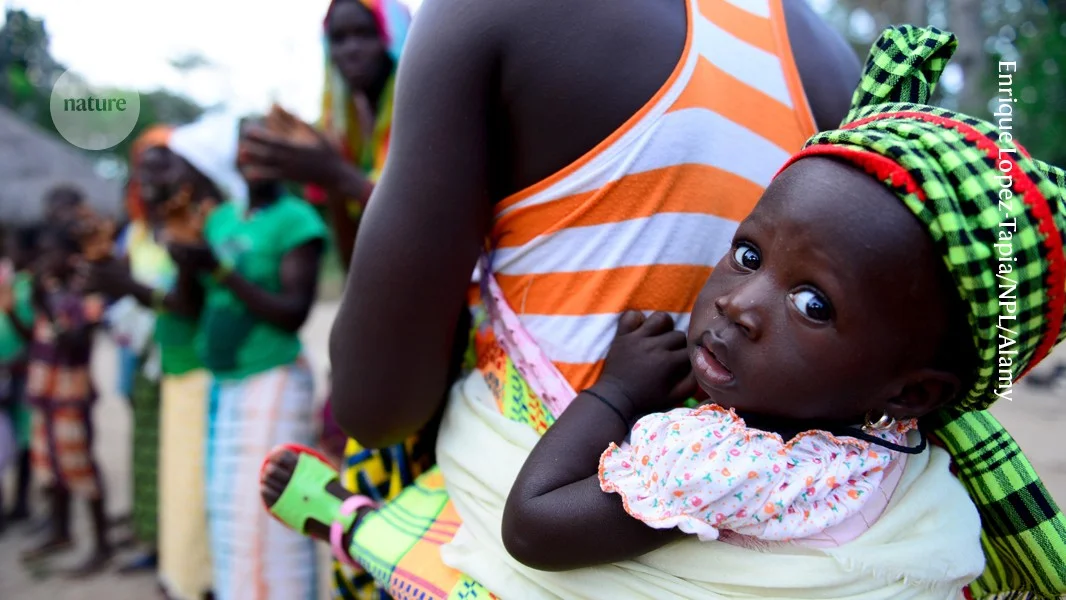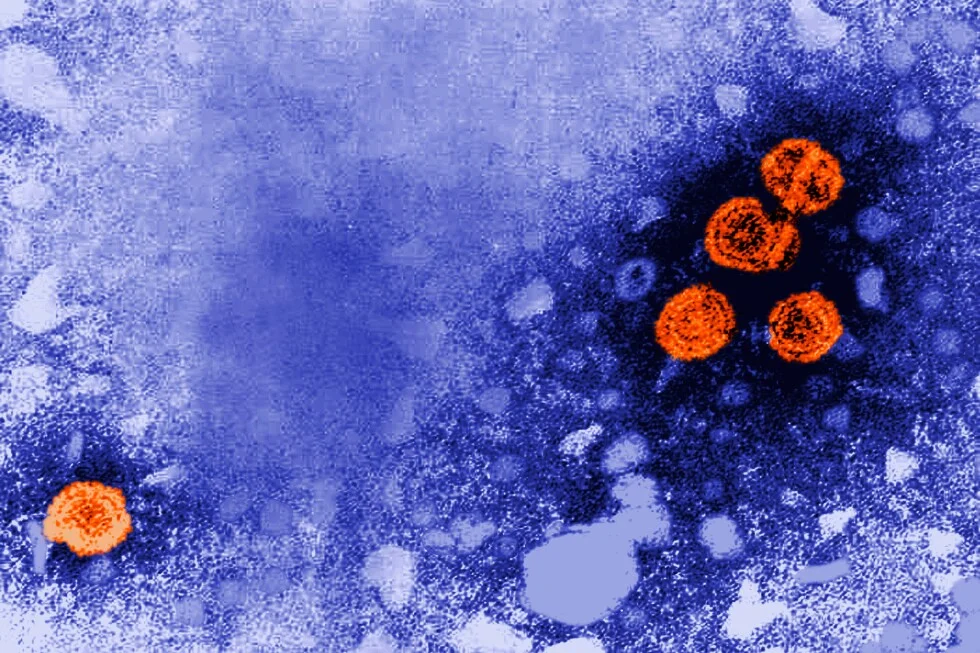
The article criticizes RFK Jr.'s plan to conduct a controversial and potentially unethical study in Guinea-Bissau, where children will be deliberately delayed in receiving hepatitis B vaccines to test alleged long-term neurological harms, echoing historical abuses like the Tuskegee experiment.
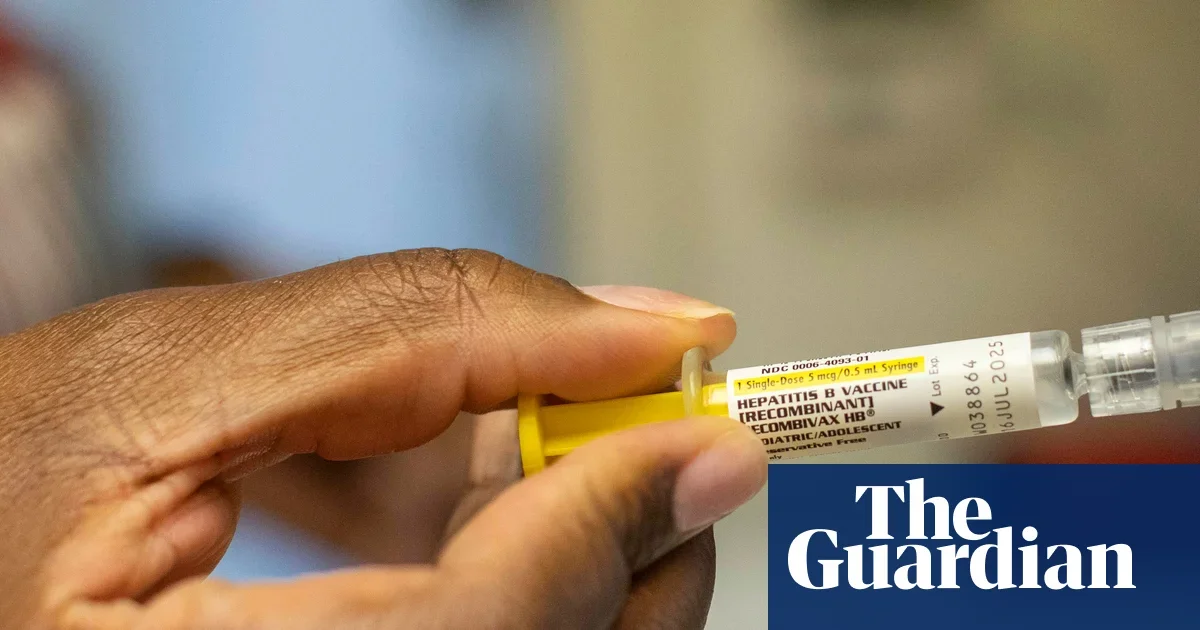
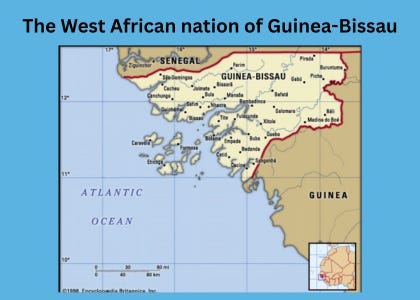
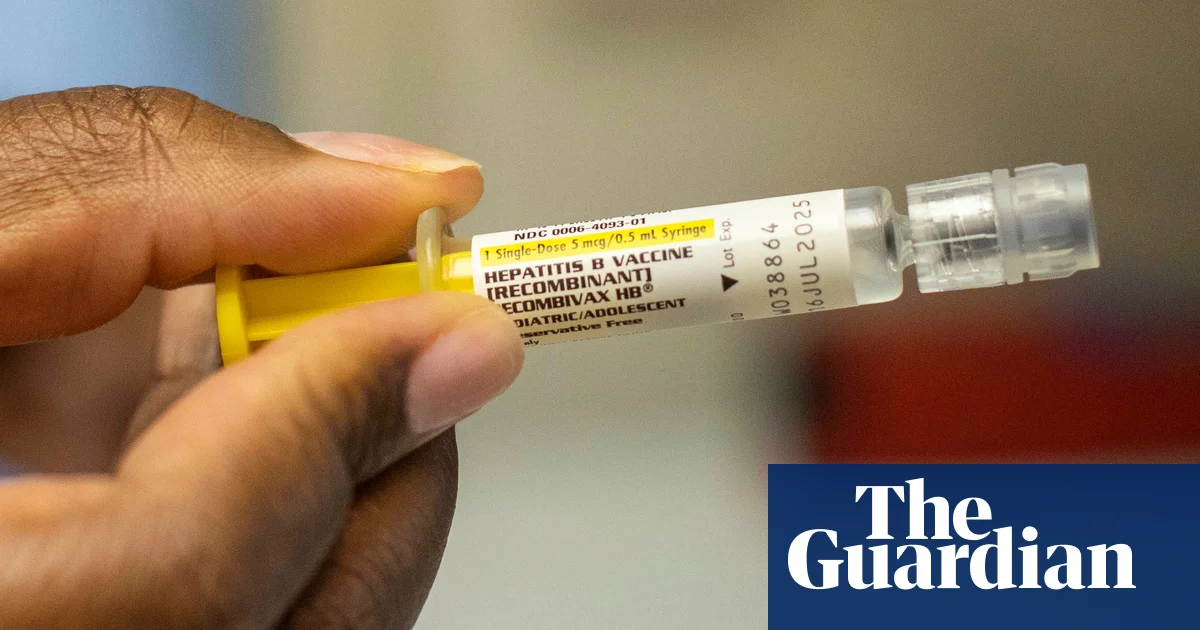
The Trump administration awarded a controversial $1.6 million no-bid contract to a Danish university to study hepatitis B vaccinations in Guinea-Bissau, raising ethical concerns due to the withholding of vaccines from some newborns in a randomized trial, which critics argue is unethical and could exacerbate vaccine hesitancy.
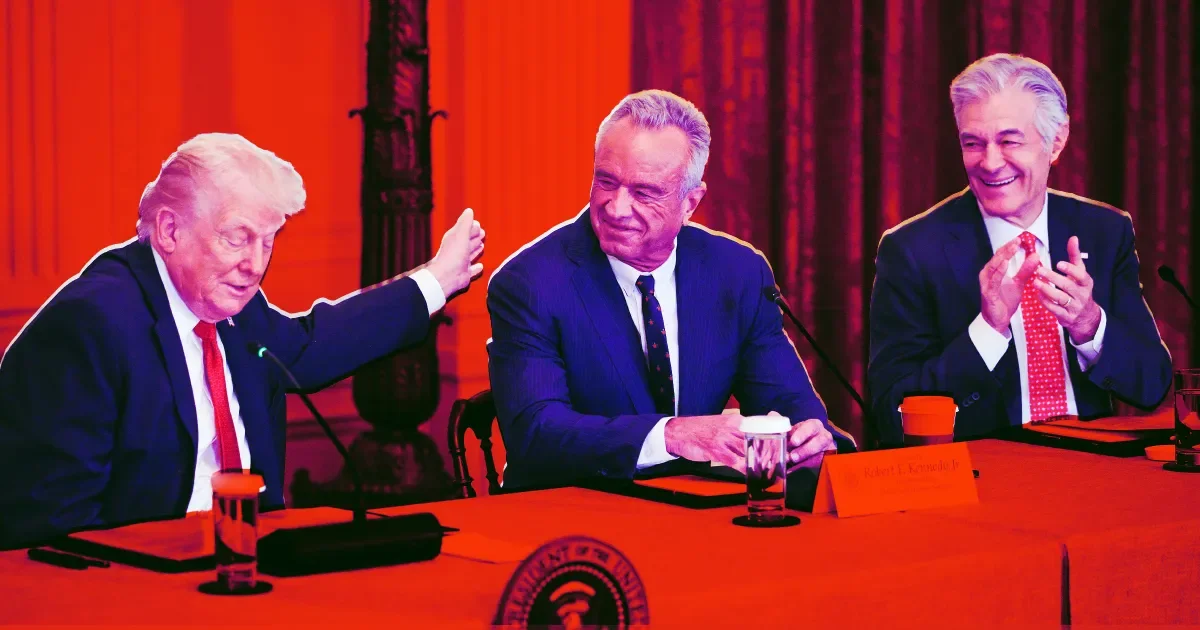
The US plans to fund a controversial $1.6 million study on hepatitis B vaccination in Guinea-Bissau, which critics deem highly unethical due to the withholding of proven effective vaccines and concerns over research integrity and global health implications, amid broader US vaccine policy changes influenced by anti-vaccine activism.
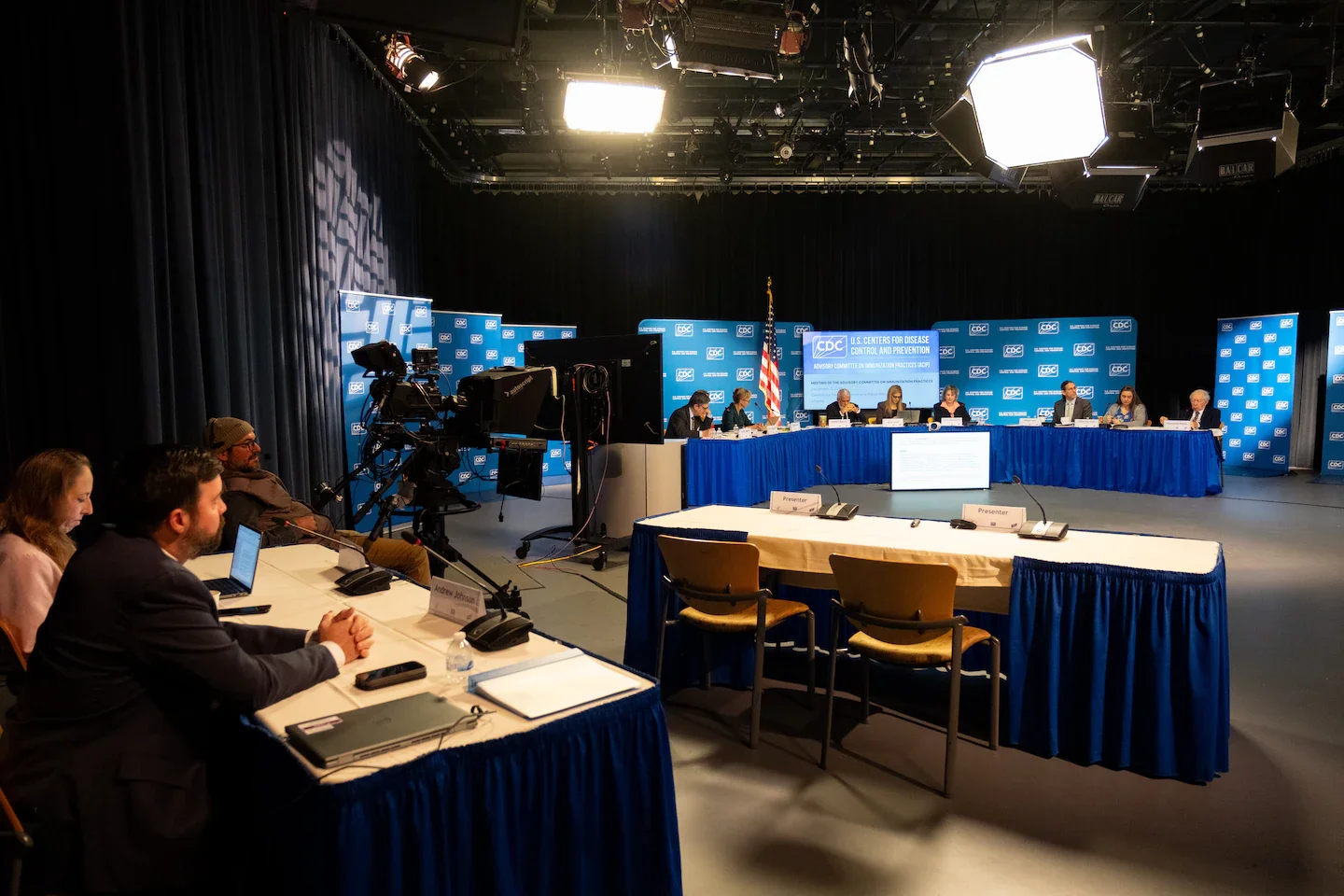
The CDC awarded a controversial $1.6 million grant to Danish researchers with ties to the FDA to study hepatitis B vaccine timing in newborns, raising ethical concerns about the study's design and applicability, especially given the researchers' history and the differences between Guinea-Bissau and the U.S.
Guinea-Bissau's president, Umaro Sissoco Embaló, has been involved in a complex political situation amid the country's role as a major cocaine transshipment hub, raising questions about his possible involvement in a recent coup attempt.
Guinea-Bissau experienced a controversial military takeover amid skepticism about its legitimacy, with some analysts suggesting it was orchestrated by the current president Embaló to prevent unfavorable election results and suppress dissent, amid ongoing concerns about drug trafficking and political instability.
Guinea-Bissau's electoral commission cannot finalize the presidential election results after armed men stole vote tally sheets during a period of political instability marked by a military coup and disputed election outcomes, with the country experiencing ongoing political turmoil and violence.
President Umaro Sissoco Embalo of Guinea-Bissau has labeled the recent clashes and violence in the country as an "attempted coup." The unrest began after two government officials, who were detained on corruption charges, were freed by National Guard soldiers. At least two people have been killed in the clashes. President Embalo, who was attending a climate conference in Dubai, has returned to Bissau and warned of serious consequences for the coup attempt. The Economic Community of West African States (ECOWAS) has condemned the violence and called for the arrest and prosecution of the perpetrators. Guinea-Bissau has a history of instability, with numerous coups or attempted coups since gaining independence from Portugal in 1974.
Guinea-Bissau President Umaro Sissoco Embalo has stated that the gunfire and clashes that occurred in the capital on Friday were an attempted coup. The clashes between two army factions began on Thursday night and continued after national guard soldiers freed an opposition minister who was detained in a corruption investigation. The country has a history of coups and unrest since gaining independence from Portugal in 1974. At least six people were killed during a failed attempt to overthrow Embalo in February 2022.
Heavy gunfire erupted near Guinea-Bissau's presidential palace as soldiers freed a finance minister from the main opposition party who had been detained for suspected misuse of public funds. The circumstances surrounding the shooting remain unclear, but gunshots were heard throughout the night and into the morning. The whereabouts of the freed minister and treasury secretary are currently unknown. Guinea-Bissau has a history of coups, with at least 10 attempted or successful coups since gaining independence from Portugal in 1974.
Gunfire erupted in Guinea Bissau's capital as members of the national guard, who had freed detained Finance Minister Souleiman Seidi and Secretary of State for the Public Treasury Antonio Monteiro, took refuge near barracks in the southern district. Special forces intervened after failed mediation attempts, restoring calm following an exchange of gunfire. President Umaro Sissoco Embalo, currently in Dubai for the COP 28 climate conference, was not present. The ministers had been questioned about the withdrawal of $10 million from state funds, and the national guard took them to an unknown location before seeking refuge. Guinea-Bissau has a history of political instability and has experienced numerous coups and attempted coups since gaining independence in 1974.
President Bola Tinubu of Nigeria received Guinea-Bissau President Umaro Sissoco Embalo on a private visit in Lagos. Tinubu, who is influential in the Economic Community of West African States (ECOWAS) and the African Union, has recently been accused of perjury for allegedly lying about his acquisition of Guinean citizenship.
Guinea-Bissau's opposition coalition, Terra Ranka, led by the African Party for the Independence of Guinea and Cape Verde (PAIGC), has won a majority of seats in parliament in the first legislative elections since President Embalo dissolved the National People’s Assembly more than a year ago. The outcome is a blow for Embalo, who took office in 2020, because it spells the end of his plans to push through a constitutional change that would have allowed him to consolidate power by ridding the country of its semi-presidential system. The small West African state has also faced chronic instability in the shape of repeated coups and contested election results.
Guinea-Bissau's opposition coalition, led by the former ruling PAIGC party, has won a majority in legislative elections, ending President Umaro Sissoco Embalo's plans to push through a change to the constitution that would have allowed him to consolidate power. The West African country has seen frequent political turmoil, with at least 10 coups or attempted coups since it gained independence from Portugal in 1974.