The article discusses the Galleri multi-cancer early detection blood test, which studies DNA fragments to detect 50 types of cancer, highlighting its potential, limitations, and the author's personal experience with a negative result, emphasizing that it is not a replacement for existing screenings but a promising supplement.
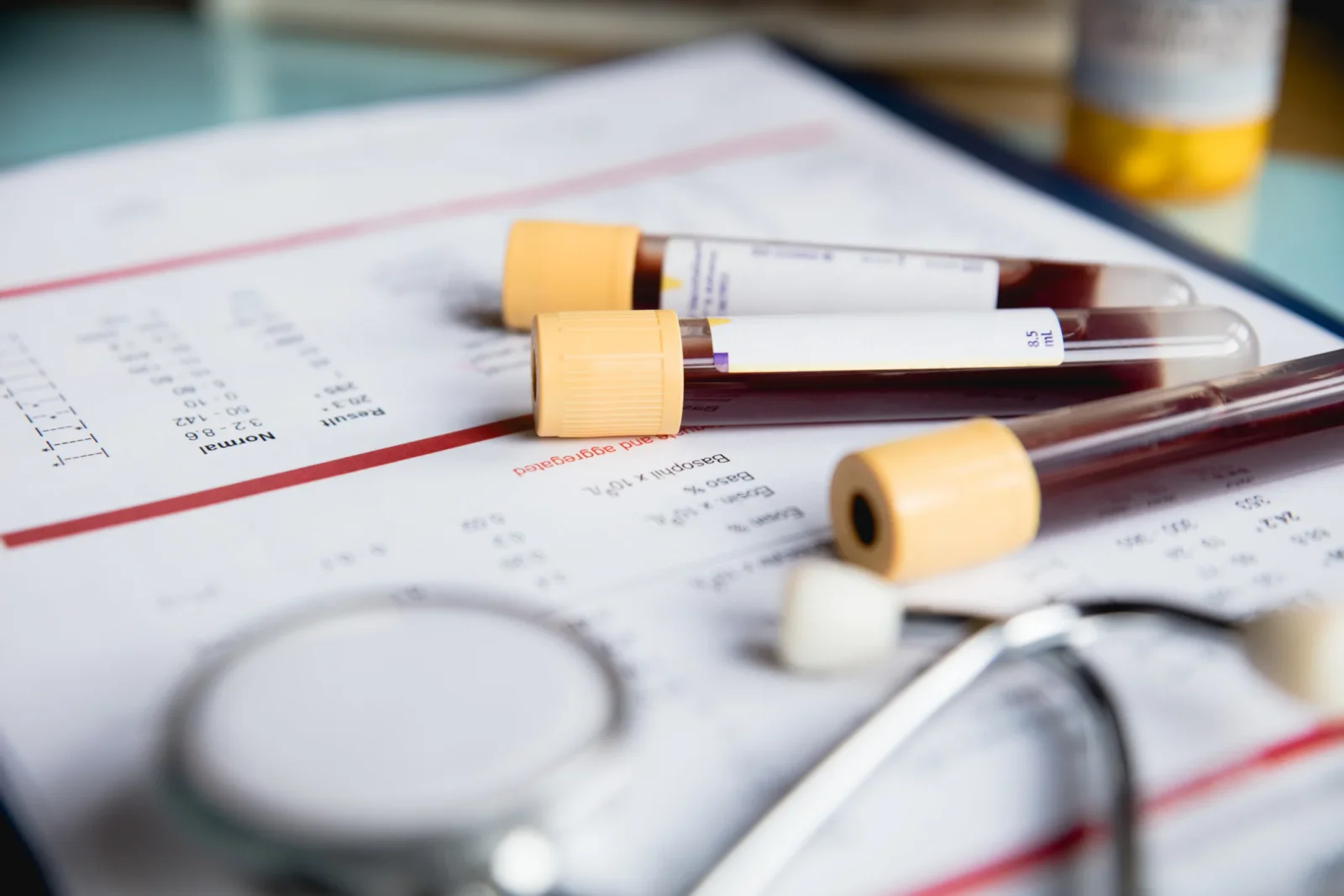
A new blood test called Galleri, capable of detecting over 50 types of cancer, shows promising results in early detection, especially for cancers without existing screening programs, potentially transforming cancer diagnosis and treatment. However, further research is needed to confirm its impact on mortality and avoid overdiagnosis.
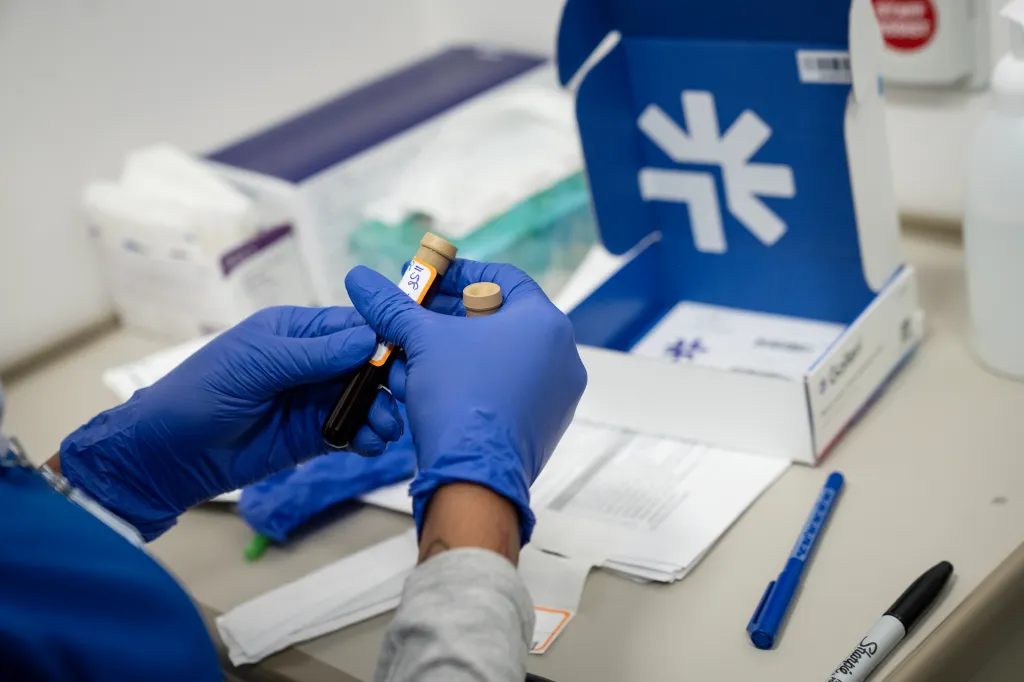
Rush University is now offering the Galleri blood test, which can detect over 50 types of cancer early by identifying cancer DNA in the bloodstream, despite it not yet being FDA-approved. The test has shown promise in clinical trials and could significantly improve early cancer detection, but some health systems remain cautious due to concerns about accuracy, cost, and regulatory approval.
WHO scientists are questioning the clinical trial endpoint being used by Grail to evaluate its Galleri blood test, which aims to detect multiple types of tumors early. The test is currently available in the U.S. but not yet approved by the FDA or reimbursed by Medicare, and Grail generated $30 million in revenue in the fourth quarter of 2023 while incurring a $197 million loss. If successful, the Galleri test could revolutionize cancer screening as a multi-cancer early detection test, but concerns about its evaluation process persist.
Grail, a blood testing company, presented the results of a large study at ASCO23, which showed that its commercial blood test, Galleri, could be used to diagnose patients suspected of having cancer due to symptoms such as abdominal pain, rectal bleeding, or unexplained weight loss. The test searches for the genetic fingerprints of cancer in the blood, and Grail hopes that doctors will consider it as an alternative to expensive scans or invasive biopsies.
Grail, a healthcare company, has developed a blood test called Galleri that can detect over 50 types of cancer with a single blood sample. The test has a high predictive rate of 45% and can predict where the cancer is in the body with 90% accuracy. The next step is the NHS-Galleri clinical trial to demonstrate the test's effectiveness at scale.