Tag

Diabetes Drug

All articles tagged with #diabetes drug

"Ozempic: Risks, Hollywood Epidemic, and Oprah's Revelation"

Originally Published 1 year ago — by Best Life

Featured image for "Ozempic: Risks, Hollywood Epidemic, and Oprah's Revelation"
Source: Best Life

Dr. Mark Hyman warns that the diabetes drug Ozempic can increase certain health risks by up to 900%, citing concerns about its impact on weight regain, muscle loss, bowel obstruction, and pancreatitis. He attributes these side effects to the drug's effects on the gut and urges a focus on addressing the obesity problem instead. In response, Novo Nordisk emphasizes patient safety and collaboration with the FDA.


"Ozempic's Transformation of a 1974 Hit into an Unavoidable Jingle"

Originally Published 1 year ago — by The New York Times

Featured image for "Ozempic's Transformation of a 1974 Hit into an Unavoidable Jingle"
Source: The New York Times

The 1974 hit song "Magic" by Pilot has been transformed into an inescapable jingle for the Type 2 diabetes medication Ozempic, with the altered chorus "Oh, oh, oh, Ozempic" becoming a prominent part of the drug's marketing campaign. David Paton, the original singer of "Magic," recorded a new version of the song at London's Abbey Road Studios, replacing "magic" with "Ozempic." The jingle has become a marketing phenomenon, joining the ranks of iconic advertising tunes like Subway's "Five Dollar Foot Long" and McDonald's "I'm Lovin' It."

"GLP-1 Diabetes Drug Slows Parkinson's Progression in Promising Trial"

Originally Published 1 year ago — by ScienceAlert

Featured image for "GLP-1 Diabetes Drug Slows Parkinson's Progression in Promising Trial"
Source: ScienceAlert

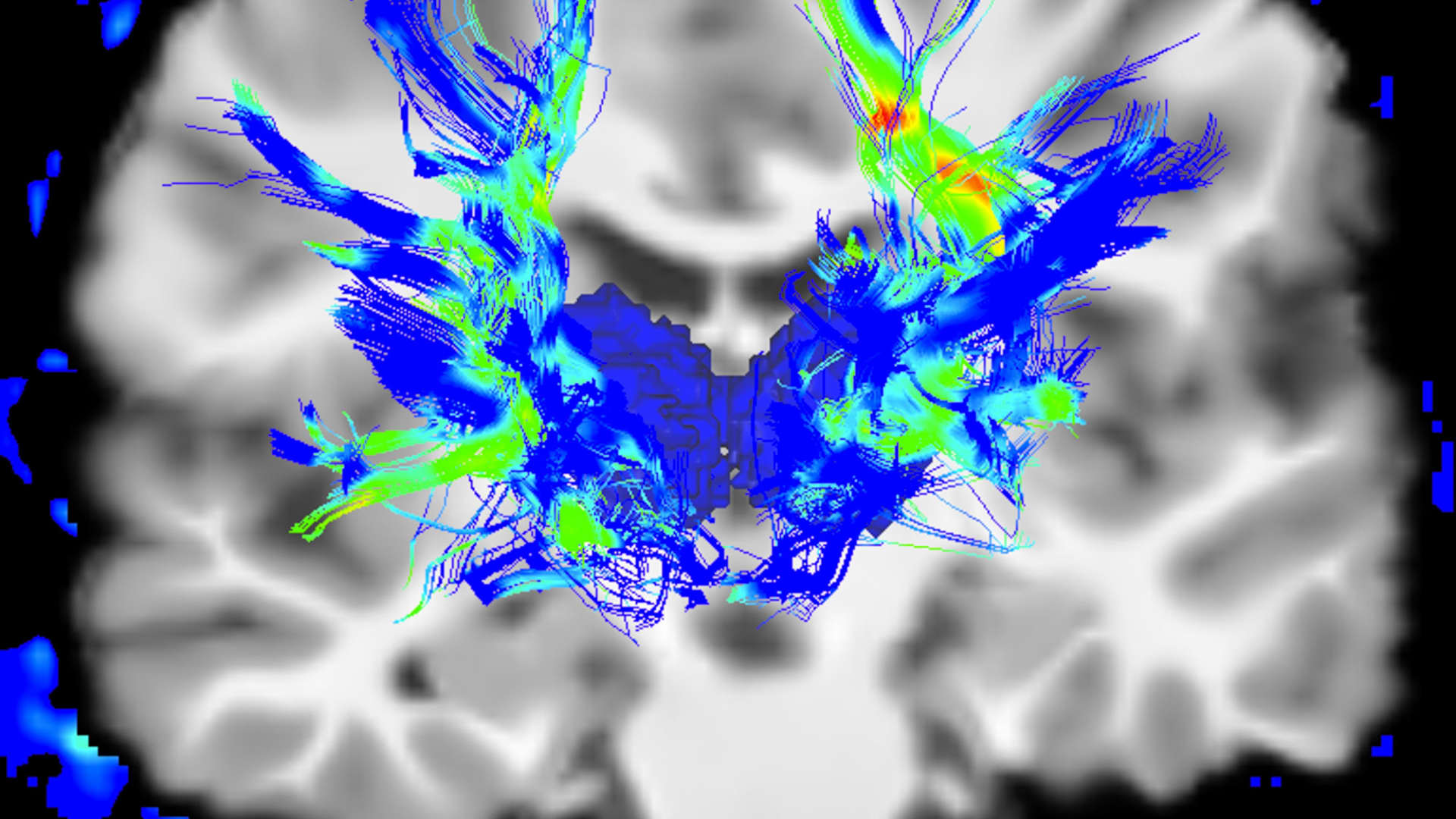
A diabetes drug, lixisenatide, has shown potential in slowing the progression of motor issues associated with Parkinson's disease in a clinical study. The drug, which belongs to a class of drugs called GLP-1 receptor agonists, demonstrated a modest effect in preventing worsening of movement symptoms in patients with early-stage Parkinson's. However, gastrointestinal side effects were common, and further research is needed to confirm its safety and efficacy before it can be considered for widespread use.

"GLP-1 Diabetes Drug Slows Parkinson's Progression in Small Trial"

Originally Published 1 year ago — by CNBC

Featured image for "GLP-1 Diabetes Drug Slows Parkinson's Progression in Small Trial"
Source: CNBC

A small mid-stage trial has shown that the diabetes drug lixisenatide, similar to Ozempic, helped slow the progression of motor disability in patients with early-stage Parkinson's disease. The drug, made by Sanofi, demonstrated potential in mitigating symptoms such as tremors and stiffness, but was also associated with an increased risk of gastrointestinal side effects. Larger and longer studies are needed to fully determine the efficacy and safety of this treatment for Parkinson's disease.

"Link Between Weight-Loss Drugs and Mental Health Risks Explored"

Originally Published 1 year ago — by Newsweek

Featured image for "Link Between Weight-Loss Drugs and Mental Health Risks Explored"
Source: Newsweek

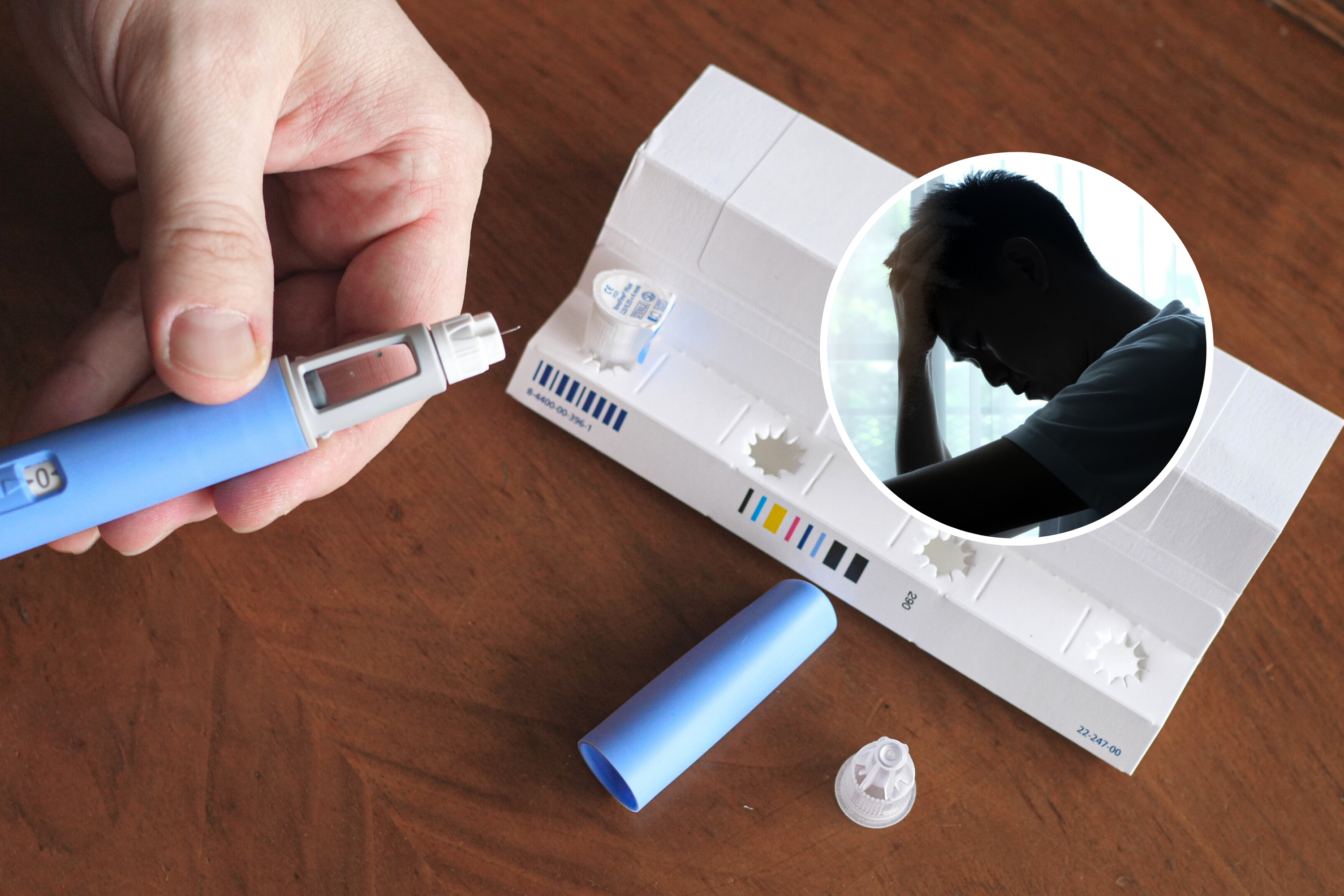
A study has raised concerns about the potential psychiatric side effects of Ozempic, a diabetes drug also used for weight loss due to its appetite-suppressing effects. The study found an association between semaglutide, the active ingredient in Ozempic, and adverse psychiatric events such as depression, anxiety, and suicidal thoughts. While more research is needed to confirm these findings, medical professionals are advised to carefully assess patients' mental health before prescribing these medications, and patients are encouraged to report any changes in mood or behavior. Pharmaceutical manufacturer Novo Nordisk has stated that there is no reliable evidence linking semaglutide with adverse psychiatric events, but the study's authors emphasize the importance of using these medications under the supervision of medical professionals and monitoring potential side effects closely.

"Limited Availability of Lilly's Mounjaro Doses Shown on FDA Website"

Originally Published 1 year ago — by Yahoo Finance

Featured image for "Limited Availability of Lilly's Mounjaro Doses Shown on FDA Website"
Source: Yahoo Finance

The FDA's website indicates limited availability of higher doses of Eli Lilly's diabetes drug, Mounjaro, due to increased demand, with intermittent back orders expected through early March 2024. The company acknowledges the potential disruption in treatment regimens and is working urgently to address the situation. The supply constraints are attributed to soaring demand for GLP-1 agonists, used for diabetes and weight loss, affecting drugmakers like Lilly and Novo Nordisk. Other Mounjaro doses are currently in stock, and both companies are striving to boost production to meet the strong demand.

"Limited Availability of Lilly's Mounjaro Dose in US Until Next Month"

Originally Published 1 year ago — by Reuters

Featured image for "Limited Availability of Lilly's Mounjaro Dose in US Until Next Month"
Source: Reuters

The U.S. FDA website indicates limited availability of Eli Lilly's diabetes drug Mounjaro's 12.5 milligram dose through February 2024 due to increased demand, with intermittent regional pharmacy stock outages possible. The drug, approved for type-2 diabetes and weight loss, contains tirzepatide and competes in a global market estimated to reach $100 billion by the end of the decade.

"GLP1 Agonists: Promising for Reducing Liver Disease Risk in Diabetic Patients"

Originally Published 1 year ago — by New York Post

Featured image for "GLP1 Agonists: Promising for Reducing Liver Disease Risk in Diabetic Patients"
Source: New York Post

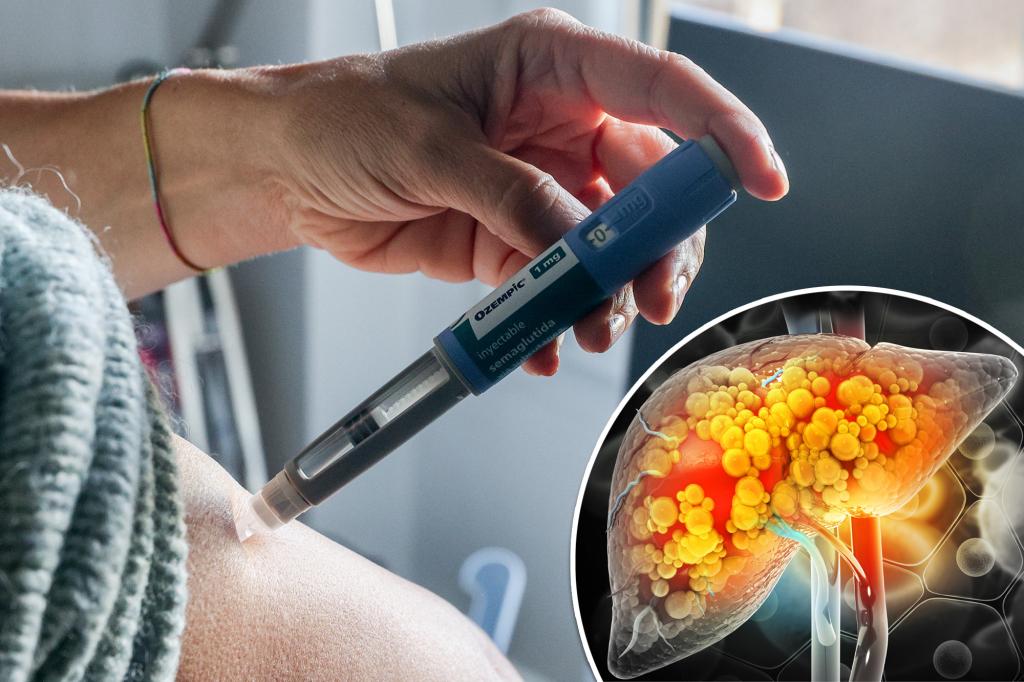
New research suggests that Ozempic, a popular diabetes drug, may reduce the risk of liver cancer and cirrhosis for individuals with chronic liver disease and type 2 diabetes. The study from the Karolinska Institutet in Sweden observed a lower risk of these liver diseases in individuals who took Ozempic and related GLP-1 medications over a lengthy period of time. The findings are significant as there are currently no approved drugs to reduce this risk, and further research is underway to study a broader range of people to confirm these potential results.

"Exploring the Potential of Ozempic in Managing Alcohol Cravings: Insights from Doctors"

Originally Published 2 years ago — by WJW FOX 8 News Cleveland

Featured image for "Exploring the Potential of Ozempic in Managing Alcohol Cravings: Insights from Doctors"
Source: WJW FOX 8 News Cleveland

Doctors are reporting a possible link between the weight loss drug Ozempic and curbing addiction, specifically alcohol cravings. Anecdotal evidence suggests that some users of Ozempic have experienced a decrease in their desire for alcohol, along with a suppression of appetite. While there is no comprehensive study on this link yet, plastic surgeon Dr. Jonathan Kaplan and numerous patients have observed similar effects on addictive behaviors such as nail-biting, online shopping, and smoking. Although the exact mechanism is unclear, it is speculated that since overeating can be an addictive behavior, a drug targeting neural pathways for overeating may also impact other addictive behaviors. Further research is needed to understand the pathway and efficacy of Ozempic in curbing addiction.

Eli Lilly surpasses estimates with Mounjaro strength but lowers profit outlook

Originally Published 2 years ago — by CNBC

Featured image for Eli Lilly surpasses estimates with Mounjaro strength but lowers profit outlook
Source: CNBC

Eli Lilly reported better-than-expected third-quarter revenue and adjusted earnings, driven by strong demand for its diabetes drug Mounjaro and other medications. However, the company slashed its full-year profit guidance due to charges related to recent acquisitions. Eli Lilly recorded a loss of $57.4 million for the quarter, compared to a profit of $1.45 billion a year earlier. The pharmaceutical giant generated revenue of $9.50 billion, up 37% from the same period last year. The company lowered its 2023 adjusted earnings guidance but reiterated its full-year revenue forecast. Mounjaro, the diabetes injection, posted $1.41 billion in sales for the quarter. Eli Lilly's stock has risen nearly 52% this year.

"Breakthrough Diabetes Drug Mounjaro: A Powerful Solution for Weight Loss"

Originally Published 2 years ago — by UPI News

Featured image for "Breakthrough Diabetes Drug Mounjaro: A Powerful Solution for Weight Loss"
Source: UPI News

A clinical trial has shown that the diabetes drug Mounjaro, also known as tirzepatide, is effective for weight loss, with participants losing an average of 60 pounds. Mounjaro targets two hormones that regulate appetite and fullness, distinguishing it from other weight-loss drugs that target only one hormone. The study included 800 overweight and obese individuals without diabetes, and those who received Mounjaro lost 18.4% more of their body weight compared to those on a placebo. Side effects include nausea, diarrhea, and constipation. The drug has received fast-track review status from the U.S. Food and Drug Administration for the treatment of obesity.

Novo Nordisk's Ozempic Shows Promise in Treating Kidney Disease, Dialysis Stocks Suffer

Originally Published 2 years ago — by Investor's Business Daily

Featured image for Novo Nordisk's Ozempic Shows Promise in Treating Kidney Disease, Dialysis Stocks Suffer
Source: Investor's Business Daily

Novo Nordisk's stock surged while dialysis providers DaVita and Fresenius Medical Care saw their stocks plummet after Novo hinted that its diabetes drug, Ozempic, could potentially treat chronic kidney disease. Novo tested a once-weekly dose of its drug semaglutide in patients with type 2 diabetes and kidney disease, and based on interim results, an independent data monitoring group recommended stopping the study ahead of schedule. Novo expects to release the full results in early 2024. The news impacted dialysis stocks, as obesity and diabetes are risk factors for kidney disease.

FDA Warns: Ozempic Linked to Intestinal Blockages

Originally Published 2 years ago — by Futurism

Featured image for FDA Warns: Ozempic Linked to Intestinal Blockages
Source: Futurism

The FDA has updated the label for Ozempic, an injectable diabetes drug, to include a warning about the potential side effect of intestinal blockage. The label change reflects reports of some users experiencing a condition called "ileus," which involves a blocking of the intestines. The FDA did not definitively establish a causal relationship between the drug's active ingredient, semaglutide, and the condition. This update follows a lawsuit from a woman who claims that Ozempic and its counterpart, Moujnaro, caused severe gastrointestinal side effects, including excessive vomiting and tooth loss. The drugmakers argue that these side effects are known and generally mild to moderate in severity. The label update may help protect the companies from legal action and inform patients about potential risks.

Eli Lilly Takes Legal Action Against Clinics Selling Counterfeit Mounjaro Diabetes Drug

Originally Published 2 years ago — by CNBC

Featured image for Eli Lilly Takes Legal Action Against Clinics Selling Counterfeit Mounjaro Diabetes Drug
Source: CNBC

Eli Lilly has filed lawsuits against 10 medical spas, wellness clinics, and compounding pharmacies across the U.S. for allegedly selling unauthorized versions of its diabetes drug, Mounjaro. The company accuses these establishments of marketing and selling "compounded" drug products claiming to contain tirzepatide, the active ingredient in Mounjaro. Eli Lilly, the sole patent holder of tirzepatide, is seeking court orders to block the sales of counterfeit versions and monetary damages. This action comes as Eli Lilly faces a shortage of Mounjaro due to high demand, with the drug's off-label use for weight loss contributing to its popularity.

"Unexpected Consequence Found in Popular Diabetes Medication"

Originally Published 2 years ago — by SciTechDaily

Featured image for "Unexpected Consequence Found in Popular Diabetes Medication"
Source: SciTechDaily

Researchers have discovered that the common diabetes drug, Metformin, can prevent muscle atrophy and fibrosis, potentially aiding in faster recovery from injury in the elderly. The drug targets senescent cells, which affect muscle function, and its benefits were observed in a study with older adults during periods of muscle disuse and recovery. This finding opens up new possibilities for using Metformin to improve muscle recovery in aging individuals.