A recent study challenges the safety of liberalized diets for neutropenic cancer patients, showing that less restrictive diets may lead to higher infection rates without improving nutrition or quality of life, prompting a reevaluation of dietary guidelines in oncology care.
A clinical trial found that a single dose of psilocybin combined with psychotherapy provided lasting relief from depression and anxiety in cancer patients, with significant improvements observed up to two years post-treatment, suggesting potential as a paradigm-changing mental health therapy.
Pharmacists in the Channel Islands are experiencing an ongoing shortage of Creon, a digestion aid used by cancer and pancreatic disease patients, with supply issues persisting since summer 2024. Measures like shorter prescriptions and alternative treatments are being implemented to manage the situation, which is expected to continue for several months, prioritizing patient safety.
Pharmacists in the UK warn of a severe shortage of Creon, a vital enzyme replacement therapy for pancreatic cancer and other conditions, affecting over 61,000 patients. The shortage has led to patients skipping meals and experiencing increased stress, with experts predicting the issue may persist into next year. The Department of Health attributes the supply issues to European-wide manufacturing constraints and is working to mitigate the impact, but concerns remain about the adequacy of current management strategies.
Taylor Swift made a surprise visit to Children's Mercy Hospital in Kansas City, spending time with young cancer patients and participating in a viral TikTok video. NFL reporter Charissa Thompson was emotionally moved by Swift's gesture, as it reminded her of her niece's battle with a brain tumor. Thompson expressed her gratitude for Swift's kindness, highlighting the impact it had on her niece and other young patients.
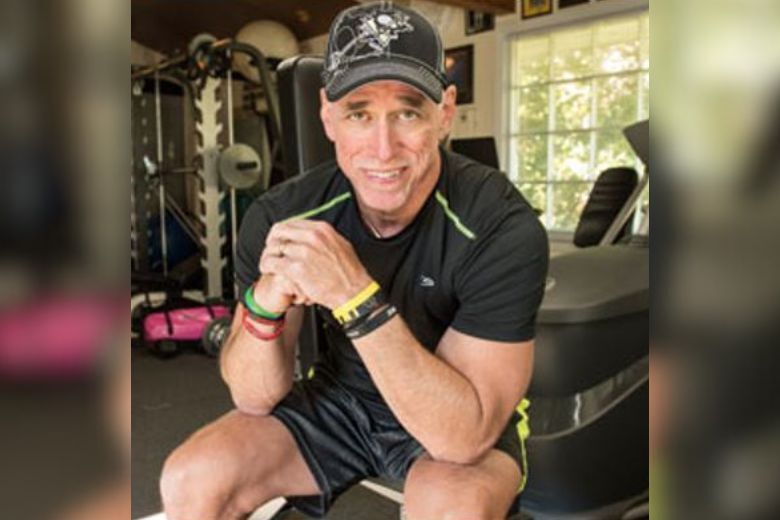
Frank McKenna, a personal trainer diagnosed with stage 4 lung cancer, emphasizes the importance of exercise for cancer patients. Despite initial treatment setbacks, targeted therapy allowed him to resume physical activity, prompting him to help others incorporate movement into their lives. McKenna now runs programs combining fitness, yoga, and wellness to address the mental challenges of dealing with cancer, advocating for the intertwined benefits of mental and physical fitness for those facing a cancer diagnosis.
Cancer patients from Jersey receiving treatment in the UK have been provided with mobile phones by the charity Jersey Cancer Relief, in collaboration with telecoms company JT, to stay connected with their families. The Loan Phone service received 20 new phones and a refurbished laptop to support its staff and volunteers, aiming to bring comfort and a sense of home to the patients during their treatment.
A study by the American Cancer Society found that cancer patients in states that expanded Medicaid under the Affordable Care Act had better insurance coverage and care compared to those in non-expansion states. Medicaid expansion led to increased cancer screening, early diagnosis, and decreased racial disparities among patients. However, following the pandemic, states have begun trimming Medicaid rolls, leading to millions being removed from the program. Despite a record number of signups for ACA marketplace insurance, Medicaid still covers far more Americans and offers more robust coverage with minimal cost-sharing requirements.
Psilocybin-assisted group therapy has shown promise in reducing depression symptoms in cancer patients, according to a recent study. The trial involved 30 adults with cancer and major depression who received a 25 mg dose of synthesized psilocybin. The therapy, which included both individual and group sessions, resulted in a significant decrease in depression severity scores, with 80% of participants showing a sustained response and 50% achieving full remission of depressive symptoms. The group therapy approach was found to enhance feelings of connection and belonging, potentially contributing to the therapeutic effect. While the study has limitations, such as a small sample size and lack of a control group, the results suggest that psilocybin-assisted therapy could be a game-changer for cancer patients suffering from major depressive disorder.
Researchers believe they have identified the cause of "chemo-brain," a condition characterized by memory and attention problems in cancer patients undergoing treatment. The study suggests that an excess of calcium floating in the brain may be responsible for these cognitive symptoms. The findings could potentially lead to new treatments to restore cognitive function in cancer patients. Excess calcium build-up is also associated with cognitive deficits in other conditions such as Alzheimer's, long Covid, and PTSD.
Exercise oncology, a growing field embraced in Pittsburgh, is showing promising results for cancer patients. By incorporating exercise into their treatment plans, patients are experiencing improved physical and mental well-being, reduced side effects of treatment, and increased survival rates. This emerging field is gaining recognition and support as more research highlights the benefits of exercise for cancer patients.
A comprehensive review published in the journal BMJ Supportive & Palliative Care found that immersive virtual reality (VR) can help alleviate pain and anxiety in cancer patients, as well as patients with other chronic conditions such as dementia, multiple sclerosis, and kidney diseases. The review analyzed 31 studies over a 30-year period and found that VR interventions, including video games and immersive experiences, were effective in reducing pain and increasing happiness. The exact mechanism behind the pain relief is still unclear, but it is believed that VR distracts patients from their pain and helps them better cope with their conditions. Further research is needed to understand the full potential of VR intervention techniques in healthcare.
Omega Therapeutics has released the initial data from a clinical trial of its epigenomic controllers, which aim to repress the MYC gene associated with various cancers. The trial tested two doses of the therapy in eight patients with hepatocellular carcinoma or other solid tumors where MYC is often involved, showing a 55% reduction in MYC expression.
Thieves broke into The Wig Fairy in Beverly Hills, smashing glass doors and stealing nearly $200,000 worth of custom human hair wigs intended for cancer and alopecia patients. The burglars quickly grabbed handfuls of merchandise, ignoring the blaring alarms, and escaped within two-and-a-half minutes. The owner, Mona Zargar, had to break the news to her clients who had been patiently waiting for their wigs. The stolen wigs are likely to be resold online or elsewhere. Zargar and her stylists are working overtime to make up for the lost products, handcrafting each wig carefully.
A new study reveals that a significant number of cancer patients, including survivors, engage in binge drinking as a coping mechanism to deal with the emotional turmoil caused by their diagnosis and treatment. Of the cancer survivors surveyed, 78% were current drinkers, with 24% classified as binge drinkers. Alcohol use is a concern for cancer specialists as it is linked to various types of cancer and can interfere with treatment effectiveness. The study emphasizes the need for healthcare providers to address alcohol use with patients in a non-judgmental manner and provide support and guidance to those identified as alcohol users.