
Tag

Global Cooling

All articles tagged with #global cooling

science1 year ago

"Unveiling the Impact of Supervolcano Eruptions on Global Climate"

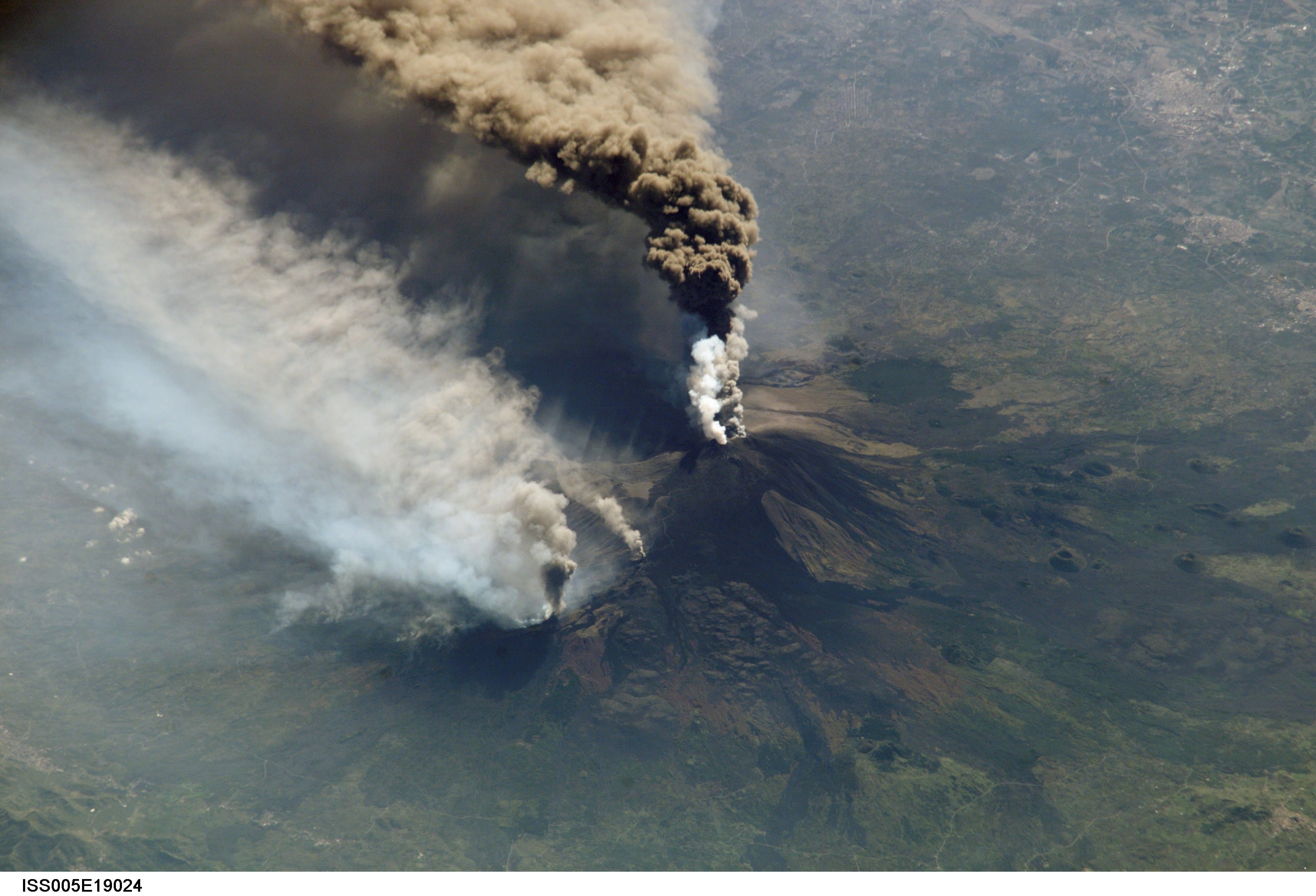
New research from NASA's Goddard Institute for Space Studies and Columbia University suggests that extreme volcanic super-eruptions may not lead to as severe cooling of Earth's surface temperatures as previously estimated. Using advanced computer modeling, the study found that post-eruption cooling would likely not exceed 2.7 degrees Fahrenheit, challenging previous estimates ranging from 3.6 to 14 degrees Fahrenheit. The study focused on the influence of microscopic sulfur particles injected into the atmosphere and their impact on temperature changes. The findings raise questions about the potential for geoengineering to combat global warming and highlight the need for further research on volcanic aerosol particle sizes.


science2 years ago

Dust from Asteroid Impact: The Dinosaurs' Extinction Explained

A new study published in Nature Geoscience suggests that fine silicate dust, lingering in the atmosphere for up to 15 years after the Chicxulub impact, played a significant role in the global cooling that led to the extinction of nonavian dinosaurs. The dust particles contributed to a long and dark winter, interrupting photosynthesis and causing global average surface temperatures to plummet. The research highlights the importance of understanding the impact of dust in the aftermath of asteroid collisions and provides insights into the challenges faced by dinosaurs during this time period. Further research is needed to explore the global implications and differences in climatic activity between the Northern and Southern Hemispheres.

climate-change2 years ago

The High Price of a Controversial Climate Solution

Professor Ted Parson discusses the controversial climate solution of stratospheric aerosol injection, which involves releasing sulfur dioxide particles into the upper atmosphere to reflect sunlight and cool the Earth's temperature by 1 degree Celsius within a few years. While it could help prevent catastrophic climate disasters, critics warn of potential harm to the ozone layer and respiratory illnesses. Many leaders are reluctant to embrace this approach as it is not a permanent solution and may deter efforts to reduce greenhouse gas emissions.