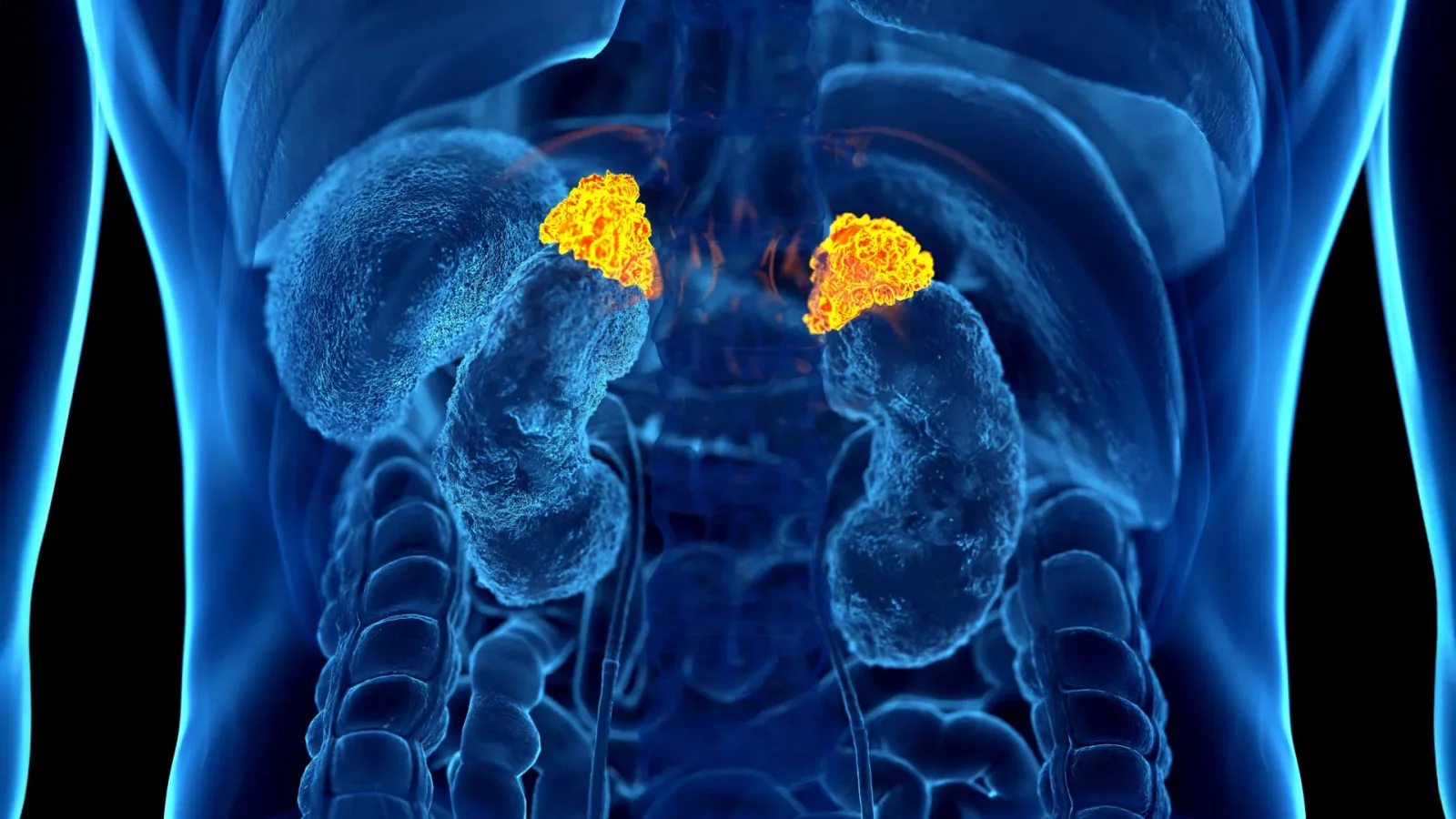
Researchers used AI to identify a new biomarker of chronic stress visible on standard CT scans by measuring adrenal gland size, which correlates with stress levels and predicts cardiovascular risk, offering a practical tool for assessing long-term stress effects in clinical settings.
Cortisol, known as the "stress hormone," plays a vital role in regulating various bodily functions, but imbalanced cortisol levels are rare despite claims of "adrenal fatigue" by some. Conditions like Cushing’s syndrome and Addison’s disease are associated with too much or too little cortisol, but are considered rare disorders. While stress can have real effects on health, attempting to "balance" hormones at home is not recommended. Lifestyle modifications such as regular exercise, a healthy diet, meditation, and enough sleep can help manage stress and prevent various health conditions often mistaken for cortisol issues.
Sluggish adrenal glands can cause fatigue, brain fog, and cravings for salty foods. Adrenal fatigue, also known as adrenal dysfunction, occurs when the production of cortisol, the stress hormone, is imbalanced. Chronic stress is a major cause of adrenal fatigue, leading to hormone dysregulation and reduced energy levels. Testing cortisol levels through a four-point salivary cortisol evaluation can help diagnose adrenal fatigue. Natural remedies to heal adrenals include taking adaptogenic herbs like ashwagandha, consuming protein-rich breakfasts, drinking tulsi tea, practicing stress reduction techniques, engaging in regular exercise, supplementing with vitamin B5, and incorporating complex carbs like sweet potatoes into the diet.
Sluggish adrenal glands can lead to exhaustion, stress, and other symptoms. Chronic stress, carb- and sugar-rich diets, and menopause are common causes of adrenal fatigue. An adrenal cocktail, consisting of ingredients like tomato juice, orange juice, coconut water, sea salt, licorice root, and adaptogenic herbs, can help nourish and revitalize the adrenal glands. These ingredients provide essential nutrients, support cortisol production, replenish electrolytes, and reduce the effects of chronic stress. Other ways to support adrenal health include eating a balanced breakfast, exercising, spending time outdoors, engaging in creative activities, snacking on apples and peanut butter, drinking tulsi tea, and reading before bed.
Sluggish adrenal glands can lead to exhaustion, stress, and other symptoms. Chronic stress, carb- and sugar-rich diets, and menopause are common causes of adrenal fatigue. An adrenal cocktail, made with ingredients like tomato juice, orange juice, coconut water, sea salt, licorice root, and adaptogenic herbs, can help nourish and revitalize the adrenals. Other tips to support adrenal health include eating a protein and fiber-rich breakfast, exercising, spending time outdoors, engaging in creative activities, snacking on apples and peanut butter, drinking tulsi tea, and reading before bed.
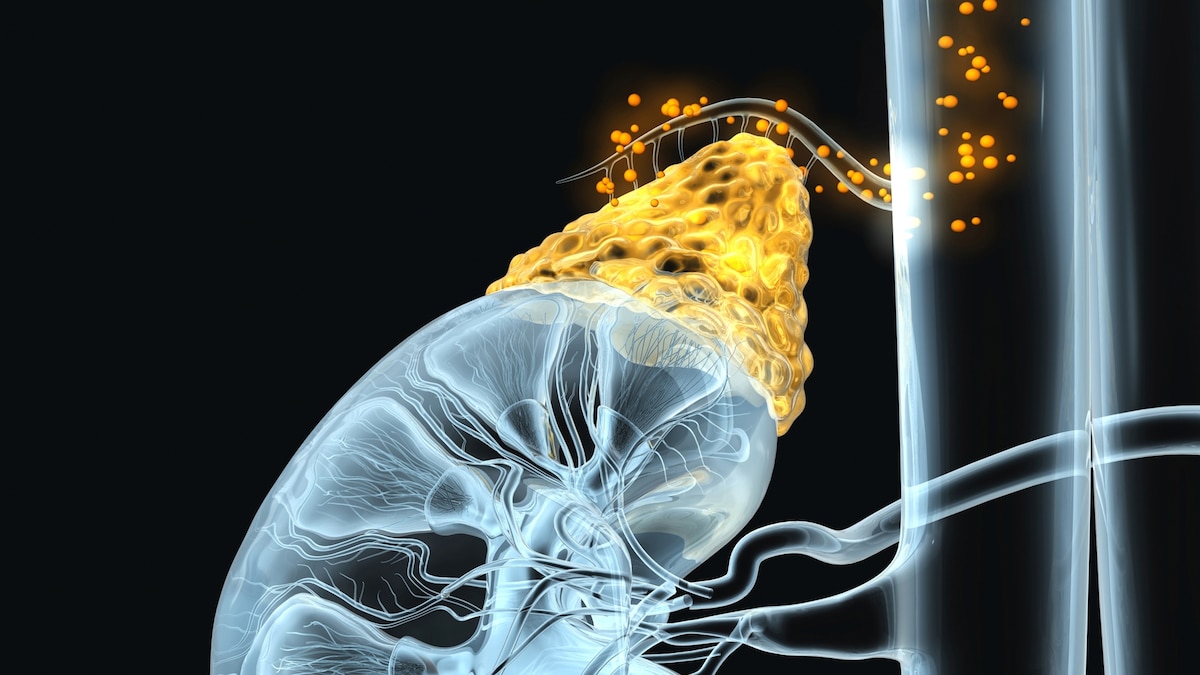
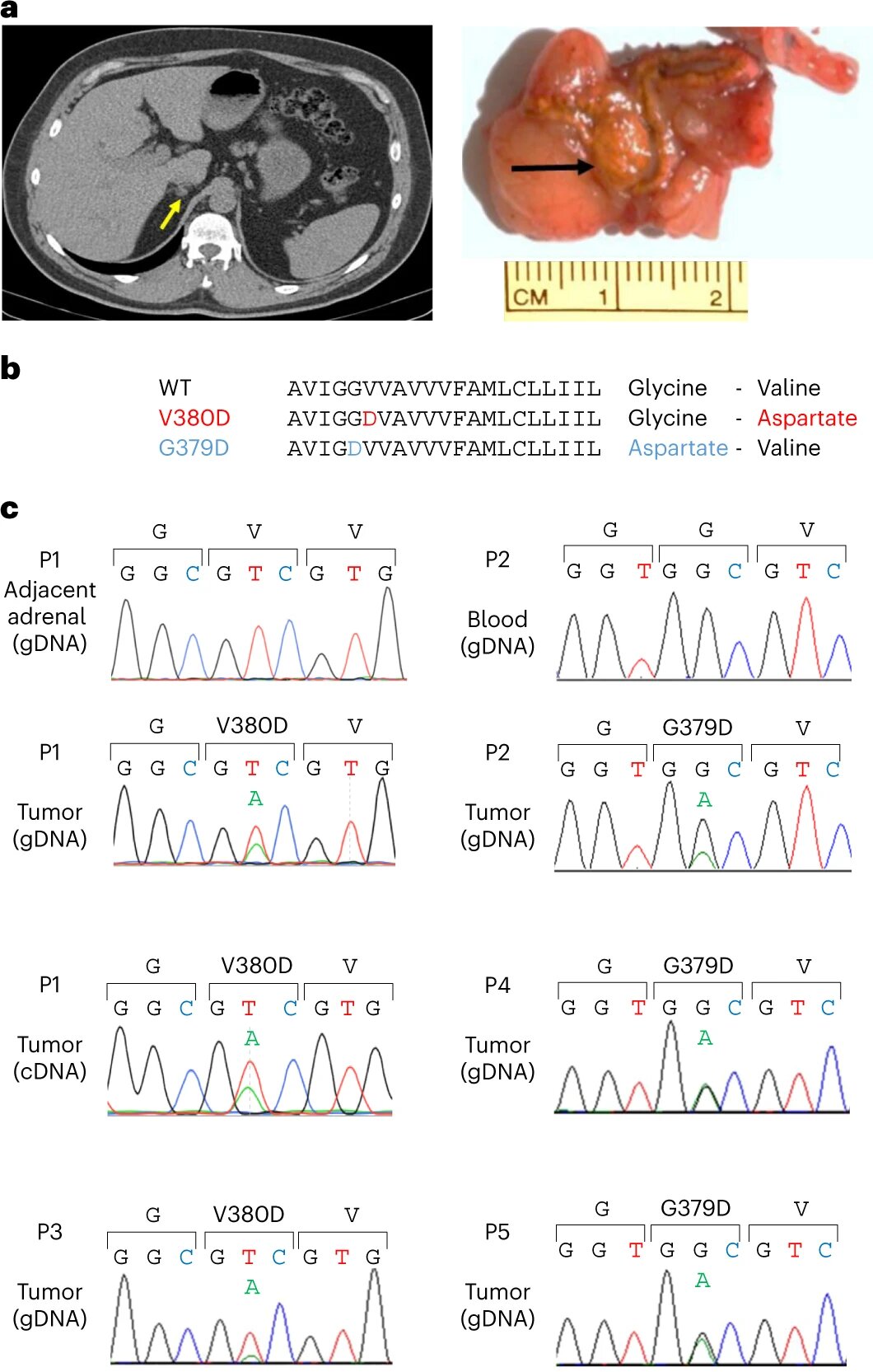
Researchers at Queen Mary University of London have discovered a gene variant that causes hypertension in some patients. The variant affects a protein called CADM1 and leads to intermittent over-production of the hormone aldosterone, causing salt overload and hypertension. The researchers recommend measuring aldosterone through a 24-hour urine test to identify more people living with hypertension but going undiagnosed. The condition can be cured by removing one of the two adrenal glands. The research was funded by Barts Charity and undertaken by research fellows funded by the British Heart Foundation, National Institute of Health Research, Medical Research Council, and Royal Society.
Researchers have discovered a gene variant in a tiny benign nodule that causes a common type of high blood pressure in one-in-twenty people with hypertension. The variant affects a protein called CADM1 and causes fluctuating release of aldosterone throughout the day, making it hard for doctors to diagnose some patients with hypertension. The researchers also discovered that this form of hypertension could be cured by unilateral adrenalectomy—removing one of the two adrenal glands. The discovery recommends aldosterone be measured through a 24-hour urine test rather than one-time blood measurements, which will reveal more people living with hypertension but going undiagnosed.