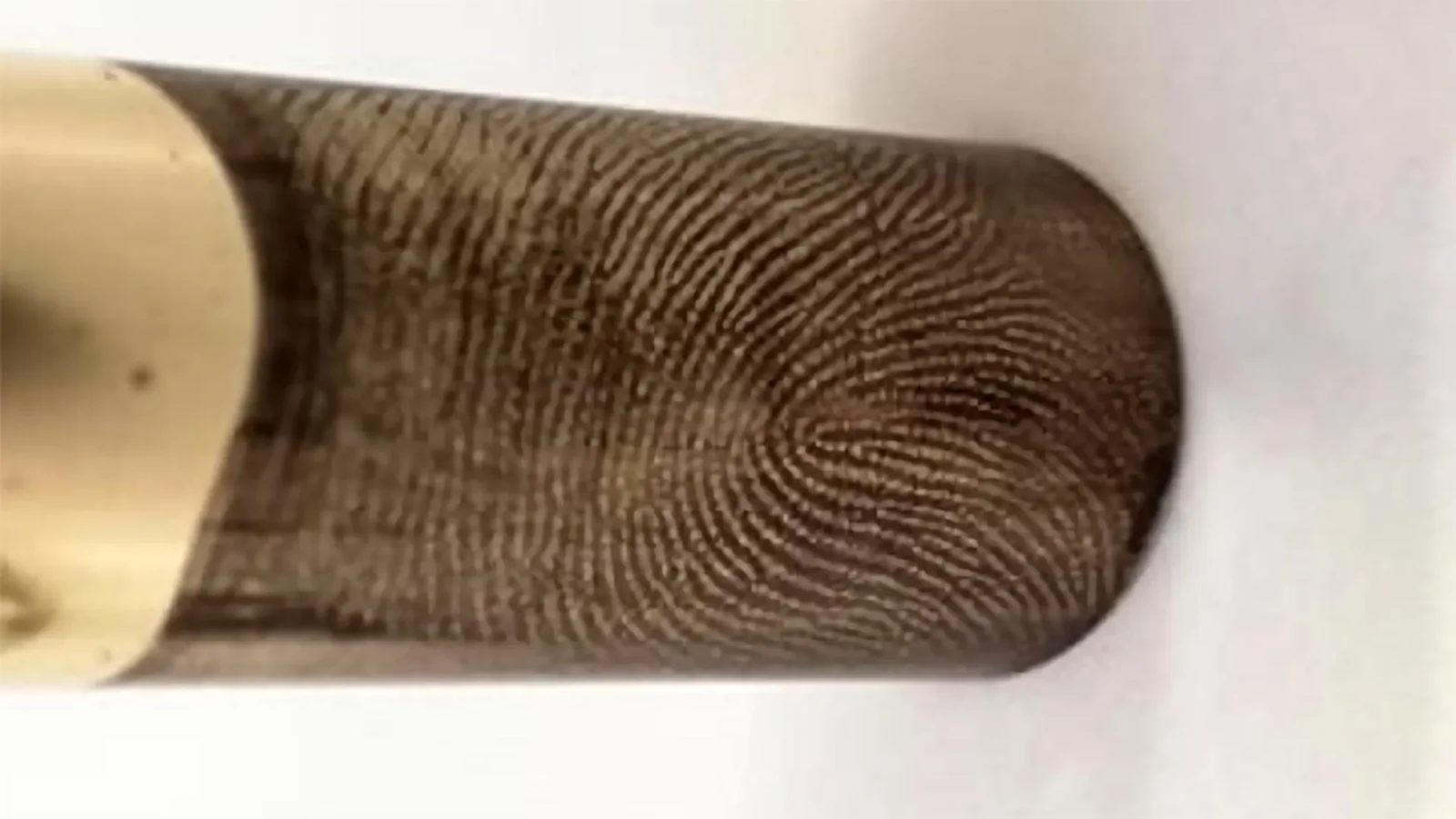
Irish scientists have developed a novel electrochemical method to recover fingerprints from fired brass bullet casings, even after exposure to high heat, potentially revolutionizing forensic investigations by linking suspects to crime scenes more effectively.
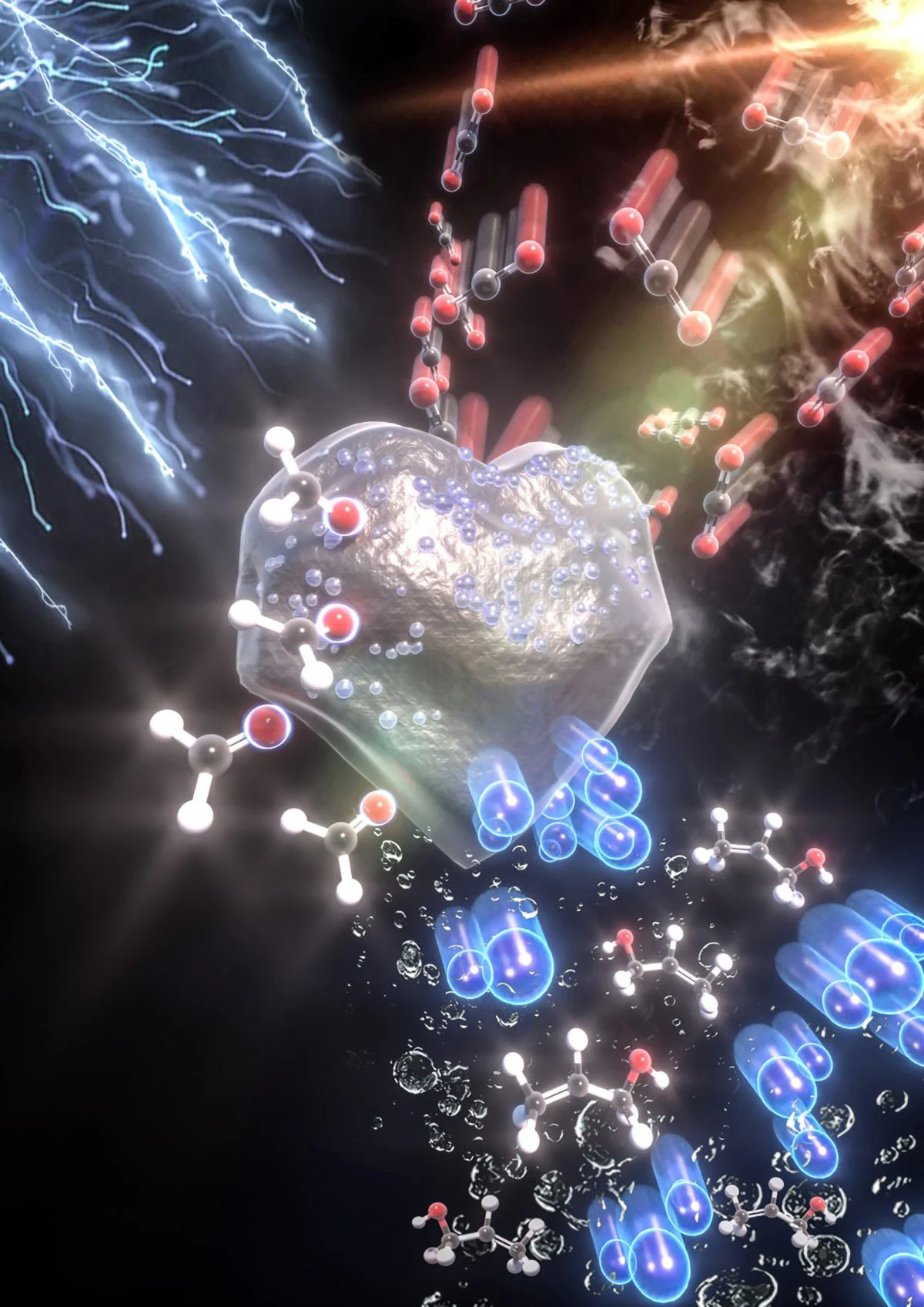
Researchers at GIST in South Korea developed a highly efficient electrochemical method to convert CO2 into allyl alcohol, achieving a new global benchmark with a Faraday efficiency of 66.9%, which could significantly impact sustainable chemical production and support carbon neutrality efforts.
MIT scientists have developed a new electric steelmaking process through their company, Boston Metal, which significantly reduces greenhouse gas emissions by using an electrochemical method that only releases oxygen as a byproduct. This scalable technique could revolutionize the steel industry and contribute to the fight against climate change, with commercial implementation expected by 2026.
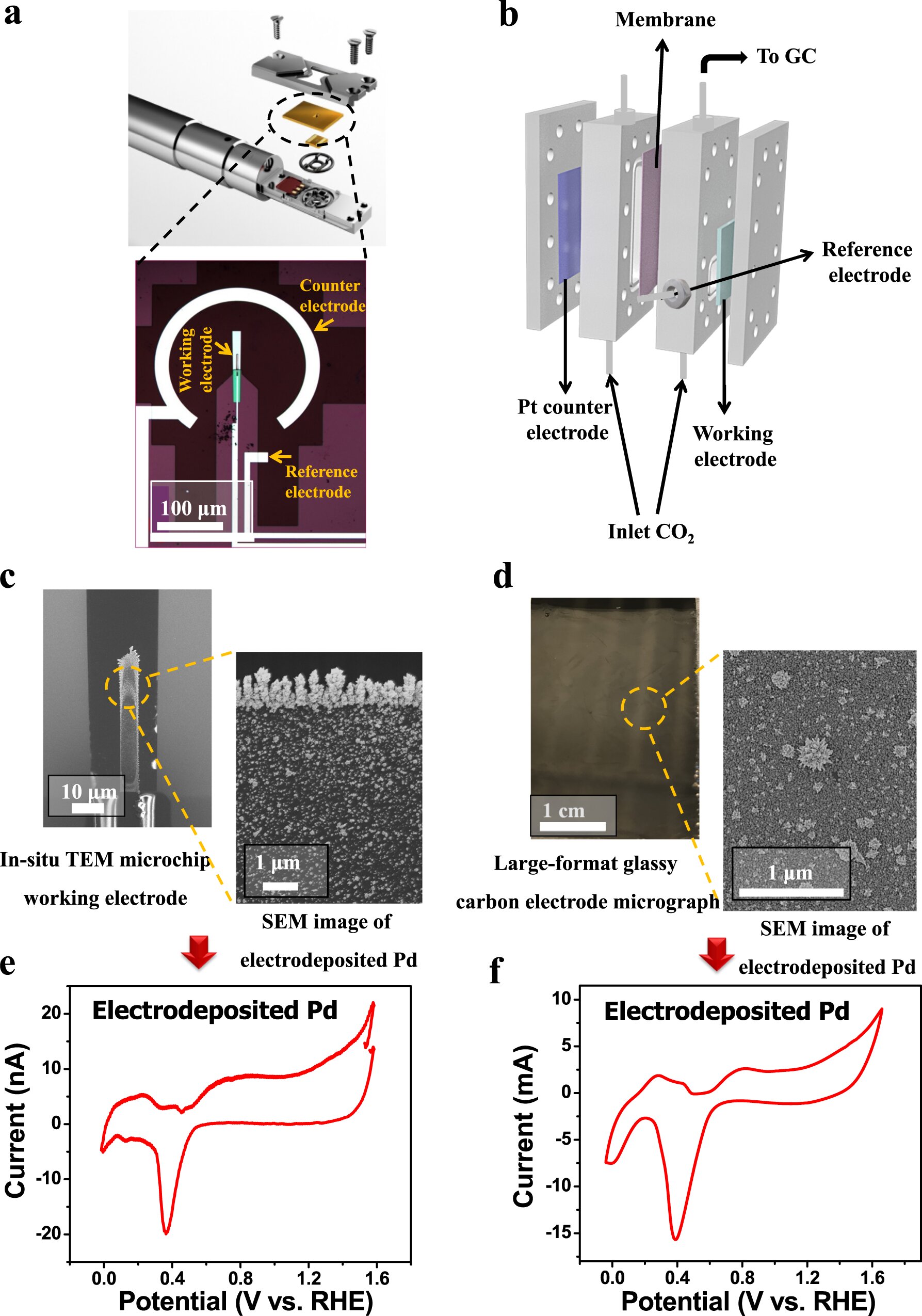
Researchers at McMaster University and Danish Technical University have uncovered the bottleneck hindering the practicality of converting carbon dioxide into usable products. Using powerful magnification equipment, they observed the nanoscale chemical reaction and discovered that catalysts restructuring rapidly under operating conditions is the main issue. The team hopes to use this information to improve the efficiency and durability of the process, potentially enabling the technology to be scaled up for commercial use in industries with high volumes of retrievable carbon dioxide.
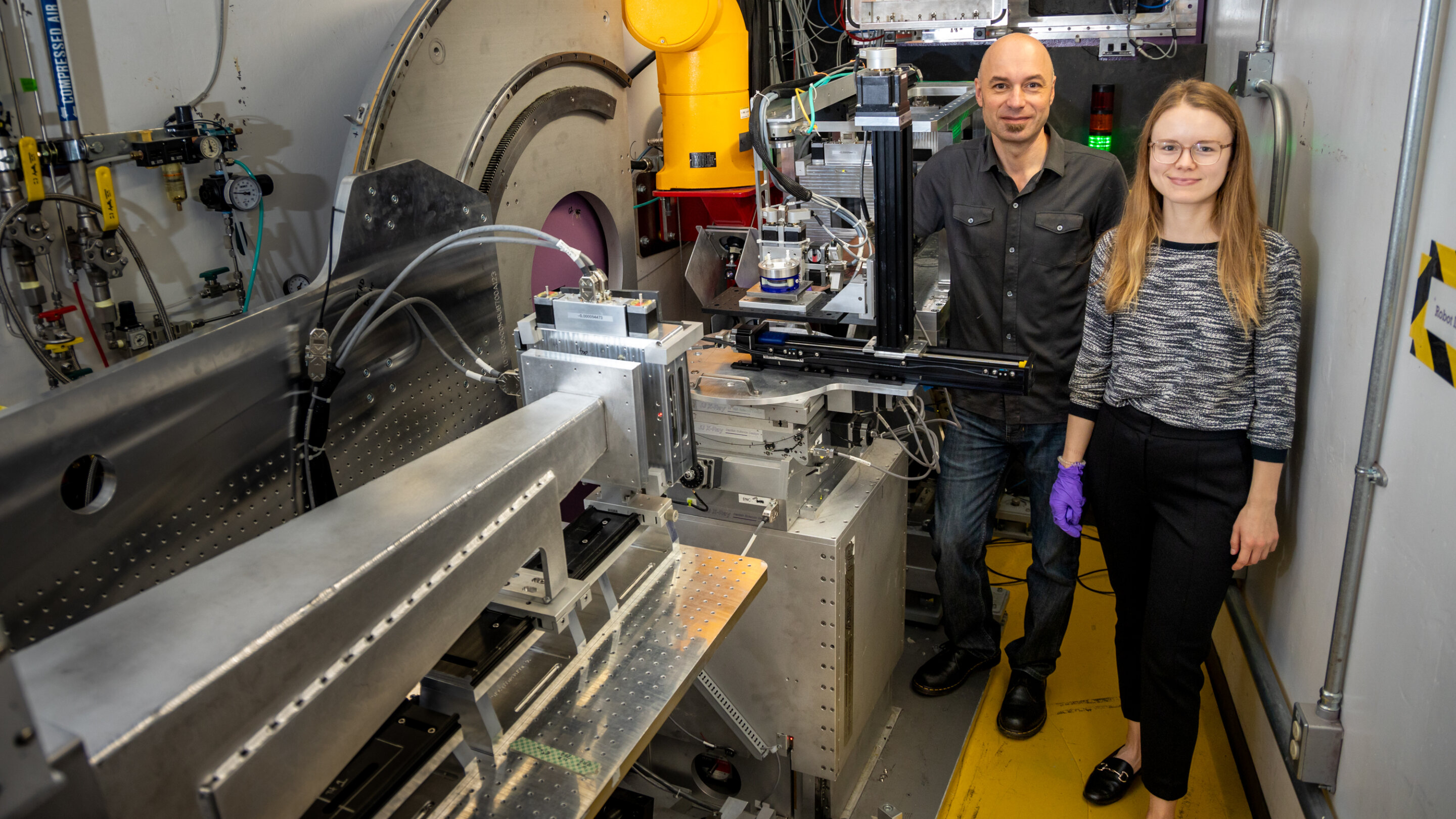
Scientists from Stanford University and Oak Ridge National Laboratory have developed an electrochemical process for producing ammonia, a key ingredient in nitrogen fertilizer, without emitting carbon dioxide. By using neutron scattering, the researchers discovered that cycling an electric current during the conversion of nitrogen to ammonia increases the amount of ammonia produced. This sustainable method could help meet carbon-neutral goals and provide a solution for producing fertilizers without relying on the carbon-intensive Haber-Bosch process. The insights from this study could also be applied to other applications, such as recycling fertilizer runoff and producing ammonia for fueling ships.
Scientists at MIT have developed an integrated and energy-efficient system that can capture and convert carbon dioxide emissions from concentrated industrial sources. The system combines the processes of carbon capture and conversion into a single electrochemical process, which is driven by the partial pressure of carbon dioxide. The researchers found that the more pure carbon dioxide that comes into contact with the electrode, the more efficiently it can capture and convert the molecule. This technology could help reduce emissions from hard-to-abate sectors such as steel, cement, and chemical manufacturing.