
Unraveling the Origins of Life's Self-Organization
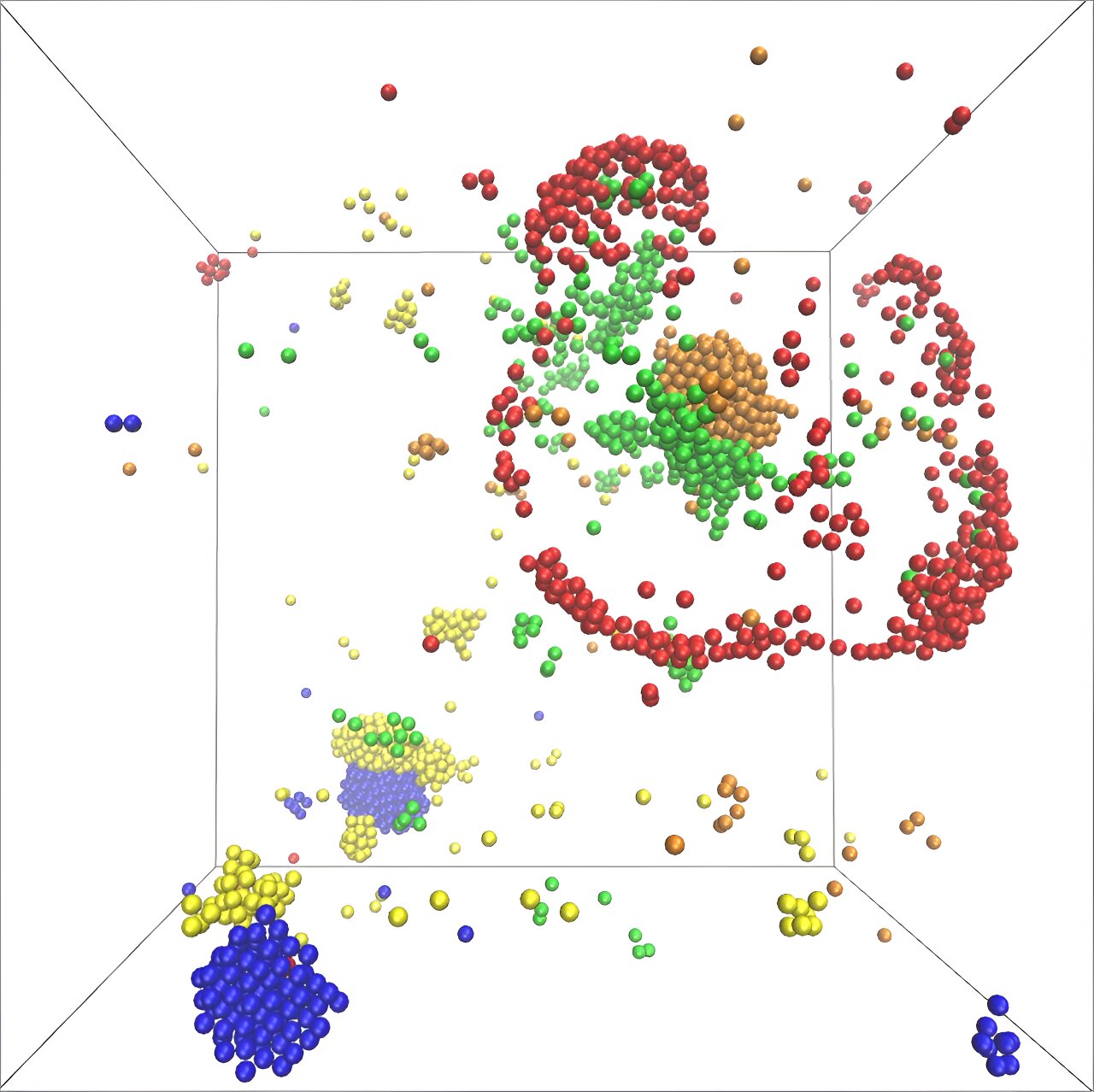
Scientists from the Max Planck Institute for Dynamics and Self-Organization have developed a model that predicts the self-organization of catalysts involved in metabolic pathways, offering a new mechanism for the origin of life. The model demonstrates how catalytic molecules can form metabolically active clusters by creating and following concentration gradients, leading to the rapid formation of dynamic functional structures. These findings contribute to our understanding of how complex life emerged from simple molecules and shed light on the formation of structures in metabolic networks.