A retired surgeon shares a detailed and personal account of being misdiagnosed, forcibly medicated, and subjected to ECT in psychiatric care, highlighting issues of patient rights, treatment abuses, and the impact of psychiatric practices on his life and family.
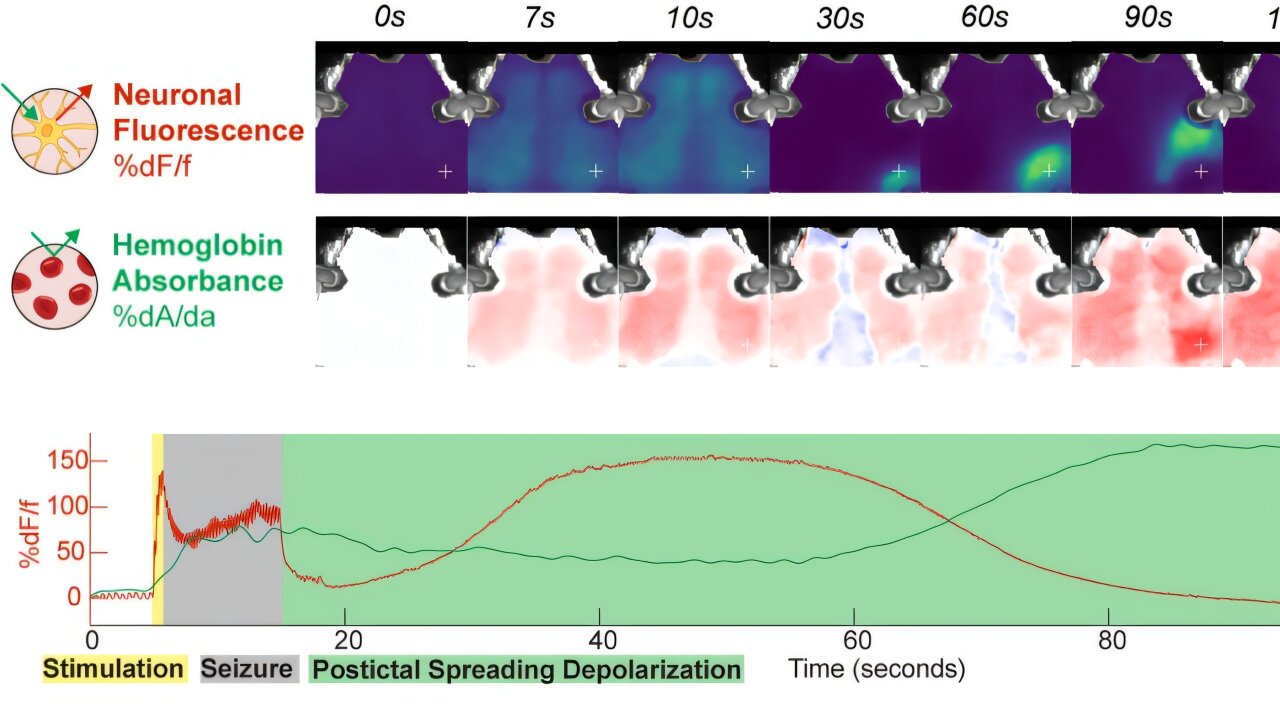
New research suggests that electroconvulsive therapy (ECT) not only induces seizures but also triggers a brain 'reset' wave called cortical spreading depolarization (CSD), which may explain its rapid and widespread therapeutic effects. Using advanced neuroimaging, scientists aim to personalize ECT treatments by monitoring CSD as a biomarker, potentially improving outcomes for treatment-resistant mental illnesses.
A study led by Zach Rosenthal challenges the long-held belief that the seizure induced by electroconvulsive therapy (ECT) is the primary therapeutic mechanism, revealing that ECT also triggers a brain wave called cortical spreading depolarization (CSD), which may reset neurons and explain its effectiveness. This discovery, made possible by advanced neuroimaging, could lead to more personalized and effective ECT treatments, helping to reduce stigma and improve mental health outcomes.
A new study has found that ketamine performs at least as well as electroconvulsive therapy (ECT) for patients with treatment-resistant depression, suggesting it deserves consideration as a frontline response. While the potential benefits are comparable and ketamine is easier to administer than ECT, the addiction risks of long-term ketamine treatments aren’t well established, leading some physicians to urge caution. Ketamine is not approved as a depression treatment, despite evidence around its efficacy.