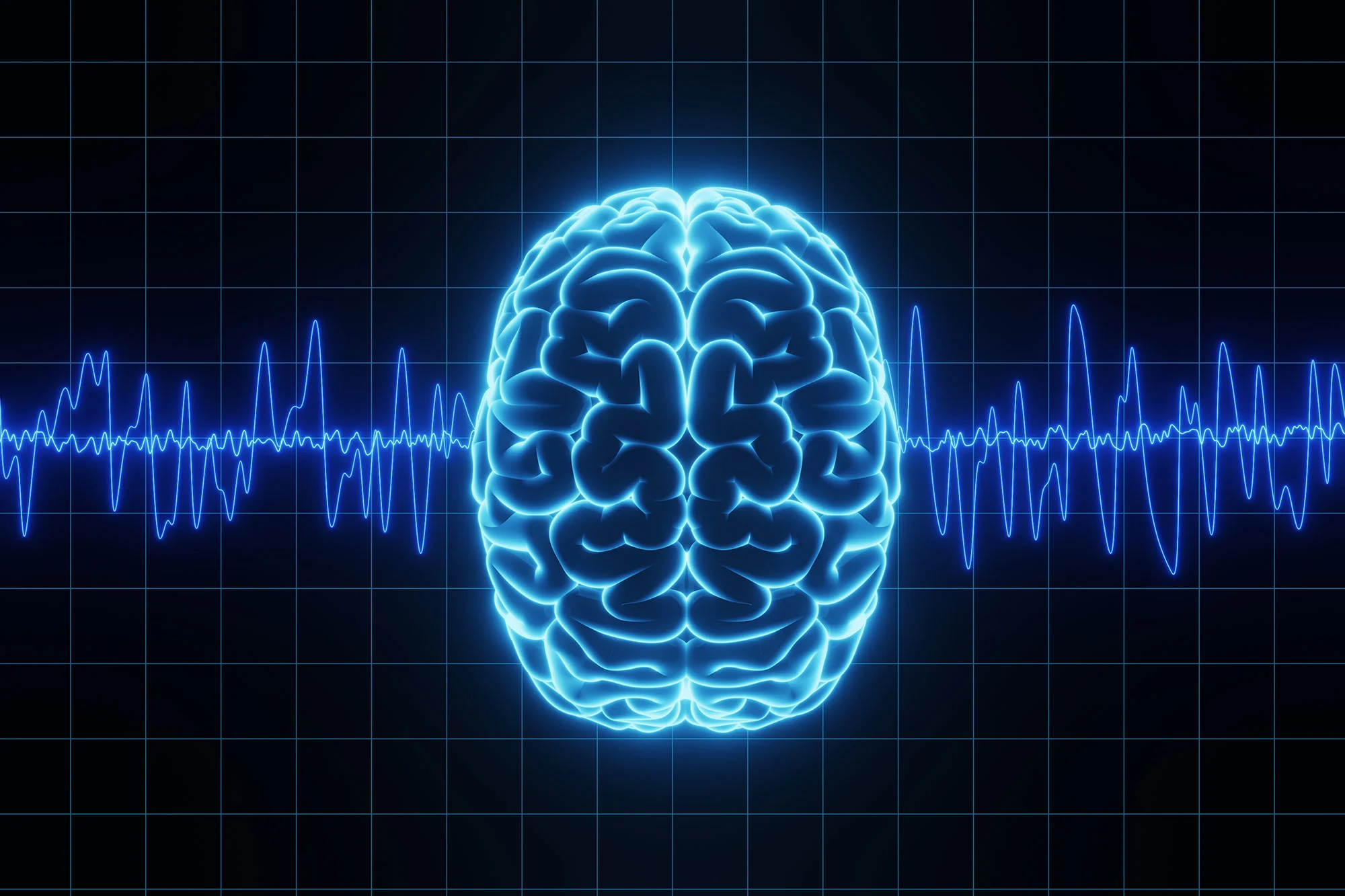
Yale scientists have identified the origin of gamma brain waves as an interaction between the thalamus and cortex, using a new precise measurement method, revealing their role in behavior and potential as early biomarkers for neurodegenerative diseases like Alzheimer's.
Scientists observed an increase in brain activity in dying patients, including a surge of gamma waves, which could potentially help explain near-death experiences. The study monitored four comatose patients who were taken off life support, and found that two of them exhibited gamma wave activity after their hearts had stopped. The lead author of the study hopes to collect more data on dying human brains to better understand the death experience.
Scientists observed a surge in brain activity in dying patients, consisting of gamma waves associated with lucid dreams and hallucinations, which may help explain bizarre reports of near-death experiences. The study suggests that people may retain a certain level of consciousness that lends to dream-like, out-of-body experiences as they die. The lead author of the study aims to collect more data on dying human brains in the future to better understand the human death experience.
Scientists observed a surge in brain activity in dying patients, consisting of gamma waves associated with lucid dreams and hallucinations, which may help explain bizarre reports of near-death experiences. The study suggests that people may retain a certain level of consciousness that lends to dream-like, out-of-body experiences as they die. The lead author of the study aims to collect more data on dying human brains in the future to better understand the human death experience.
Scientists observed a surge in gamma wave brain activity in dying patients, even after their hearts stopped, which may help explain near-death experiences. The study challenges the belief that the brain dies with the rest of the body and suggests that people may retain a certain level of consciousness as they die. The lead author of the study aims to collect more data on dying human brains in the future to better understand the human death experience.
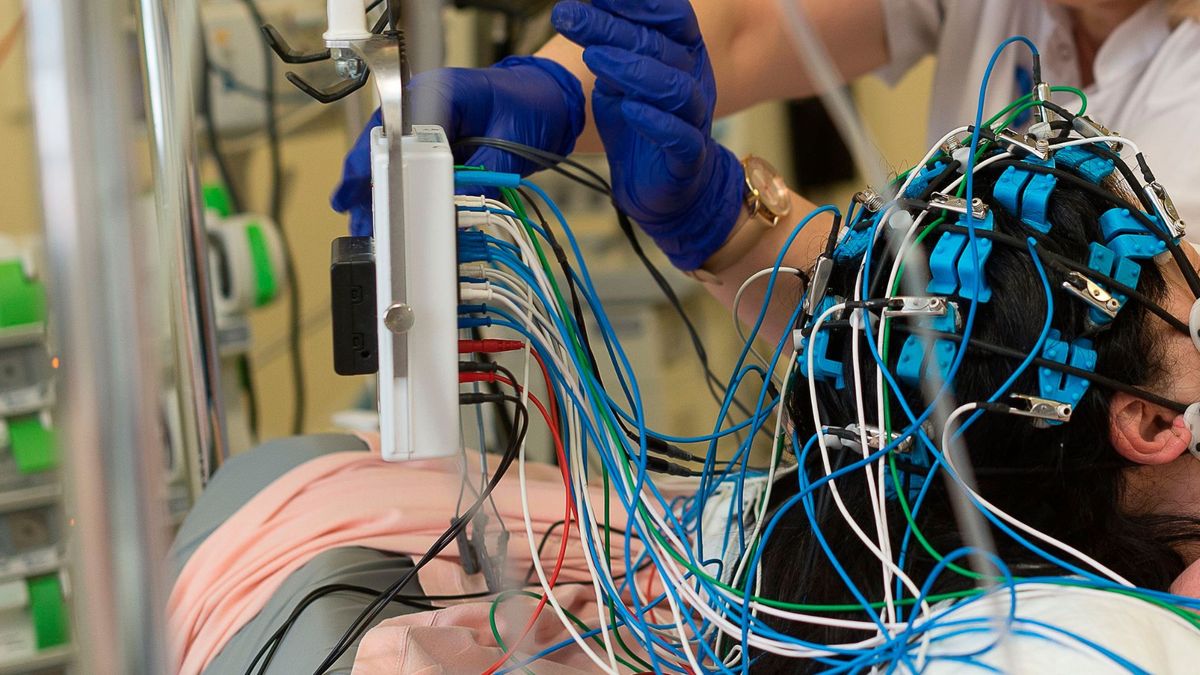
A small study from the University of Michigan recorded the brain activity of four comatose patients who died from cardiac arrest while in hospital and under EEG monitoring. Two of the patients showed an increased heart rate and a surge of gamma wave activity, which is considered the fastest brain activity and associated with consciousness. The researchers detected activity in the area between the temporal, parietal and occipital lobes in the back of the brain, a so-called "hot zone" associated with dreaming, visual hallucinations in epilepsy, and altered states of consciousness. The study is similar to the results of another study involving an 87-year-old man who died of a heart attack in a hospital and showed unexpected activity in the memory retrieval area of his brain.
Restoring gamma signals in the olfactory bulb can counter depression, according to a study by researchers from NYU Grossman School of Medicine and University of Szeged in Hungary. Gamma oscillation changes have been found to be an electrophysiological marker of depression in brain regions that manage the sense of smell, which have also been linked to emotions. The researchers used a device to restore gamma signals of the brain at their natural pace, which was able to reduce depressive behaviors by 40%. However, further studies are needed to understand the link between firing patterns of gamma waves and emotions.
Researchers have found that restoring certain signals in a brain region that processes smells countered depression in mice and rats. The study results revolve around nerve cells (neurons), which "fire"—or emit electrical signals—to transmit information. Effective communication between brain regions requires groups of neurons to synchronize their activity patterns in repetitive periods (oscillations) of joint silence followed by joint activity. One such rhythm, called "gamma," repeats about 30 times or more in a second, and is an important timing pattern for the encoding of complex information, potentially including emotions.
A study published in the journal PNAS observed electrical activity in the brains of dying patients and found that some individuals exhibited organized-looking electrical surges that resembled patterns seen during both waking and dreamlike states. These surges could correspond to the seemingly "otherworldly" visions sometimes reported by people who have had near-death experiences. The study highlights the potential for organized electrical activity in the dying brain, raising intriguing questions about the nature of consciousness and the subjective experiences that may occur during the transition from life to death.
A new study published in the journal PNAS has found that the brains of dying humans experience a surge of activity that resembles being awake, even after the person stops breathing. The study tracked four people who were dying due to cardiac arrest as they were taken off their ventilators, and found that two of them had a rush of gamma waves, which are some of the fastest brain waves you can experience. The study authors explained that these gamma waves could mean that patients experienced some form of consciousness, similar to being in a lucid state. However, researchers noted that because the patients did pass away, it is unclear exactly what they experienced as they were dying and if this brain activity even relates to death at all.
A small study has found evidence of heightened activity in the brain during the process of dying, potentially related to consciousness. The research observed four patients in comatose states, following cardiac arrest, who were under EEG monitoring at the time of their deaths. In two of these patients, a surge of gamma wave activity, linked with consciousness, was recorded upon the removal of ventilator support. However, due to the small sample size and the fact that the patients did not survive, the team cautioned against drawing definitive conclusions, stating that larger studies are needed to fully understand these brain wave patterns.
Researchers recorded the brain activity of comatose patients as they died and found that some patients' brains generated a surge of organized-looking electrical activity that may reflect consciousness. This surge can occur after a person's breathing stops but before the brain stops functioning. The activity pattern is somewhat similar to what is seen when people are awake or in dreamlike states, leading to speculation that perhaps these electrical surges reflect the otherworldly experiences reported by people who've had close brushes with death. However, since all the patients in the new study ultimately died, it's impossible to know if they had such experiences.