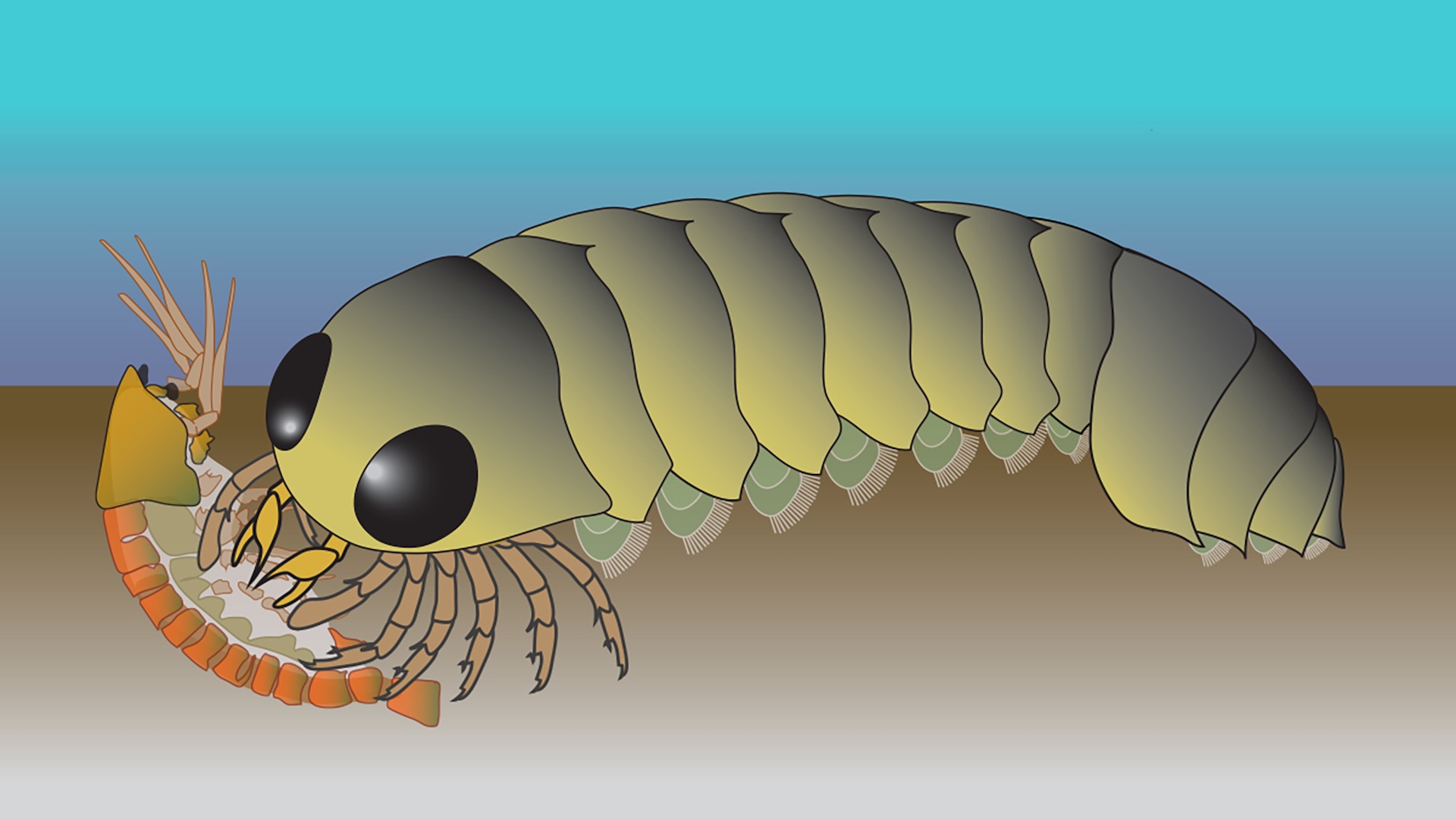
A fossil of Mollisonia symmetrica, an ancient arthropod, reveals a backward brain similar to modern spiders, suggesting that spider ancestors may have evolved in the ocean rather than on land, challenging previous beliefs about arachnid origins.
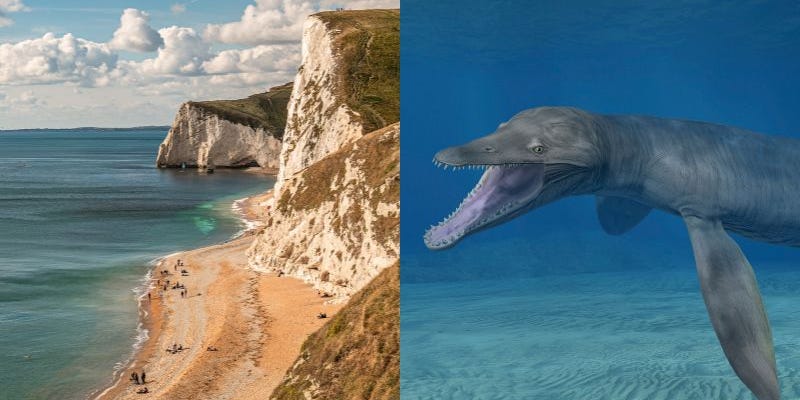
The seven-foot skull of a pliosaur, an ancient apex predator that roamed the oceans 150 million years ago, has been discovered on the Jurassic Coast in Dorset, UK. With 130 razor-sharp teeth, this "ultimate killing machine" could instantly kill its prey, including dolphin-like creatures and other pliosaurs. The fossil is considered unique and intact, and will be featured in a David Attenborough program on BBC One.
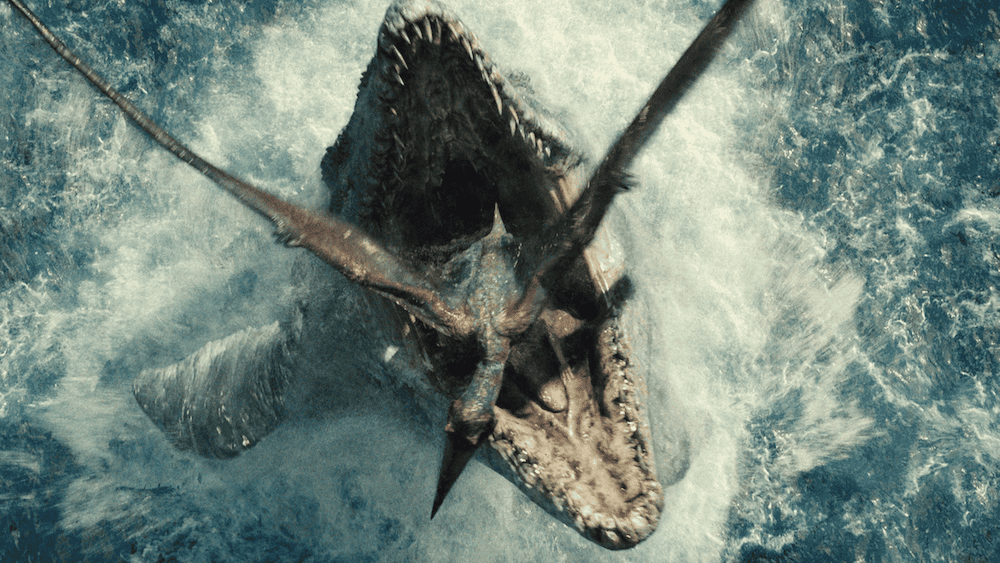
A new species of mosasaur, a gigantic ancient sea monster, has been discovered in Mexico with a nearly complete skull. Named Yaguarasaurus regiomontanus, this slender-jawed creature belonged to the extinct Mosasauridae group and provides valuable insights into the size, migration, and mating patterns of mosasaurs that lived over 90 million years ago. Mosasaurs were fully aquatic predators that roamed the oceans, feeding on fish, cephalopods, sharks, and even other mosasaurs. The latest discovery is estimated to be over 17 feet long, but some fossils indicate sizes of nearly 40 feet. The complex ancestry of mosasaurs within the Mosasauridae family is still a subject of debate among researchers.