
"Breakthrough: 3D-Printed Mini Brains Mimic Human Functionality"
TL;DR Summary
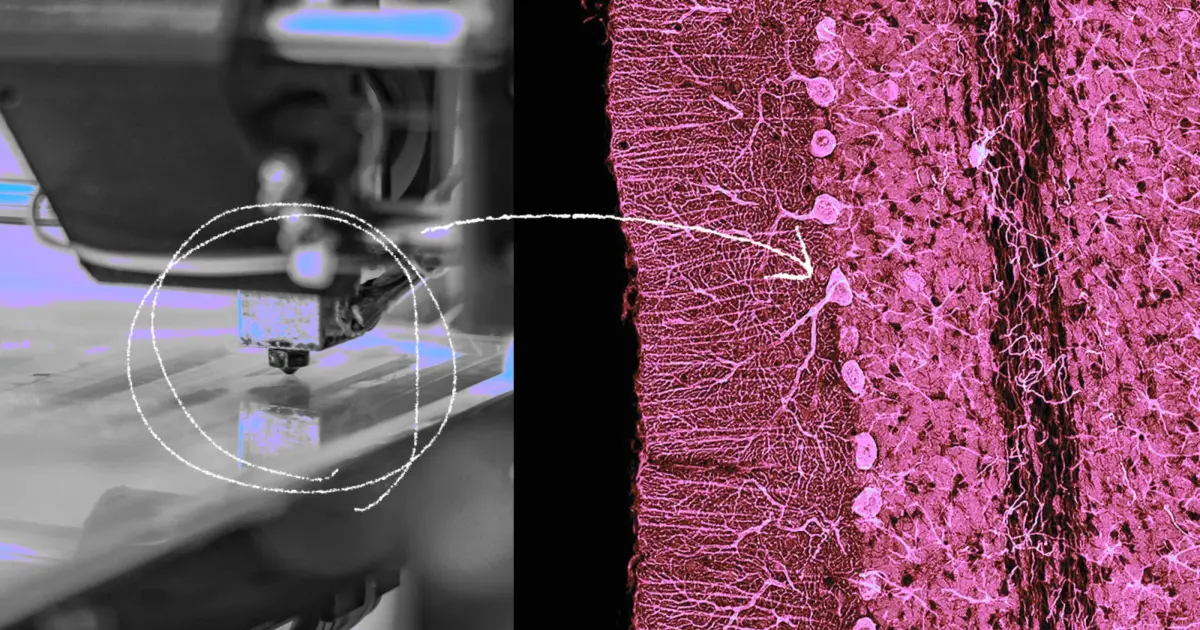
Scientists at the University of Wisconsin–Madison have successfully created the first 3D-printed brain organoids that function like natural brain tissue, allowing neurons to communicate, send signals, and form networks with support cells. This breakthrough could revolutionize neuroscience research, offering new opportunities to study diseases, test drugs, and understand how brain cells and parts of the brain communicate in humans. The researchers hope that their technique will be adopted by other labs and could lead to significant advancements in stem cell biology, neuroscience, and the understanding of neurological and psychiatric disorders.
- Scientists create the first “functional” 3D-printed mini brains Freethink
- Revolutionary 3D-Printed Brain Tissue Mimics Human Function Neuroscience News
- 3D-printed human brain tissue works like the real thing Livescience.com
- Scientists create functioning brain cells using 3D printing: Hashtag Trending, Monday February 5th, 2024 IT World Canada
- Let’s 3D-print a working brain. What could go wrong? The Medical Republic
Reading Insights
Total Reads
0
Unique Readers
0
Time Saved
2 min
vs 3 min read
Condensed
83%
533 → 90 words
Want the full story? Read the original article
Read on Freethink