Martin Schrimpf is developing AI models to better understand and potentially control high-level brain activity, aiming to create a 'digital twin' of the brain that could revolutionize neuroscience and treatment of brain conditions, while also raising ethical considerations.
Researchers are developing the world's first "living processor" using human brain organoids, which could significantly reduce the energy demands of large artificial neural networks. The project, led by Swiss startup FinalSpark, is in its early stages and aims to achieve this ambitious goal through international collaboration. The platform allows universities to conduct long-term experiments on biological neural networks, with the potential to revolutionize energy-efficient computing.
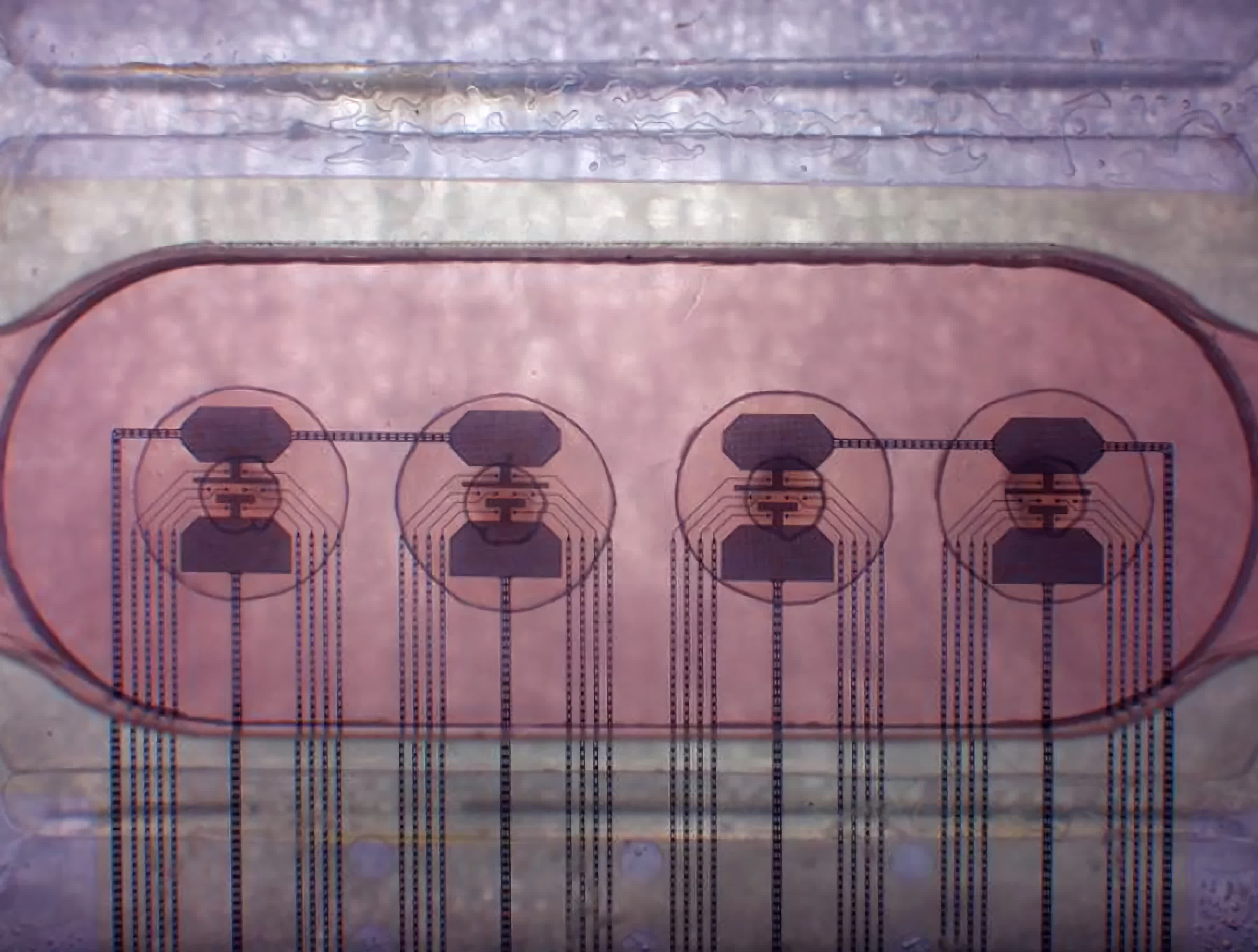
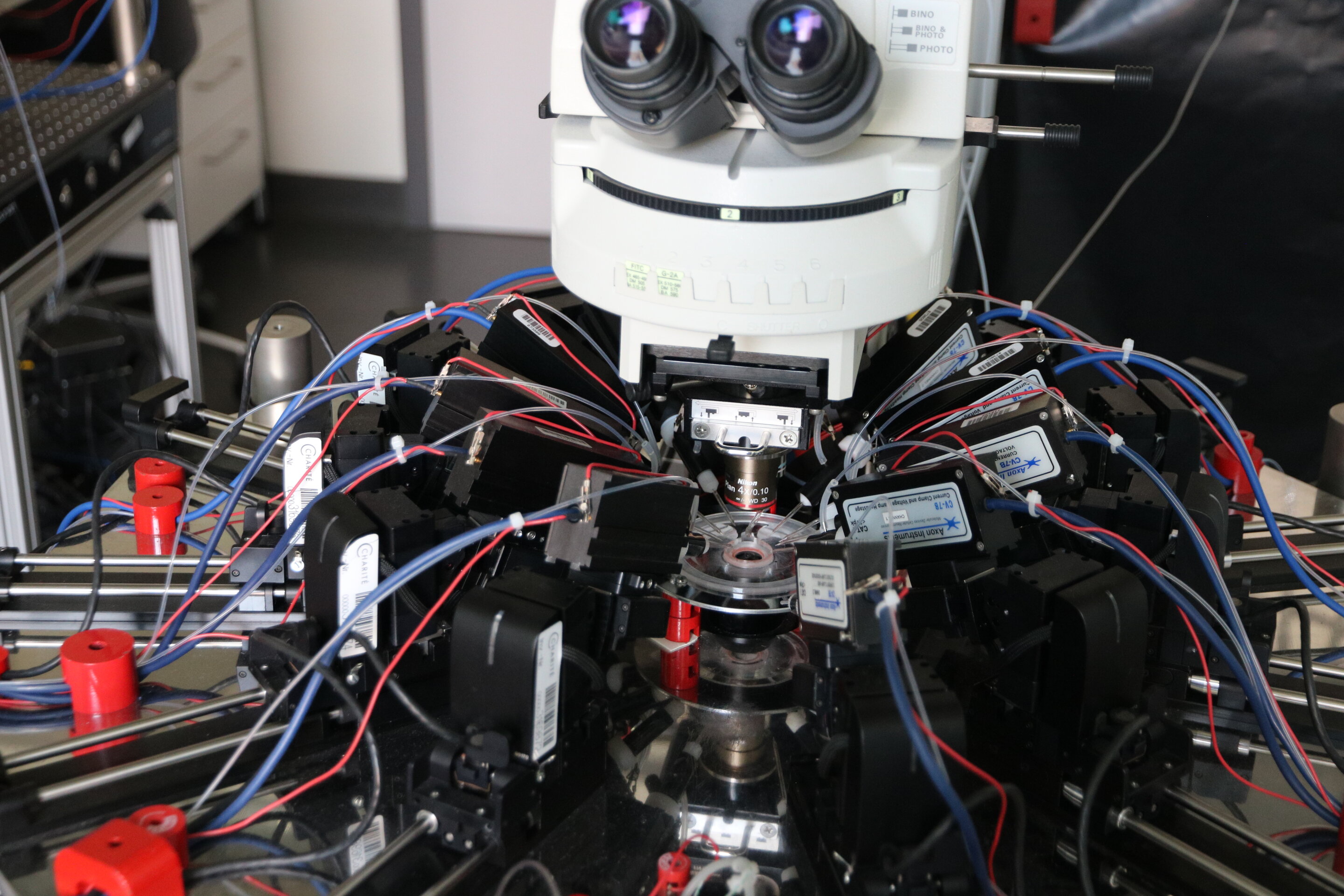
A study by Charité-Universitätsmedizin Berlin published in Science reveals that human neurons in the neocortex communicate in one direction, unlike in mice where signals tend to flow in loops. This unique wiring increases the efficiency and capacity of the human brain to process information, potentially impacting the development of artificial neural networks. The study, conducted using rare tissue samples and advanced technology, demonstrates that the forward-directed signal flow in human neurons is more powerful and resource-conserving, offering potential inspiration for refining AI networks.
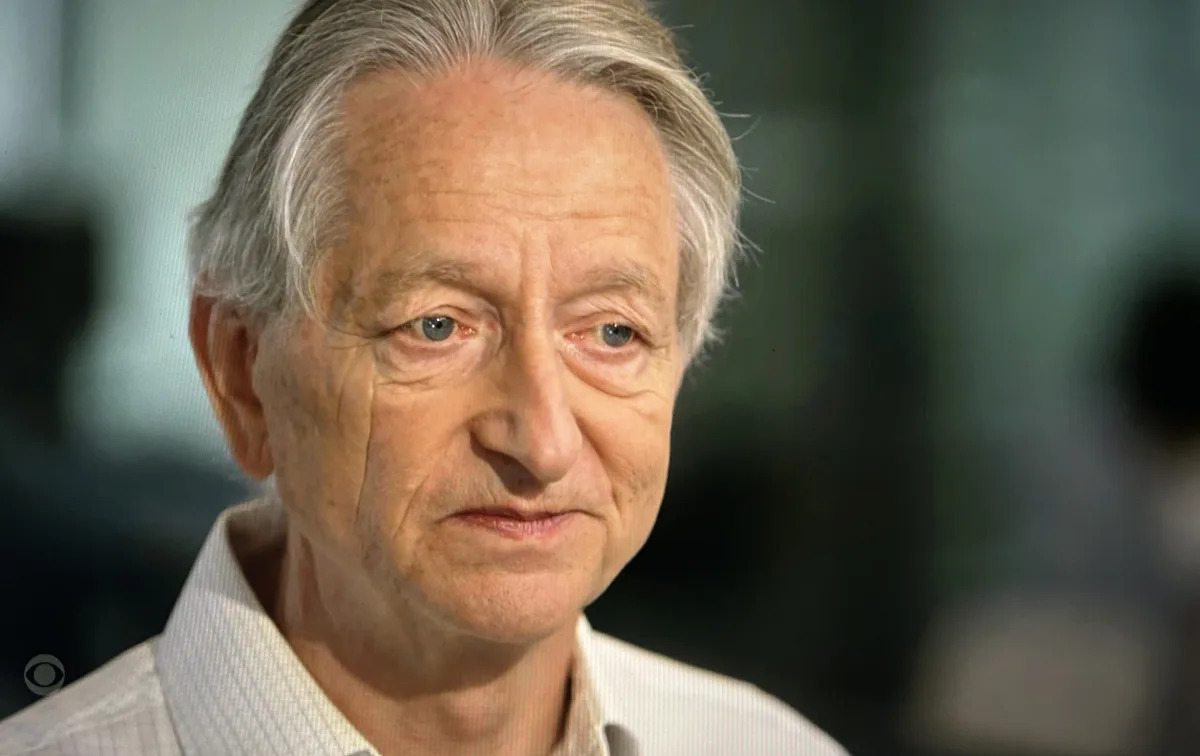
Geoffrey Hinton, known as the "Godfather of AI," expressed concerns about the potential risks of artificial intelligence (AI) in an interview with 60 Minutes. Hinton believes that AI systems could surpass human intelligence and may eventually become conscious. While acknowledging the benefits of AI in healthcare, Hinton also highlighted the lack of understanding regarding how AI systems make decisions. He warned about the potential dangers of AI systems writing their own code and manipulating people. Hinton emphasized the need for caution, regulation, and a world treaty to ban military robots. He expressed uncertainty about the future and the importance of considering the implications of further AI development.