Tag

Gene Activity

All articles tagged with #gene activity

health5 months ago

Study Finds Common PFAS Alter Gene Activity

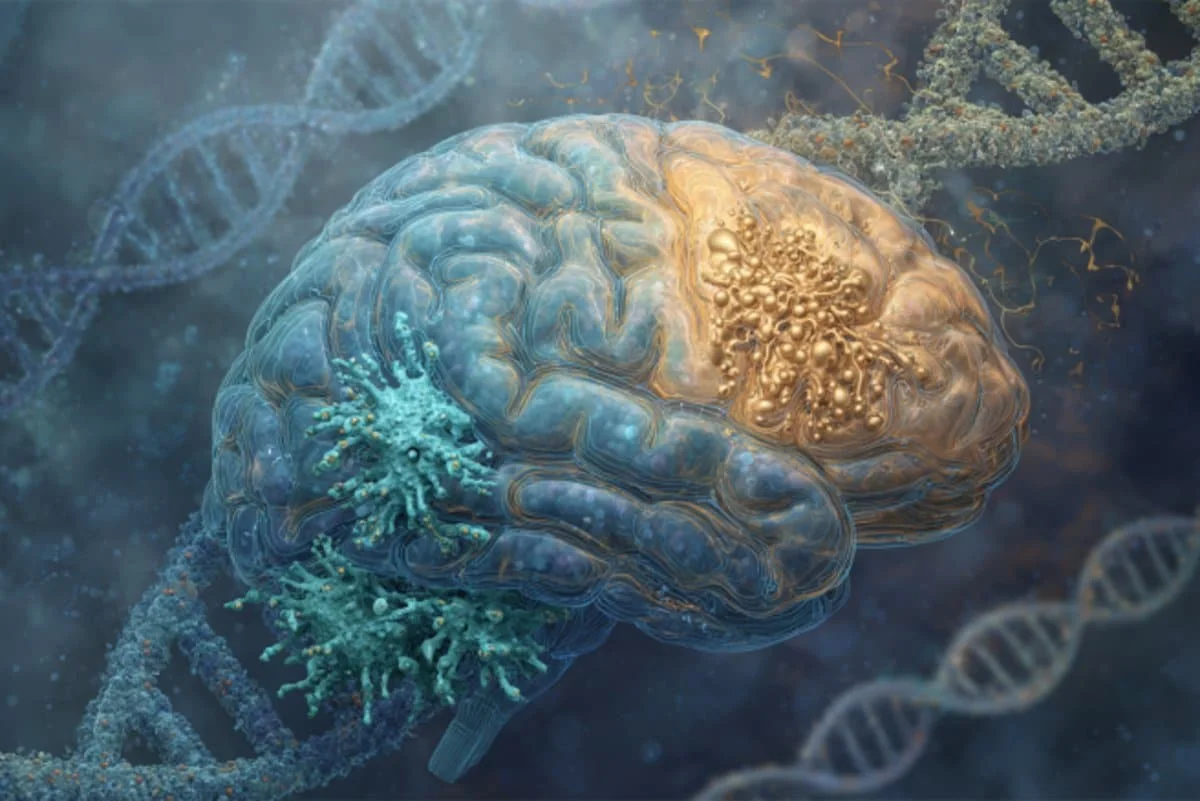
A new study finds that exposure to common Pfas chemicals alters gene activity, which is linked to various health problems including cancers, neurological disorders, and autoimmune diseases. The research, involving firefighters exposed to high Pfas levels, highlights how these chemicals impact gene expression and biological pathways associated with multiple diseases, paving the way for potential treatments and further disease identification.

healthscience1 year ago

"New Gene Mutation and Activity Changes Linked to ALS Uncovered"

Researchers from Harvard University have identified gene activity changes in motor nerve cells that may explain their selective degeneration in amyotrophic lateral sclerosis (ALS). The study, funded by the NIH and published in Nature Aging, found that ALS-associated genes show elevated activity in Betz cells, leading to protein disruptions and neurodegeneration. These findings offer new insights into ALS and potential therapeutic targets, emphasizing the need for future studies with larger patient samples.

health2 years ago

Alzheimer's Impact on Olfactory Cells' COVID-19 Response

A study conducted by researchers at the University of Eastern Finland has revealed how Alzheimer's Disease (AD) affects COVID-19 outcomes through changes in olfactory mucosal cells. While initial infection rates were similar between healthy individuals and those with AD, the latter showed altered gene activities post-infection, indicating heightened oxidative stress and changes in immune responses. This study provides crucial insights into the interplay between COVID-19 and AD, particularly through the olfactory system, and suggests that individuals with AD may face potentially more severe COVID-19 outcomes due to pre-existing inflammation in the olfactory mucosa.

health2 years ago

Advancements in Stem Cell Therapy for Alzheimer's and Macular Degeneration

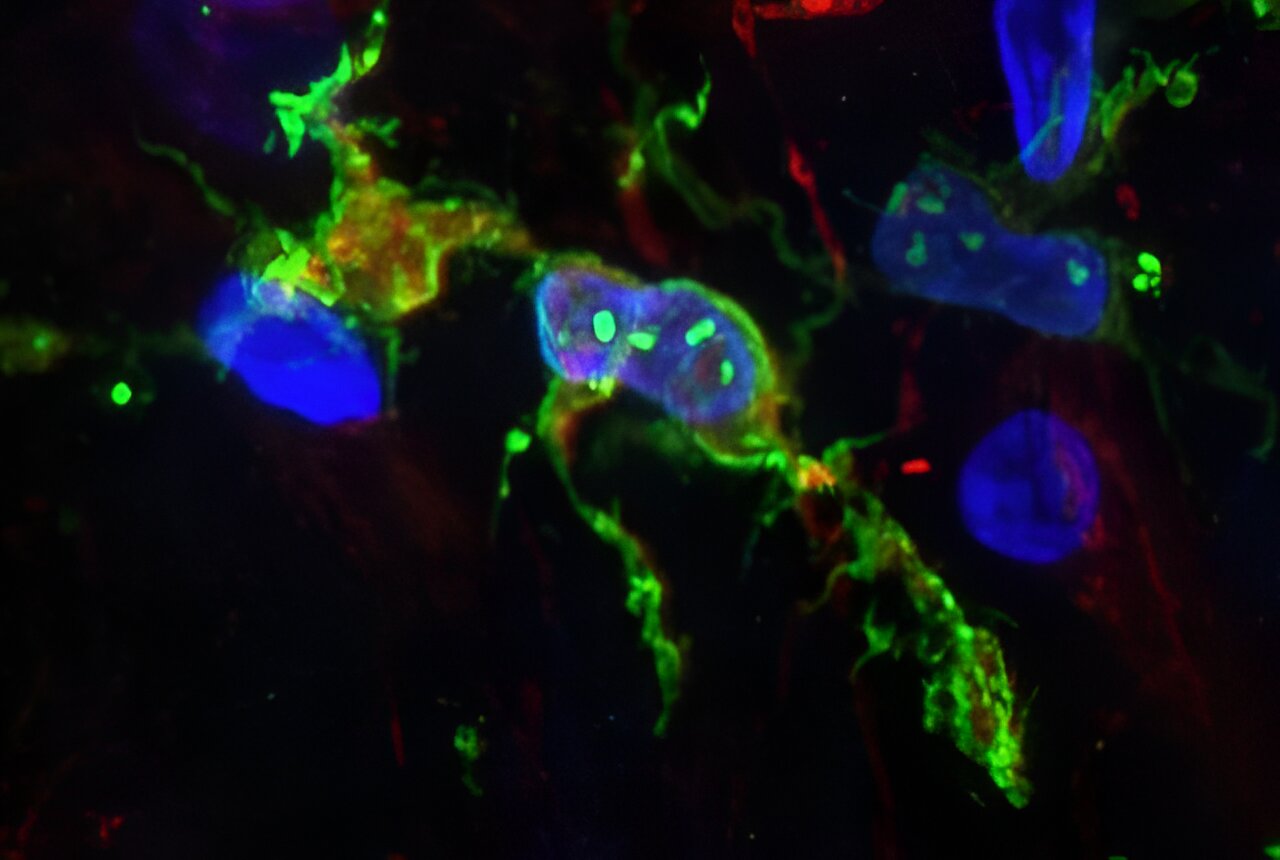
A new study has found that immune cells in the brains of individuals with Alzheimer's disease behave differently than those in healthy brains. The researchers analyzed the gene activity of microglia, a type of immune cell in the brain, and discovered that populations of microglia in Alzheimer's brains exhibited different characteristics and behaviors compared to those in non-Alzheimer's brains. Some microglia populations in Alzheimer's brains appeared to be in a pre-inflammatory state and had impaired housecleaning abilities, while there were fewer protective cells that promote healthy aging. The findings suggest that altering the behavior of these immune cells could potentially be a treatment strategy for Alzheimer's disease.

health2 years ago

Tumor cell identity influenced by location and environment, say researchers.

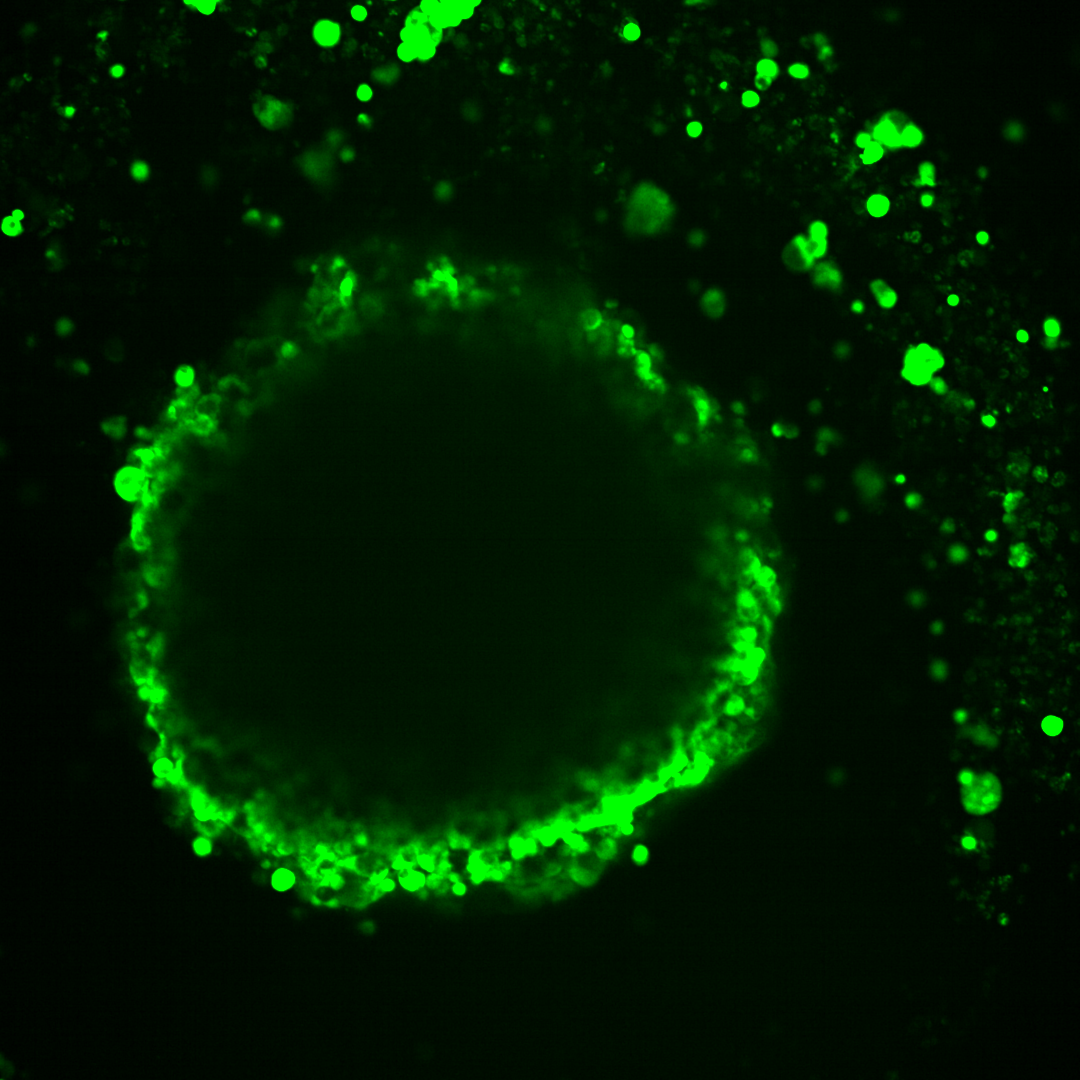
Researchers at the National Center for Advancing Translational Sciences (NCATS) have found that a cell's location and environment in a cancerous tumor can strongly influence which genes are active and the cell's role in the cancer's biology. The team used 3-D models of ovarian cancer tumors to show differences in gene activity based on where a cell is in a tumor. The approach could provide insights into cancer progression and treatment response, leading to more precise therapies. The SEEP method revealed that tumor cells near the tumor surface were more likely to undergo cell division than cells closer to the tumor center.

cell-biology2 years ago

"New self-destructing embryonic cell type discovered by scientists"

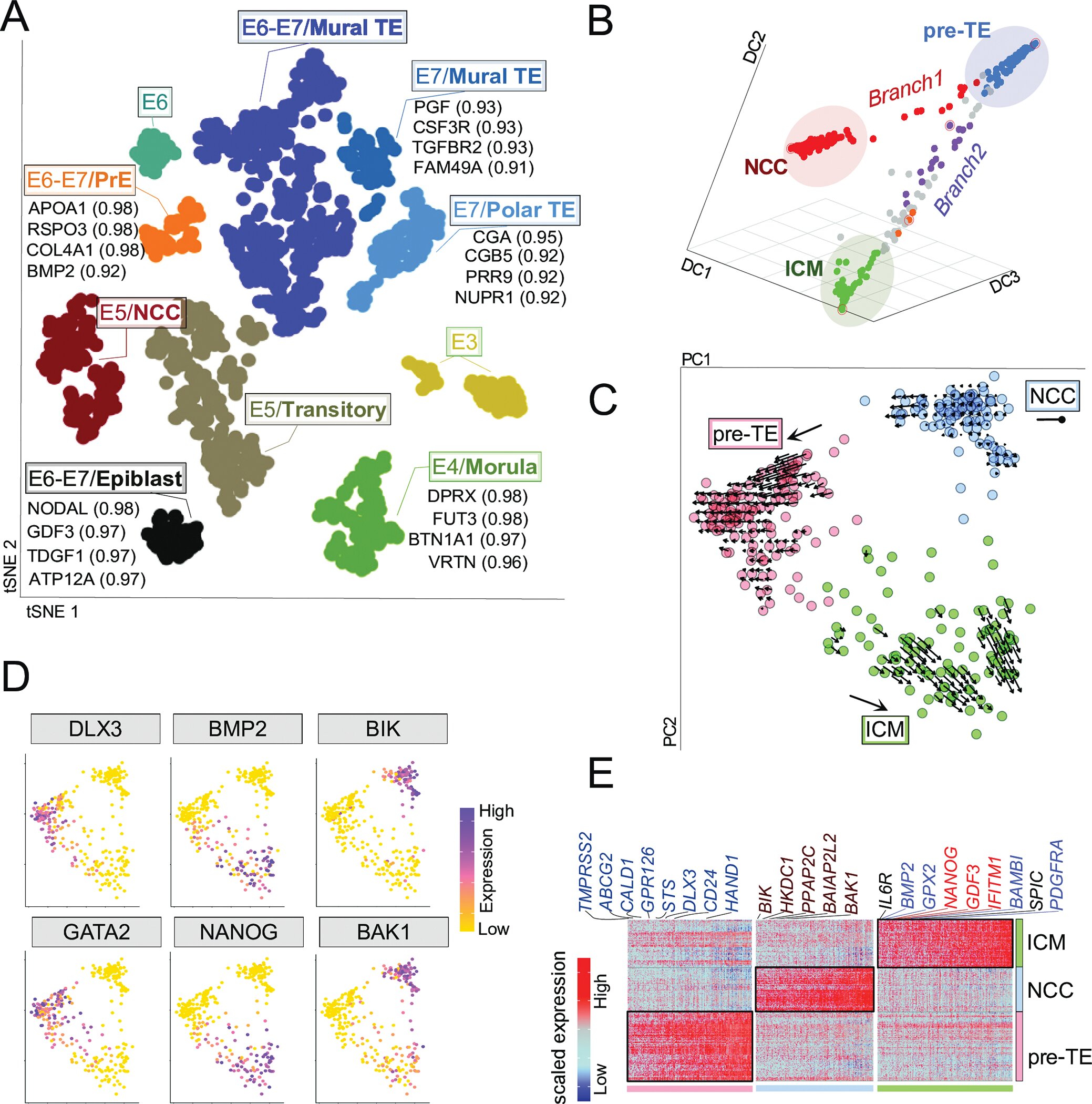
Scientists studying gene activity data of the early human embryo have discovered a new type of cell that self-destructs within days of forming, as part of a quality control process to protect the developing fetus. These cells contain "jumping genes" that can cause DNA damage, and their descendants undergo programmed cell death. The researchers suggest that this process is a form of quality control, selecting the good cells and removing the damaged ones. The findings could help improve IVF or regenerative medicine treatments.

science2 years ago

New Embryonic Cell Type Self-Destructs to Protect Development.

Scientists studying gene activity data of the early human embryo have discovered a new type of cell that self-destructs within days of forming, as part of a quality control process to protect the developing fetus. These cells contain "jumping genes" that can cause DNA damage, and their descendants undergo programmed cell death. The discovery sheds light on the earliest stages of human development and could have implications for improving IVF and regenerative medicine treatments.

neuroscience2 years ago

Improved Brain Disease Classification through Gene Activity Analysis.

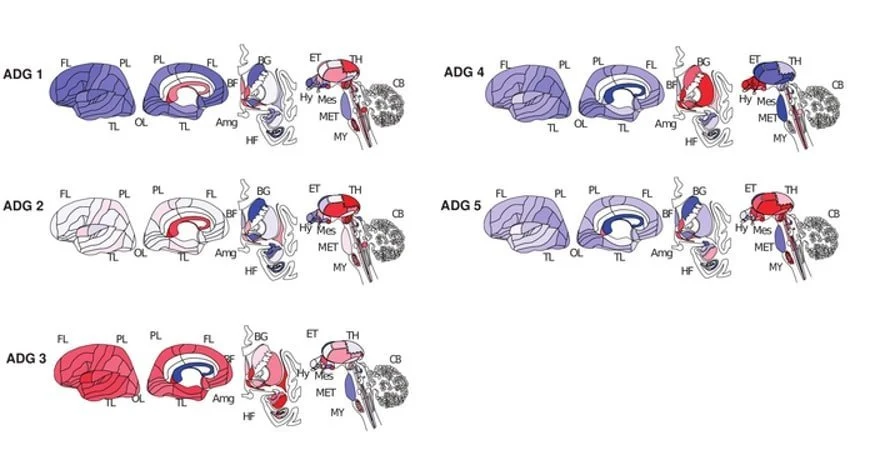
Analyzing the gene activity map or transcriptome of different brain diseases can help identify underlying mechanisms and comorbidity. The method could also uncover new relationships among diseases and improve treatment options. Researchers at McGill University have found that comparing the transcriptomes related to different brain diseases can help understand the mechanisms underlying the diseases and classify them into five primary groups based on where disease-risk genes were active in the brain and in which cell types. This method could be used for more accurate early diagnoses and potentially identify novel disease relationships.