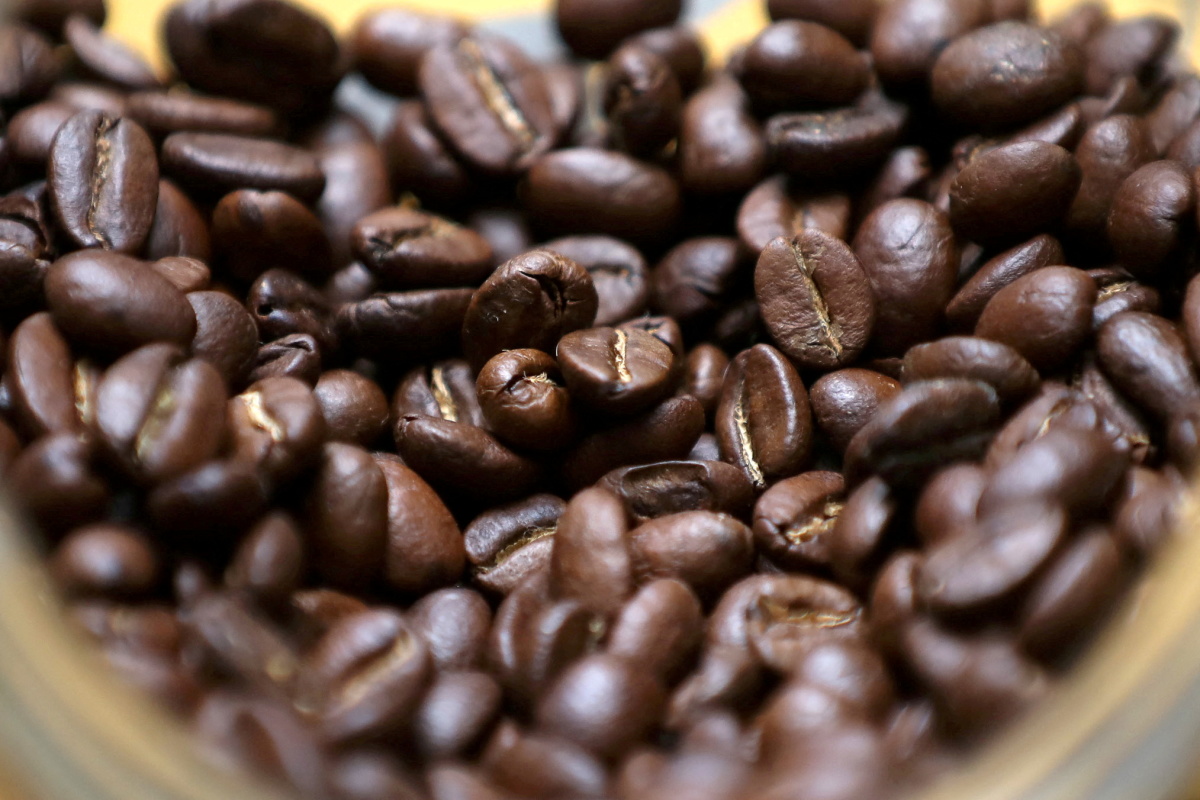
A study from the University of Coimbra in Portugal suggests that drinking around three cups of coffee daily could extend lifespan by nearly two years, thanks to bioactive compounds like polyphenols that offer antioxidant and anti-inflammatory benefits. The research, which analyzed 85 studies, indicates coffee's potential to protect against chronic diseases such as cardiovascular issues, cancer, diabetes, and dementia. However, researchers emphasize that coffee is not a cure-all, and factors like diet, exercise, and genetics also influence longevity. Moderate consumption of three to five cups per day is recommended.
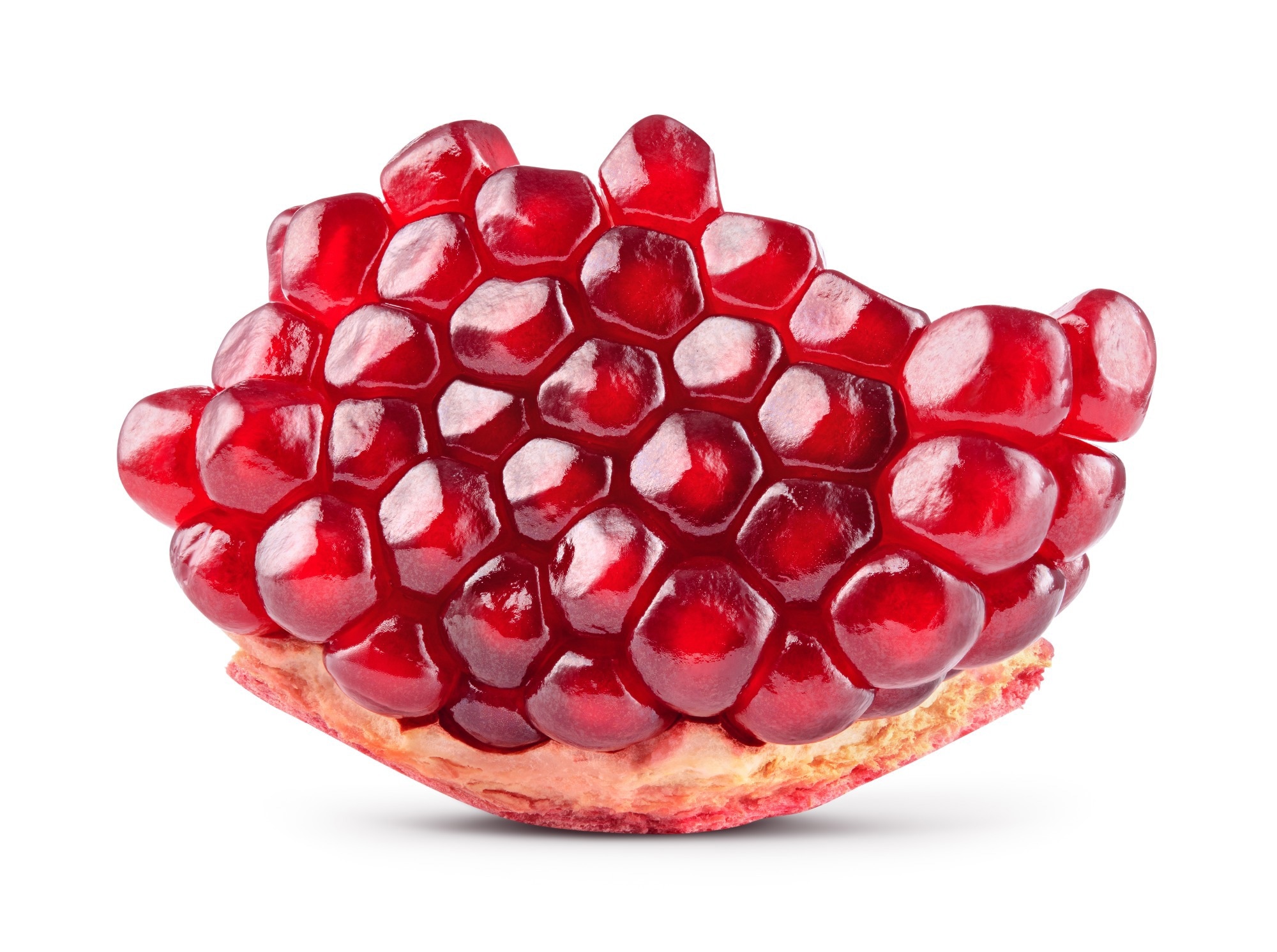
Italian researchers have found that an extract from pomegranate peels and seeds, obtained using hydrodynamic cavitation, exhibits anti-hypertensive properties. The study, published in Nutrients, showed that the extract from non-edible parts of pomegranates has high bioaccessibility and comparable ability to lower systolic blood pressure as reference drugs. These findings suggest the potential medicinal use of pomegranate byproducts in improving cardiovascular health.
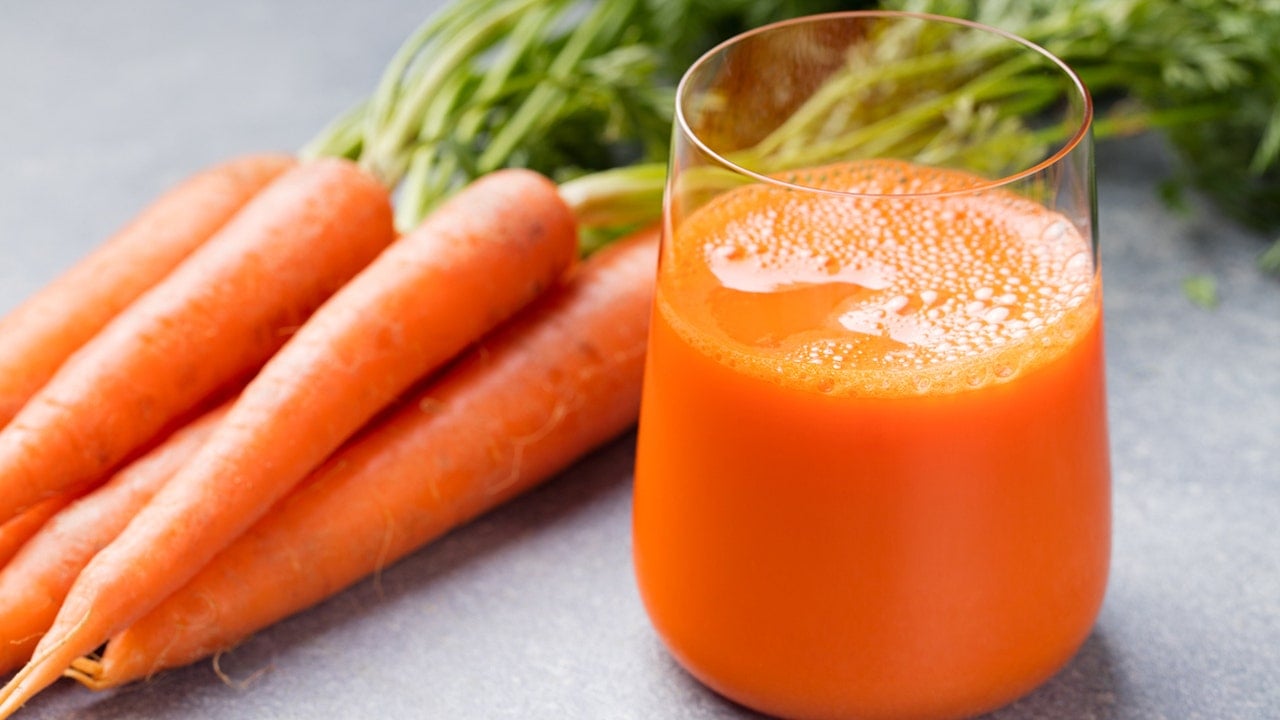
Drinking carrot juice may boost the immune system and reduce inflammation, according to a small study published in the journal Nutrients. Researchers found that the bioactive compounds falcarinol and falcarindiol in carrot juice can affect inflammation. The study showed promising results, suggesting that carrot juice intake could benefit individuals with diseases like diabetes and cancer. However, nutritionists recommend consuming whole carrots to also benefit from the fiber, which aids in gut health and blood sugar control. Further research is needed to confirm the impact of carrot juice on immune function and inflammation.
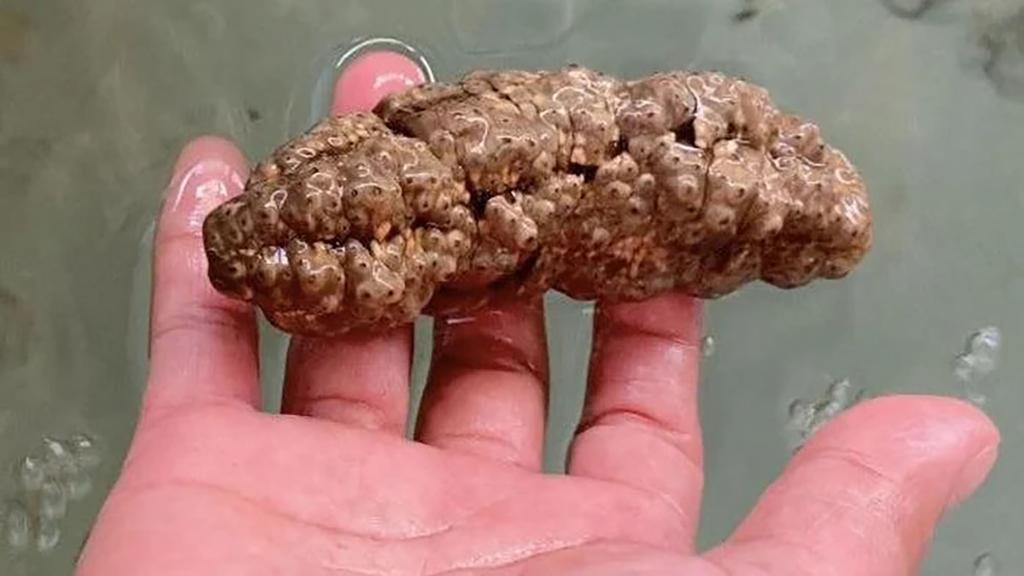
Scientists in the Philippines have discovered that a sea cucumber species, known as stichopus cf. horrens, which resembles dog poop, contains bioactive compounds that could potentially be effective in fighting cancer. The researchers found chemicals such as terpenoid glycosides and saponins in the sea cucumber, which are known to have anti-cancer properties. The species is also believed to promote the growth of neural processes and contains a chemical with anti-inflammatory properties. However, further research is needed to determine the safety and efficacy of these compounds for human use. Sea cucumbers have long been valued in traditional Chinese medicine as an aphrodisiac, although scientific evidence supporting this claim is lacking.
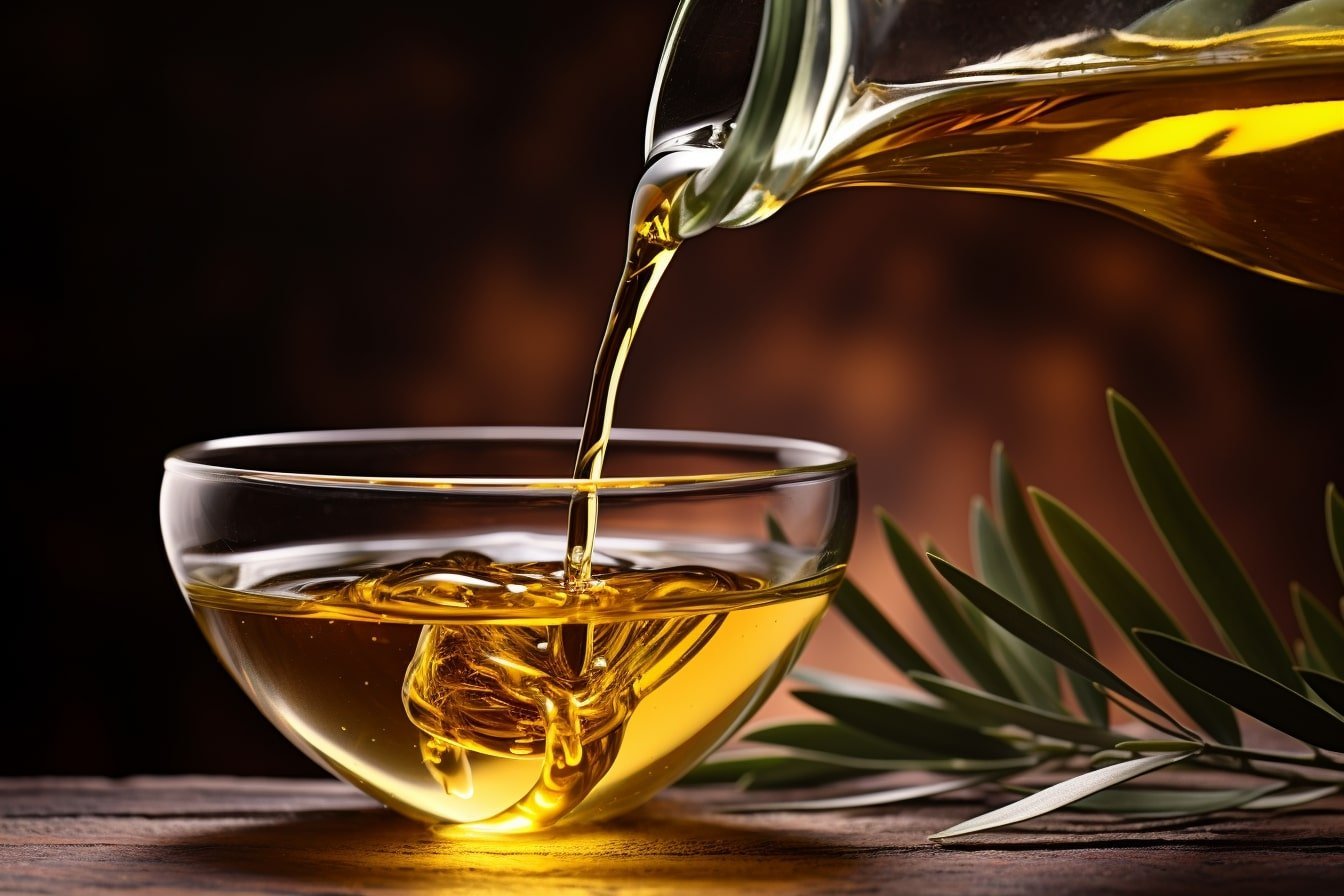
Researchers have utilized artificial intelligence to identify specific bioactive compounds in extra virgin olive oil (EVOO) that show potential in treating and preventing Alzheimer's disease (AD). Ten phytochemicals within EVOO, including quercetin, genistein, luteolin, and kaempferol, were found to have the highest likelihood of impacting AD protein networks. This study supports the neuroprotective effects of a Mediterranean diet rich in EVOO, which has been associated with a reduced risk of dementia and cognitive decline.
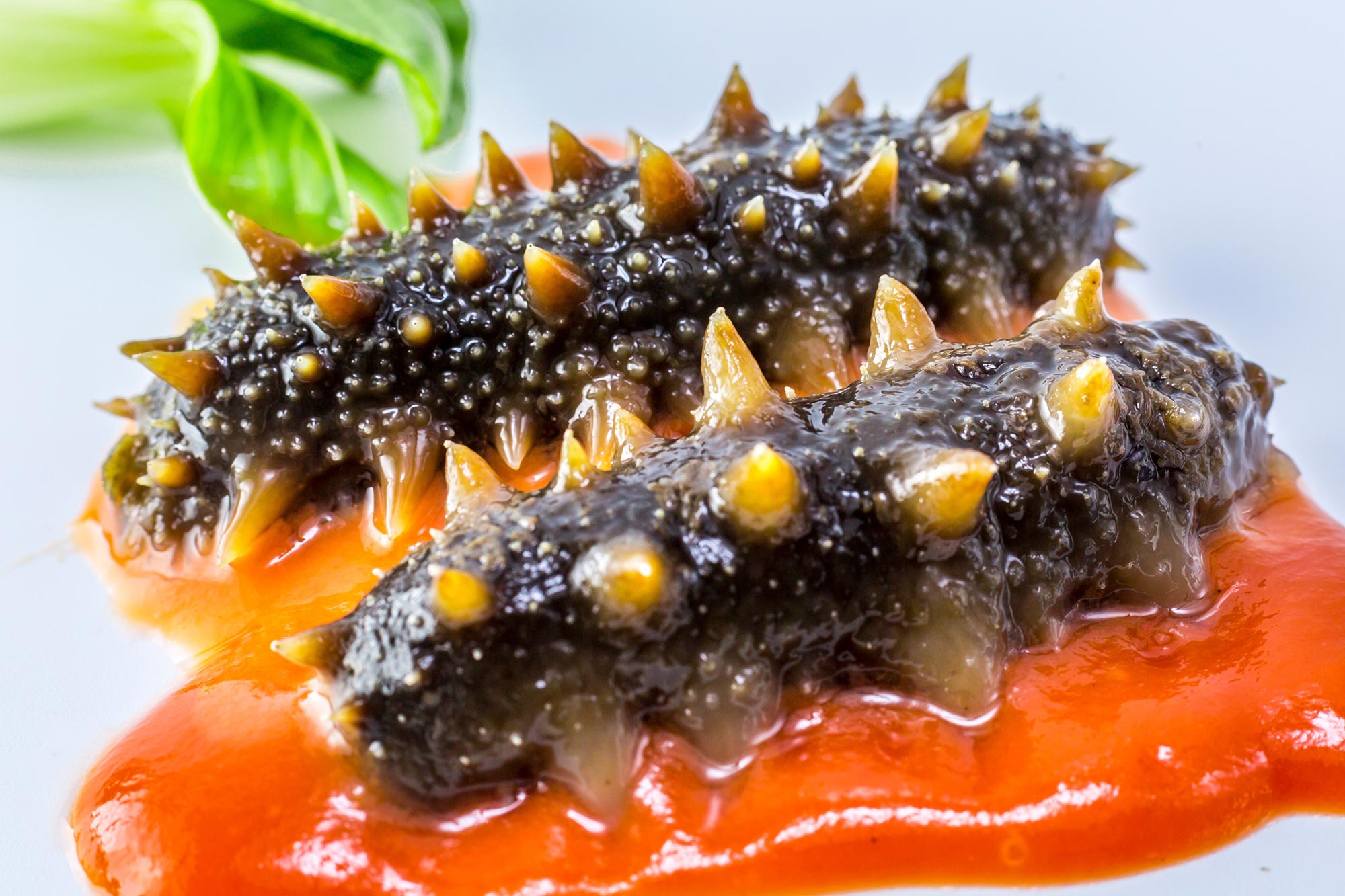
Processed dried sea cucumber with salt extracts can inhibit the formation of Advanced Glycation End products (AGEs), compounds associated with an increased risk of diabetes and its complications, such as heart disease, Alzheimer’s, Parkinson’s, kidney disease, and cancer. The bioactive compounds in sea cucumbers could protect against Type 2 Diabetes. The research opens possibilities for the development of a functional food to prevent the onset of the disease and its complications.
Adding mushrooms to your diet may help improve high blood pressure levels, according to a review published in Phytotherapy Research. The bioactive compounds in mushrooms, such as cordycepin, lovastatin, eritadenine, and ergosterol, are thought to directly influence gene expression that induces cardiovascular function. Mushrooms are often incorporated into heart-healthy diets like the Mediterranean and DASH diets due to their bioactive substances. However, a whole-food, plant-based diet that is varied in the types of plant-foods consumed can be extremely beneficial for blood pressure and heart health.
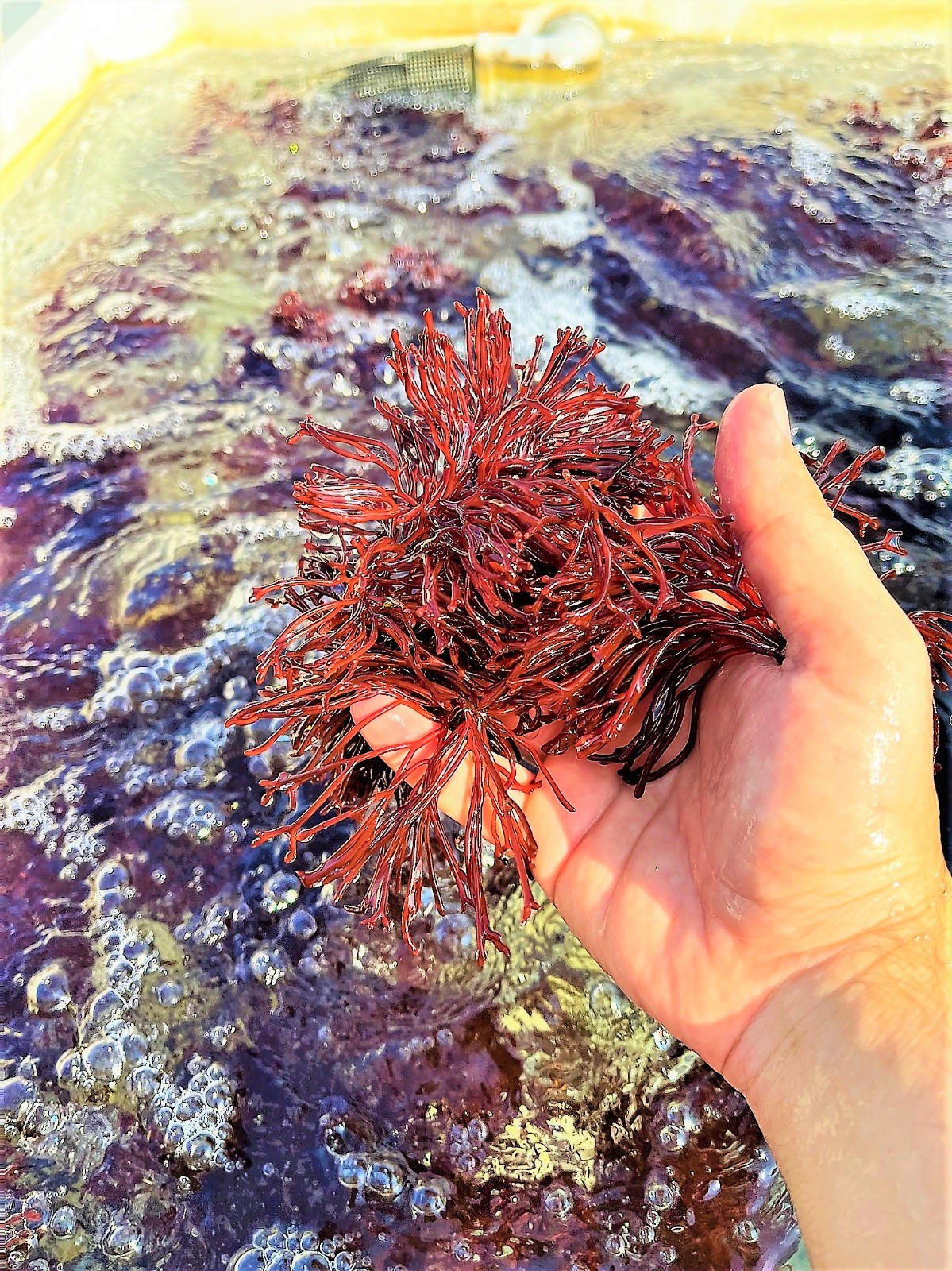
Scientists from Tel Aviv University and the Israel Oceanographic and Limnological Research Institute have developed a sustainable aquaculture method to enhance the production of bioactive compounds in seaweed, including antioxidants, natural sunscreens, and protective pigments. The concentration of these compounds has been increased twofold, threefold, and tenfold, respectively, which may benefit the pharmaceutical, cosmetics, food, and nutritional supplement industries. The cultivation approach is environmentally-friendly and can help reduce environmental risks, such as pollution and habitat loss, while promoting the sound use of natural resources. The researchers believe that the methodology has the potential to be applied in the seaweed global aquaculture industry and can help promote the State of Israel as a leading power in seaweed biotechnology.