The WHO has updated its Essential Medicines Lists to include new treatments for cancer, diabetes, and other conditions, aiming to improve global access to vital medicines and address pressing health challenges like cancer and obesity.
Chinese biotech shares have surged this year, driven by optimism over innovative cancer treatments being licensed to Western pharma companies, with notable deals like 3SBio's with Pfizer and Akeso's competitive PD-1 treatments, amidst a broader industry rebound and lower research costs, despite geopolitical uncertainties.
As we age, our cells accumulate DNA damage and mutations, leading to an increased risk of cancer. The decline in repair mechanisms and the impairment of immune cells contribute to this heightened risk. Additionally, age-related changes in cells may lead to increased randomness and instability in the genome, potentially triggering cancer. Scientists are exploring new treatments, such as targeting senescent cells and restoring normal tumour-suppressing functions, in hopes of reversing age-related changes and reducing the healthcare burden associated with an aging population.
Novartis is in advanced talks to acquire cancer drug developer MorphoSys, which has a market value of 1.6 billion euros, prevailing over rival Incyte Corp. MorphoSys, known for developing drugs to fight deadly forms of cancers, saw its shares rise over 40% on the news. Its main revenue generator is the lymphoma drug Monjuvi, and it has a promising drug called Pelabresib. Novartis, focusing on fewer therapeutic areas and geographic markets, has been cutting jobs and costs, with a mergers and acquisitions strategy focused on deals involving assets valued below $5 billion.
A UK study has found that genome sequencing could lead to the development of new and more effective treatments for cancer. By analyzing the genetic makeup of tumors, researchers hope to identify specific mutations that drive cancer growth and tailor treatments to target these mutations. This approach, known as precision medicine, has the potential to improve outcomes for cancer patients by providing more personalized and targeted therapies.
Researchers have discovered a specific type of stem cell in the spine that secretes a protein, MFGE8, which attracts cancer cells and explains why certain types of cancer spread more frequently to the spine than to other bones. This finding could lead to the development of new orthopedic and cancer treatments. The study also suggests that many spine disorders, including osteoporosis, may be linked to the distinct properties of vertebral bone stem cells. The researchers are now exploring ways to block MFGE8 to reduce the risk of spinal metastasis in cancer patients and investigating the role of these stem cells in responding to spine fusion surgery.
Immunotherapy is emerging as the "fourth pillar" of cancer treatments, alongside chemotherapy, radiation, and surgery. This relatively new approach harnesses the power of the patient's immune system to fight the disease. Immunotherapy works by awakening the immune system to target cancer cells, either by blocking proteins that inhibit the immune response or by targeting abnormal proteins on the tumor's surface. Clinical trials have shown promising results, with some patients experiencing complete remission without the need for standard treatments. While immunotherapy is primarily used for blood cancers, it is also being explored for solid tumors. The future of immunotherapy looks promising, with ongoing advancements and the potential for AI to play a role in its development.
Recent advancements in medicine are revolutionizing cancer treatment by leveraging the body's immune system to combat and eradicate once-fatal tumors, offering new hope in the fight against cancer.
After cancer cells are killed by treatments such as chemotherapy, immune cells called phagocytes engulf and break down the dead cells into smaller components that can be reused by other cells. However, dying cancer cells can sometimes release debris that sparks inflammation and stimulates the growth of surviving cancer cells, potentially leading to cancer relapse. Research is still ongoing to understand the full implications of dying cancer cell signaling and develop more effective treatments. Studies have suggested that molecules derived from omega 3, called resolvins, can help reduce inflammation and clear cell debris, while blocking the signals transmitted by dying cancer cells could prevent cancer from re-emerging after treatment.
YouTube has announced that it will remove false claims about cancer treatments as part of its efforts to combat medical misinformation. The updated policy will prohibit content that promotes harmful or ineffective cancer treatments or discourages viewers from seeking professional medical treatment. YouTube will evaluate content based on public health risk, guidance from health authorities, and susceptibility to misinformation. The company plans to enforce the policy using a combination of human and automated moderation. YouTube will also promote cancer-related content from authoritative sources like the Mayo Clinic.
Reed Jobs, the son of Steve Jobs, is launching a venture capital firm called Yosemite to invest in new cancer treatments. Inspired by his father's battle with cancer, Jobs has focused on oncology since his teenage years and has raised $200 million from investors and institutions including John Doerr, Memorial Sloan Kettering Cancer Center, The Rockefeller University, and M.I.T. Yosemite will operate as a for-profit business while also maintaining a donor-advised fund to make grants to scientists, creating a cycle of innovation.
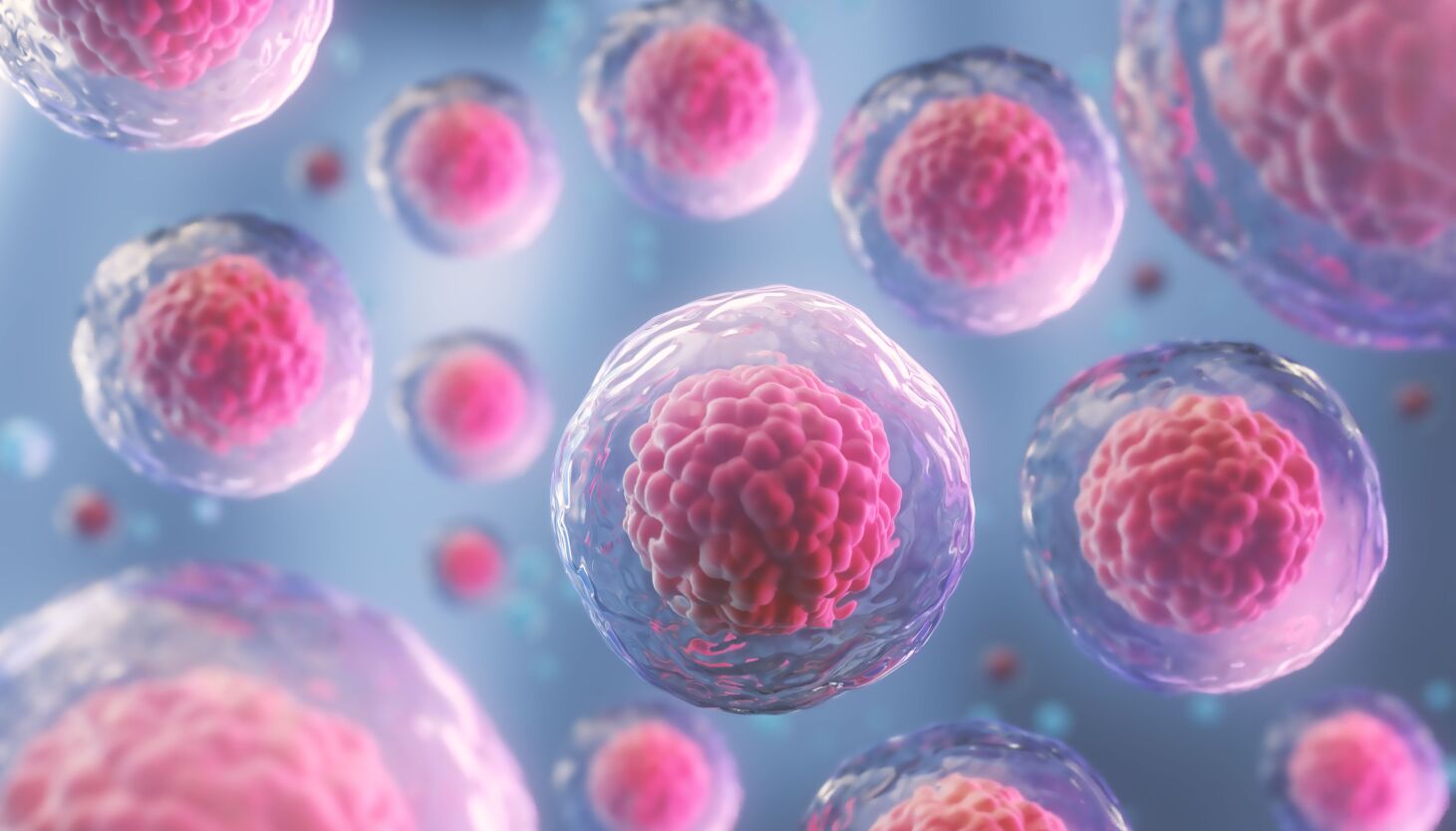
A study conducted by biophysicists from the University of Chicago has found that living cells in confinement behave similarly to people in crowds. The researchers observed that cells adjust their size while growing alongside other cells in sheets of tissue. The study provides insights into how cells regulate their growth and division, which is crucial for understanding tissue development and growth. The findings may have implications for cancer treatments and tissue engineering.
Scientists at Trinity College Dublin have discovered new mechanisms involved in establishing cellular identity, which has potential translational impacts in cancer biology and associated targeted treatments. The research focuses on the workings of Polycomb protein complexes, PRC1 and PRC2, which are studied by Professor Adrian Bracken and his team, based in Trinity's School of Genetics and Microbiology. The team found that PRC2.1 and PRC2.2 recruit different forms of the PRC1 complex to DNA, thereby finally explaining why two versions are needed.
Drug shortages are at a 10-year low, with some essential drugs hitting their lowest supply levels, forcing hospitals to ration and use pharmacy workarounds. Quality control issues, selected plant closures, and other manufacturing woes have added up, leading to shortages of essential drugs like albuterol and some common cancer treatments. Oncology drugs have been hit particularly hard, with methotrexate and other generics produced by Akorn Pharmaceuticals in short supply. The FDA is working with manufacturers to increase production and qualify additional suppliers and sites to increase supply. However, health system pharmacists can find a workaround by either compounding or repacking medications into different doses.