
The Evolutionary Mystery of Human Tail Loss Unraveled
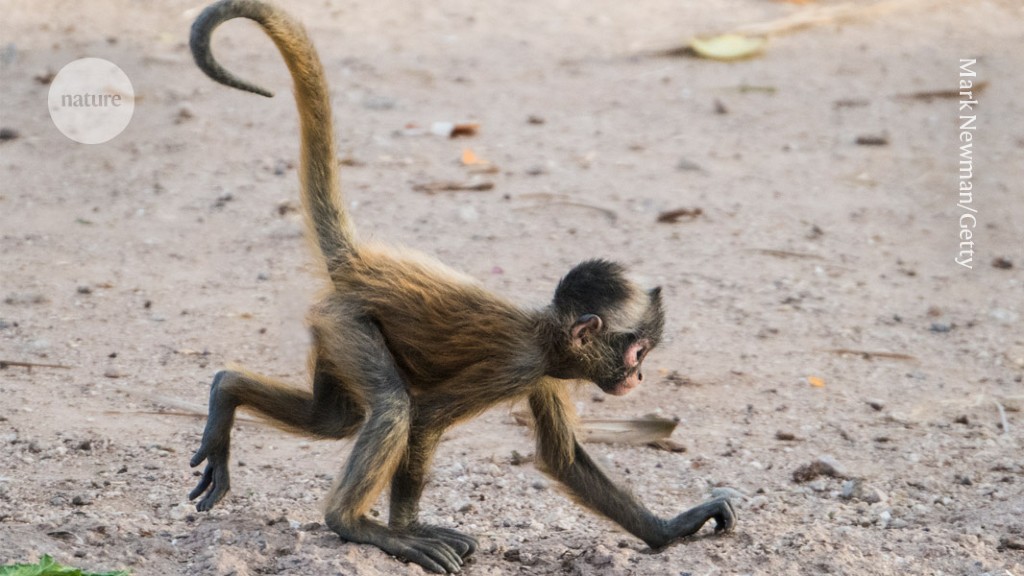
After 2.5 years, researchers have identified a genetic change shared by humans and other apes that might have contributed to their ancestors’ tail loss some 25 million years ago. The study involved developing several strains of gene-edited mice to demonstrate the genetic changes' effects, leading to the publication delay. The findings suggest that a DNA insertion in the TBXT gene can lead to shortened or absent tails in mice, shedding light on the genetic mechanisms behind tail loss and length reduction in apes, although it's not the only factor involved. This research provides insight into the evolution of tail loss and its potential impact on apes' ability to walk upright.
- How humans lost their tails — and why the discovery took 2.5 years to publish Nature.com
- On the genetic basis of tail-loss evolution in humans and apes Nature.com
- We finally know why humans don't have tails Livescience.com
- Losing their tails provided our ape ancestors with an evolutionary advantage – but we're still paying the price The Conversation Indonesia
- How Humans Lost Their Tails Scientific American
Reading Insights
0
6
4 min
vs 5 min read
87%
828 → 110 words
Want the full story? Read the original article
Read on Nature.com