A study of ancient waste from Vindolanda near Hadrian's Wall reveals Roman soldiers suffered from chronic gut infections and parasites like worms and Giardia, highlighting the harsh sanitary conditions and health challenges faced on the Roman frontier.
A new study suggests that Clovis spear points, dating back to 13,500-12,800 years ago, may have been used for butchering as well as hunting big game. Researchers found that modern hunters were able to efficiently butcher a bison using replica Clovis points mounted on wooden handles, with less risk of injury compared to using hand-held stone flakes, although the Clovis points required frequent sharpening and were more prone to breakage.
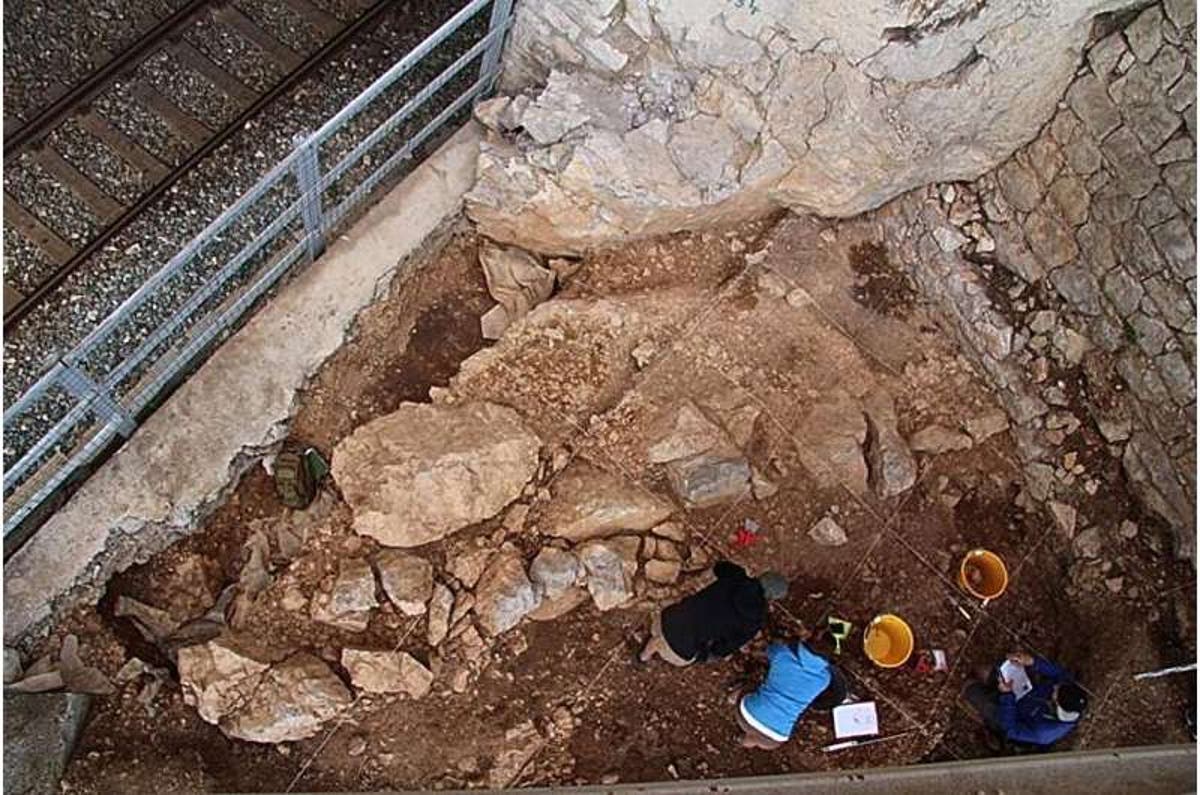
A new study analyzing the Riparo Bombrini site in Italy reveals that Neanderthals organized their living spaces in a structured manner similar to modern humans, indicating comparable cognitive capacities. Both populations exhibited distinct high and low-intensity activity zones, suggesting planned occupation of spaces. While similarities in spatial organization were found, differences included fewer artefact clusters in Neanderthal layers and sporadic use of the site. The findings challenge assumptions about Neanderthals and highlight their advanced behavior.
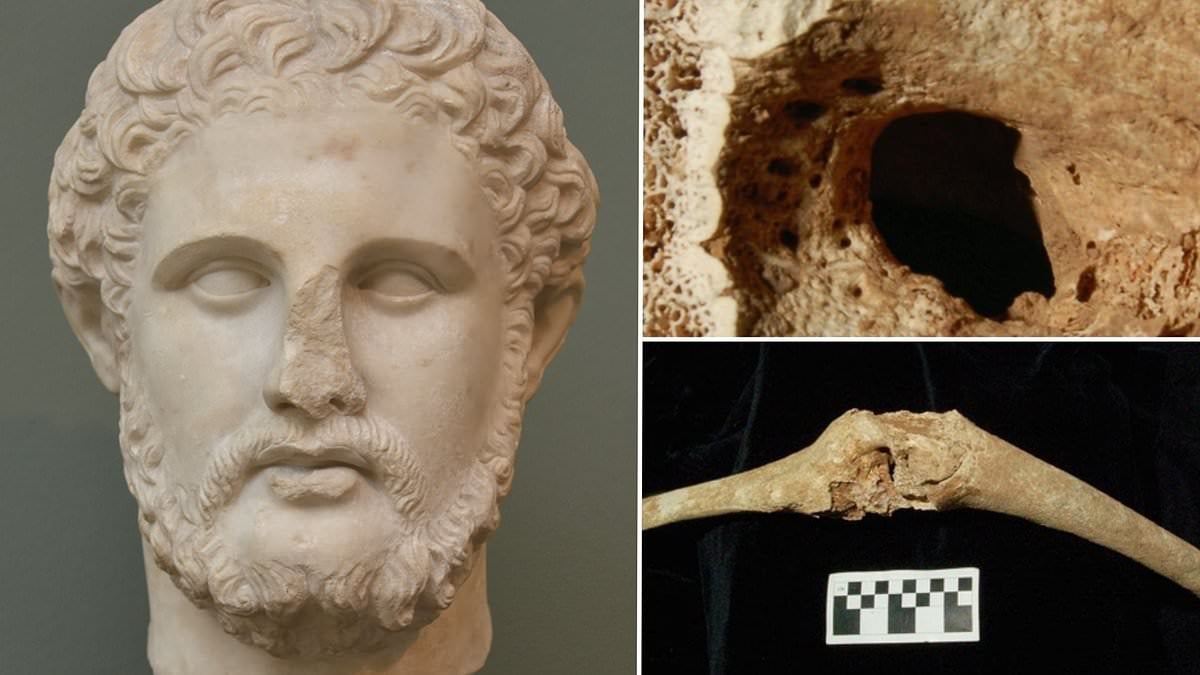
A recent study has revealed that the ancient Greek tomb discovered in 1977 in Vergina, northern Greece, contains the remains of Philip II of Macedon, the father of Alexander the Great, and not his half-brother as previously assumed. The study used scientific and historical evidence to conclusively identify the occupants of the royal tombs, shedding light on the long-standing debate over their identities. The findings provide new insights into the historical significance of the skeletons and the ancient Macedonian royal family.
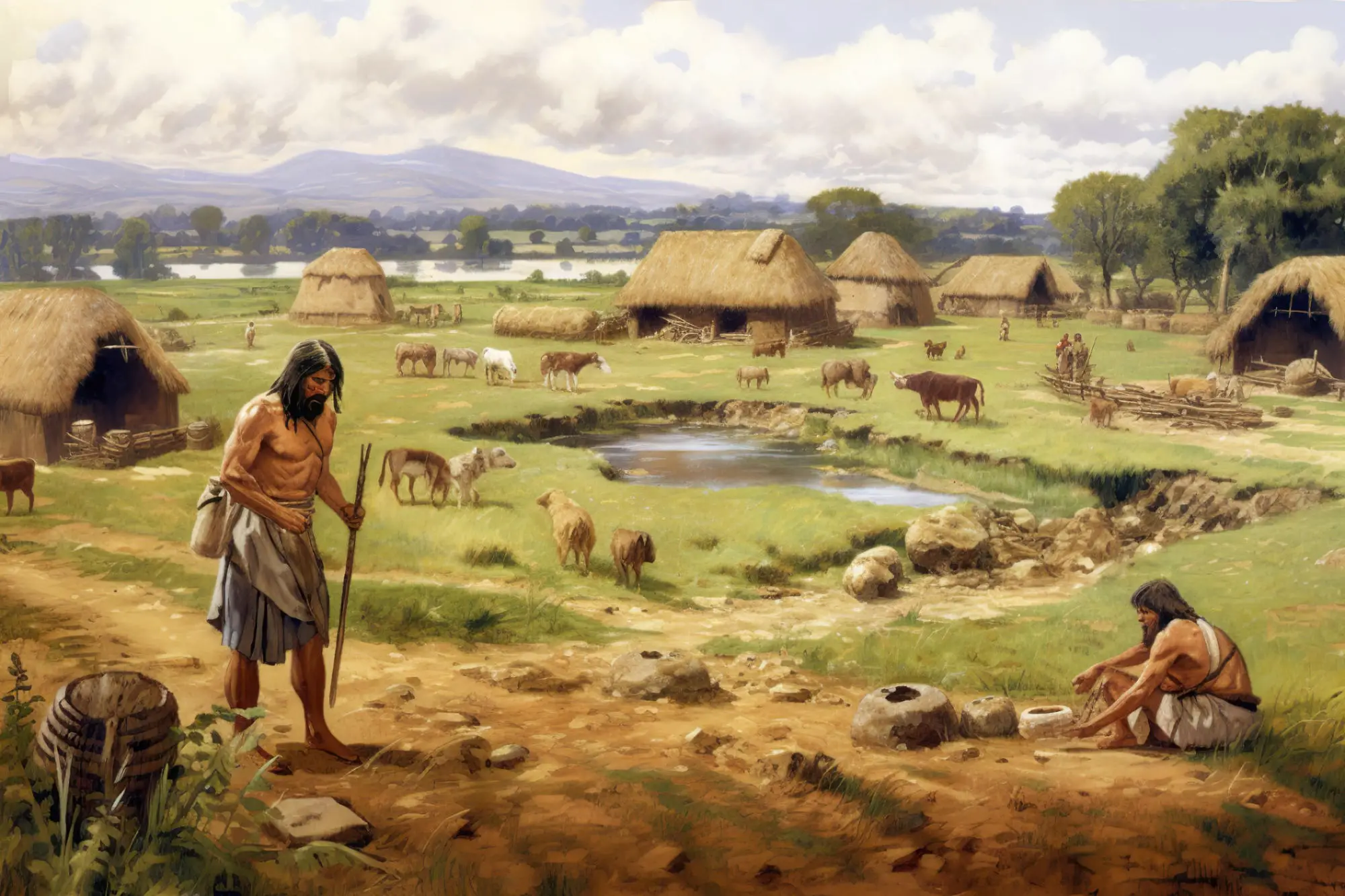
A recent study published in the journal Nature reveals that the Neolithic era in North Africa was shaped by a complex interplay of cultures between African hunter-gatherers, European farmers, and Near Eastern pastoralists. The study, which analyzed genomic data from Neolithic human remains in the Maghreb region, challenges previous theories about the origins of agriculture and livestock in North Africa. The findings suggest that the Neolithic Revolution in this region was the result of a multifaceted process involving cultural exchanges, genetic mixing, and the adoption of new techniques from immigrant groups. This research sheds new light on the diverse origins and shared knowledge of ancient populations in North Africa over 7,000 years ago.