Tag

Antikythera Mechanism

All articles tagged with #antikythera mechanism

archaeology4 months ago

Ancient Artifact Reveals 2,100-Year-Old Cosmic Tracking Genius

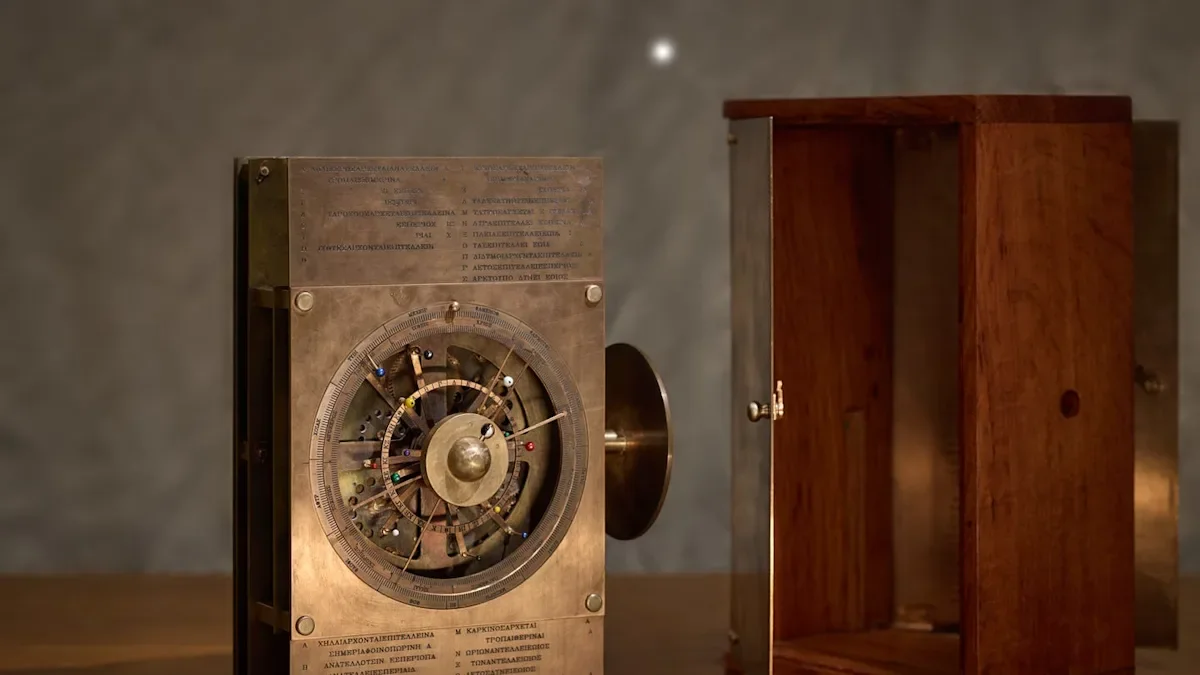
Archaeologists have uncovered new details about the 2,100-year-old Antikythera shipwreck, revealing insights into ancient Greek shipbuilding techniques and the famous Antikythera mechanism, an advanced astronomical device that modeled celestial cycles with impressive precision, showcasing the ingenuity of ancient engineering and scientific knowledge.

science-and-technology2 years ago

The Revolutionary Antikythera Mechanism: A Technological Marvel Ahead of its Era

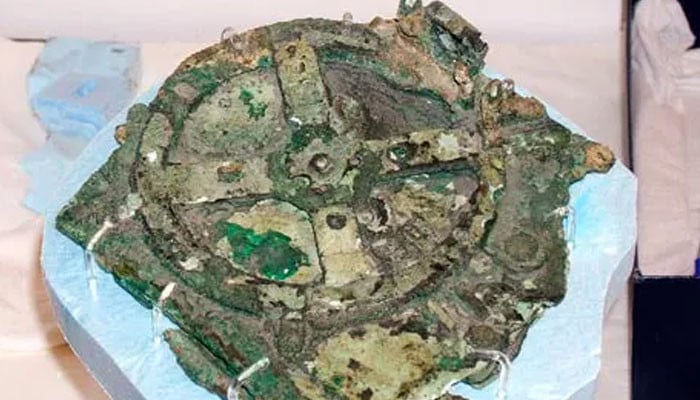
The Antikythera Mechanism, a complex ancient Greek astronomical computer, was far ahead of its time due to the advanced technology and scientific knowledge of the ancient Greeks. Discovered in 1900, the device contained intricate bronze gears and inscriptions, indicating its advanced mechanical design. German philologist Albert Rehm recognized its resemblance to the mechanical universe of Archimedes. Derek de Solla Price, a British physicist, studied the mechanism extensively and concluded that it represented a level of scientific technology that surpassed anything else from antiquity. The Antikythera Mechanism demonstrates the golden age of Greek science and the potential for a Greek industrial revolution that was hindered by the destruction of ancient Greek culture by Christians.

archaeology2 years ago

"Unearthing an Ancient Technological Marvel: The Remarkable 2,000-Year-Old Computer"

Archaeologists in Greece have made an astonishing discovery of a 2,000-year-old analogue computer known as the Antikythera mechanism. This relic, believed to be the earliest example of its kind, was used by the Ancient Greeks to predict astronomical positions, eclipses, and the cycle of the Olympic Games. Initially mistaken for a corroded lump, the device was found to contain precision gear wheels, shocking researchers. Through advancements in archaeology technologies, including 3D X-ray capabilities, scientists have been able to uncover hidden inscriptions and gain a deeper understanding of the mechanism's functions. The discovery highlights the advanced knowledge and technological capabilities of the Ancient Greeks.

science-and-technology2 years ago

"Revolutionizing Ancient Technology: The Open-Source Antikythera Mechanism"

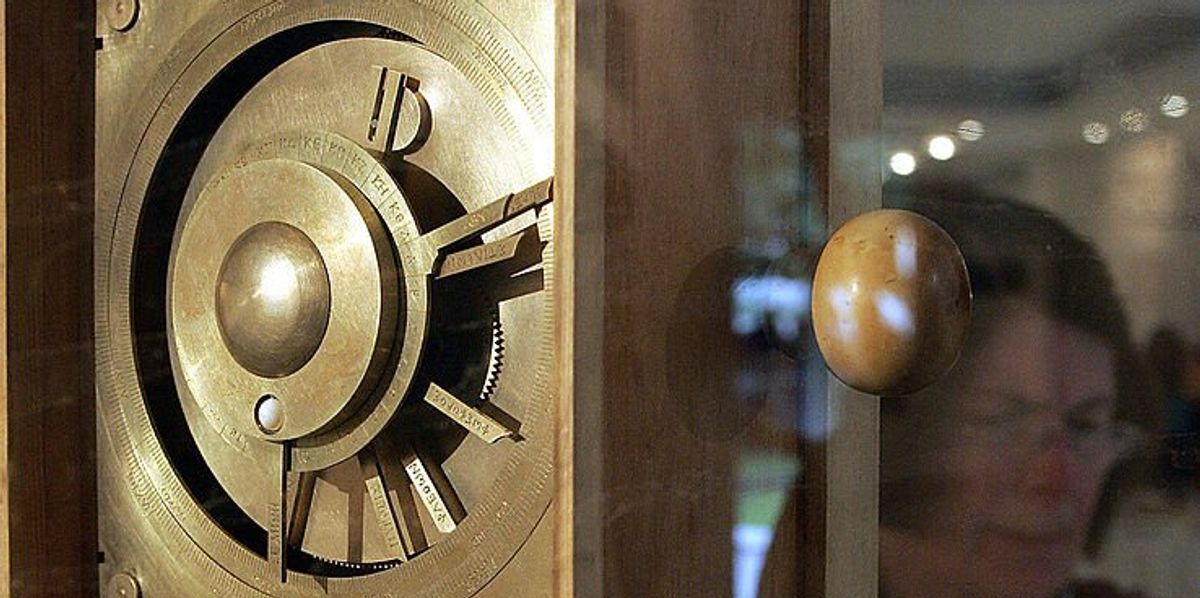
A group of creators has built an open-source replica of the Antikythera Mechanism, a 2000-year-old device considered one of the most important archaeological discoveries. The replica incorporates modern technology such as 3D printers and laser cutters, with some upgrades and changes to accommodate building in a modern workshop. The designs and schematics are open source, allowing for modifications, and various parts will be available for sale. While the ancient Greeks lacked the cosmological understanding to make the machine accurate for two thousand years, the replica remains a fascinating build, with ongoing discoveries about its functionality.

science-and-technology2 years ago

Ancient Computer Stumps Scientists for Over a Century, While Water-Powered Analog Computer's Creator Remains a Mystery

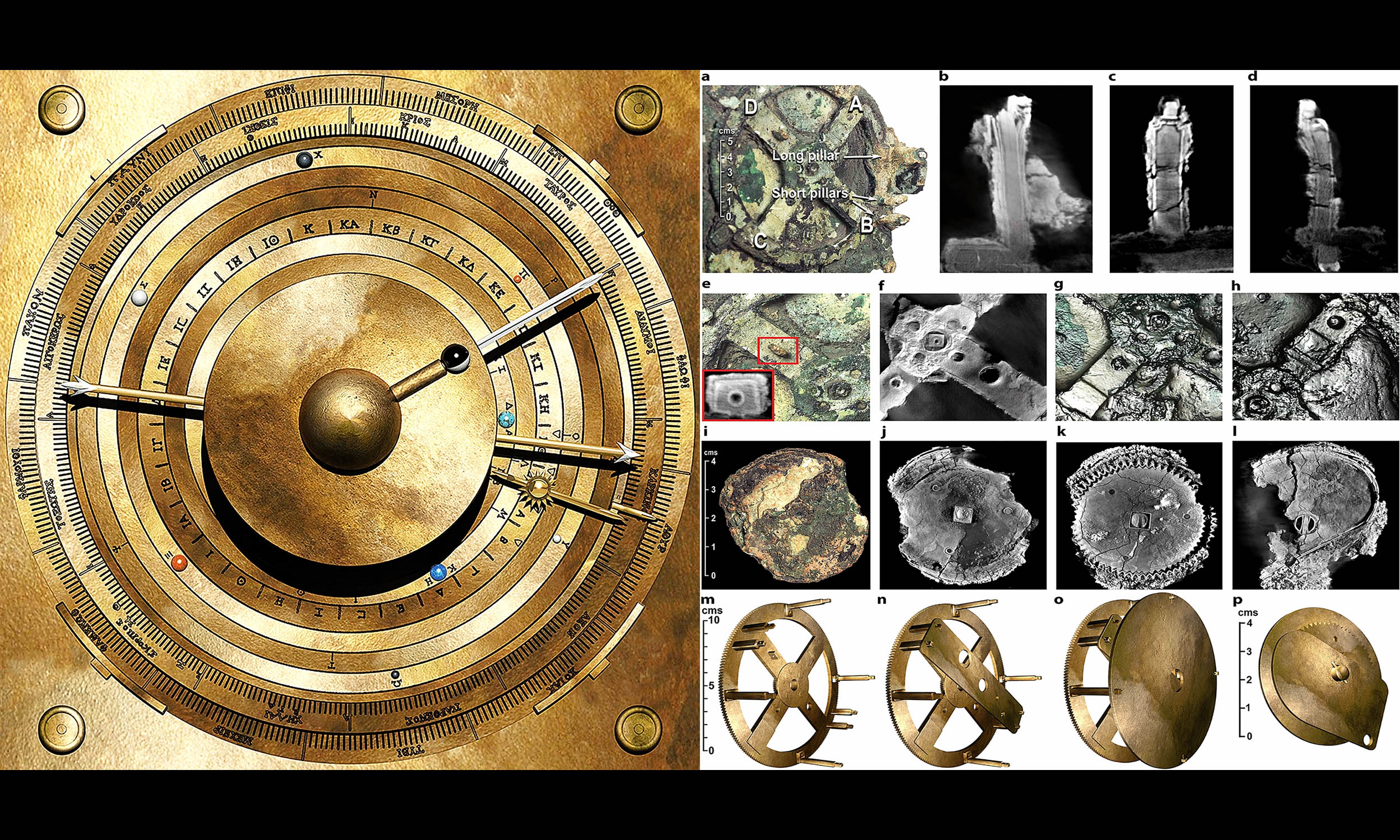
Scientists from University College London have reconstructed the front panel of the Antikythera Mechanism, an ancient hand-powered instrument discovered in 1901 on a Roman-era shipwreck in Greece. The device was a remarkable time-keeping device, using a wing-up system to track the sun and planets meticulously, and also functioned as a calendar, accurately monitoring the phases of the moon and eclipses. The Antikythera computer was far ahead of its time, and its technical sophistication surpassed any other tool or invention for the subsequent millennium.

science-and-technology2 years ago

"2,000-Year-Old Computer Continues to Baffle Scientists"

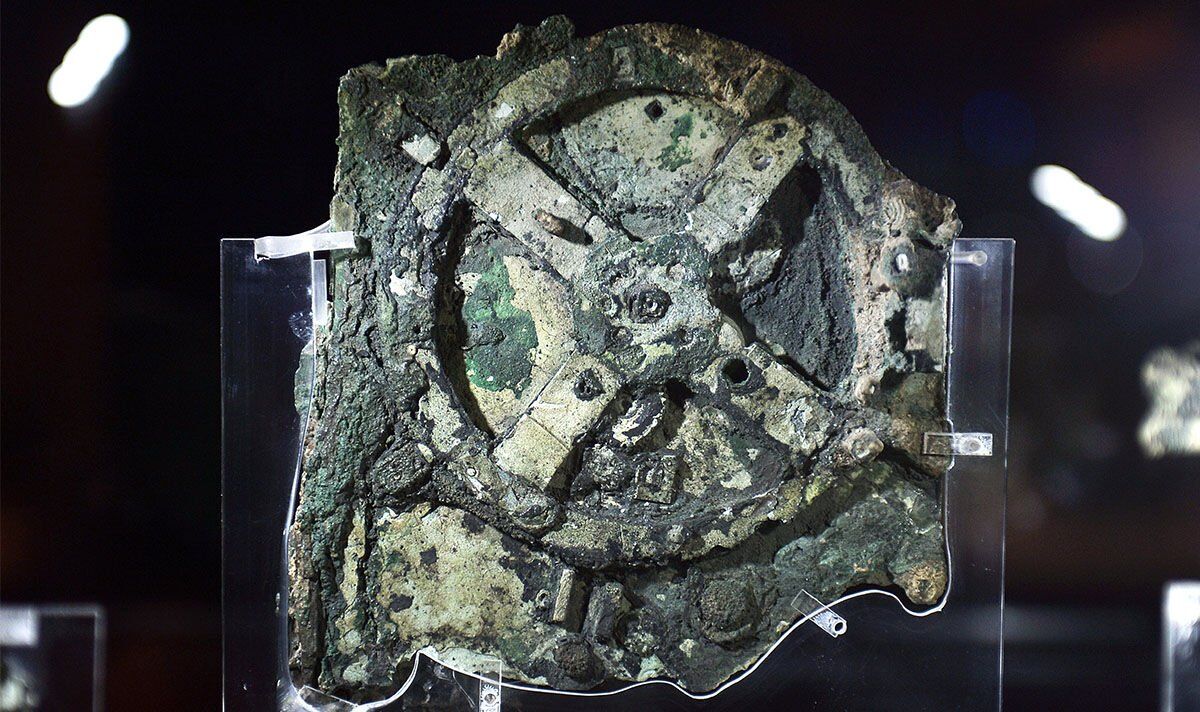
The Antikythera mechanism, a 2,000-year-old astronomical calendar discovered in a Greek shipwreck, has left scientists baffled due to its technical sophistication. The hand-powered time-keeping instrument tracks the sun, moon, and planets' celestial time, as well as the moon's phases and timing of eclipses. Despite being technically behind, the device was a "creation of genius" and capable of tracking far more than expected. The device is currently in 82 separate fragments, but experts at University College London used 3D modeling to solve the mystery of how it worked.

science-and-technology2 years ago

"Scientists puzzled by ancient computer discovery"

Scientists have been amazed by the discovery of the Antikythera mechanism, a 2,000-year-old astronomical calendar that is more technically sophisticated than any other tool invented over the next 1,000 years. The device, dubbed "the first computer," was discovered inside a Greek shipwreck in 1901 and is a hand-powered time-keeping instrument that used a wing-up system to track the sun, moon and planets' celestial time. Despite being in 82 separate fragments, 3D computer modelling has helped experts at University College London solve the mystery of how the device worked, revealing a "creation of genius."

science-and-technology2 years ago

Ancient 'Computer' Baffles Scientists.

The discovery of the Antikythera mechanism, a 2,000-year-old "computer" found inside a Greek shipwreck, has left scientists puzzled. The hand-powered time-keeping instrument used a wing-up system to track the celestial times of the sun, moon, and planets, and served as a calendar as well. Experts at University College London used 3D computer modelling to unravel its workings and discovered that it was technologically more advanced than any tool created over the following 1,000 years. The gadget is believed to track the motion of the sun, moon, and planets on concentric rings.

mystery2 years ago

Unsolved Mysteries: 13 Baffling Cases That Remain a Mystery.

Reddit users shared 13 unsolved mysteries, including the Antikythera mechanism, the Monarch Butterfly's migration, the Voynich Manuscript, the Lead Mask Mystery of Brazil, the Monkey Man of Delhi, the Indus Valley script, the murder of Missy Bevers, the Georgia Guide Stones, the disappearance of Asha Degree, and the Chechém and Chaka trees. These mysteries range from technological anomalies to strange occurrences in nature and puzzling parts of history.