Emma Heming Willis highlights the emotional toll on caregivers of dementia patients, describing it as a 'double death' where the person's mind is lost first, followed by their physical death, amidst a rising global dementia crisis.
The article shares poignant, heartfelt, and sometimes humorous last words of patients, revealing their final thoughts and feelings, and highlighting the emotional impact on caregivers and loved ones.
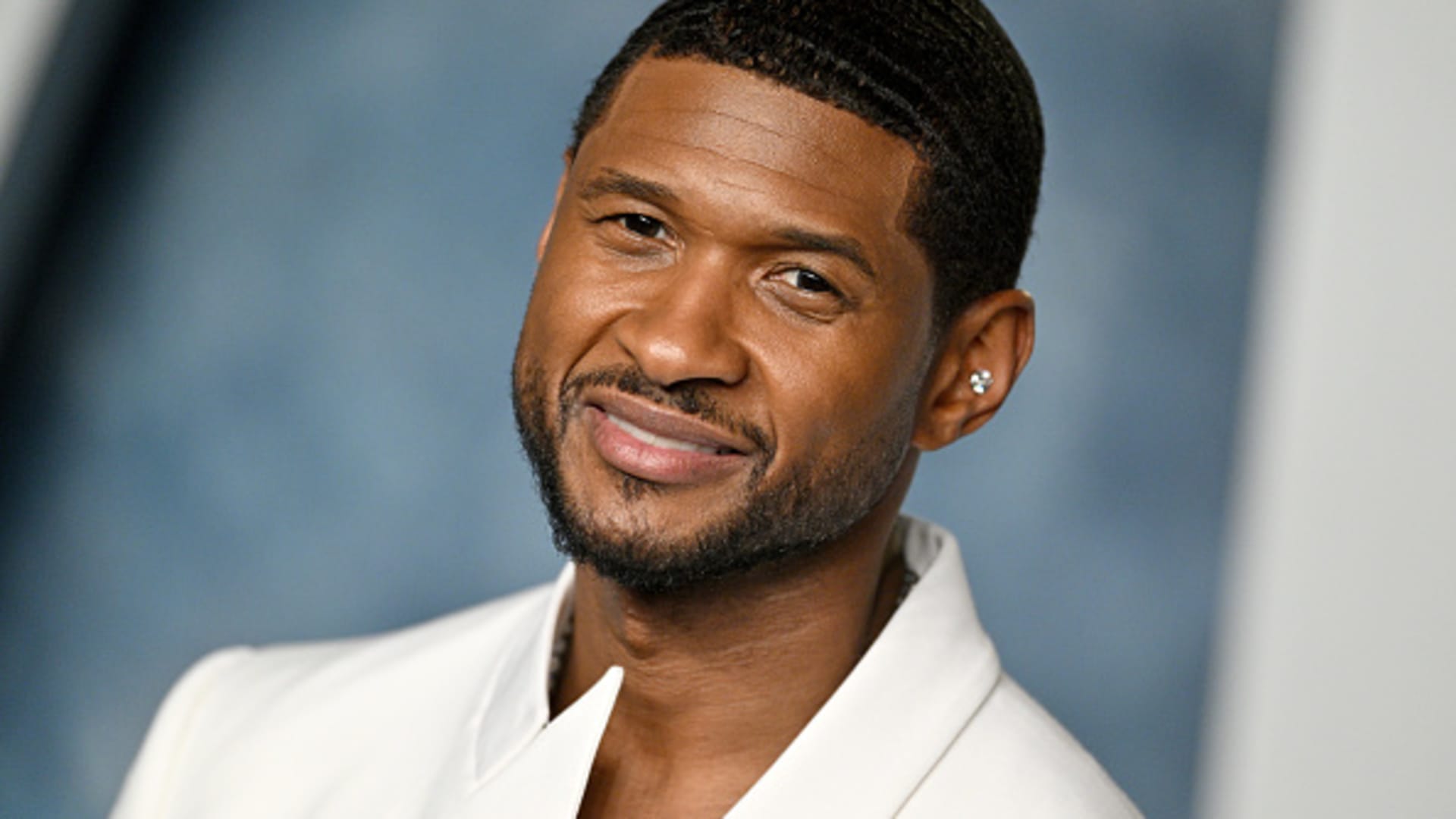
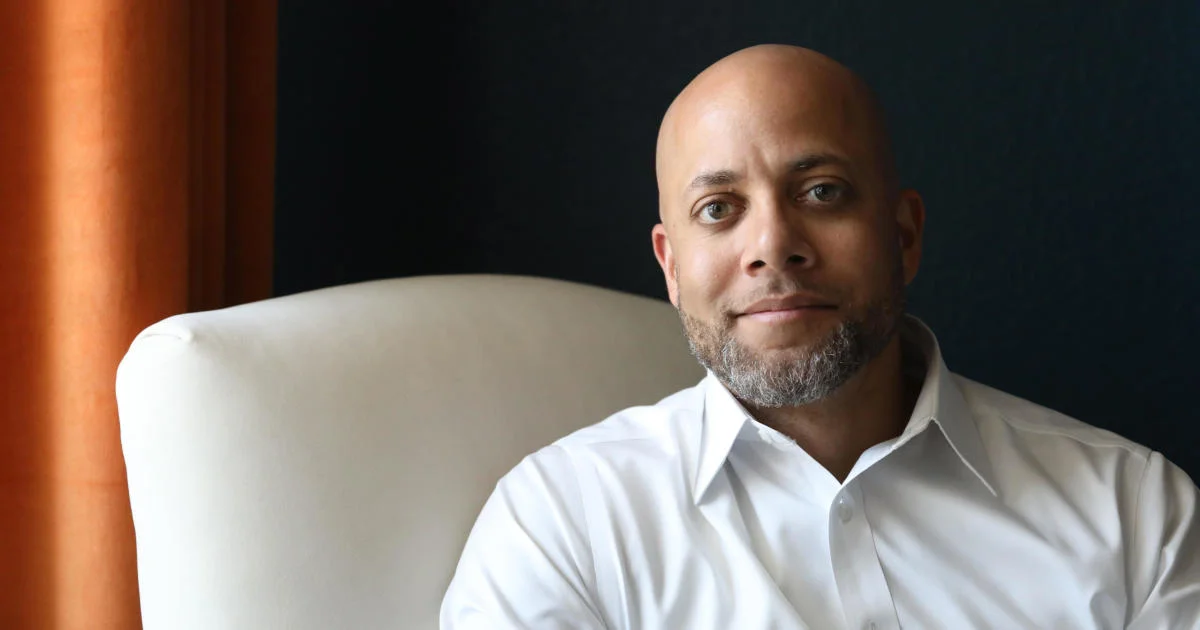
Usher emphasizes the importance of early detection for Type 1 diabetes, sharing his family's experience and partnering with Beyond Type 1 to raise awareness. A survey reveals that 97% of caregivers believe early knowledge of the condition would have been beneficial, potentially reducing the financial and emotional burden. The advocacy group highlights the need for awareness of diabetes symptoms and risks to prevent emergency diagnoses and financial distress.
A recent study from the Mayo Clinic has debunked the myth that lucid episodes in individuals with advanced dementia signal impending death, revealing that 75% of those experiencing these moments had Alzheimer’s Disease. The research classified these episodes into types based on their quality and context, aiming to better understand these spontaneous episodes of clarity and provide reassurance to caregivers. The findings challenge previous notions and emphasize the need to understand and support caregivers in managing dementia care with compassion and grace.
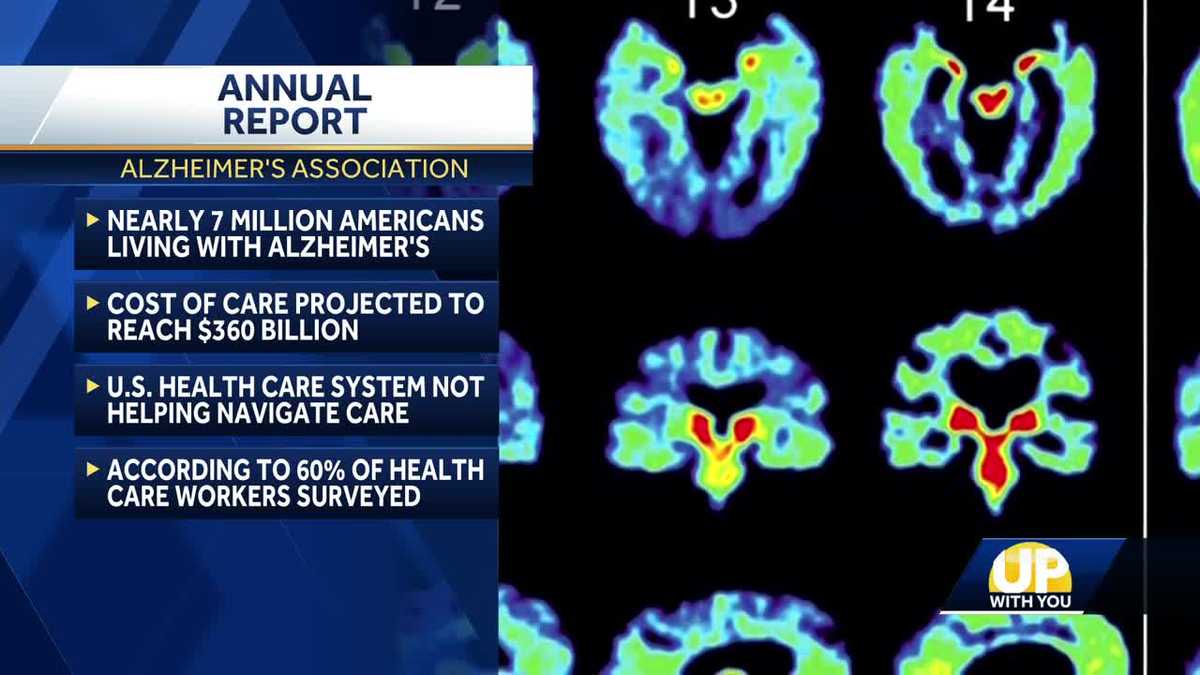
The 2024 Alzheimer's Association report provides new insights into Alzheimer's disease and caregivers, revealing that nearly 7 million older adults in the U.S. have Alzheimer's dementia, with the cost of care projected to reach $360 billion this year. The report also highlights concerns from health care workers, with 60% believing that the U.S. health care system is not effectively supporting patients and their families in navigating dementia care.
A study from the University of South Carolina suggests that tandem cycling may improve the health and well-being of people with Parkinson’s disease and their caregivers. Participants in a tandem cycling program showed improved overall function, mobility, walking speed, and decreased disease progression. Caregivers also experienced improved resilience and decreased depression. The study highlights the potential benefits of exercise therapy for both patients and their caregivers, offering new avenues for improving quality of life for those affected by Parkinson's disease.
Ukrainian caregivers in Italy, a significant presence in the country, are facing the effects of the conflict in Ukraine while providing care for the elderly. They experience emotional stress, isolation, and financial strain as they navigate the challenges of living and working in a foreign country, while also dealing with the anxiety of the war from afar. Despite the difficulties, they continue to celebrate their culture and find ways to support their families back home, while also managing the delicate balance of caring for their elderly charges.
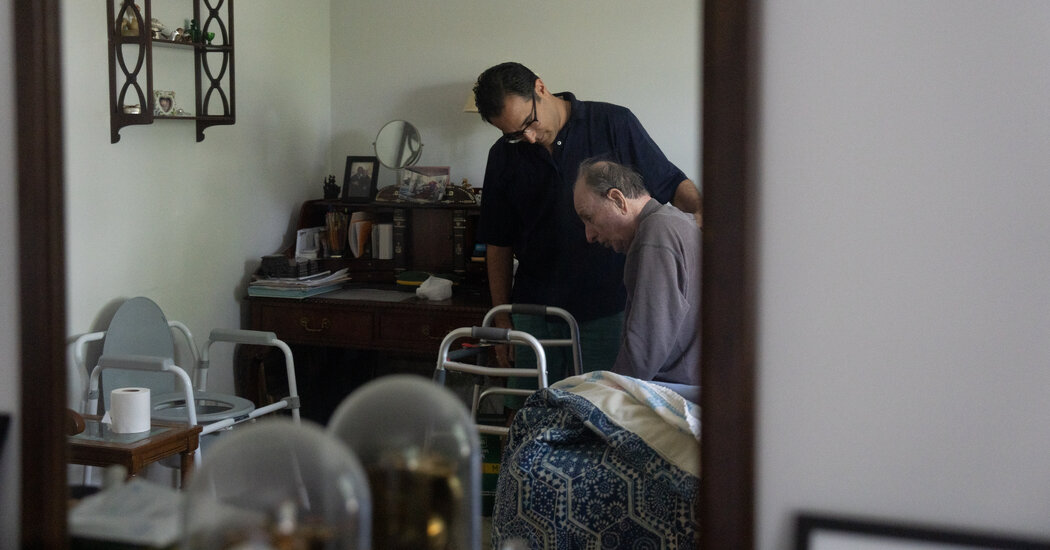
Caregivers of aging parents express concerns over the lack of resources and support for long-term care. Many face challenges with unreliable agencies, a shortage of help, and dwindling financial resources. The healthcare system for the elderly is deemed neglected, broken, and inadequate to meet their basic needs.
Caregivers for family members or friends with health issues or disabilities often experience anger and frustration, but these emotions are often stigmatized and not openly discussed. The stress and loss of control that caregivers face can lead to chronic health conditions and financial strain. Experts emphasize the importance of normalizing these feelings and providing support for caregivers, including peer support groups and addressing the physical effects of anger. Caregivers should feel empowered to express their emotions and seek help without guilt or shame.
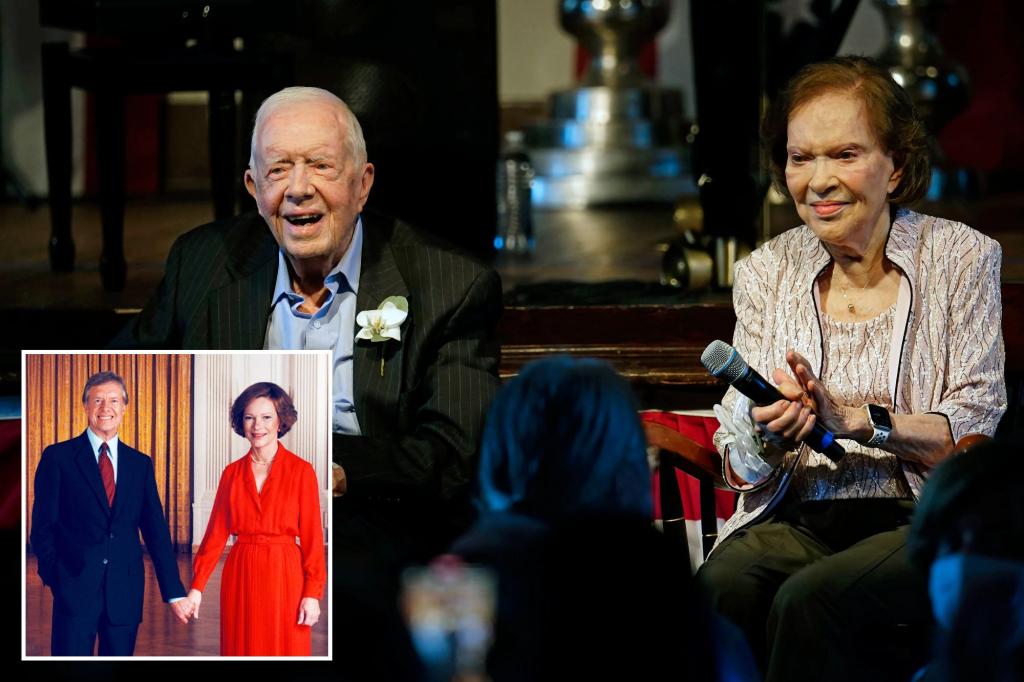
Former first lady Rosalynn Carter celebrates her 96th birthday at home in Plains, Georgia, with her husband, former President Jimmy Carter, and family members. Despite navigating dementia and receiving hospice care, the couple remains in their hometown, where they were born, married, and ran Jimmy Carter's successful 1976 presidential campaign. Rosalynn plans to enjoy cupcakes and peanut butter ice cream, release butterflies in their garden, and attend a public screening of a film sponsored by the Rosalynn Carter Institute for Caregivers. Throughout her life, Rosalynn Carter has advocated for comprehensive healthcare, mental health treatment, and support for caregivers.
Former first lady Rosalynn Carter celebrates her 96th birthday at home with her husband, former President Jimmy Carter, in Plains, Georgia. Despite navigating dementia and receiving hospice care, the couple remains together in their hometown. Rosalynn plans to have a quiet celebration with cupcakes and peanut butter ice cream, release butterflies in their garden, and attend a screening of a film on caregiving challenges. Throughout her life, Rosalynn Carter has advocated for comprehensive healthcare and support for caregivers. The couple's declining health has brought attention to her emphasis on caregiving. Rosalynn Carter is the second-oldest presidential spouse in U.S. history, while Jimmy Carter is the longest-lived president.
The national shortage of mental health care providers and the search for affordable care have taken a toll on parents' mental and physical health as they struggle to support their children with severe mental health challenges. The stress and anxiety of navigating the system often lead to a decline in parents' well-being, affecting their ability to provide care. Evidence-based therapies should include support for parents, but the focus on adult caregivers often falls short. The lack of quality mental health care services exacerbates the risk for illnesses in youth, and without appropriate help, these conditions can persist for years.
A study conducted in Nueces County, Texas, found that the majority of older adults with cognitive impairment are still driving, despite concerns raised by caregivers. Of those with cognitive impairment, 61.4% were current drivers, and around one-third of caregivers had concerns about their care-recipient driving. The study highlights the importance of discussing driving safety with healthcare providers and considering on-the-road evaluations to ensure the safety of individuals with mild cognitive impairment.
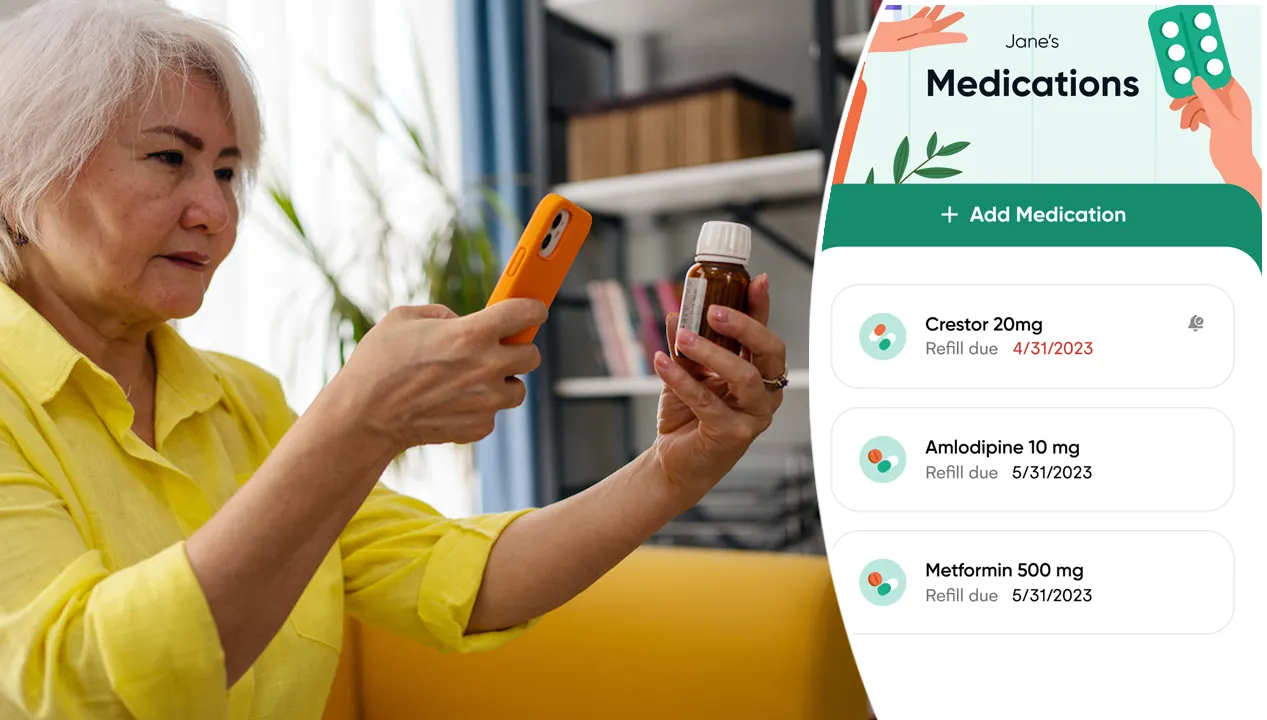
A new AI app called "Together" aims to help aging adults and their caregivers manage medications and other health care tasks. The app uses generative AI to automatically detect key information about a medication from a photo of the prescription bottle, such as the doctor's name, dosage, refill dates, and precautionary advice. It also offers features like storing health care provider information, checking vital signs based on a selfie, adding appointment cards to the calendar, and sharing data with caregivers. The app is designed to be user-friendly and does not require manual data entry. The company plans to add more features, including insurance card benefits and stress measurement through voice monitoring.
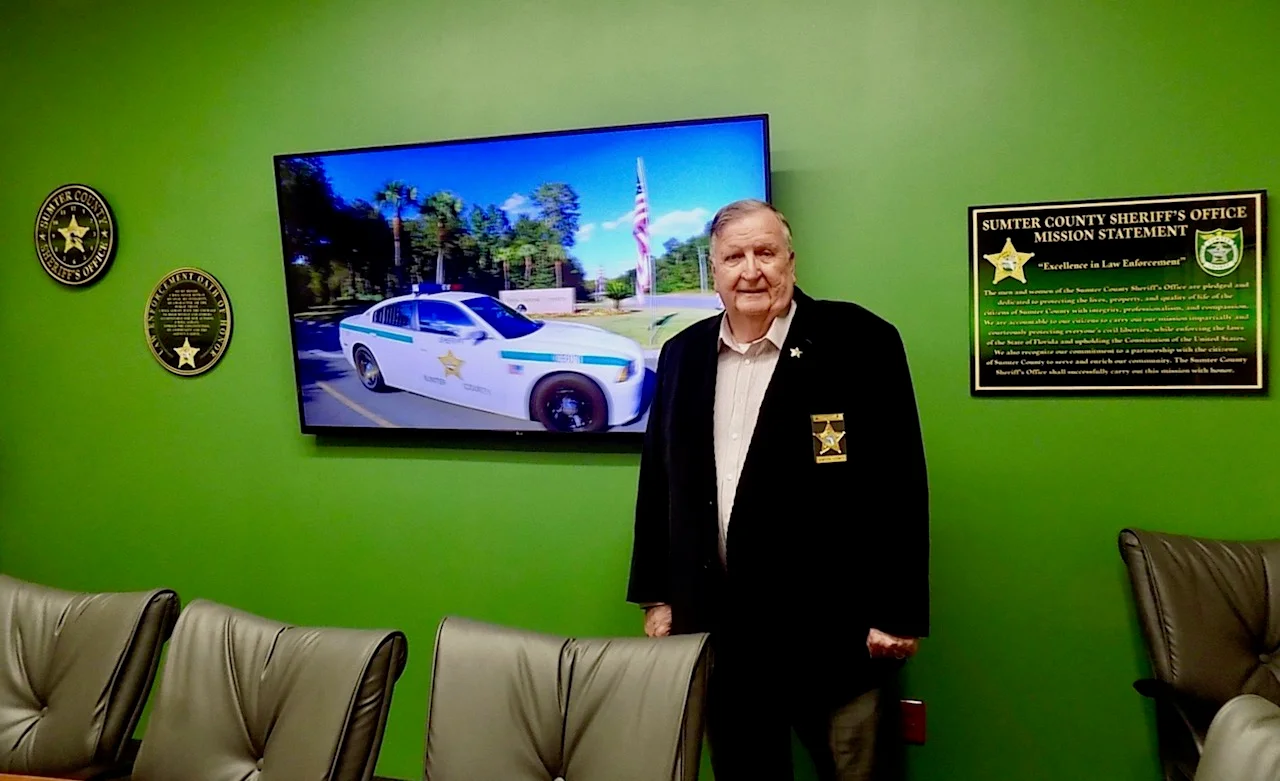
The Sumter County Sheriff's Office has partnered with Coping with Dementia LLC to organize a free conference in The Villages for families living with dementia. The event, scheduled for October 30, aims to educate attendees about Alzheimer's disease and other forms of dementia, and provide information on available resources. The conference will feature expert speakers, free information from companies and services, and a light lunch. Reservations are required and can be made starting on August 1.